

The environmental changes that actually last are the ones that become permanent habits, not the ones that demand ongoing willpower to maintain. A reusable water bottle carried daily for five years does more good than one flawless waste audit performed once. The 25 swaps below are grouped by room and ordered by effort, so the first item in each category is the one that asks the least of your daily routine. Start at the top of a list, let it settle, and work down. Trying to adopt all 25 in a single week is how people end up abandoning the whole project; adopting one every week or two is how it becomes permanent. Treat the list as a menu to work through over a season, not a checklist to clear by Friday.
Kitchen Swaps (1–8)
1. Reusable grocery bags. Kept in the car or by the door, never in a drawer; the location is what decides whether they reach the store. A set of five to eight covers most runs.
2. Reusable produce bags. Lightweight mesh bags stand in for the clear plastic ones in the produce aisle. Same job, no plastic.
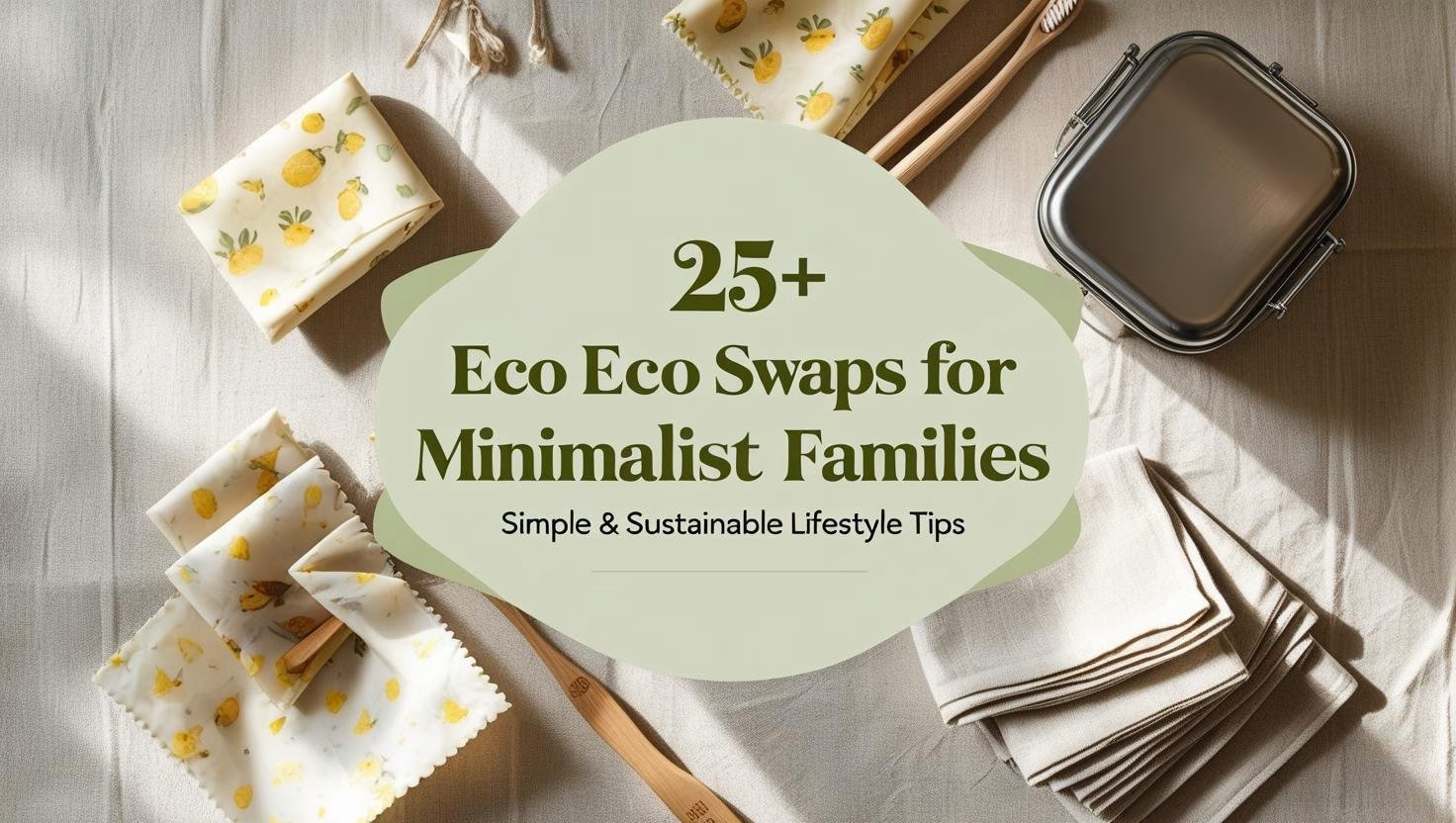
3. Beeswax wraps instead of plastic wrap. They mold over bowls and cut produce when warmed in your hands, wipe clean with cool water, and last roughly 6 to 12 months.
4. Silicone bags instead of zip bags. Dishwasher- and freezer-safe, reusable for years. Higher upfront cost, far lower annual cost than a running zip-bag habit.
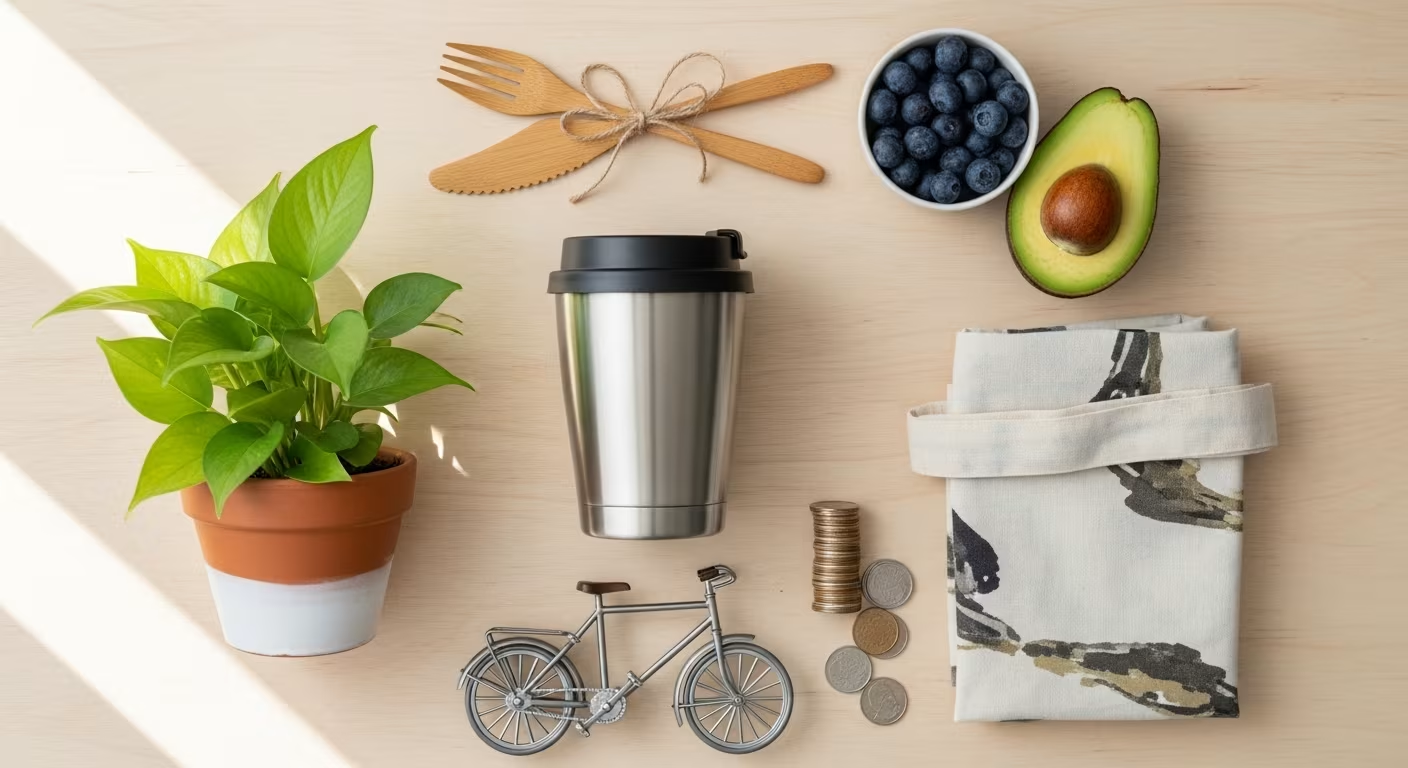
5. A reusable water bottle for everyone. Stainless steel, 24 to 32 ounces, one per person. This is the highest-impact single swap here for any household currently buying bottled water or grabbing disposable cups.
6. Bar dish soap instead of liquid. A bar lasts around three to four months against four to six weeks for a bottle, with no plastic dispenser to discard.
7. Cloth dish towels instead of paper towels. A stack of ten to twelve cotton cloths handles most kitchen jobs; keep paper on hand only for the messes cloth shouldn't touch. You can find authoritative guidance on this from the U.S. Department of Energy's Energy Saver guide.
8. Countertop compost bin. A small lidded bin gathers vegetable scraps, coffee grounds, and eggshells between trips to an outdoor pile or municipal pickup, diverting the single largest volume of household waste from landfill.
Bathroom Swaps (9–15)
9. Bar soap instead of liquid body wash. Same result, no plastic pump bottle.
10. Shampoo bar instead of liquid. Expect a two-to-four-week adjustment for some hair types; many people find bars work as well as liquid once the scalp settles.
11. Safety razor instead of disposable cartridges. One handle for the long haul, with replaceable blades at pennies each. The blades recycle as scrap metal at most facilities.
12. Bamboo toothbrush instead of plastic. The nylon bristles usually aren't compostable, but the handle is, replacing plastic for the bulk of the brush.
13. Toothpaste tablets or powder instead of a tube. Sold in glass jars or recyclable cardboard, unlike the mixed-material tubes that most municipal systems can't recycle.
14. Refillable cleaning spray bottles. Concentrated tablets or powder (Blueland, Grove Collaborative) dissolved in a reusable bottle ends the disposable spray-bottle cycle.
15. Menstrual cup or reusable period products. A cup lasts five to ten years, replacing what would otherwise be thousands of disposable pads or tampons over a person's menstrual life, making it one of the highest-impact personal-care swaps available.
Laundry Swaps (16–19)
16. Detergent sheets or powder. Cardboard-packaged alternatives to the plastic jug. Tru Earth and Kind Laundry make sheets; bulk powder in cardboard is on most store shelves.
17. Wool dryer balls instead of dryer sheets. A set of three to six replaces disposable sheets, can shorten drying time, and lasts for years. They don't add fragrance, so a few drops of essential oil on the balls covers that if you want it.
18. Cold-water washing. Since the vast majority of a wash cycle's energy goes to heating the water, switching to cold slashes the energy per load, and modern detergents are formulated to clean well cold.
19. Full loads only. A full load uses about the same water and energy as a partial one, so the gain is in the utilization rate, not the machine size.
Children's Swaps (20–25)
20. Secondhand clothing first. Kids' clothes from Once Upon a Child, Kidizen, or local swaps do the same job at 70% to 90% less than retail, with none of the production cost of new manufacturing.
21. Wooden or non-plastic toys where you can. No need to ban plastic toys outright, but wooden ones, metal ones, and secondhand toys of any material all reduce demand for virgin plastic.
22. Cloth lunch bag instead of disposable. A fabric bag with reusable containers ends the daily paper bag and plastic wrap.
23. Reusable snack bags. Silicone or cloth pouches replace the individual sandwich bags packed for school, and most go in the dishwasher.
24. Library books instead of new purchases. A library card ends the running purchase of children's books while opening up more titles than any home shelf could hold.
25. A reusable water bottle and lunch kit for school. The disposable bottles and bags a school year generates add up fast; one reusable set removes the whole stream.
Making Swaps Stick: Placement Is Everything

The strongest predictor of whether a swap becomes permanent isn't willpower; it's placement. Reusable grocery bags in the car get used. The same bags in a kitchen cabinet get forgotten. A compost bin on the counter gets used. The same bin under the sink demands a separate decision every single time.
Every swap on this list has a placement answer. The water bottle lives by the coffee maker, not in a cabinet. The beeswax wraps go exactly where the plastic wrap used to live. The wool dryer balls sit on top of the dryer, in plain sight. The produce bags ride inside the grocery totes, so pulling one out means the other is already in hand. Most failed swaps fail for the same reason: the new item was stored apart from the task it was meant to replace. The very convenience that makes single-use products a habit (they're right there) can be engineered for the reusable version with a little deliberate placement.
It also helps to fully retire the thing you're replacing rather than keeping it "just in case." A drawer that still holds the plastic wrap next to the beeswax wraps hands you an easy way to fall back on the old habit the first time the new one feels slightly less convenient. Use up or give away the disposable version once its replacement is working, so the reusable option is simply the option, not a virtuous alternative you have to choose over an easier default sitting right beside it.
The Investment vs. Savings Math
The upfront cost of replacing single-use products is real, and it helps to see it grouped rather than item by item. Buying by kit, the kitchen set and the bathroom set together run a bit over a hundred dollars, and most reusable swaps pay themselves back within three to six months against what the disposables were costing.
| Kit | Includes | Rough upfront cost | Typical payback |
|---|---|---|---|
| Kitchen | Beeswax wraps, silicone bags, produce bags, bar dish soap, cloth towels | $80–$150 | 3–6 months |
| Bathroom | Safety razor, shampoo bar, bamboo toothbrushes, refillable cleaners | $60–$100 | 3–6 months |
After payback, the savings compound. A set of silicone bags used for four years, measured against four years of weekly zip-bag purchases, represents roughly $80 to $120 saved from that one category alone. Stack the swaps across a whole household and the five-year comparison against single-use products generally lands well into the four figures. The environmental case and the financial case point the same direction, which is exactly why these changes tend to hold once the new items are in place and living where they belong.
See also: zero-waste kitchen and zero-waste camping guide.
Comments
No comments yet.