
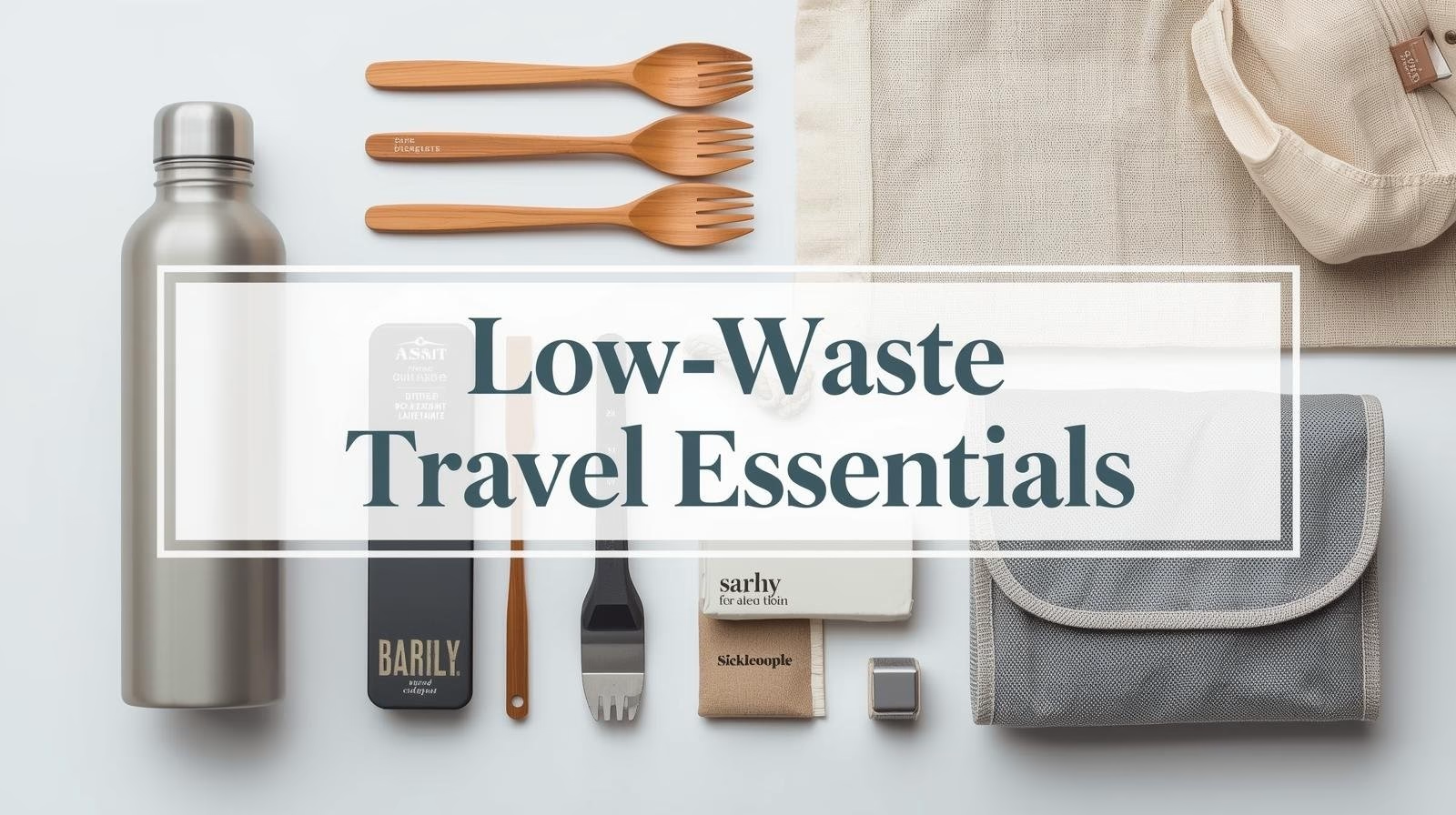

Most travel plastic isn't a decision anyone makes on purpose. Hotel toiletries arrive in single-use bottles. The airport shop charges $4 to $6 for a water bottle you can't refill. Gate-side snacks come individually wrapped. Add it up over a week away and a single traveler easily discards a dozen pieces of plastic that never had to exist. A short list of durable swaps removes most of it, and the swaps that matter pack small and cost less over their lifespan than the disposables they replace.
One caveat first: buying a bag of bamboo and organic-cotton travel gear to replace things you already own isn't low-waste travel, it's just a different kind of consumption. Start with what's in the house. Swap items in as your current ones wear out. The point below is which switches actually earn their place in a carry-on, not a shopping haul.
Water and Solid Toiletries Do the Heavy Lifting
The airport water bottle price is a tax on not bringing your own. A collapsible silicone bottle or a narrow hard-sided one clears security empty and fills at the refill stations now standard in most major airports. The TSA rule is only that it be empty at the checkpoint. The habit of emptying before security and filling after becomes automatic within a trip or two. Silicone bottles retain flavors more than stainless steel, so for anything beyond water, a narrow stainless bottle is the better long-term pick.
Solid toiletries remove the liquids problem entirely. A shampoo bar roughly equal to a 250 ml bottle weighs about 60 to 80 grams, skips the zip-lock bag, and can't be confiscated or spilled. One bar typically outlasts the bottle it replaces, since it isn't mostly water, so the swap saves packaging and money at the same time. The old complaint about bars leaving hair waxy came from soap-based formulas; bars built on a surfactant base perform close to liquid shampoo, though some hair types go through a one-to-two-week adjustment. Toothpaste tablets do the same for a tube: a 60-tablet tin covers a two-week trip and fits a shirt pocket. The texture is different, which is the only reason they aren't for everyone.
Snacks, and the Items Not Worth Buying

Airport and station food produces a striking amount of packaging per calorie: a wrapped granola bar, a foil-lidded yogurt, a plastic fork from the salad counter. Packing snacks from home in reusable silicone bags handles most of it. They're TSA-compliant for dry contents; anything that reads as a gel or liquid still follows the 3.4-ounce rule. If you check the current list in the TSA's guide to what you can bring through security, dry snacks pass without issue. On a long-haul flight where you genuinely can't pack enough, choosing a few larger items over many wrapped ones still cuts waste meaningfully.
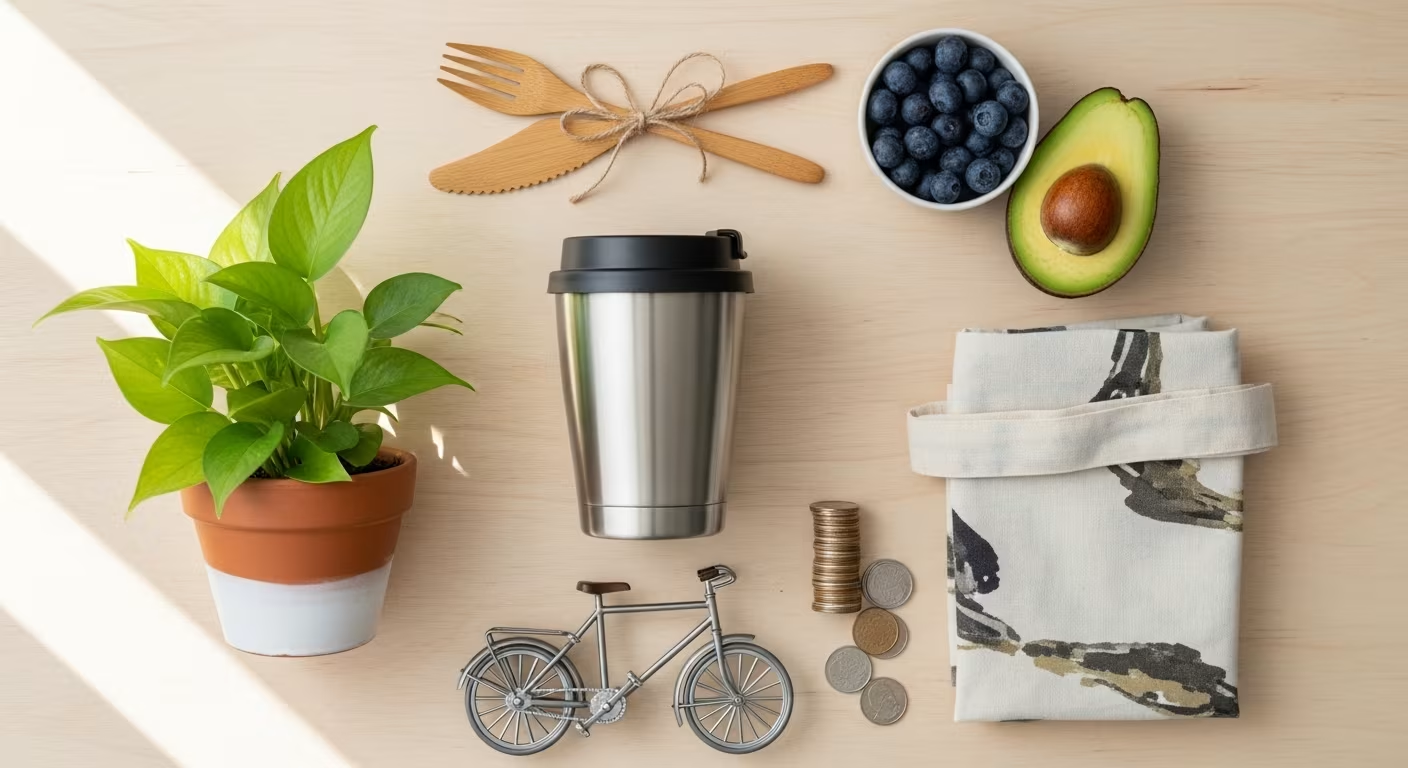
Some things in the eco-travel aisle aren't worth the money. Bamboo cutlery sets only help if you eat off disposable plates regularly, which most travel doesn't involve. Beeswax wraps that work beautifully at home soften and stick to everything in a warm bag; silicone handles the same jobs in transit. And "eco" sunscreen or insect repellent that drops the standard active ingredients often performs worse at the actual job. Protecting yourself from sun and insect-borne illness is the priority; the packaging format matters far less than getting that part right.
Packing It, and Getting Through the Hotel
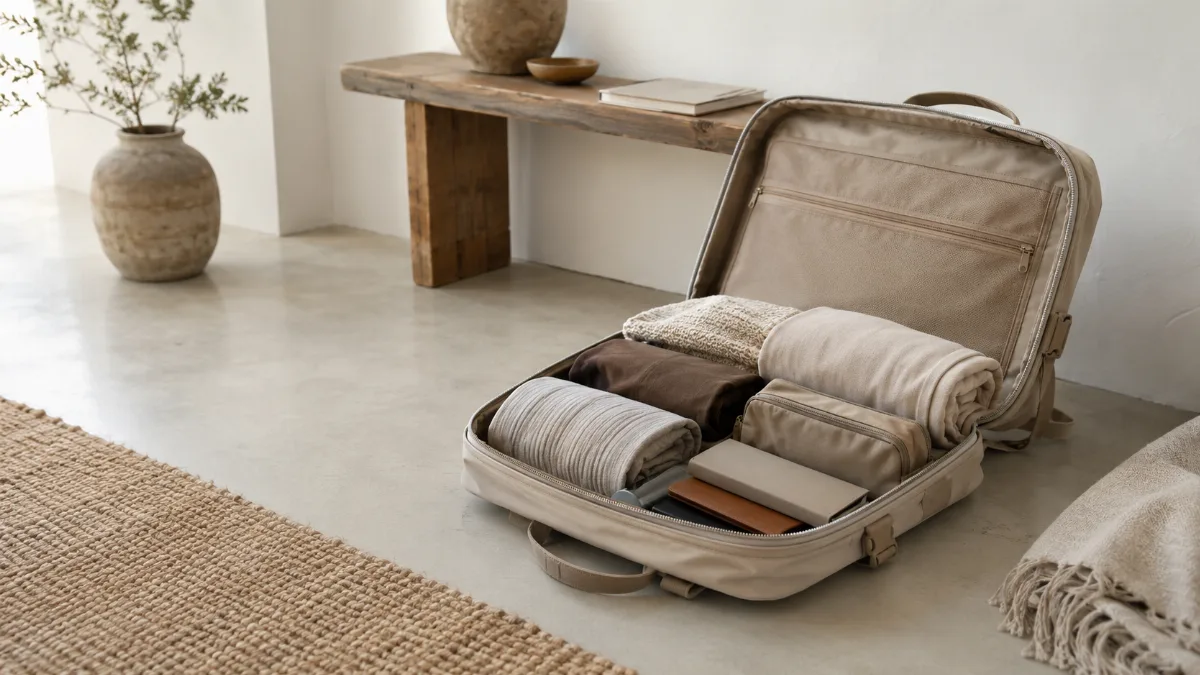
The test every reusable travel item has to pass: it can't add real weight or bulk over what it replaces. A silicone bag weighs about what the disposable bags did and collapses flat. A shampoo bar is lighter and smaller than a travel-size bottle. A collapsible bottle runs 80 to 100 grams and packs flat. None of this needs a dedicated eco-travel cube; the items go in with everything else.
Hotels are one of travel's most reliable sources of single-use waste: toiletry bottles swapped daily, wrapped amenities most guests never open, plastic-sheathed drinking glasses in some markets. You don't control what the hotel stocks, but you control what you use. If you've brought your own soap and bars, leave the supplied ones untouched and ask housekeeping not to replace them. Most hotels now offer an opt-out on daily housekeeping for multi-night stays, which cuts laundry energy and amenity waste at once. Where tap water is safe, use the real glass and rinse it rather than the wrapped one.
It's also worth being skeptical of the labels. "Natural," "eco-friendly," and "plastic-free" aren't regulated terms in most markets; they describe positioning, not verified performance. The most reliable signal of a product's real footprint is its durability and how little packaging it carries. A reusable item built to last three years beats a "natural" single-use one on nearly every measure. If you change one thing this trip, bring a bottle and fill it after security; it costs nothing when you already own the bottle and removes the single most common piece of travel plastic on day one.
Sources and verification
Check current details with these primary or subject-authority sources before acting on the information.
Pack-weight and rule numbers:
| Item | Number | Note |
|---|---|---|
| Shampoo bar | 60–80 g ≈ a 250 ml bottle | no zip-lock, cannot be confiscated |
| Toothpaste tablets | 60-tab tin = two weeks | fits a shirt pocket |
| Collapsible bottle | 80–100 g, packs flat | airport water: $4–$6 saved per refill |
| TSA line | dry contents fine; gels/liquids follow 3.4 oz | — |
Comments
No comments yet.