
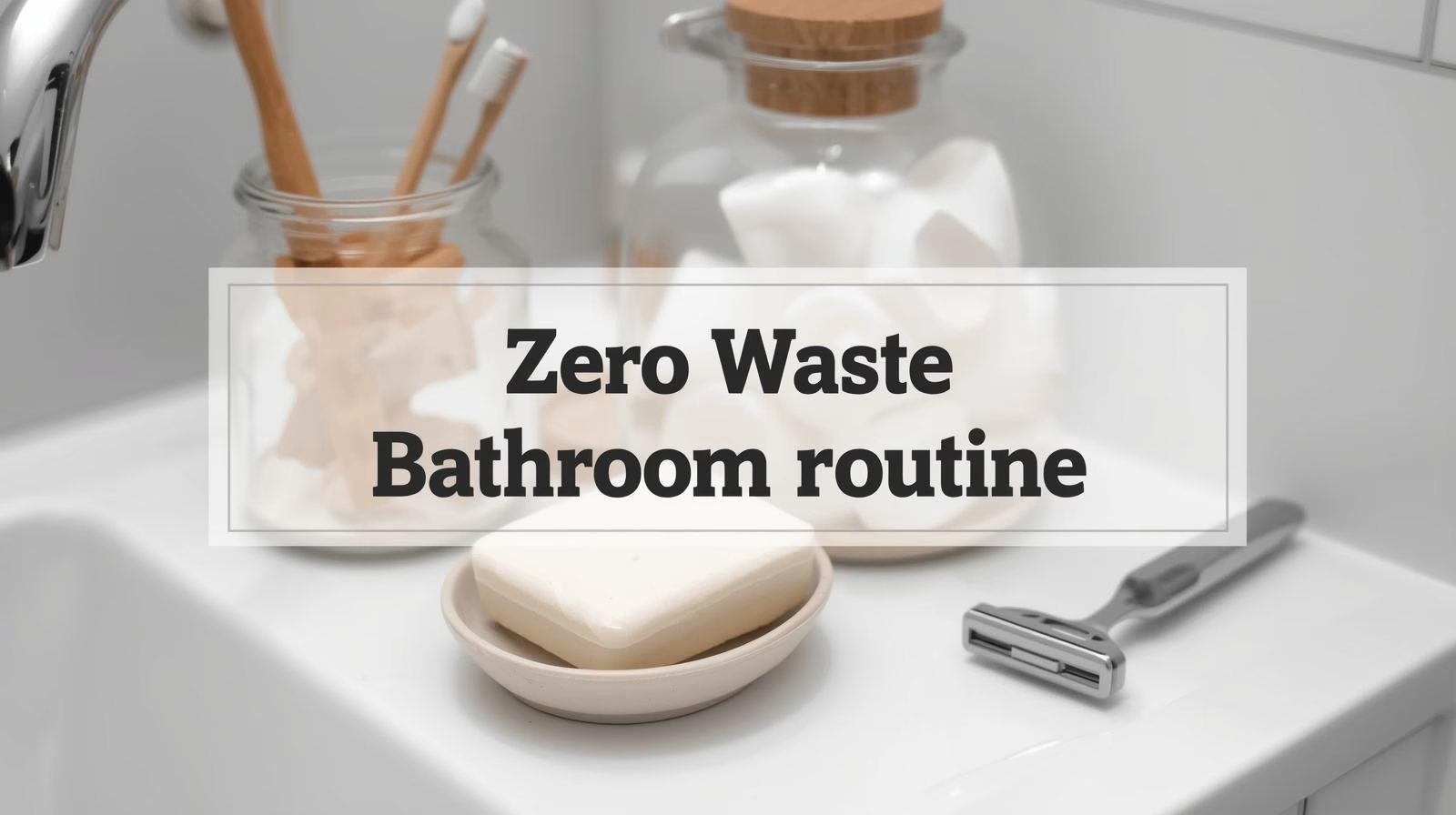

A standard bathroom runs a quiet, steady output of plastic: shampoo and conditioner bottles, body wash, toothpaste tubes, disposable razors, cotton-swab sticks, contact-lens blisters, and the shrink wrap around most of it. From one small room it adds up to dozens of plastic items per person every year.
The reflex on noticing this is to bin the lot and start over with sustainable versions. That reflex backfires. Throwing out half-used products to replace them with greener ones wastes what you already paid for and only changes the date the plastic enters the waste stream. The approach that actually reduces waste is duller and better: finish what you own, and replace each item once — as it runs out — with a lower-waste alternative.
Why the Bathroom Is the Easiest Room to Start
The bathroom's plastic problem sits in a handful of repeat-purchase categories: body cleaning, dental care, hair care, and single-use tools. That makes it far more tractable than, say, the kitchen, where cutting waste means renegotiating how you shop and eat. Here the problem is mostly packaging — the same jobs done by the same kinds of products, just in a different form.
That's what makes progress measurable. Swap the shampoo bottle for a bar. Swap the disposable razor for a safety razor. Swap the plastic toothbrush for bamboo. Each change is discrete, reversible if it doesn't suit you, and requires changing nothing else about your routine. The bathroom has one more thing going for it: you usually control it outright. Shared-household decisions are harder to move; what you personally use in the shower is entirely your call.
The Toothbrush and Toothpaste Swap
The American Dental Association recommends replacing a toothbrush every three to four months — call it four per person a year, each destined to outlast you by centuries in a landfill. A bamboo toothbrush swaps the persistent part for a handle that composts (industrially, or slowly at home), while the nylon bristles still need disposal. The handle is where the win is: four compostable handles a year instead of four indestructible ones. Cleaning performance is identical, since the bristles are the same material — the only real difference is what the handle is made of.
Toothpaste tablets replace the tube, which is notoriously hard to recycle because of its mixed-material construction. A tin or compostable pouch of 60 to 120 tablets covers one to two months. You chew one, it foams with saliva, and you brush as normal. The texture takes a few days to get used to and the result cleans the same; not everyone loves them, and conventional paste is always there to go back to, but for anyone who finds the switch easy the packaging saving is real.
Shampoo and Conditioner Without Bottles
A solid shampoo bar typically outlasts two to three bottles of liquid, weighs under 100 grams, and ships with little or no packaging. The reason is concentration: liquid shampoo is mostly water, while the bar is essentially just the active ingredients — you stop paying to freight water around the country the way the bottled version does.
The transition is real for some hair types. Over the first week or two on a bar, oil production readjusts and hair can feel heavy or waxy in the meantime. That's chemistry settling, not the product failing, and it passes. Hard water makes it worse; a diluted apple-cider-vinegar rinse — about a tablespoon in a cup of water, poured over after washing and rinsed out — clears the mineral buildup that causes it. Not every formula suits every head, so buy one small bar to test before committing to a multipack. Conditioner bars are hit-or-miss in a way shampoo bars aren't, since the leave-behind slip of a rinse-out conditioner is hard to reproduce in solid form; a larger refillable bottle is a fair middle ground if the bar doesn't work for you.
Razors, Cotton, and Single-Use Tools

Disposable and cartridge razors are among the worst offenders per unit. A safety razor — the old double-edged design — takes replaceable blades that are fully recyclable metal, on a stainless-steel handle that lasts effectively forever. The blades run a fraction of cartridge prices, often 10 to 30 times cheaper per shave depending on brand. The catch is a short learning curve: a safety razor wants a lighter touch and a slightly different technique — no pressure, let the head's weight do the work, short strokes. Give it two to three weeks; it's cheaper and lower-waste from then on.
Reusable cotton rounds replace disposable pads for makeup or toner. A set of 20 washable rounds launders and reuses hundreds of times, costs less over a year than a monthly run of disposables, and goes in the machine in a mesh bag so they don't disappear in the wash.
Body wash is the quietest win of the group. A bar of soap does the same job with no bottle at all, lasts longer than a comparable bottle of gel, and — like shampoo — isn't diluted with water you're paying to ship. Store it on a draining dish rather than a flat ledge and it lasts noticeably longer, since a bar that sits in its own puddle turns to mush in a week. Cotton swabs are a smaller item with the same logic: versions built on a rolled-paper or bamboo stem cost about the same as the plastic-stemmed kind and skip the sliver of plastic that never recycles and too often ends up in the water system.
| Conventional item | Lower-waste swap | Payoff |
|---|---|---|
| Plastic toothbrush | Bamboo handle | 4 compostable handles a year instead of 4 plastic |
| Toothpaste tube | Tablets in a tin or pouch | 60–120 tablets cover 1–2 months; recyclable packaging |
| Liquid shampoo bottle | Solid shampoo bar | One bar replaces 2–3 bottles |
| Cartridge / disposable razor | Safety razor with steel blades | Blades 10–30× cheaper per shave |
| Disposable cotton pads | 20 washable cotton rounds | Reused hundreds of times |
The Realistic Timeline
A full bathroom transition, done one empty container at a time, takes most people about three to six months — and that pace is the feature, not a compromise. Using things up before replacing them means nothing gets wasted and nothing changes all at once. There's no correct order, either: the first swap to make is simply whichever product is closest to running out right now, and you continue from there.
One thing worth watching is price. Safety razors and solid bars from zero-waste or refill shops often undercut mainstream retail for the equivalent product, so once you know what works, restocking through those channels can cost less than the single-use version it replaced. The upfront cost runs the other way, though — a safety razor handle or a starter set of cotton rounds is a one-time outlay of a few dollars more than the disposable it replaces, and it only pays back over months of use. Budgeting for that as replacements come due, rather than buying everything at once, keeps the switch from feeling like a sudden expense. If you're clearing out the cabinet as you go, this list of clutter items to toss guilt-free pairs well with the swap sequence.
What Isn't Worth Swapping
Not every bathroom item has a good plastic-free version, and pretending otherwise wastes money on things that underperform. Contact lenses and their solution generate real packaging waste, but there's no meaningful alternative for someone who needs vision correction and prefers lenses to glasses — wear glasses when you can, use lenses when you need them, and accept the rest.
Sunscreen is similar effective SPF needs specific active ingredients that mostly ship in plastic tubes, and only a few mineral formulas come in low-packaging push-up sticks. For daily protection, packaging matters far less than efficacy, so never trade down SPF to save a tube. Medications and medical supplies aren't up for debate at all — if something needs a prescription or medical supervision, its container is not the deciding factor.
The honest version of bathroom zero-waste most people can cut their plastic here substantially inside six months using the sequence above, but zero plastic isn't a realistic near-term target for most bathrooms. Treating it as one invites the all-or-nothing collapse that stops people from making any progress at all. Aim for a steadily emptier recycling bin, not a perfect one.


Comments
No comments yet.