

Not every decluttering decision needs soul-searching. Some things have plainly finished their useful life, and the only reason they are still in the house is inertia — the small friction of deciding and then acting. The 21 items below do not require deliberation. They can leave today.
None of these carries real sentimental weight, which is what makes them the right starting point. Clearing the easy things first builds momentum and frees up visible space fast, so the harder calls later feel less daunting. Set a single box or bag by the door and fill it as you move room to room; most of this list can be handled in an afternoon.
Kitchen: seven easy exits
The kitchen is where duplicates and single-purpose gadgets breed fastest, so it is the most productive room to start. Seven categories clear out quickly:
1. Duplicate tools. Most kitchens hold two or three of something identical — three wooden spoons, two peelers, four spatulas. Keep the best of each and release the rest.
2. Containers without lids. The orphaned base or lidless tub serves no function. Ten minutes of matching clears the whole category; whatever has no partner goes.
3. Appliances unused in a year. The bread maker that made two loaves, the juicer from the juice phase, the ice cream maker used once. If twelve months have passed, the next twelve are unlikely to differ. Donate these — they still work for someone.
4. Stale pantry items. Canned goods more than three years past their best-before date, and spices older than two to three years, have lost most of their flavor and potency. The old jar of paprika is mostly red dust.
5. Excess reusable bags. Almost every household has more tote and grocery bags than it could use at once. Keep five to eight; donate the rest.
6. Single-use gadgets. The avocado slicer, strawberry huller, mango splitter, cherry pitter — a decent chef's knife does all four jobs.
7. Chipped mugs and dishes. A chipped rim is a genuine cut risk, so these get discarded rather than donated. A cupboard of eight mismatched mugs for a household of two can drop to what actually gets used.
Bathroom and medicine cabinet: five more
Bathroom clutter is mostly expired or half-used product, which makes these the easiest calls in the house — nothing here has a story attached. Pull everything from the cabinet and under the sink at once, and check dates as you go.
8. Expired medications. Many pharmacies run take-back programs for safe disposal — a better route than the trash, and never the drain. Check dates and clear anything degraded.
9. Unused samples. Hotel toiletries, subscription-box sachets, the "free with purchase" tube tried once. If it has sat unused for three months, it will keep sitting. Donate sealed items; toss opened ones past their prime.
10. "Grout" toothbrushes. The three or four old brushes stashed under the sink for cleaning that never happens. Keep one; the rest go.
11. Backup beauty products. The foundation shade that was slightly off, the shampoo that did not suit your hair. Use it, give it away, or bin it — a backup held for a year is just clutter with a story.
12. Expired sunscreen. SPF degrades after the printed date, so an old bottle is not protection. Replace it before the next sunny stretch.
Paper and digital: four to recycle
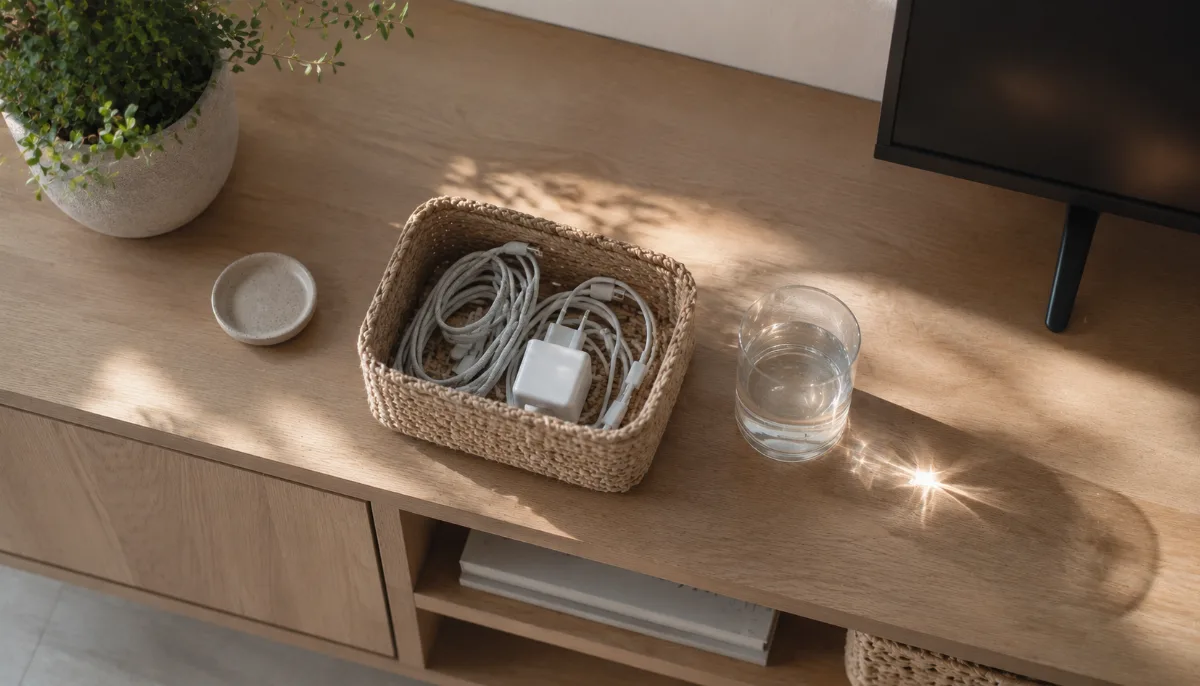
13. Manuals for things you no longer own. Manuals outlive the appliances they came with, and every current one is a free PDF on the manufacturer's site. Recycle the drawer-full.
14. Old magazines and catalogues. Read them, and they have done their job; unread for three months, they will stay unread. The "meaning to get to it" stack included.
15. Receipts past the return window. Most windows close at 30 to 90 days. Anything older goes, except receipts kept for warranty, tax, or reimbursement.
16. Boxes kept "in case." The laptop box, the old phone box, the box for the returned coffeemaker. They swallow closet space and are almost never the right size when you finally need one. The rare exception is a box for something still under warranty that you might resell; everything else recycles.
Clothing and accessories: five to release
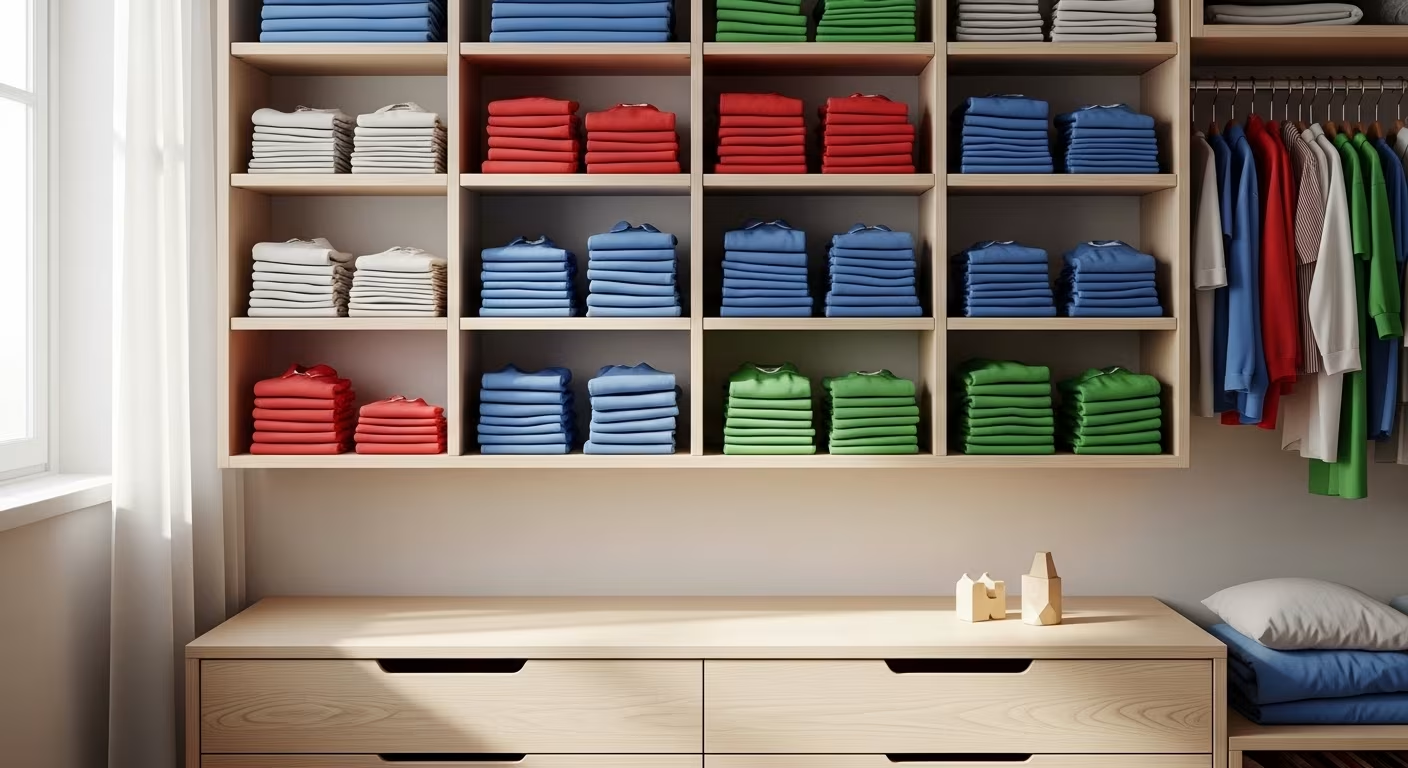
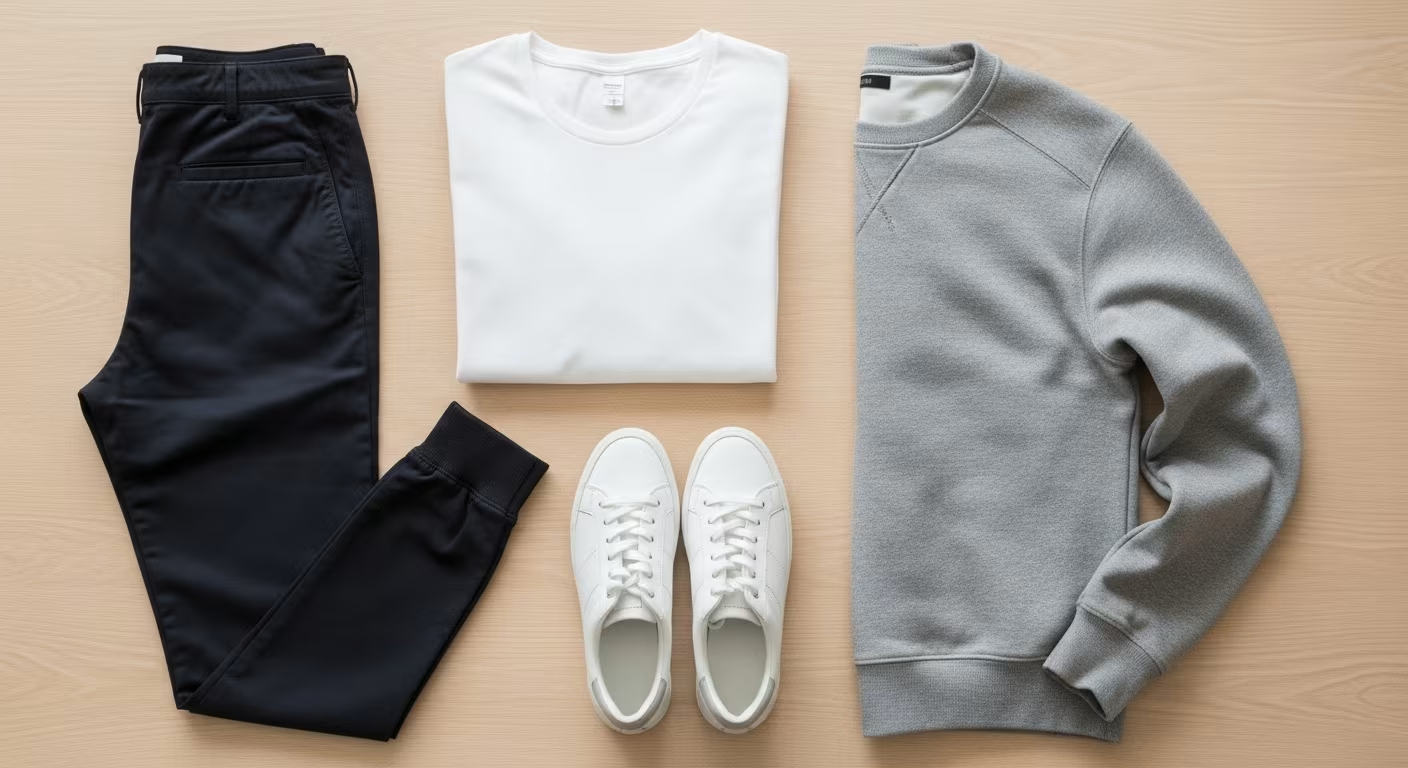
Clothing is where guilt usually slows people down, but these five categories are the low-stakes ones — no favorite sweater or well-earned jacket is on the list. If a piece falls into one of them, it has already told you it is finished:
17. Clothes worn under five times in two years. Not the rare-occasion formalwear — the everyday pieces bought with good intentions and quietly skipped. "I never feel like wearing it" is the answer.
18. Stretched-out socks and underwear. Elastic that has given up means these are finished — rags or trash, not donations.
19. Shoes that hurt. If they have pinched every wear for six months, they will not break in. Donate if they are still presentable, discard if not.
20. Duplicate bags and belts. Past two everyday bags or three belts, check whether the extras do a distinct job or just take up space.
21. Accessories from a past phase. The maximalist statement earrings, the novelty ties, the phase-specific hats. If they remind you of who you were rather than who you are, they are done.
Donate or discard?
The urge to donate rather than trash is a good one — it keeps working items out of landfill. But donation centers absorb real cost sorting and disposing of things that arrive unusable. A simple test: if you would not hand it to a friend, it probably should not go to a donation bin either. The split usually looks like this:
| Donate (working and clean) | Discard or recycle |
|---|---|
| Clothing without stains or tears | Worn-out socks and underwear |
| Appliances in working order | Chipped or cracked dishes |
| Books in readable condition | Stained or torn clothing |
| Kitchenware without chips | Opened cosmetics and toiletries |
| Sealed, unused samples | Anything with mold or pest damage |
Electronics sit in their own lane. Many municipalities run e-waste programs, and manufacturers offer take-back schemes; phones, laptops, and tablets in any condition belong in one of those channels rather than the bin. Wipe personal data first — a factory reset on a phone, a drive erase on a laptop — then hand it over. The EPA's guidance on recycling common household items is a good place to confirm what your area accepts.
On the guilt that keeps things around
The guilt that shadows decluttering has a particular flavor: you paid for this, or someone gave it to you, and letting it go feels like admitting a mistake or brushing off a person. Neither holds up. The mistake was not buying something that turned out unneeded — it is continuing to pay for it in space and attention long after it stopped earning its place. A gift honors the giver through the relationship, not through the object gathering dust in a drawer. Name the item as surplus, and releasing it is cleaner than keeping it indefinitely to manage the guilt of letting go.
Comments
No comments yet.