

Most decluttering happens where it is impossible to ignore: the overflowing closet, the kitchen counter, the spare room that quietly became a storage room. These are the high-friction zones that eventually cross a threshold of annoyance and get dealt with. The spots below are different. They stay packed for years precisely because they are out of sight, or because the brain has filed them under "not really clutter."
They are clutter. They take up space, throw off a low hum of mental noise, and tend to hide duplicates and expired items nobody has looked at in years. Here are five that almost everyone walks past, with a sense of what each one costs in time and what you are likely to dig out.
| Overlooked spot | Time to clear | What you'll typically find |
|---|---|---|
| Medicine cabinet | 20-30 min | Expired meds, duplicate half-used bottles |
| Digital layer | 1-2 hours | Unused apps, thousands of unread emails |
| Car interior | 15 min | Receipts, dead charging cables, loose change |
| Everyday bag | 10 min | Expired cards, old receipts, spare chargers |
| Garage / storage | Half a day | Duplicate tools, gear from a past life stage |
1. The Medicine Cabinet Behind the Mirror
The bathroom medicine cabinet is one of the most consistently neglected storage spaces in the house. It is invisible until the mirror swings open, it collects small items a few at a time over years, and it fills with medications, skincare, and free samples that have sat there long enough to expire.
Do a full audit: pull everything out, check the dates on every medication and product, toss what is expired, match what remains against what you actually use in a daily routine, and consolidate the rest. A cabinet opened up for the first time in several years reliably turns out a surprising haul — expired products, three half-used bottles of the same moisturizer, leftovers from a condition treated and resolved two years ago. Afterward, give the survivors assigned spots rather than sliding them back in loose. A crowded cabinet refills itself unless each category has a defined zone.
Expired medication should not just go in the trash or down the drain. Many pharmacies and police stations run free take-back drop boxes, and a periodic community take-back day handles the rest — a two-minute detour that keeps old prescriptions out of the water supply and out of reach of kids. Bundling that drop-off with the cabinet audit means the expired bottles actually leave the house instead of migrating to a bag under the sink.
2. The Digital Layer on Your Devices
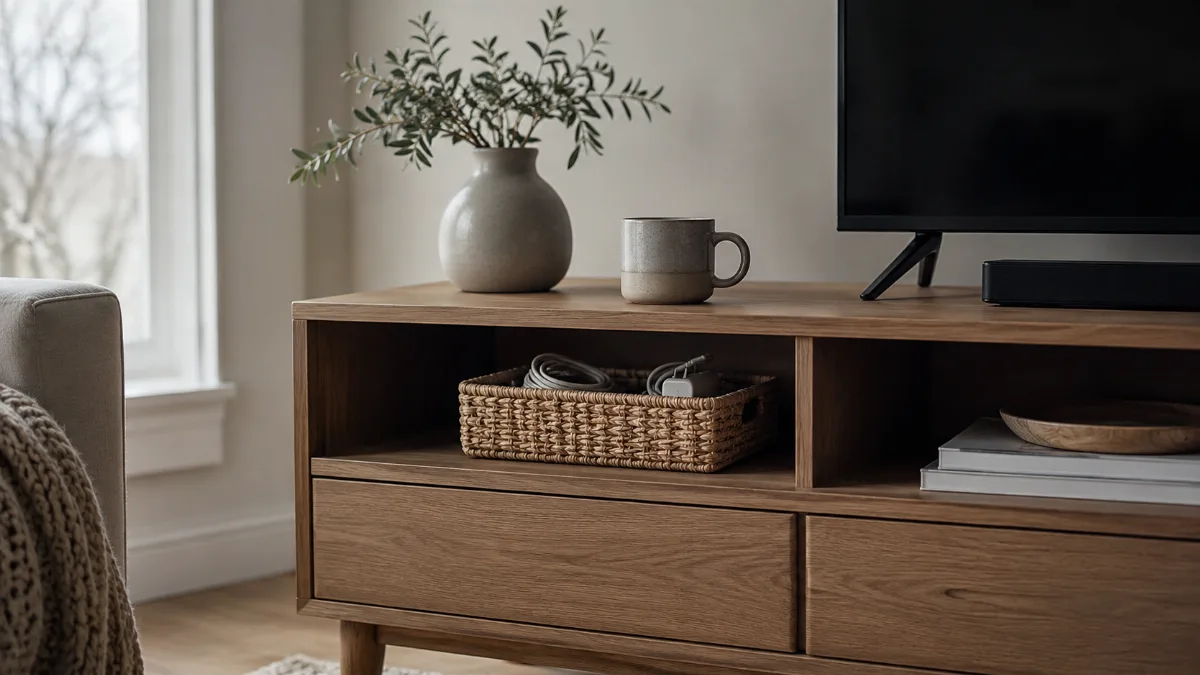
Digital clutter is real clutter, even though it weighs nothing. An inbox with 4,000 unread emails is a standing cognitive load. A phone with 200 apps, most of them untouched, throws visual noise at you every time you scroll. A laptop desktop buried in files is functionally identical to a physical desk buried in paper — finding anything takes longer, and the mess radiates a low background sense of disorder.
Give it one focused hour. On the phone: delete every app you have not opened in the last 30 days, arrange the home screen around the handful used daily, and push the rest into folders. Clear out photos already backed up to the cloud — they are not gone, just no longer eating local storage. On email: run a single bulk archive, then unsubscribe from every newsletter that arrived in the past month and went unread. That pass takes under an hour and keeps the inbox quieter for months.
3. The Car Interior

Cars collect debris at a remarkable rate: receipts, parking stubs, loose change, forgotten grocery bags, cases holding broken sunglasses, crumpled napkins, charging cables for phones you no longer own. The interior is out of sight while you are home and out of mind while you are driving, so it reaches a high level of accumulation before it ever prompts action.
A clean-out takes about 15 minutes and pays off instantly. Hit the specific traps: the door pockets full of receipts and wrappers, the console packed with cables and coins, the glove box holding expired insurance slips and the manual for a car you sold, and the floor behind the seats. Most cars need a small standing kit and nothing more — one reusable bag for grocery runs, one cable for the current phone, the current registration and insurance, and maybe one emergency item. Everything past that is just accumulation riding along.
4. The Wallet, Purse, or Everyday Bag
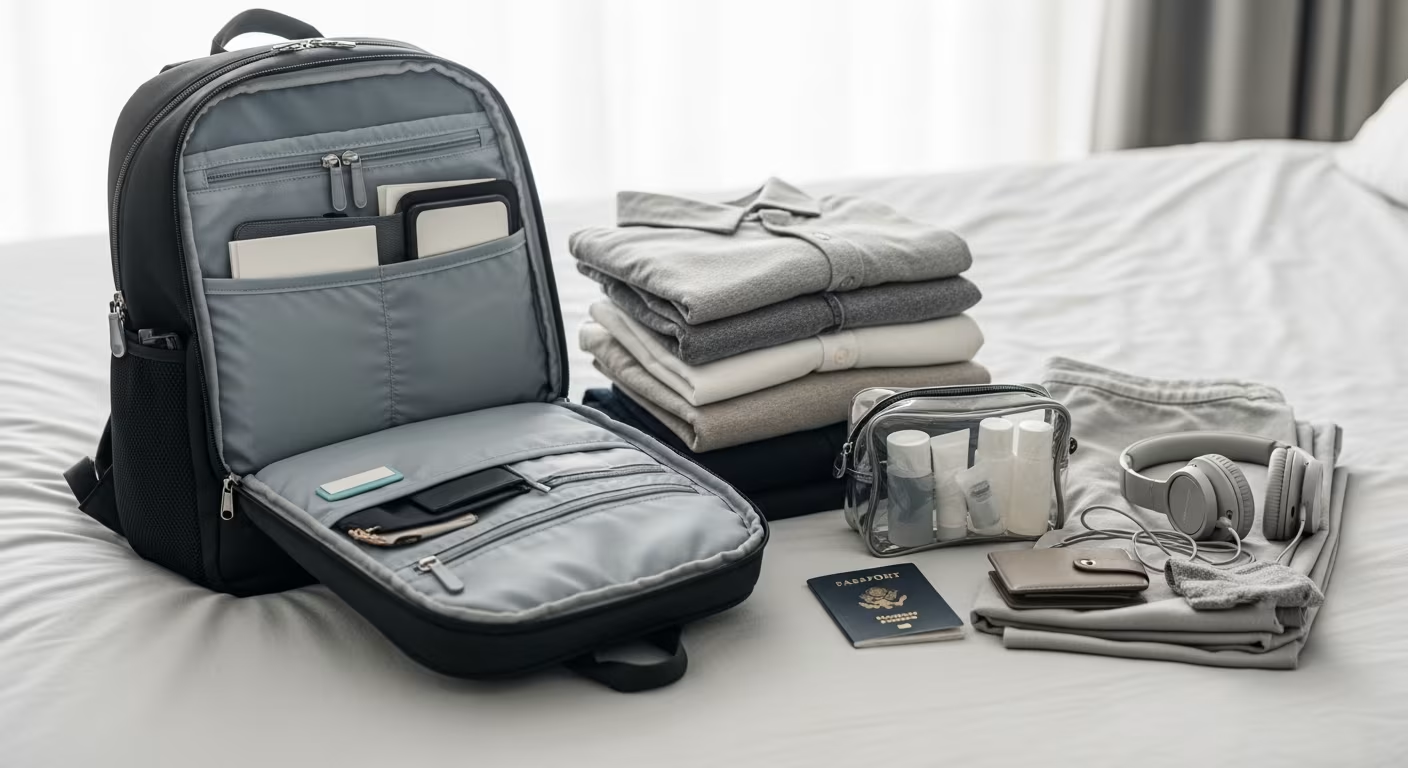
The everyday carry breeds its own micro-clutter: receipts, dead loyalty cards, expired coupons, business cards from people you cannot place, a spare charger or two, loose change, a backup phone that never actually backs anything up. These build up because the bag gets used every day and audited almost never.
Give it ten minutes. Empty it completely, bin the receipts past their useful life and any card or coupon that has expired, and consolidate the duplicates — the loyalty cards and rarely-used credit cards that live in the bag could live in a drawer and get grabbed only when needed. Then check that everything left is something you genuinely need on every trip out the door. The honest standard carry is lighter than most people expect: phone, keys, a wallet holding only what gets used, one charging cable, and whatever that specific day actually calls for. If you want to dig deeper, the University of Minnesota Extension's home-organization guidance is a good starting point.
5. The Garage or Storage Unit
The garage and any external storage are where things land when their spot inside the house gets contested, and where they then stay — sometimes for a decade — under the banner of "I might need that." For a lot of homes the garage has quietly become an auxiliary room full of items that were never actually decided on, as opposed to things deliberately stored.
Run a structured audit: sort everything into categories — tools, sports equipment, seasonal items, car supplies, genuine storage — and within each one flag whatever has not been used in the last two years. A circular saw used twice in ten years and a bike untouched since the last apartment are candidates for rehoming regardless of what they cost new. Duplicate tools are worth cutting too; two of everything is rarely necessary for a home user, and a shelf of backups that could be borrowed or rented more cheaply than stored eats real floor space for no daily return. Watch especially for the gear of a past life stage — kids' bikes for kids now in college, camping equipment from a phase five years gone. Those items are large, they hold prime floor space, and they stay out of inertia rather than intention. If seasonal clutter is your weak point, the same logic applies to the boxes that only come out once a year; see our guide to decluttering seasonal items.
Keeping the Overlooked Spots From Refilling

The reason these five spots stay packed is the same reason they refill: nobody sees them day to day, so nothing triggers a reset. The fix is to attach each one to something you already do on a schedule. Clear the car when you fill the tank. Audit the bag when you do the weekly wallet-and-keys reset. Run the medicine cabinet check when the seasons change and you swap out other bathroom stock. Tie the invisible task to a visible routine and it stops depending on a burst of motivation that may never come.
One habit covers the smaller spots at once: a single outbox — a box or bag where anything on its way out of the house gets dropped the moment you notice it. When it fills, it goes to donation or the trash in one trip. That continuous exit is what stops the wallet, the car, and the cabinet from quietly rebuilding to their old state between the occasional deep clean. Pick the spot that bothers you most, give it its fifteen minutes this week, and let the routine carry the rest.
Comments
No comments yet.