


The problem with "declutter the house" as a goal is that it has no edges. It's too large to start without knowing where to begin, and too vague to feel done when you stop. A 30-day challenge with a specific area assigned per day solves both: you know exactly what you're doing today, and when the time's up, you know you're finished.
The plan below covers a full home, from the kitchen through digital clutter, in daily sessions of 30 to 60 minutes. Some areas go faster; a few warrant extra time. The sequence moves from easy wins early, where motivation is highest, to harder areas mid-month, where momentum carries you through, to sentimental and digital items at the end, where three weeks of practice makes the tough calls easier.
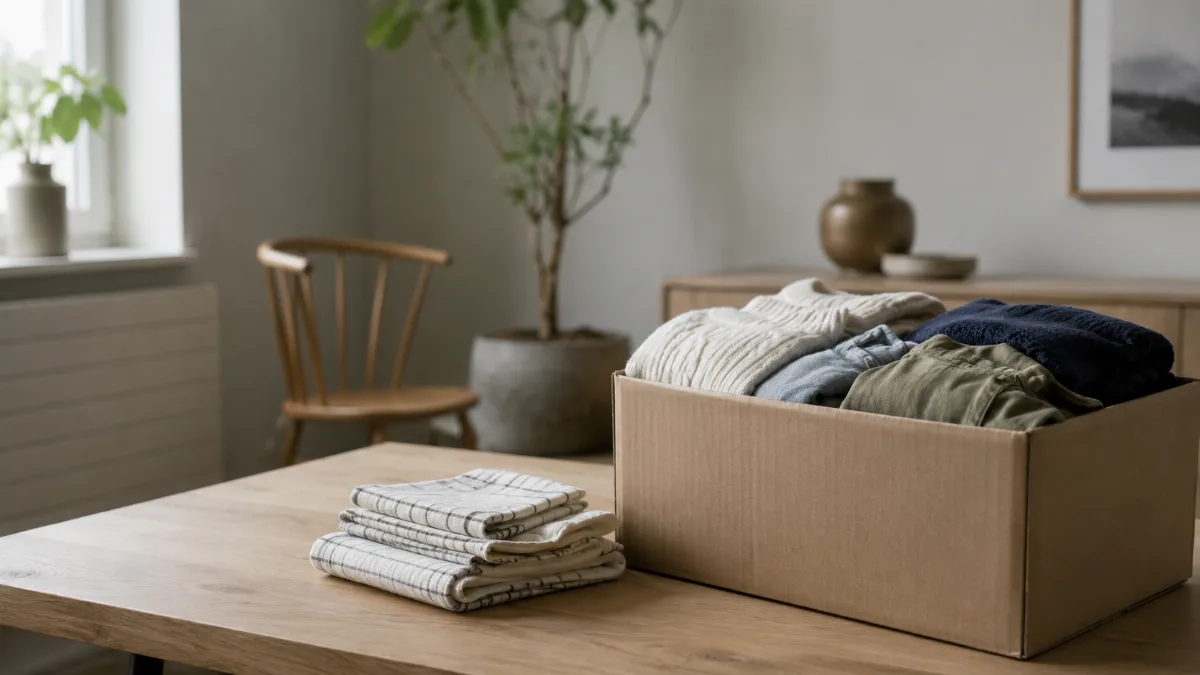
Before Day 1, set up the machinery once so no session stalls looking for it: a donation box by the door, a bag for genuine rubbish, and a small "decide later" bin that gets a hard deadline on Day 30. Keeping the same three destinations for every session is what lets a 30-minute block stay a decision exercise rather than a hunt for supplies.
Week 1: Kitchen and Entry
Day 1: Junk drawer. Empty it completely. Keep pens that actually work, batteries you know are charged, scissors, tape, and whatever you reach for reliably. Discard or relocate everything else.
Day 2: Kitchen gadgets and tools. Single-use gadgets that duplicate what a knife or standard tool does; duplicate tools you have three of. Keep the best version, donate the rest.
Day 3: Pantry — expired and forgotten items. Everything past its date, everything bought for one recipe and never used again, the back-of-shelf items that have been there two years.
Day 4: Tupperware and food storage. Match lids to containers. Any container missing its lid, and any lid missing its container, is gone.
Day 5: Mugs and glasses. Count what you actually need. Four mugs for two coffee drinkers is plenty; eight for one person who uses the same one every day is surplus.
Day 6: Entry and mudroom. Shoes piled without a home, bags you no longer use, coats from a previous climate, umbrellas that don't close properly.
Day 7: Reusable bags and grocery bags. Keep what's needed; donate the rest. Most households accumulate more bags than they could ever use at once.
Week 2: Living Areas and Bedroom

Day 8: Bookshelf. Books you've finished and won't return to, books you've had three years without opening, duplicates bought before you found the copy you already owned. Keep the ones you'll reread or genuinely reference.
Day 9: Media — DVDs, CDs, games. Physical media largely replaced by streaming; hold only what can't be replaced digitally or is genuinely used regularly.
Day 10: Decor — surfaces and shelves. One pass through decorative items. Each object either earns its place (you notice it, it means something) or it's background noise adding visual clutter.
Day 11: Nightstand. The items that have accumulated on and in the nightstand that don't serve sleep or the first and last ten minutes of the day.
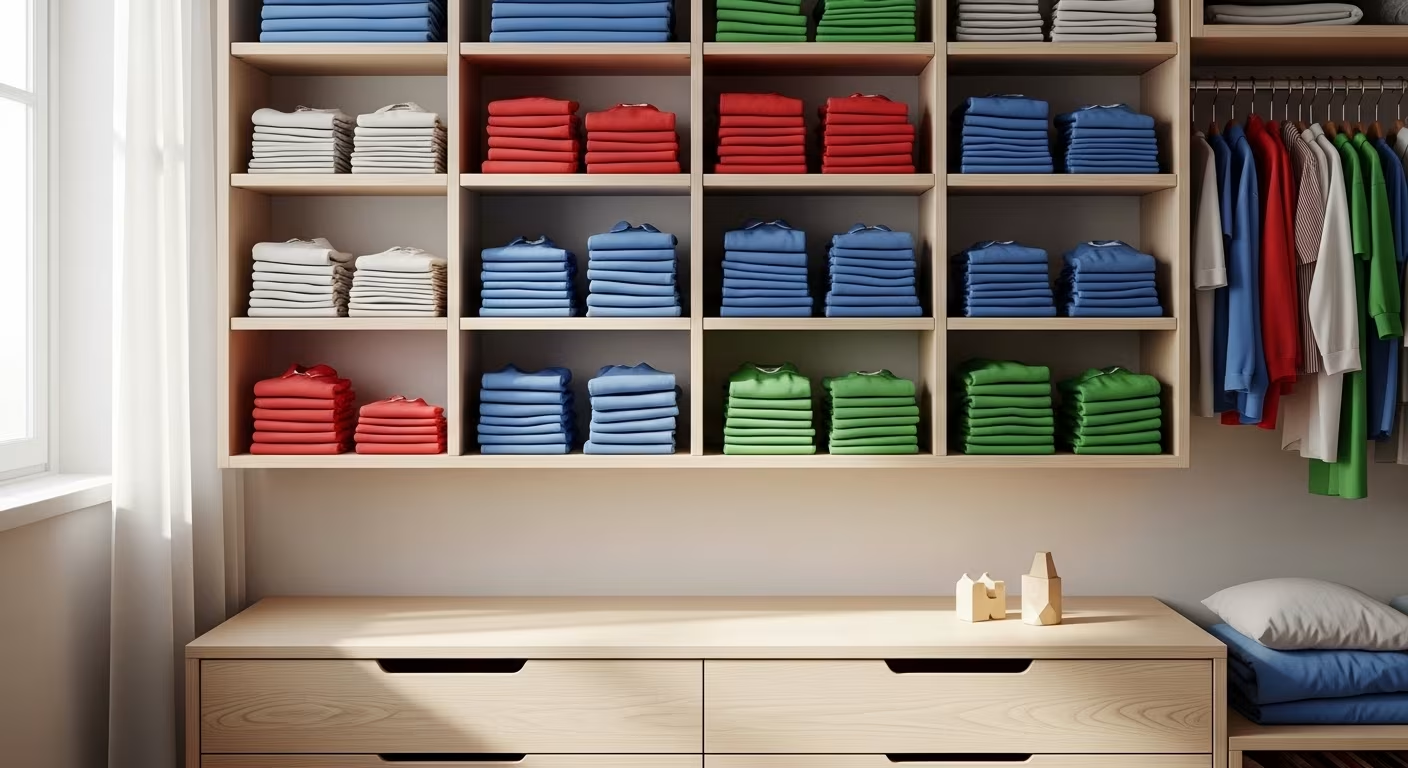
Day 12: Clothing — shirts. The too-small, the never-worn, the duplicates, the styles that no longer match how you dress.
Day 13: Clothing — bottoms and outerwear. The same pass for trousers, shorts, and jackets.
Day 14: Clothing — shoes and accessories. Shoes that hurt, shoes unworn in two years, accessories from a style phase that's behind you.
Week 3: Bathrooms and Home Office
Day 15: Medicine cabinet. Expired medications (dispose of them properly), old prescriptions no longer needed, samples unused for more than three months.
Day 16: Under the bathroom sink. Cleaning supplies, extra products bought and then never used, duplicates.
Day 17: Bathroom towels and hand towels. Keep what stays in regular rotation; donate surplus in good condition, retire worn-out ones as rags.
Day 18: Linen closet — sheets and bedding. One to two sets per bed. Sheets for a previous mattress size, decorative pieces that never appear, orphan pillowcases from long-separated sets. Penn State Extension is a good place to verify the details.
Day 19: Desk and office supplies. Pens that don't write, outdated supplies, reference materials for finished projects.
Day 20: Paper files. Keep current financial records, legal documents, and insurance papers. Shred outdated statements, paid bills older than your tax retention period, and receipts past their useful window.
Day 21: Cables and electronics. Every cable without a current device, chargers for phones replaced years ago, redundant adapters, earphones with a dead driver.
Week 4: Storage, Sentimental, Digital
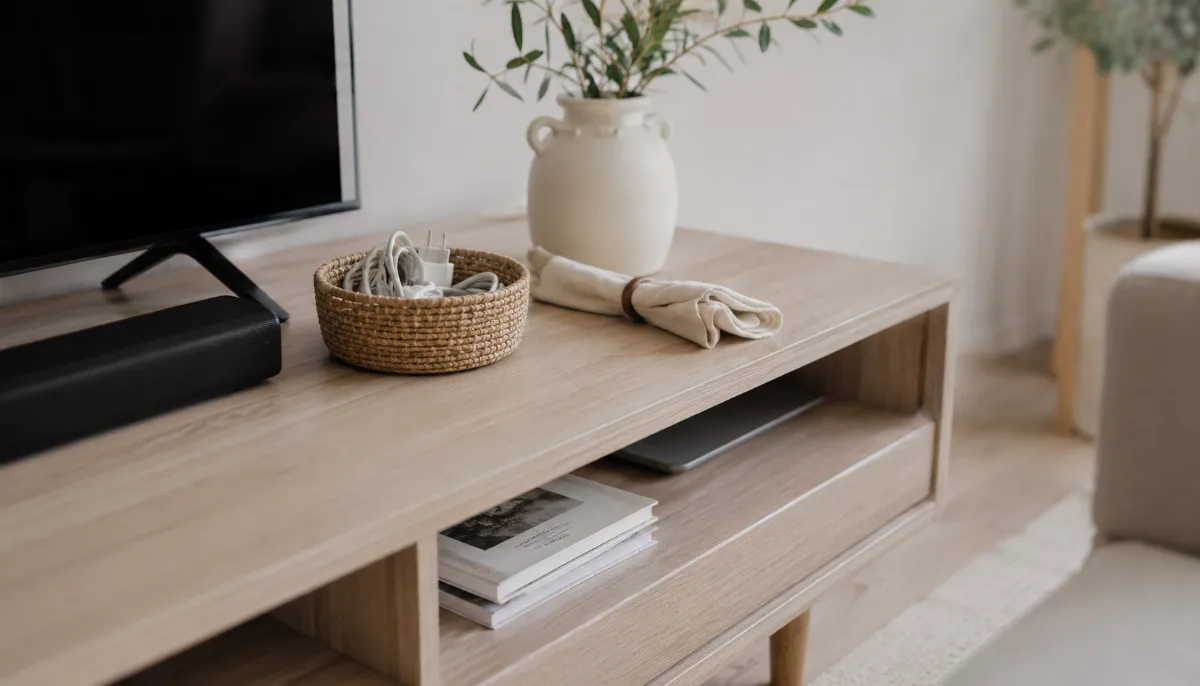
Day 22: Hall closet. The miscellaneous closet where things go to wait indefinitely. Guest items that don't match any bed, games with missing pieces, sports equipment for one person in a household of four.
Day 23: Garage or storage — tools. Duplicate tools, tools in non-working condition, tools for a previous home's needs that don't apply now.
Day 24: Garage or storage — seasonal items. Outdoor gear unused in two summers, holiday decor that didn't come out last year.
Day 25: Kids' items (if applicable). Outgrown toys, games for younger ages, sports gear from activities stopped a year or more ago.
Day 26: Sentimental items — mementos. One box. Everything that didn't fit gets evaluated: photograph it instead of keeping the object, pass it to a family member, or admit it's obligation rather than genuine attachment.
Day 27: Sentimental items — gifts. Any gift kept from obligation rather than use or real attachment. The relationship isn't in the object.
Day 28: Phone — apps and photos. Delete unused apps, photos already backed up to the cloud, screenshots no longer relevant.
Day 29: Computer — files and email. Old downloads, duplicate documents, email subscriptions unread for more than three months.
Day 30: Anything remaining. The item you set aside on Day 3 because you weren't sure. The donation bag that still hasn't left. The decision you deferred. Day 30 is closure: finish the open items.
See also: how to declutter before a move and the 5-minute daily declutter using the SORT method.
When the Challenge Reveals Something Bigger
A 30-day challenge surfaces two kinds of information. The first is clutter itself: the excess items that leave across the month. The second is patterns — the categories that keep producing clutter, the areas that refill fastest, the systems that don't work because they were never quite right.
Day 1's junk drawer might reveal there's no designated place for tools, which is why tools migrate there: the "tool problem" is actually a storage problem. Day 14's shoe audit might reveal the entryway has one hook and four people, which is why shoes pile instead of hanging — not a decluttering problem but a storage-design one.
The challenge is most useful as a diagnostic as much as a decluttering method. What appears every time you work a given area? What would a structural change — adding a hook, designating a shelf, buying a container for one specific item — prevent better than a periodic clear-out?
Continuing After Day 30
Most homes aren't finished at Day 30. The challenge covers every area at least once, but not thoroughly. Day 3 in the pantry removes what's obviously expired; a full pantry audit takes longer than one session. Day 21 handles cables, but the garage's electronic graveyard may warrant its own afternoon.
The value of the 30-day structure is establishing the habit of daily sessions and proving that an area can be handled in a finite time. Once you've been through the whole house, the zones that still feel crowded are obvious, and a second pass — this time without the daily clock — can go deeper where it counts.
Many people who complete the challenge find they need a second round through the harder categories — sentimental items, clothing, the garage — where the first pass was quick and the real work got deferred. The first round builds the confidence; the second round does the heavy lifting. Pick the single area that nagged you most this month and start there next weekend.
The setup and the shape:
| Element | Spec |
|---|---|
| Session size | 30–60 minutes, one named area per day |
| Before day 1 | donation box by the door + trash bag + relocate basket |
| Why fixed destinations | keeps sessions decision-only |
| Week 1 starts | junk drawer — fast wins first |
Comments
No comments yet.