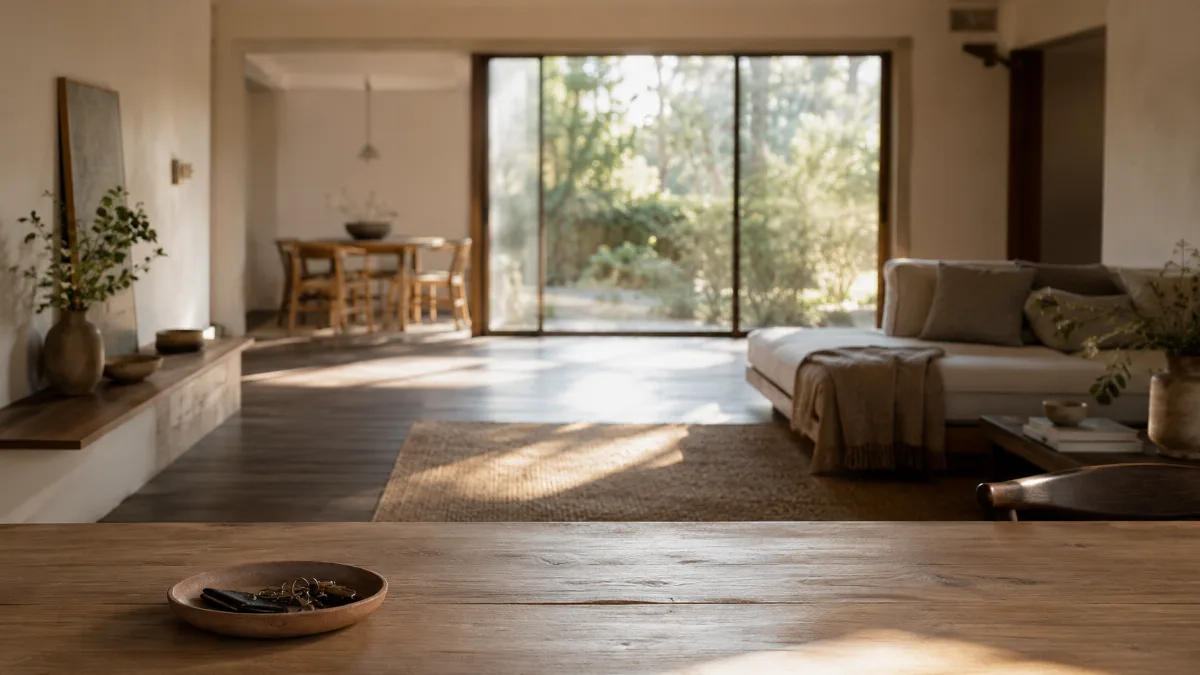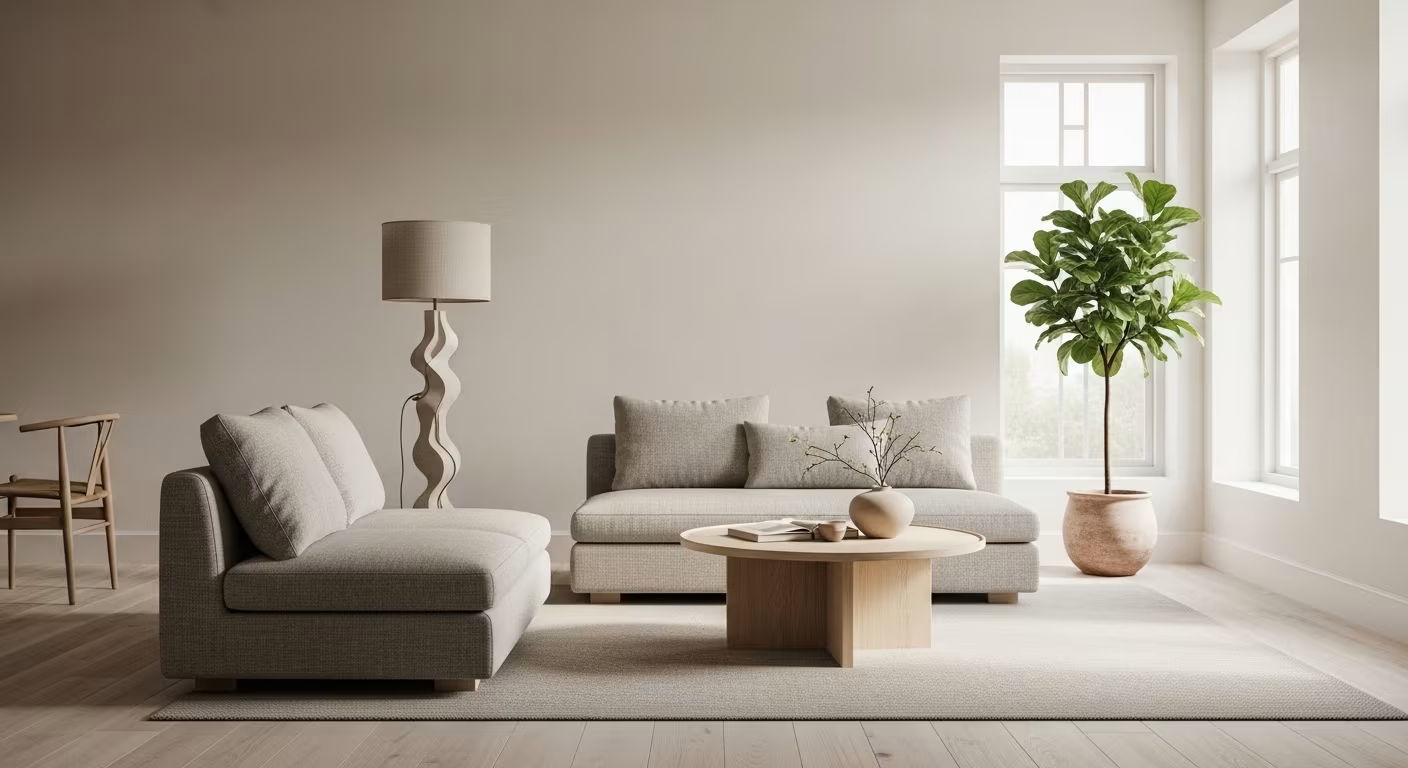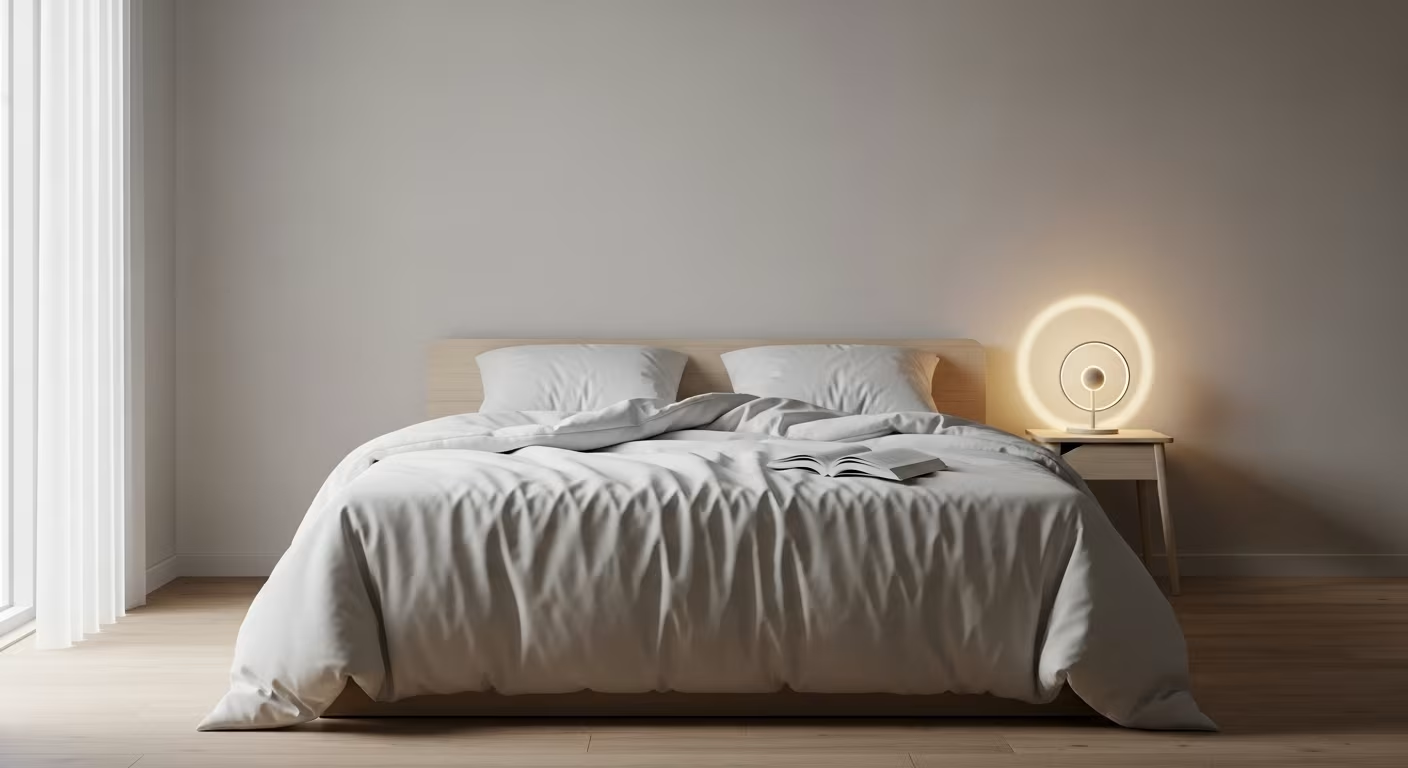
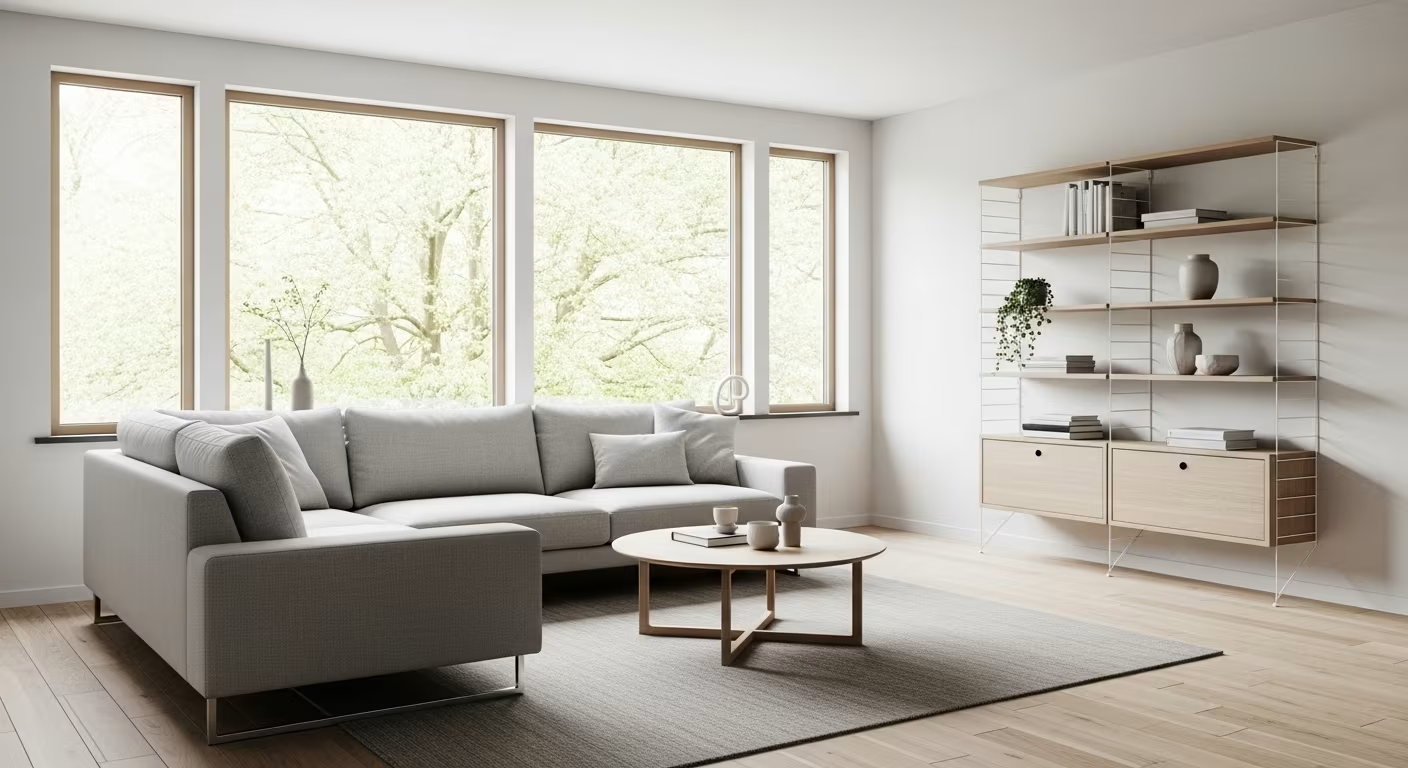

A capsule wardrobe limits clothing to essential, versatile pieces. A capsule home applies the same principle to furniture: owning only the pieces you truly need, each serving multiple purposes where possible. The result is a living space that feels open, functional, and intentional.
The Capsule Home Concept: Philosophy and Practice
A capsule home applies wardrobe minimalism to your entire living space. Just as a capsule wardrobe contains only versatile, quality pieces that work together, a capsule home contains only furniture and objects that serve clear purposes and complement each other aesthetically.
The concept was popularized by architect Fumihiko Maki and later adapted for mainstream living by interior designers who noticed that the happiest homeowners weren't those with the most furniture — they were those whose furniture worked hardest.
The Furniture Audit Process
Walk through every room and answer three questions about each piece of furniture:
- How many hours per week do I actually use this? A dining table used daily is essential. A formal dining set used twice a year is a luxury of space.
- Could another piece I already own serve this function? A desk and a dining table are often redundant. A coffee table and an ottoman serve similar purposes.
- Does this piece match my current lifestyle? The sectional that fit your old apartment may overwhelm your current room. Furniture should fit your life now, not the life you used to live.
Room-by-Room Capsule Furniture Guide
| Room | Capsule Essentials | Common Excess | Space Freed |
|---|---|---|---|
| Living Room | 1 sofa, 1 coffee table, 1 media unit, 1 lamp | Accent chairs, end tables, console tables, multiple throw pillows | 30-40% |
| Bedroom | Bed, 2 nightstands, 1 dresser OR closet organizer | Vanity, hope chest, decorative bench, multiple lamps | 25-35% |
| Dining Area | Table + chairs for actual household size | Buffet, china cabinet, bar cart, extra chairs | 40-50% |
| Home Office | Desk, chair, bookshelf | Filing cabinet, printer stand, extra shelving, decorative items | 30-40% |
| Guest Room | If used <30 days/year, convert to a multi-use space | Dedicated guest bed occupying a room 335 days/year | Entire room recovered |
The Investment Hierarchy
When building a capsule home, spend money in this order (most to least impact on daily quality of life):
- Mattress and bedding — You spend 2,500+ hours per year here. A $1,000 mattress over 10 years costs $0.27 per night. A poor mattress costs you in back pain, poor sleep, and reduced productivity.
- Sofa — The second most-used furniture piece. A well-made sofa lasts 15-20 years. Fast-furniture sofas sag and deteriorate in 3-5 years.
- Dining/work surface — A solid wood table serves as dining table, desk, craft space, and gathering point. It's the most versatile piece in your home.
- Lighting — One quality fixture per room transforms ambiance more effectively than any amount of decor. A $200 pendant light changes a room's character entirely.
- Storage solutions — Built-in or well-designed storage keeps everything else tidy and makes your capsule furniture look intentional rather than sparse.
Capsule Home vs. Showroom Home
| Aspect | Capsule Home | Showroom Home |
|---|---|---|
| Furniture pieces | 15-20 total | 35-50+ total |
| Furniture budget (lifetime) | $8,000-15,000 | $20,000-40,000 |
| Cleaning time | 30-45 min/week | 2-3 hours/week |
| Moving cost | $800-1,500 | $3,000-5,000 |
| Daily frustration | Low (everything has purpose) | Moderate (navigating excess) |
| Guest impression | "It's so calm and intentional" | "They have a lot of nice stuff" |
The capsule home isn't about having less for the sake of less. It's about having exactly enough — where every piece of furniture earns its place through daily use and functional contribution.
The Capsule Home Philosophy
### Quality Over Quantity One excellent sofa beats three mediocre seating options. Each piece earns its place through quality construction and timeless design.
### Multi-Function Preferred Furniture that serves multiple purposes reduces total pieces needed. A storage ottoman beats a coffee table plus hidden storage elsewhere.
### Room to Breathe Empty space isn't wasted. Open floor areas make rooms feel larger and calmer.
### Investment Pieces Better to save for one quality item than fill space with cheap furniture you'll replace.
### Your Life, Not a Showroom Furniture should support how you actually live, not how magazines say you should.
The Capsule Furniture List
Living Room (5-7 pieces)
Essential:
- Seating (1-2 pieces): Quality sofa, possibly one chair
- Coffee table: Ideally with storage
- Lighting: One or two lamps
- Media setup: TV stand or wall mount
Optional:
- Side table: One if needed
- Bookshelf or storage: If books/media need home
- Area rug: Defines space, adds warmth
What you might skip:
- Love seat plus sofa (choose one generous seating option)
- Entertainment center (wall mount TV, minimal storage)
- Excessive side tables
- Console tables with no function
Bedroom (3-5 pieces)
Essential:
- Bed frame: Quality frame, ideally with storage
- Mattress: Invest here—you spend a third of life in bed
- Nightstand: One (or two for couples)
Optional:
- Dresser: If closet doesn't suffice
- Lighting: Lamp or wall-mounted
What you might skip:
- Bedroom chair (rarely used in most homes)
- Hope chest or bench (unless it stores linens)
- Multiple nightstands if space is limited
- Vanity (use bathroom mirror)
Dining Area (2-3 pieces)
Essential:
- Table: Size appropriate for household plus two guests
- Chairs: One per household member plus two
Optional: 3. Storage: Sideboard or bar cart if needed
What you might skip:
- Formal dining set plus casual eating area
- China cabinet (display elsewhere or don't)
- Excessive chairs "for entertaining"
Home Office (2-3 pieces)
Essential:
- Desk: Quality, size appropriate
- Chair: Ergonomic investment
Optional: 3. Shelving: For necessary materials
What you might skip:
- Filing cabinet (go digital)
- Guest seating (meetings happen elsewhere)
- Multiple bookcases
Kitchen (0-2 pieces)
Essential: - Usually built-in (table, chairs covered in dining)
Optional:
- Cart or island: If cooking space needed
- Stools: If counter seating used
What you might skip:
- Kitchen table if dining area exists
- Excess counter seating
Entry (0-2 pieces)
Essential: - Often nothing
Optional:
- Small console or shelf: For keys, mail
- Bench: If shoe changing needed
What you might skip:
- Large entry furniture in small spaces
- Hall tree if closet exists
Room-by-Room Essentials Assessment
For Each Room, Ask:
- What activities happen here?
- What furniture does each activity require?
- Can anything serve dual purposes?
- What would happen if I removed this piece?
- Does this piece fit the space?
Multi-Purpose Furniture Options
Living Room
| Instead Of | Consider |
|---|---|
| Coffee table + storage | Storage ottoman or coffee table with drawers |
| Bookshelf + display | Wall-mounted shelving |
| Sofa + guest bed | Sleeper sofa or sofa bed |
| Multiple seating | One larger sectional |
Bedroom
| Instead Of | Consider |
|---|---|
| Bed frame + storage | Platform bed with drawers |
| Dresser + nightstand | Nightstand with drawers |
| Bed + guest bed | Daybed that converts |
Dining
| Instead Of | Consider |
|---|---|
| Large table + small | Extendable table |
| Fixed chairs | Foldable extras stored away |
| Sideboard + bar | Bar cart that moves |
Office
| Instead Of | Consider |
|---|---|
| Large desk + storage | Desk with built-in shelving |
| Office + guest room | Murphy bed + desk area |
| Filing + desk | Desk with filing drawer |
Creating Your Capsule Home
Step 1: Inventory Current Furniture
List every piece of furniture you own:
- Living room
- Bedroom(s)
- Dining area
- Home office
- Other spaces
Step 2: Assess Each Piece
For each item:
- How often is it used?
- Does it serve a necessary function?
- Is it quality or placeholder?
- Does it match your style?
- Does it fit the space well?
Step 3: Identify Excess
Common furniture that can go:
- Second sofa or love seat
- Extra side tables
- Bedroom chairs no one sits in
- Formal dining set unused
- Office furniture from corporate jobs
- Kids' furniture outgrown
Step 4: Identify Gaps
What furniture would genuinely improve your life?
- Storage where clutter accumulates
- Comfortable seating where you actually relax
- Work surface where you need one
Step 5: Create Your Ideal List
Write your capsule furniture list:
- By room
- Only what you need
- Note multi-purpose opportunities
Step 6: Transition Plan
You don't have to change everything at once:
- Remove excess first (create space)
- Live with less to understand needs
- Add thoughtfully when gaps are clear
- Invest in quality when you do add
Quality Markers for Investment Pieces
When buying capsule furniture:
### Construction
- Solid wood frames (not particleboard)
- Joinery (mortise and tenon, not staples)
- Metal frames properly welded
- High-density foam cushions
### Materials
- Genuine leather ages well
- Solid wood shows character
- Quality fabric lasts years
- Metal resists wear
### Design
- Classic lines over trendy shapes
- Neutral colors versatile for changes
- Proportions right for space
- Details that show craftsmanship
### Brands/Sources
- Research brands known for quality
- Vintage often beats new for durability
- Local craftspeople for custom pieces
- Avoid fast-furniture retailers
Living with Less Furniture
Benefits
Easier cleaning: Less to clean around, under, and on
More flexibility: Open space accommodates activities
Visual calm: Less visual information, less mental noise
Better pieces: Money concentrated on fewer, better items
Adjustments
Social gatherings: Floor seating, borrowed chairs, standing cocktail style
Hobbies: Dedicated spaces when active, stored when not
Kids: Floor play is natural; less furniture to damage
Small Space Applications
Capsule furniture especially helps small spaces:
- One statement seating piece, not multiple
- Wall-mounted options where possible
- Nesting tables rather than large coffee table
- Bed with maximum storage
- Foldable extras stored away
When to Break the Rules
The capsule home concept has flexibility:
Large families: More seating genuinely needed
Hobbies requiring equipment: Dedicated furniture acceptable
Work from home: Proper office setup essential
Frequent hosting: Extra seating justified
The principle remains: only furniture with purpose.
Final Thoughts
A capsule home contains only the furniture you need, each piece chosen intentionally for quality, function, and fit with your life. The result isn't stark or uncomfortable—it's a space where every piece matters and nothing crowds.
Start by removing what you don't need. Live with the emptiness to understand what you miss. Then, when you add, choose pieces that will serve you well for years.
Your home doesn't need to be full of furniture. It needs to be full of function, comfort, and pieces you genuinely love.