

Overcoming Consumerism: Breaking the Buying Habit
Habitual buying is an engineered loop, not a willpower failure. A tiered waiting interval, deleted apps, and line-by-line spend tracking...
41 articles
Spending less because you want less, not because you are depriving yourself. The difference between minimalism and frugality, breaking a buying habit, gift-giving that is thoughtful rather than expensive, organising a home on a dollar-store budget, and planning family holidays without the usual cost creep.
Habitual buying is an engineered loop, not a willpower failure. A tiered waiting interval, deleted apps, and line-by-line spend tracking...
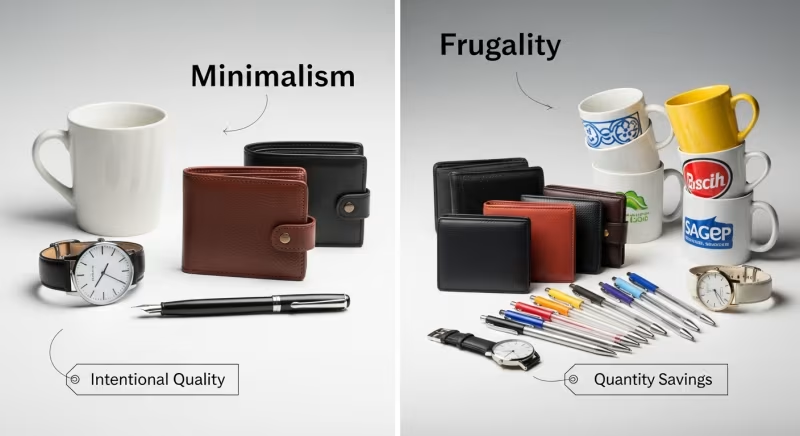
Minimalism asks what to keep; frugality asks how to spend. They overlap at secondhand buying but split on replacing worn items that...
Why the best gifts rarely cost the most: specificity, experiences, consumables, and time beat expensive objects nobody chose and nobody...
Fewer stops, longer stays, and a rental kitchen cut family trip costs. A per-day cost table, weekly-rate savings, carry-on fees, and...
Dollar-store bins handle most drawer and pantry organizing at a fraction of specialty prices—where they work, where they fail, and how...
Build a minimalist wardrobe for less by starting from what you already wear, growing by replacement, buying secondhand, and judging cost...
Financial minimalism means four core accounts, automated saving and bills, low-cost index funds, less debt, and one annual review you...
Owning less cuts costs hidden across many items: space, maintenance, insurance, duplicates, and disposal all shrink, and savings...
A thirty-day no-spend challenge stops non-essential spending to reset habits. Here's how to draw the line, handle social pressure, and...
Four categories, a five-minute weekly check, and automated savings beat a twenty-line spreadsheet nobody keeps. Build the emergency fund...