

What a Few Containers Actually Give You
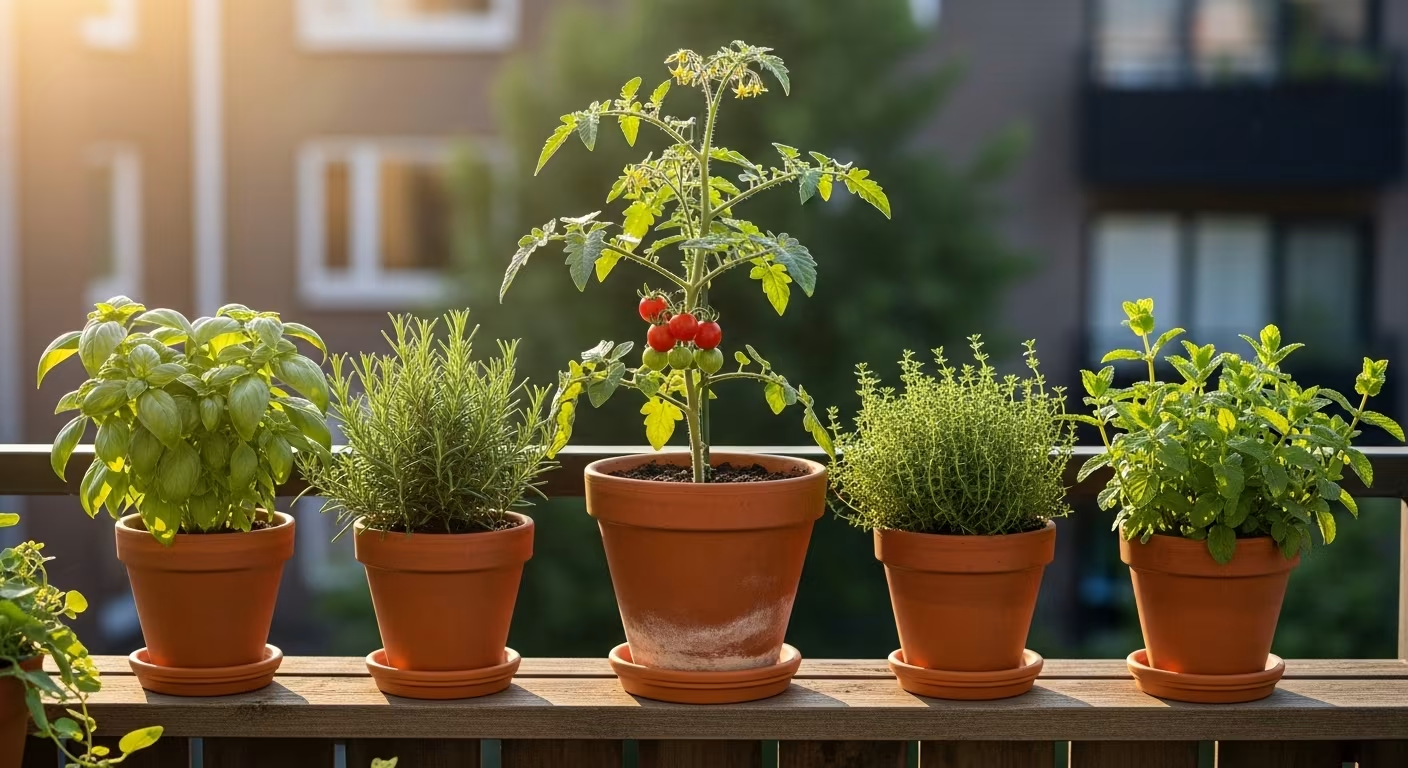
A small herb or vegetable garden — a few pots on a balcony, a single raised bed — earns its space in practical terms, not just the calm-hobby terms it usually gets sold on. Basil cut a minute before it hits the pan is a different ingredient than the clamshell that spent a week in transit. Two or three cherry tomato plants in July will out-produce what two people can eat. A pot of loose-leaf lettuce by the kitchen door yields salad for months off one planting.
The distance between "I could never grow food" and "I grow some of my food" is shorter than most people assume before they try. A few containers, a bag of potting mix, and a handful of seedlings runs well under the cost of a season's worth of the herbs they replace. The learning is real but it fits inside one growing season of watching what happens and adjusting. The minimalist version matches the effort to the time and light you actually have — not the magazine kitchen garden, the small productive corner you can keep alive.
Match the Plant to the Space You Have
The most common way small-space gardens fail is asking a plant to grow in conditions it can't tolerate — a sun-hungry pepper on a north-facing balcony that gets three hours of light. Before choosing anything, read the actual conditions honestly. Rutgers extension's small-space gardening publications is a useful outside reference here.
Sun. Most vegetables want six or more hours of direct light. North- and east-facing spots often get far less. Herbs like mint, parsley, and chives and leafy greens like lettuce, spinach, and chard handle partial shade; fruiting crops — tomatoes, peppers, cucumbers — need full sun and will sulk without it.
Container depth. Root crops such as carrots and potatoes need 12 to 16 inches of depth. Shallow pots are fine for herbs, greens, and compact tomatoes but not for anything with a deep root system.
Season length. Cool-season crops (lettuce, spinach, peas, kale) run in spring and fall; warm-season crops (tomatoes, basil, cucumbers) need sustained heat and, in most temperate climates, belong to summer alone.
The Crops That Return the Most Per Pot
With limited room, the goal is yield per square foot, and a few crops beat the rest by a wide margin. Herbs top the list: one healthy basil plant supplies more basil than most households use all summer, and parsley, chives, cilantro, and mint (kept in its own pot so it can't take over) are just as generous in tiny containers. Loose-leaf lettuce is next — cut the outer leaves and the plant keeps producing for months, and a fresh sowing every three or four weeks keeps salad coming without gaps.
Cherry tomatoes out-yield beefsteak types in confined space and ripen faster; a single well-staked plant, ideally a determinate variety, fruits heavily through summer. Radishes are the quick win, pulled 25 to 30 days from seed and useful for filling the gaps between slower crops. Peas on a compact trellis round it out, producing far more than their small footprint suggests.
| Crop | Light needed | Container depth | Time to harvest |
|---|---|---|---|
| Basil & leafy herbs | Partial to full sun | 6–8 in | 3–4 weeks, then ongoing |
| Loose-leaf lettuce | Partial shade OK | 6–8 in | 4–6 weeks, cut-and-come-again |
| Cherry tomatoes | Full sun (6+ hrs) | 12+ in | 60–70 days from seedling |
| Radishes | Partial to full sun | 6 in | 25–30 days |
| Peas (spring/fall) | Full sun | 8–10 in + trellis | 55–70 days |
The Container Basics That Aren't Optional
A handful of things separate a container that grows and one that quietly kills whatever you plant in it. Drainage comes first: pots need holes, and a plant sitting in waterlogged soil develops root rot within days. If you love a container that has no holes, use it as a cache pot with the real growing pot tucked inside. Use potting mix, not garden soil — garden soil compacts in a pot and chokes the roots, where a proper mix keeps the structure and air the plant needs.
Water by feel, not by schedule. Containers hold less soil, so they dry out faster than open ground, and in hot weather a small pot may want water once or even twice a day. Push a finger an inch into the soil: water if it's dry at that depth, wait if it's still damp. That single habit prevents both the overwatering and the drought stress that quietly wreck yield. And feed regularly — watering leaches nutrients out of potting mix quickly, so a balanced liquid fertilizer every two to three weeks through the growing season keeps things producing.
Container size is the mistake most beginners make in the wrong direction: too small. A four-inch pot dries out by noon and stunts anything ambitious, while a five- or seven-gallon container holds enough moisture to forgive a missed watering and gives roots room to build a real plant. When in doubt, size up. It's also worth grouping pots together rather than scattering them — clustered containers shade each other's soil, slow evaporation, and are far quicker to water and check in one pass, which is the difference between a garden you tend daily and one you forget about by August.
Soil Is the Highest-Return Thing You Buy
A potted plant can't send roots out to find what's missing — everything it needs has to be inside the container. Generic mix works for a season but depletes fast in pots that get planted and replanted. A good container mix combines perlite or vermiculite for drainage, compost for nutrients, and a base medium; coco coir holds moisture better than peat and is the more renewable choice. Mixing your own from those parts costs less per volume than bagged specialty container soil and lets you tune it by crop.
Match the mix to the plant. Tomatoes and peppers are heavy feeders and want a richer blend with more compost. Mediterranean herbs — rosemary, thyme, oregano — prefer a leaner, sharper-draining mix that dries out between waterings. Leafy greens sit in the middle and forgive a lot. Consistency matters most for tomatoes specifically: uneven moisture disrupts calcium uptake and produces blossom end rot even when the soil holds plenty of calcium, so steady watering is part of the soil equation, not separate from it.
Tend Little and Often
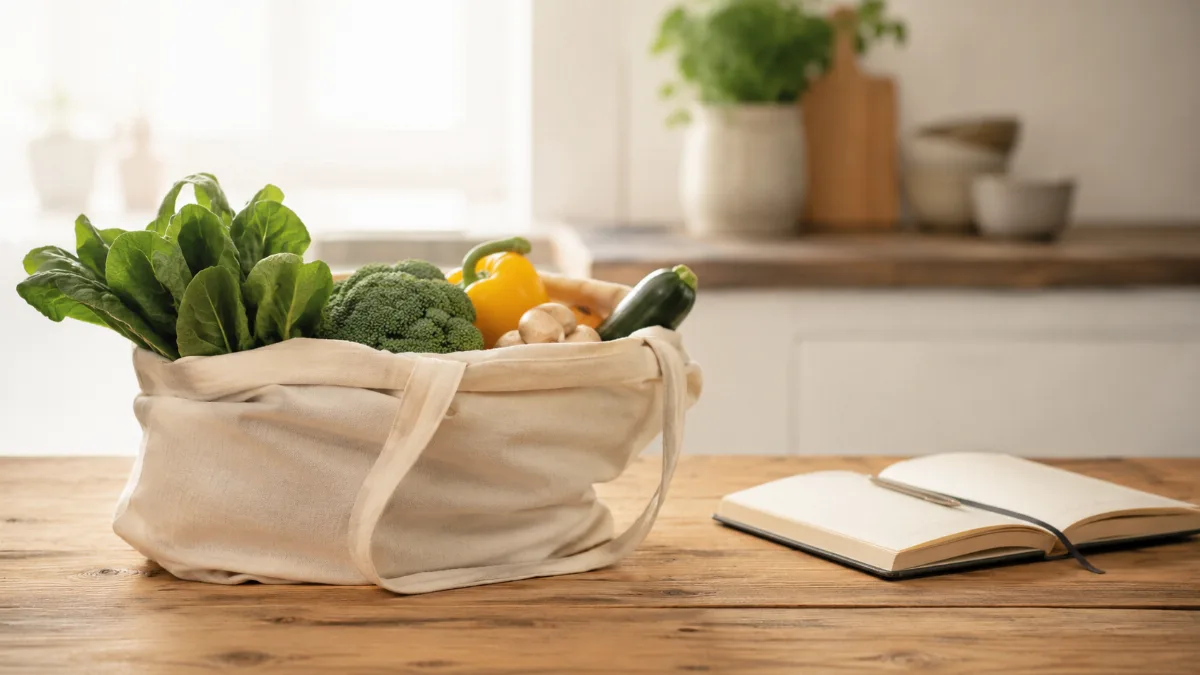
A garden that produces steadily is one checked briefly every day, not attacked once a week. Five minutes of looking — testing moisture, pulling spent leaves, picking what's ready — heads off the problems that build up over a neglected week and then demand a two-hour rescue. Size the garden to that five-minute habit rather than to ambition. A few pots you can actually keep up with will out-harvest a sprawling setup that outruns your attention every time. Start smaller than feels necessary, watch what your specific light and schedule support, and expand next season from evidence instead of hope.

Comments
No comments yet.