


The Household That Quietly Filled With Devices
Count the powered, connected things in an average home and the number climbs fast: two or three phones, a tablet or two, a laptop, maybe a desktop, a smart speaker in the kitchen, a streaming stick on the TV, the smart TV itself, wireless earbuds, a doorbell camera, a couple of smart plugs, a watch on someone's wrist. Nobody sat down and chose this inventory. It arrived one gift, one sale, one upgrade at a time.
Each addition carries overhead that never gets counted at the register: setup, a login, a stream of software updates, a charger, storage, the occasional evening lost to a device that won't rejoin the Wi-Fi, and eventually a replacement. One device's worth of that is trivial. Fifteen devices' worth is a standing part-time job, and it's the cost nobody weighs when the next interesting gadget goes in the cart.
The Audit: What Actually Gets Used
Simplifying starts with an honest inventory. Walk every room and write down every connected or powered device. Next to each, note the last time it was used and the one job it does. The writing is what makes it honest — a device you'd swear you use turns out to have last run in March.
Three buckets fall out. Devices used daily that no other device could cover earn their spot outright. Devices used only now and then but genuinely one-of-a-kind are worth keeping. Devices whose job is already done by something else, or that barely get touched, are the candidates to let go. Almost every audit turns up a forgotten layer: a tablet bought three years ago now serving as an occasional recipe screen, smart plugs paired to an internet provider you left two moves ago, a drawer of old phones kept as "backups" that haven't held a charge in a year. For evidence-based guidance here, see MentalHealth.gov.
Where Consolidation Really Works
Consolidation means doing with one device what two or three currently do — and in a lot of homes it costs no real capability. A laptop and a tablet overlap heavily: email, browsing, streaming, and light document work run fine on either. Someone using both mainly for those things is maintaining two chargers, two update cycles, and two sets of apps for a job one device would handle.
A smart speaker and a phone overlap the same way. Music, timers, the weather, a quick question — both do all of it. The speaker adds a hands-free voice, which is a genuine convenience in a kitchen, but it's a marginal one, and it's worth naming as marginal rather than essential. Smart-home gear brings its own tax: app management, firmware updates, one brand not talking to another, and the special failure modes of a light switch that needs a network to turn on. The convenience of flipping a lamp from the couch has to be set against the upkeep of one more connected system that can break in ways a plain switch never could.
When a Dedicated Device Earns Its Place
Some jobs are genuinely better on purpose-built hardware, and consolidation shouldn't be dogma. An e-reader like a Kindle reads better than a phone — the e-ink screen doesn't glare or tire the eyes, and the thing weighs almost nothing in one hand for an hour. A real camera pulls meaningfully better photos than a phone for anyone who shoots with any care. A dedicated audio player beats a phone for someone whose sound quality genuinely matters.
The test isn't whether the specialized device is nice to own — most are. It's whether it does its one job noticeably better than the all-purpose device already in your pocket. If a phone covers it at 90 percent, the dedicated gadget is clutter. If the gap is real and you'll feel it often, the dedicated device earns its charger.
The Addition Test
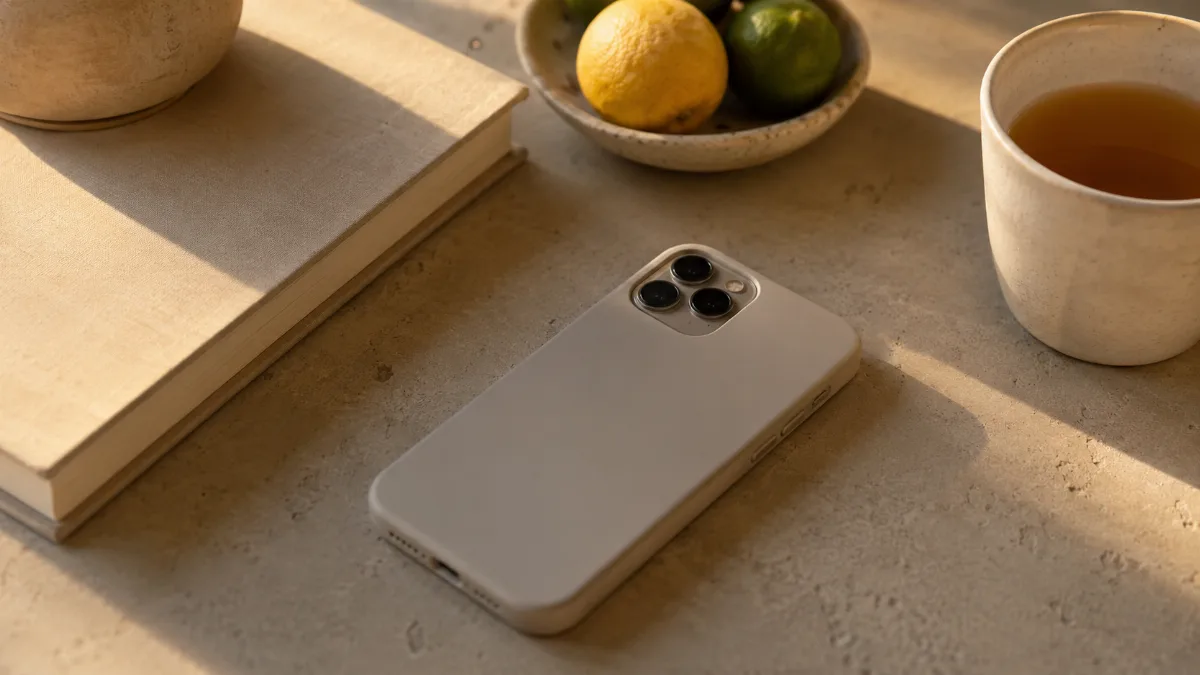
Every candidate for the household gets one question: what does this do that nothing I already own does, and is that job worth the ongoing upkeep of another device? That single filter stops most of the drift, because the drift is made of devices bought for being interesting, on sale, or handed over as gifts with no job attached. A gadget acquired without a use case rarely grows one after the fact — it just joins the drawer of rarely used hardware.
A thirty-day wait does the rest. Sit on any unplanned device purchase for a month and you get the same information without the commitment. Most impulse tech looks a lot less necessary thirty days after the spark, and the ones that still feel worth it after a month usually are.
The upkeep this avoids is larger than it looks. Every device runs its own thread of firmware, security patches, and driver updates that arrive on their own schedule and want attention. A home with two dozen connected things generates far more of this than one with eight — and security compounds it. Gear the maker still supports stays reasonably safe; gear that's been dropped from updates quietly collects holes that never get patched. A big inventory always holds a few devices past their support window, and managing that means either steady attention or accepting the risk of the unpatched ones.
Replace, Don't Add
The most durable habit is a replacement mindset instead of an addition one. When a new device is worth buying, the question becomes which existing device it retires — not where it slots in beside everything else. A new tablet takes over from the old tablet; it doesn't move into a second room. A new speaker replaces a tired one rather than colonizing another shelf. Children's devices deserve the same treatment, since a tablet perfect for a seven-year-old is often dead weight to that same child at nine.
This won't hold in every case — there are real reasons to own two things that do similar jobs — but it applies far more often than most homes let it. Left alone, the default is accumulation; replacement is a deliberate choice that holds the device count roughly steady over time. Start with the audit this weekend: list every device, note the last time each one ran, and the two or three that haven't earned their charging cable in months will name themselves.
The audit buckets:
| Bucket | Test | Verdict |
|---|---|---|
| Daily + irreplaceable | no other device covers it | earns its spot |
| Rare but one-of-a-kind | genuinely unique job | keep |
| Covered or idle | phone does it at 90% | release — the gadget is clutter |
| Usual finds | recipe-screen tablet, orphaned smart plugs, dead “backup” phones | the forgotten layer |

Comments
No comments yet.