
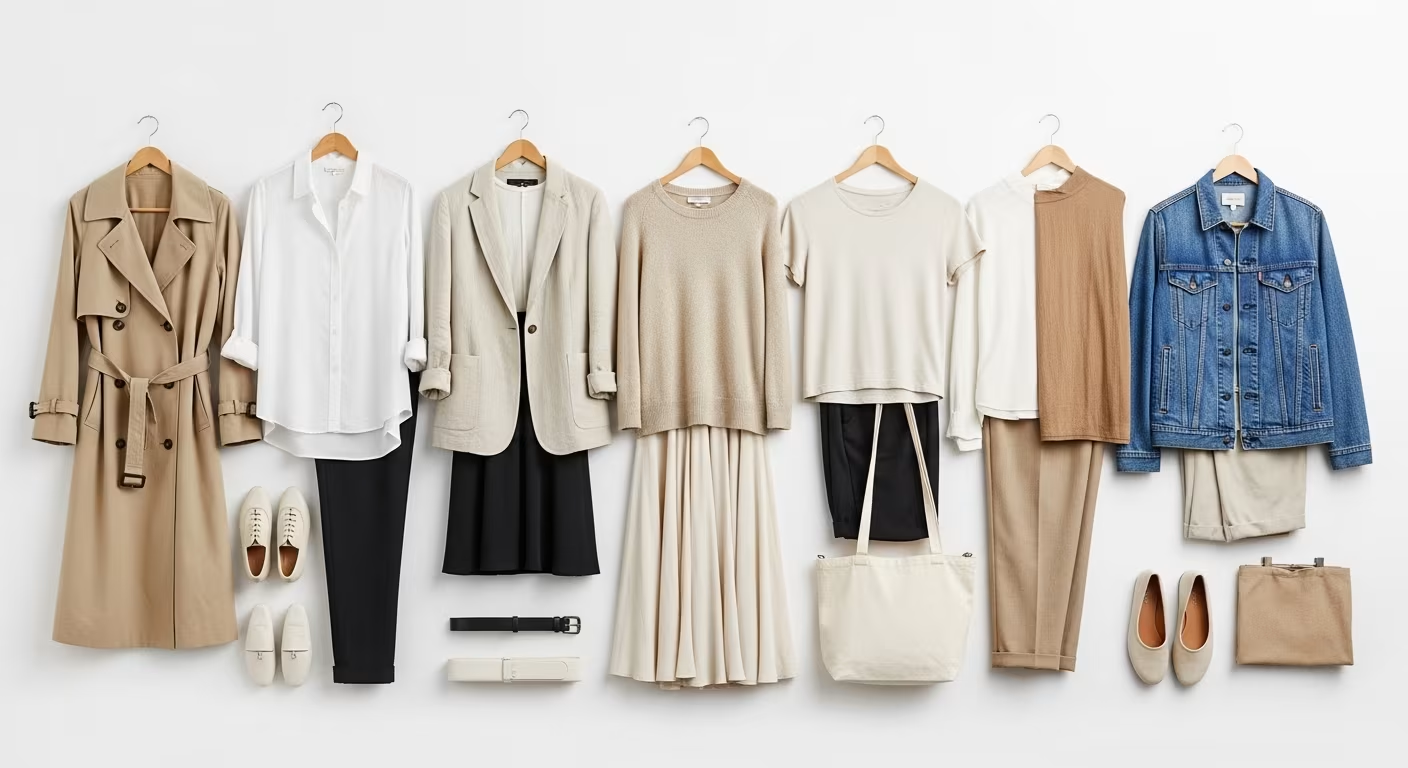

Sustainable fashion is mostly a volume problem, not a materials problem. The industry produces far more clothing than the world can wear, and a large share of it is discarded within a year of manufacture. The scale of production, not the fiber content of any single shirt, drives most of fashion's environmental footprint. That points to a simple takeaway: the highest-impact move is buying less, not swapping one label for a greener-sounding one.
Why Buying Less Beats Buying Differently
Fast fashion's business model runs on turnover. Trends cycle in weeks, prices stay low by compressing wages and construction time, and garments are built to survive a season rather than a decade. The low sticker price that makes a $15 top feel harmless to buy is exactly what makes it easy to buy five of them a year and throw them out just as fast. This lines up with the GSA's Sustainable Facilities Tool.
The response that actually targets volume, meaning fewer purchases, longer wear, and secondhand buying, does more than the response that keeps the same shopping pace while switching to organic labels. A closet refreshed constantly with "sustainable" pieces still generates the manufacturing and shipping impact of everything bought. Slowing the replacement rate is the lever that moves the number.
The Cost-Per-Wear Test

The most useful filter before any clothing purchase is cost per wear: the price divided by how many times the item will realistically be worn. It reframes "expensive" and "cheap" around use rather than sticker price, and it consistently favors the better-made piece.
| Garment | Price | Times worn | Cost per wear |
|---|---|---|---|
| Trend top, one season | $30 | 3 | $10.00 |
| Fast-fashion jeans | $40 | 25 | $1.60 |
| Well-made everyday jeans | $120 | 300 | $0.40 |
| Quality wool coat | $250 | 400 | $0.63 |
| Occasion dress worn twice a year | $90 | 10 | $9.00 |
The $120 jeans cost five times as much at the register and roughly a quarter as much per wear, and they keep a cheap pair out of landfill every year or two. Run the numbers before buying and a natural quality filter appears: items worn often enough to justify their cost survive, while impulse buys and trend pieces destined for a handful of outings do not. Our guide to building a capsule wardrobe shows how the same test shapes a whole closet rather than one purchase.
What "Sustainable Materials" Actually Change
The materials conversation is real but routinely overweighted. Organic cotton, recycled polyester, and Tencel do carry genuine advantages: less pesticide use, less virgin resource extraction, different end-of-life profiles. But those gains are marginal next to purchase frequency. A conventional cotton shirt worn for ten years produces less total impact than an organic cotton shirt bought five times over the same decade.
Material choice earns its weight only in categories with large, real differences. Conventional cotton is one of the most pesticide-heavy crops, so organic is meaningfully better there. Recycled polyester avoids fresh petroleum. For someone who has already cut how often they buy, material becomes a fine-tuning decision worth making. For someone still buying at a high pace, upgrading the fabric while keeping the volume changes almost nothing.
Fiber also shapes how a garment ages, which loops back to durability. Synthetics shed microplastics with every wash and tend to pill and thin within a few seasons of heavy use. Natural fibers like wool, linen, and good cotton, and semi-synthetics like Tencel, generally hold shape and structure longer when cared for properly. So the material question is worth asking not mainly for the label on the tag but for whether the piece will still be worth wearing in five years, which is the same question durability already asks.
Build Around What You Already Wear
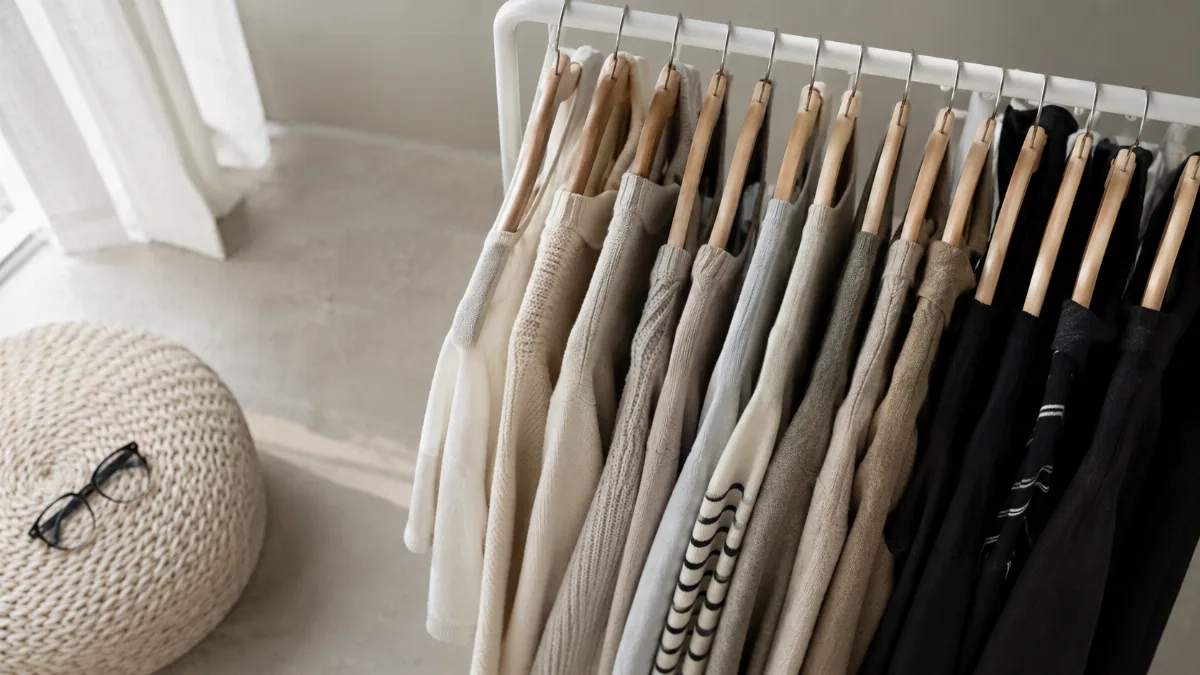
A durable wardrobe starts with an honest look at what actually gets worn. For most people the same 10 to 15 items carry the bulk of daily dressing; the rest was bought on intentions that never materialized or for occasions that almost never arrive. Pulling everything not worn in the past year reveals two things at once: what is genuinely needed, and how much was accumulated past that point.
Go category by category, tops, bottoms, outerwear, footwear, and separate what gets worn consistently from what sits untouched. The worn pile describes real style preferences far more accurately than any abstract idea of what a closet "should" hold. The untouched pile marks where past purchases missed: wrong fit, a color that clashes with everything else, an event that never happened. Clearing what does not work makes the actual gaps obvious, so each future purchase can answer a specific need instead of a vague sense that something is missing. From there the replacement cycle shifts to lower frequency and higher quality, chosen for fit, fabric, and construction rather than trend.
Secondhand as the Default

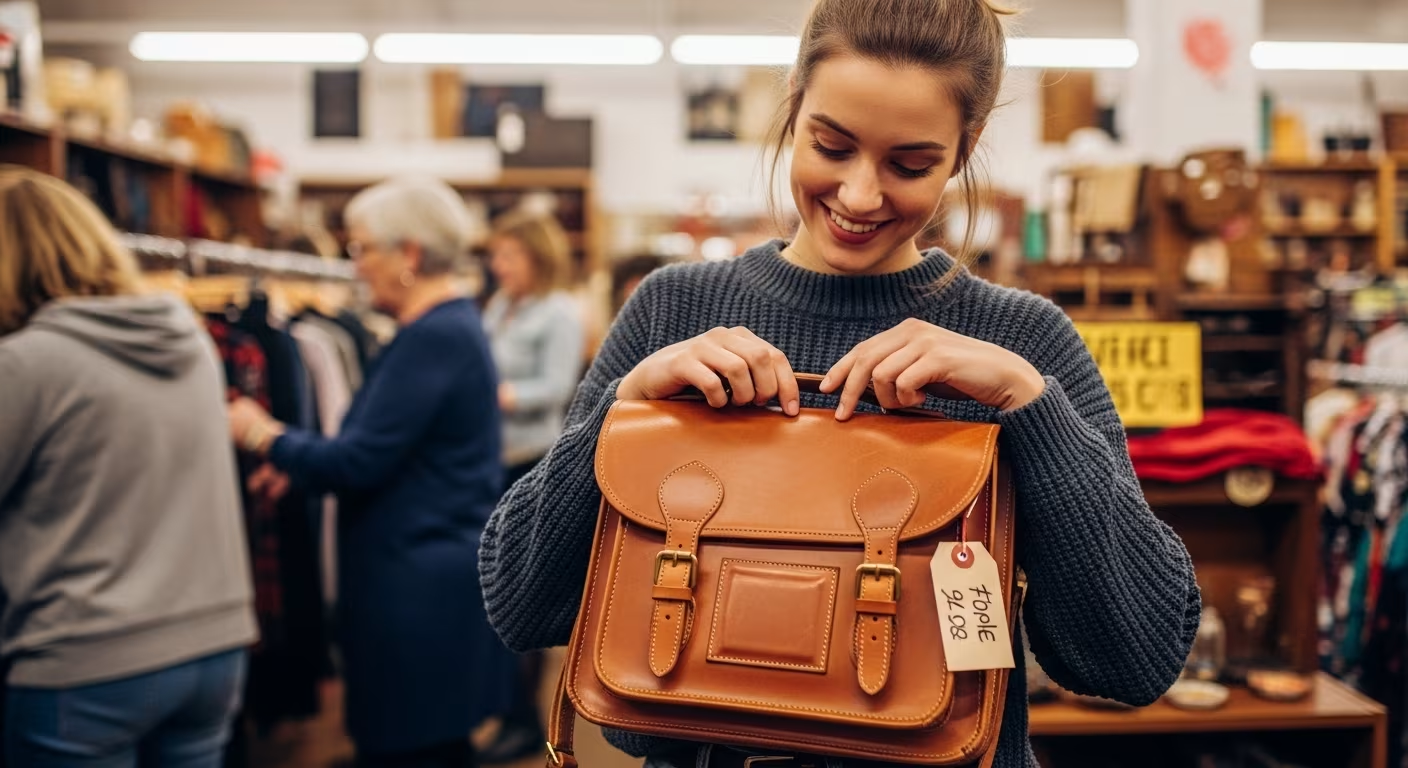
Buying used skips the environmental cost of new fiber and new manufacturing entirely, and for most everyday categories it costs a fraction of new. Denim, shirts, sweaters, casual jackets, athletic wear in good shape, and classic work pieces all turn up secondhand in quantity. A pair of $120 jeans often shows up gently used for $25 to $40. The categories where new usually makes more sense are narrow: underwear, swimwear, and technical gear with specific fit or performance requirements.
A practical split works best. Thrift stores reward browsing and lucky finds; online resale platforms let you search by size, brand, and condition for a specific item, which beats hoping the right thing appears on the rack the day you happen to walk in. A useful rule is to keep a short running list of the specific gaps in your closet, then check the resale platforms against that list every few weeks rather than shopping without a target. That turns secondhand buying from a browse into a search, which is both faster and far less likely to end in another rarely-worn impulse piece.
Care That Extends Garment Life
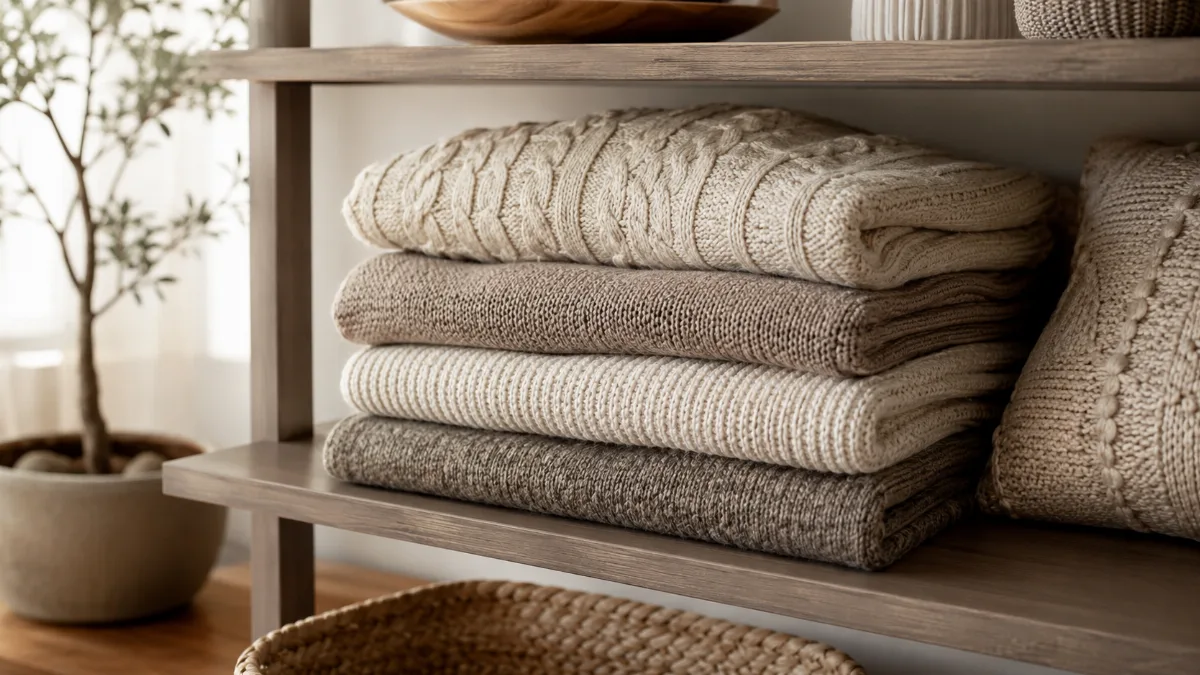
Longer garment life is the quiet lever behind lower consumption, and most clothing is destroyed by laundering rather than wear. Washing less often extends fiber life, since most items can be worn several times between washes and the reflexive daily wash ages fabric faster than it cleans it. Cold water reduces fiber damage and dye fading while using less energy. Line drying protects anything with elastic, synthetic content, or structured shaping that a hot tumble dryer slowly breaks down.
Repair stretches life further still. Replacing a button, mending a seam, or patching a small hole turns a garment headed for the bin into one with years left, and the skills involved are modest enough to learn from a single afternoon of practice. A basic sewing kit and a willingness to spend ten minutes on a loose hem often saves a piece that would otherwise be replaced outright. A large wardrobe replaced rarely can carry a lighter footprint than a small one churned constantly, so the real measure of a sustainable closet is its replacement rate and the useful life pulled from each piece, not its size or its labels. Start with the year-old audit, keep what earns its place, and let every new purchase answer a gap you can actually name.

Comments
No comments yet.