
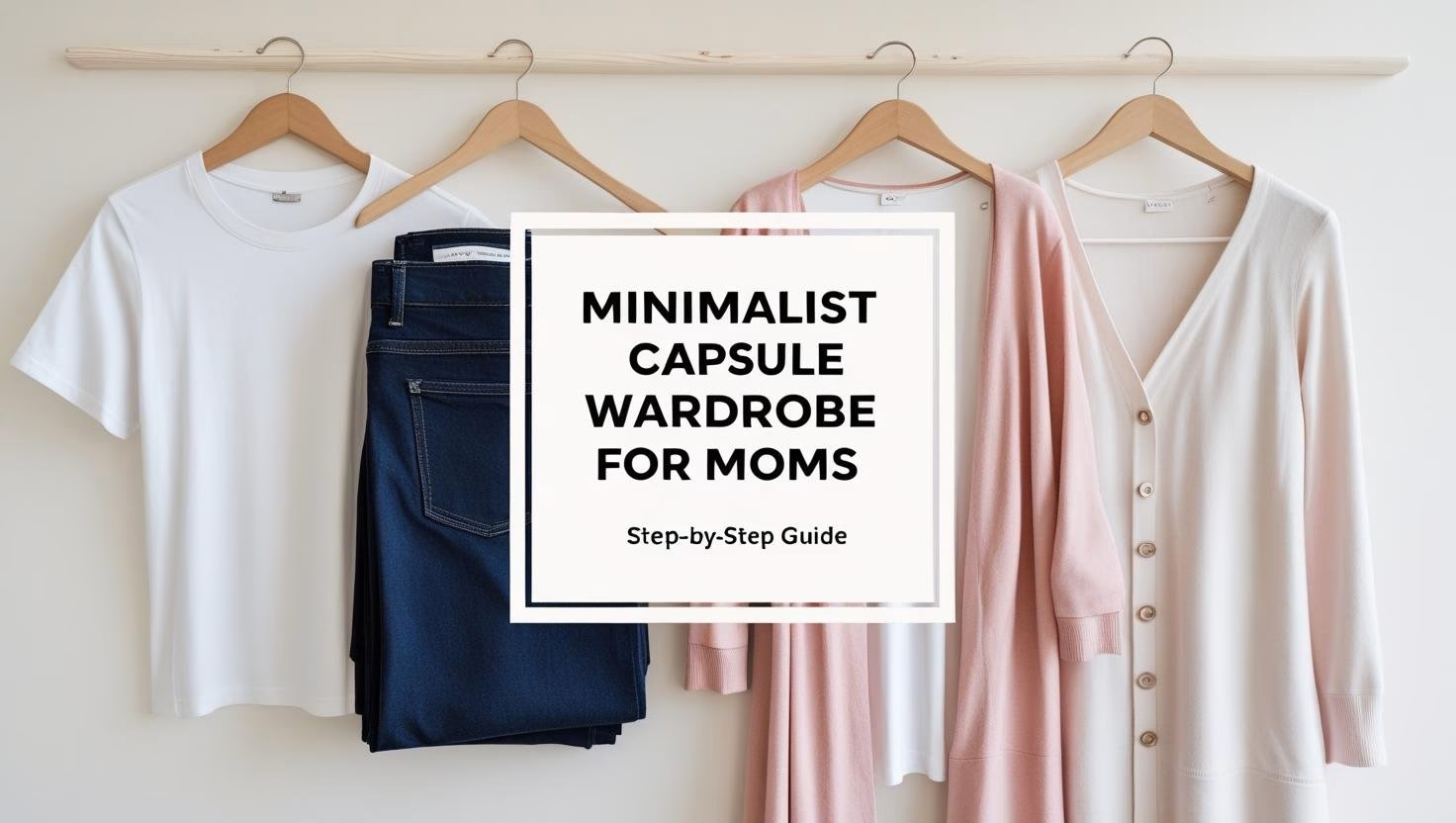

A mom's closet usually splits into two unequal parts: the fraction worn on repeat — maybe a fifth of it — and the rest, kept because it might fit again, might come back around, or cost too much to let go of without a twinge of guilt. A capsule wardrobe is the work of shrinking that second part until almost everything left is something you actually reach for. Built well, it covers a full week — drop-off, the work day, the weekend errand loop, the occasional dinner out — with 30 to 35 pieces.
Start With a Full Audit
Pull every piece of clothing out at once, from every hiding place: the main closet, the overflow rod, the seasonal bins, the chair that has quietly become a shelf. Seeing all of it in one pile is the point. A closet edited section by section never confronts its true volume, which is exactly why it stays overstuffed.
Sort into four piles. Worn regularly and fits well goes straight back. Doesn't fit or doesn't feel right leaves now. The aspirational pile — the jeans from two sizes ago, the blazer for a job you don't have — almost always leaves too. The genuinely hard pile is "I like it but haven't worn it in six months," and it gets one honest question: why not? If the answer is that it goes with nothing else you own, needs an occasion you never actually have, or isn't comfortable enough to grab on a rushed Tuesday morning, that is your exit criterion. Sentiment about the purchase price is not.
Build Around the Real Week
Before deciding what stays, map the week as it actually runs — not the polished version you imagine on a Sunday. A working mom's week might hold three days of office clothes, two of casual drop-off wear, one workout, one social thing, and a weekend of errands and playgrounds. Each of those slots needs two or three workable outfits. That list, not a Pinterest board, is the blueprint the whole capsule gets built on, because it describes clothing you will genuinely put on rather than clothing you wish your life called for. This lines up with Rutgers Cooperative Extension's publications.
The count that usually results: five to seven work or smart-casual tops, five to seven casual tops, three or four bottoms that cross contexts, two or three dresses or skirts, a couple of structured layers like blazers, one or two cardigans, one dressier outfit for events, three or four pairs of shoes (casual, professional, athletic, one dressed), and two or three bags. Underwear, dedicated workout gear, and special-occasion pieces sit outside the count and live in separate storage. Five tops over three bottoms already yields fifteen combinations from eight pieces — the reason a small closet stops feeling small once the pieces are chosen to cooperate.
Make Everything Mix
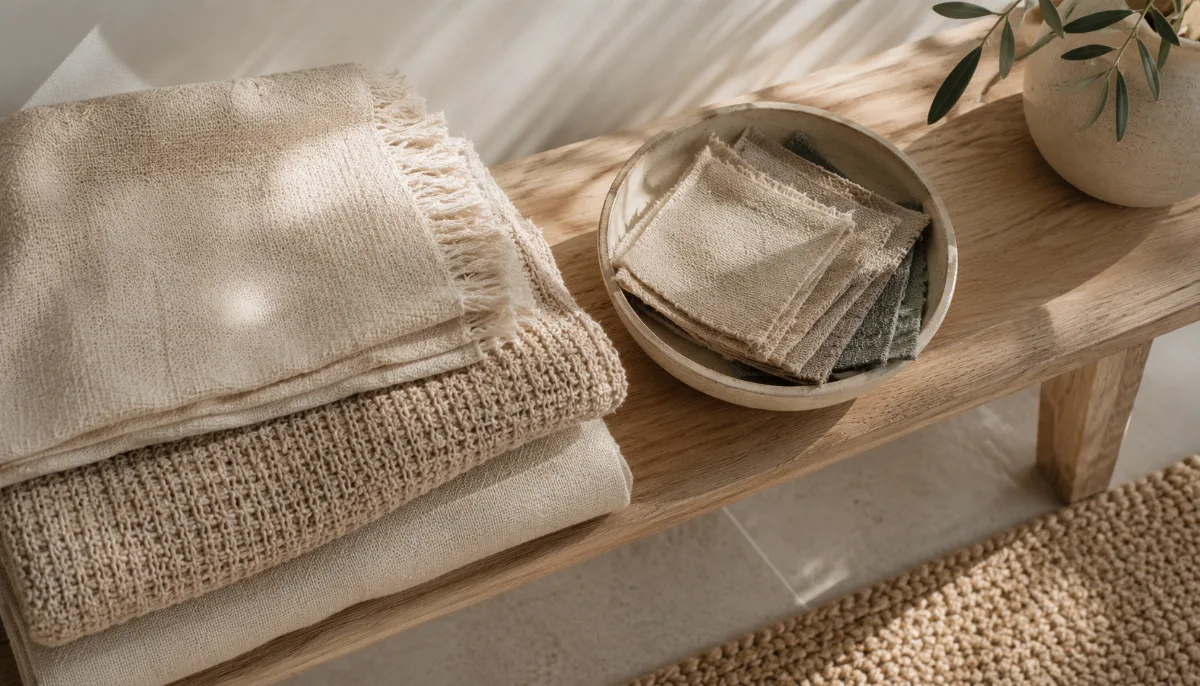
A capsule works only when the pieces combine freely, and that depends almost entirely on color discipline. Let a neutral base — navy, gray, white, black, camel, khaki, in whatever mix suits your coloring — carry roughly two-thirds of the wardrobe. These are the pieces that pair with anything and do the heavy lifting on ordinary days. Reserve the remaining third for two or three accent colors, each showing up in a few pieces so they read as intentional rather than scattered. One accent like olive or burgundy that appears across three garments creates cohesion; ten one-off colors create a closet that looks like a paint sample and photographs like chaos.
Quality matters more than count here, and it is where the real money goes. A 30-piece closet in which each item holds its shape after washing, resists pilling past the six-month mark, and has seams and closures that survive real use will out-serve a 60-piece closet of mixed quality — because every morning you reach for something you already trust, with no decision tax. The daily cost of navigating a larger, uneven wardrobe is small per instance and enormous over a year of tired mornings.

Test It With a Shopping Pause

The most common way a capsule fails is quiet: the curated 30 pieces get built, shopping continues at the old pace, and within a year the closet is dense again. The capsule is a system, not a weekend project, and the thing that keeps it running is a deliberate pause — 30 to 90 days of buying no new clothing after you finish building it.
Wearing only the capsule for a full season is what separates a real gap (a category you keep reaching for that isn't there) from a passing want (an item that looks appealing on a screen and turns out unnecessary within a week of not having it). After the pause, shopping shifts from browsing to gap-filling. In practice that is the difference between three to six intentional buys a season and fifteen to thirty half-considered ones that quietly refill the closet with clothes that mostly don't get worn. Pairing the pause with a longer low-buy stretch makes the reset stick; the low-buy challenge guide covers how to run one without white-knuckling it.
Two habits hold the line afterward. One in, one out: a new sweater means an old one leaves that same week, so the closet can't drift back toward its previous density. And a seasonal review twice a year — pull the whole capsule again and release whatever wore out, stopped fitting, or simply never got reached for. In genuine four-season climates, keep the active closet at 30 to 35 pieces by storing the off-season extension (wool coats, boots, summer dresses) elsewhere and rotating it in as needed, so the working wardrobe stays the same size whether it's January or July.
Capsule numbers for a real week:
| Parameter | Value | Note |
|---|---|---|
| Active closet | 30–35 pieces | off-season stored, not counted |
| Quality bar | holds shape after washing, no pilling at 6 months | seams that survive the dryer |
| The pause test | 30–90 days of no shopping | the capsule fails quietly without it |
| Coverage | drop-off, work, errands, dinner out | one system, no morning decisions |



Comments
No comments yet.