
Decluttering Checklist for Every Room in Your House

Remember that feeling of opening a closet and stuff just poofing out? Yeah, me too. Just last week, a tower of mismatched Tupperware nearly took out my left shin. Again.

Or maybe your entryway looks like a shoe bomb went off. Or the never-ending piles of laundry aren't just clothes, but also "missing sock purgatory" and "that weird stain" discoveries. It's a lot, isn't it? 👋

We're gonna tackle that feeling today. Not with some crazy "throw everything out" manifesto, but with a real, room-by-room plan you can actually follow.

Think of it as a checklist from a friend who’s been there, done that, and still occasionally finds LEGO bricks in her hair. We’ll get into the why, the how, and how to keep it from coming back.

Why This Actually Matters

Honestly, I used to think my problem was time management. Turns out, my problem was just too much damn stuff. My house felt like it was actively fighting against me every day.

Getting ready in the morning was a scavenger hunt for matching socks. Cooking dinner felt like a Tetris challenge just to find a clean surface. It was exhausting just to exist in my own home.

I remember one particularly chaotic morning. My son was crying because he couldn't find his "special" red truck, which was buried under a mountain of other toys. My daughter was trying to wear a winter hat in July.

Then I spilled coffee on myself while trying to find a clean shirt that wasn't covered in spit-up. That morning, I just sat down on the kitchen floor and almost cried. It wasn't the kids being bad. It was the stuff.

It was the sheer volume of things demanding my attention, my cleaning, my mental energy. I realized then how much peace I was missing just by having too much junk around.

After that, I started small. And the difference? Holy moly. We found the truck, I found a clean shirt, and I felt like I could actually breathe for the first time in months.

It's not about having nothing. It's about having enough. Enough to make life smoother, not harder. Fewer items mean less to clean, less to organize, and honestly, less stress when you're just trying to get out the door for school pickup.

When you have less stuff, you spend less time managing it. This means more time for the things that actually matter to you. Like playing with your kids, enjoying a quiet coffee, or just staring blankly at a wall for five minutes.

The Basics: The "Why" Before the "How"

Before we grab the trash bags, let's talk about what decluttering really is. It’s not about becoming a monk or living with one plate and a toothbrush. And it’s definitely not about shame.

It’s about intentionality. It's about asking, "Does this item serve me, or am I serving it?" Because let's be real, sometimes we hold onto things out of obligation, guilt, or the dreaded "what if."

We’re cutting the emotional clutter first, then the physical. This isn't a race to an empty home; it's a journey to a more peaceful, functional one.

The Golden Rules of Getting Started

  • Start Small, Think Big: Don't try to clear your whole house in one weekend. You'll burn out, feel defeated, and probably give up. Pick one drawer, one shelf, one small corner. See how that feels. Build momentum from there.
  • The "Keep, Donate, Trash, Relocate" System: This classic method is effective for a reason. Have four bins or designated piles ready. Don't start without them, or you'll just make bigger piles. The "Relocate" bin is crucial for stuff that belongs in another room but isn’t clutter.
  • One Touch Rule: Once you pick something up, make a decision about it immediately. Don't put it down "for later." Later never comes, it just becomes a new pile. This simple rule saves so much time and prevents new clutter from forming.
  • Don't Buy More Storage (Yet!): This is a big one. Storage solutions are for organized items, not for hiding clutter. Declutter first, then see what storage you actually need. Buying more bins before you declutter just organizes your mess.
  • Involve the Family (Age Appropriately): Kids can help, even toddlers. For toys, ask "Do you want to keep this or share it with a friend who might really love it?" For older kids, give them ownership of their space and decisions. It teaches them responsibility and respect for their belongings.
  • Be Kind to Yourself: This isn’t a one-and-done project. It’s an ongoing process. Some days you’ll feel motivated, other days you’ll want to nap. That's totally fine. Any progress is good progress.

How To Actually Do It: Room by Room Battle Plan

Okay, deep breath. We're going to walk through this. Grab your favorite coffee (or wine, I'm not judging, mama) and let's go. We'll tackle each room with a specific focus.

Step 1: The Kitchen – The Heart of the Home (and the Hub of Stuff)

If your pantry looks like a cereal avalanche waiting to happen, same. Mine did too until I tried this. The kitchen is often the first place to get overwhelmed because it's so functional.

  • Pantry/Food Storage: Pull everything out. EVERYTHING. Check expiry dates. Toss anything expired, stale, or unrecognizable. Be brutal – if you haven't touched that weird spice blend in two years, out it goes. Consider keeping only what you truly use.
  • Utensils & Gadgets: Do you really need three vegetable peelers? Be honest. I had four. Four! I don't even like vegetables that much. Keep the essentials like one good peeler, one whisk, one spatula. Donate duplicates or single-use items you never use (looking at you, avocado slicer).
  • Plates, Cups, Mugs: How many mugs do you actually use in a week? Keep that many, plus a few for guests. Same with plates and bowls. If it's chipped, broken, or a random promotional item from ten years ago, bye-bye.
  • Tupperware/Food Containers: This is my personal hell. Match lids to bases. If it's missing a lid, toss it. If the base is cracked, toss it. Keep only what you actually use and can match easily. A mismatched container drawer will drive you nuts.
  • Small Appliances: Are you really going to use that bread maker, ice cream maker, or fancy juice press? If it’s collecting dust and you can’t remember the last time you used it, consider donating it. Counter space is precious.
  • Under the Sink: This area often becomes a graveyard for cleaning products. Pull everything out. Toss empty bottles, half-used products you hate, or anything you haven’t touched in ages. Consolidate duplicates and keep only your go-to cleaners.

My kitchen used to stress me out so much. Just finding a pan for dinner was an ordeal. Now, it's actually a breeze. It's a small win, but it makes a huge difference to my evening sanity.

Step 2: The Living Room – Where Comfort Meets Clutter

This is where everyone dumps everything. Remote controls, random kid toys, magazines from 2018. Sound familiar? It’s meant to be a relaxing space, but often becomes a catch-all.

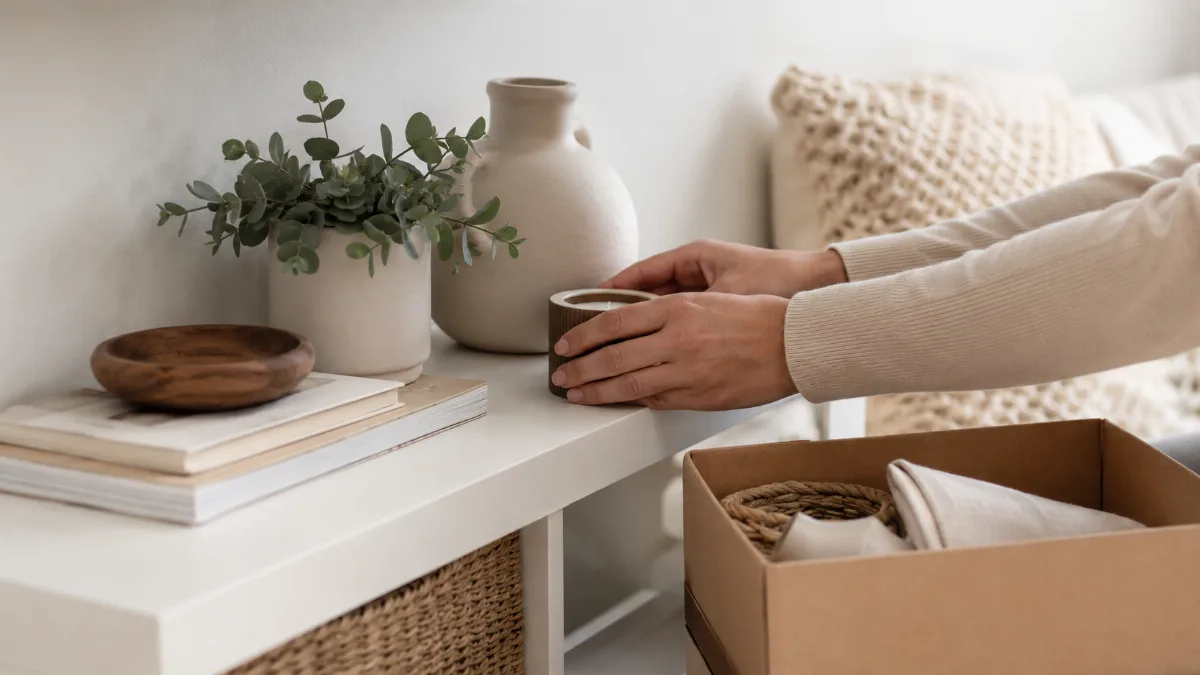
  • Surfaces (Coffee Tables, End Tables): Clear them off completely. Only put back items that are intentional: a couple of coasters, a book you're actively reading, a small plant. Everything else needs a home or needs to go. Fight the urge to leave things out.
  • Media/Electronics: Untangle those damn cords! Recycle old chargers, remotes for devices you no longer own, and any broken electronics. Consolidate movies/games you actually watch/play. Go digital if you can for music and movies.
  • Books/Magazines: Keep only the books you truly love, reference often, or plan to read soon. Donate the rest to a local library or thrift store. For magazines? Tear out the pages you want for inspiration, then recycle the rest.
  • Decorative Items: Does that dusty knick-knack bring you joy? Or is it just collecting dust and adding visual noise? Be honest. Less is often more when it comes to decor. Let your favorite pieces shine.
  • Kid's Toys (If applicable): If toys migrate to the living room, have a small, designated basket or bin for them. At the end of the day, all toys go back into the basket, then back to the kid's room. Set clear boundaries for toys in shared spaces.
  • Blankets/Pillows: Keep only the blankets and throw pillows you actually use and love. Get rid of worn-out, stained, or simply unused items. They can add a lot of bulk if not managed.

I used to have three different remote controls for our TV. Now we have one universal one. It’s a tiny thing, but not having to hunt for the right remote when my kid wants to watch Daniel Tiger feels like a superpower.

Step 3: The Bedrooms – Your Sanctuary (or Storage Unit?)

The place where you're supposed to relax and recharge, but often feels like another storage facility. Especially with kids involved, these rooms can quickly spiral into chaos.

Your Bedroom

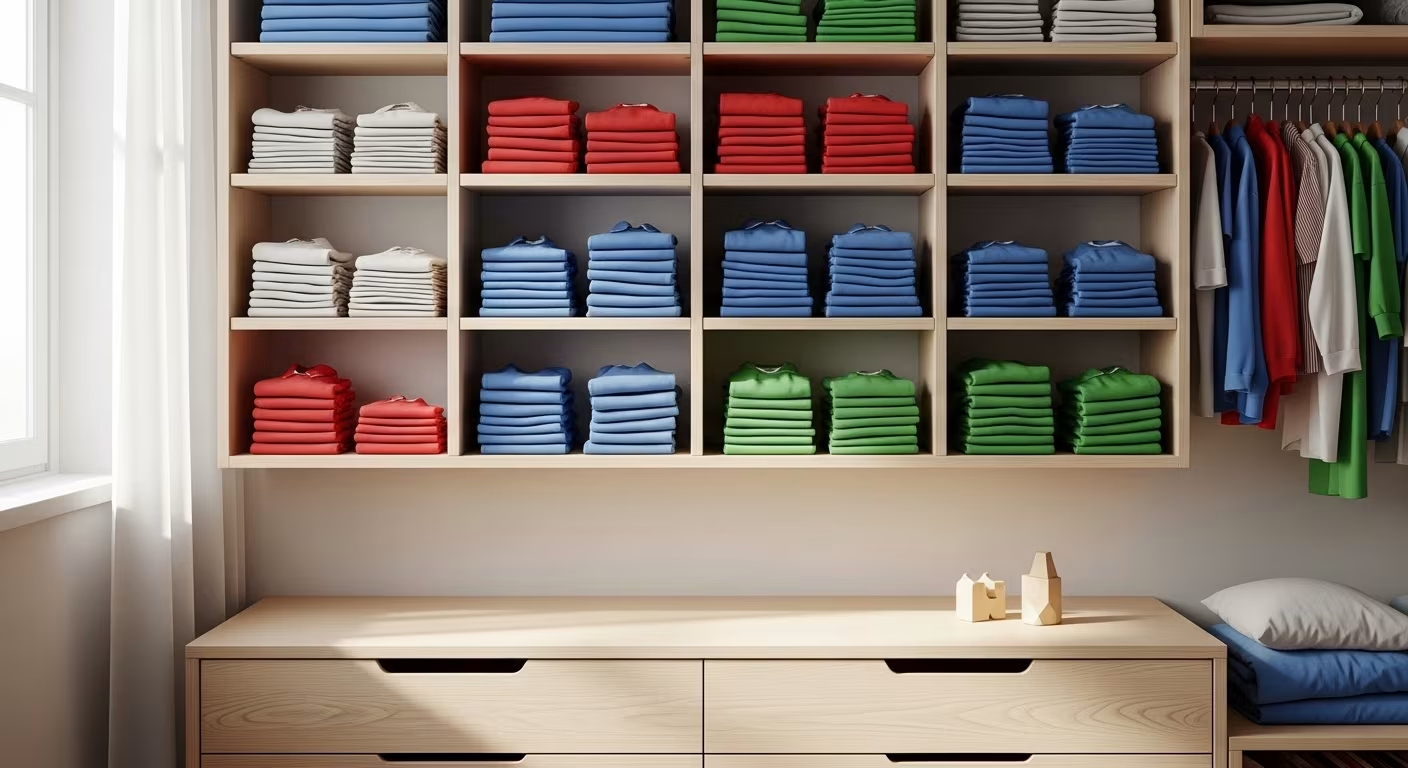
  • Clothes Closet/Drawers: Pull out every single item. If you haven't worn it in a year, it's stained, doesn't fit, or makes you feel "meh," out it goes. This is where I got rid of 75% of my clothes and started my capsule wardrobe. Best decision ever, no regrets.
  • Nightstands/Dressers: Clear them off. Only keep essentials like a lamp, your current book, a glass of water, and maybe your phone. Store lotions, jewelry, and other personal items neatly in drawers. Fight the flat-surface clutter.
  • Under the Bed: Beware the monster under the bed... of forgotten stuff. Pull it all out. Seriously. Be selective about what goes back under there (seasonal items, rarely used sentimental items, but NOT everyday clutter).
  • Jewelry/Accessories: Gather all your jewelry, scarves, and belts. Get rid of anything broken, tangled beyond repair, or that you simply never wear. Organize what's left so you can see it and use it.

My own closet used to be packed, but I only wore about 20% of the clothes. Now, getting dressed takes literally 3 minutes, even when I'm half-asleep. No more 'I have nothing to wear!' moments, even with a smaller wardrobe.

Kids' Bedrooms

Oh, the kids' rooms. The land of broken crayons and tiny plastic invaders. This is a tough one, I know, because their stuff often comes with guilt attached.

  • Toys: This is probably the biggest battleground. Rotate toys. Pick out 1/3 to 1/2 of their toys and store them away for a few weeks or months. Bring them out later. The kids will play with what's available more deeply. Get rid of broken toys, duplicates, and things they've clearly outgrown or never play with.
  • Clothes: Last month I finally tackled my daughter's closet. 47 items. She's three. How does a three-year-old have 47 items of clothing? Half still had tags. Get rid of anything too small, stained, or ripped. Keep only what fits now and is seasonally appropriate.
  • Books: Keep favorites, but donate books they've outgrown or don't enjoy anymore. Libraries are great for variety and for trying out new authors without buying. Encourage borrowing!
  • Artwork/School Papers: This can pile up fast. Keep only the truly special pieces that evoke a strong memory. Photograph the rest and create a digital archive. Or have a designated small "memory box" for a select few physical pieces.
  • Stuffed Animals: They multiply like crazy, don't they? Keep the most cherished ones, and consider donating the rest. Or, set a limit for how many can live on the bed.

Here's what nobody tells you about toy rotation: the first week sucks. Your kid will ask for the toy you just put away approximately 47 times. But week two? Magic. Trust me on this one. They really do play better with fewer choices.

Step 4: The Bathrooms – From Spa to Storage

Another small space that accumulates so much. Lotions, potions, old makeup, half-empty bottles. It's meant for hygiene, but often houses a chaotic collection of personal care items.

  • Under the Sink/Cabinets: Pull everything out. Toss expired medications, dried-up makeup, empty bottles, or anything you tried once and hated. Consolidate duplicates. If you haven't used it in 6 months, it's probably time for it to go.
  • Linens: How many towels do you really need? Keep a few sets per person, plus a couple for guests. Get rid of frayed or stained towels. Same for washcloths – only keep what's in good condition and regularly used.
  • Showers/Tubs: Only keep the products you actively use in the shower. Those half-empty bottles of shampoo from 2019? Gone. Keep it minimal to make cleaning easier and prevent mold.
  • Makeup/Skincare: Check expiration dates (yes, makeup expires!). Toss old mascara, dried-up nail polish, and any products that irritate your skin. Keep only what you actively use and love.
  • Hair Tools: Do you have three hair dryers and five curling irons? Keep one of each that you actually use. Get rid of broken ones or those extra attachments you never figure out.

I used to have four different kinds of shampoo under my sink. Four! Now I have one that works for me and a kid-friendly one. Shower time is less about tripping over bottles and more about actually getting clean, which is a small victory.

Step 5: The Office/Workspace – Productivity Purge

If you have a home office, or even just a designated "desk corner," this space can get unruly fast. Clutter here can seriously impact your focus and productivity.

  • Paperwork: This is usually the biggest culprit. Go digital where possible for bills and statements. File important documents immediately. Shred anything with personal info you don't need. Deal with mail as it comes in; don't let it pile up.
  • Desk Surface: Clear it off. Only keep items you use daily: laptop, pen holder, a notebook, your current planner. Everything else belongs in a drawer or off the desk. A clear desk equals a clearer mind.
  • Office Supplies: Do you have 30 pens, half of which don't work? Consolidate. Only keep a reasonable amount of office supplies. Get rid of dried-up markers, old staplers, random orphaned paper clips. Test pens before keeping them.
  • Cables & Chargers: Gather all your cables. Label them if you can. Get rid of anything you don't recognize or that belongs to a device you no longer own. Keep a small basket or drawer for active cables.
  • Reference Materials: For books, manuals, or research papers, keep only what is actively needed. Scan and save digital copies where possible. Donate or recycle outdated materials.

My desk used to be a mountain range of bills, kids' drawings, and forgotten to-do lists. Now it's clear, and my brain feels clearer too. It’s amazing what a difference a clean workspace makes to your focus and stress levels.

Step 6: The Entryway/Mudroom – The Drop Zone Debacle

This is often the first and last impression of your home. And usually, it's a pile of shoes, coats, backpacks, and general chaos. It's the landing strip for daily life, so it needs to be functional.

  • Shoes: Only keep the shoes you wear regularly in the entryway. Store seasonal shoes elsewhere, like a closet or under a bed. Get rid of shoes that are worn out, don't fit, or you simply don't like anymore.
  • Coats/Jackets: Only hang coats currently in rotation. Store off-season coats in a guest closet or storage bin. Donate ones that no longer fit or are never worn. Overstuffed coat racks are frustrating.
  • Bags/Backpacks: Empty out bags immediately upon coming home. Hang up backpacks. Don't let them become permanent floor fixtures. Have a designated hook or cubby for each.
  • Keys/Mail: Have a designated spot for keys and incoming mail. A small tray, bowl, or hook works wonders for preventing clutter creep on your entryway table. Deal with mail as soon as it enters the house.
  • Hats, Gloves, Scarves: Use a small basket or hooks for these items, especially during colder months. Get rid of single gloves, torn items, or things that no longer fit.

Our entryway used to look like a tornado hit a shoe store. Now, we have a small shoe rack and hooks for coats. It's not perfect, but I can actually see the floor, which is a big win when you're wrestling a toddler into their shoes.

Step 7: Laundry Room/Utility Area – Unsung Hero or Dumping Ground?
Often overlooked, this small space can become a catch-all for laundry supplies, cleaning products, and random junk. It's usually a utilitarian area, but that doesn't mean it has to be messy.
  • Cleaning Supplies: Consolidate. Get rid of empty or nearly empty bottles. Don't keep multiples of the same cleaner unless you truly use them often. Check expiry dates on detergents and other chemicals.
  • Laundry Products: Only keep the detergent, stain remover, and dryer sheets you actually use. Those random fabric softeners you tried once but hated? Toss 'em. Keep the counter clear for folding.
  • Random Items: This area tends to collect "orphaned" items. Broken hangers, forgotten tools, out-of-season gloves, spare lightbulbs. Give everything a proper home, or donate/trash it. If it doesn't belong, it can't live there.
  • Lost and Found Basket: Have a small basket for single socks or items that need to be returned to another room. Empty it weekly to prevent overflow.
  • Tools/Hardware: If this is where you keep household tools, make sure they are organized. Get rid of broken tools, rusty nails, or screws that don't belong to anything.

My laundry room isn't huge, so keeping it clear is essential. I used to have a shelf full of random cleaning products I barely used. Now, it's just the essentials, and it makes doing laundry (my least favorite chore) slightly less terrible.

Making It Stick: Common Mistakes & How to Avoid Them

Okay, so you've done the hard part. You’ve decluttered! But how do you keep it that way? Because let’s be real, life with kids is a constant battle against clutter creep, and stuff has a way of multiplying overnight.

Don't Fall Back Into Old Habits

  • The "Just This One Thing" Trap: It always starts with just one thing. One new toy, one new shirt, one random kitchen gadget. Be mindful of new items coming into your home. Ask yourself: "Do I really need this? Where will it live? Do I have something similar already?"
  • Perfection Paralysis: Don't aim for a magazine-perfect home. Aim for a functional, peaceful home. There will always be some mess with kids; that’s life. The goal isn't zero clutter, it's manageable clutter. Don't let perfect be the enemy of good.
  • Not Having a Designated "Drop Zone": When things come into the house, they need a place to land immediately. Keys, mail, bags, permission slips. If they don’t have a home, they'll just migrate to the nearest flat surface and start a new pile.
  • Forgetting the "One In, One Out" Rule: This is a lifesaver, especially for clothes and toys. If you buy a new shirt, donate an old one. New toy? Get rid of an old one. It helps keep the volume stable and prevents clutter from creeping back.
  • Ignoring Maintenance: Decluttering isn't a one-time event; it's a practice. Spend 10-15 minutes a day doing a quick tidy. Put things back where they belong. A little bit every day prevents big cleanups later.
  • Holding Onto Guilt: You bought something and didn't use it. Someone gave you a gift you don't like. It's okay to let it go. You don't owe the item or the giver a permanent home for something that doesn't serve you.

It’s not about never buying anything again. It's about being more thoughtful about what you bring into your space. Every item you own requires a little piece of your mental energy, even if it’s just to clean around it. That energy is precious.

"Your home isn't a museum. It's a living space. But it doesn't have to be a storage unit for your past purchases or future 'what ifs'."

Frequently Asked Questions

What if my partner isn't on board with decluttering?
Oh, this is a common one, believe me. Don't force it. Start with your own stuff and your shared spaces that bother you the most. When they see the positive changes and feel the benefits – like actually being able to find their keys – they might come around. Lead by example, not by nagging, and avoid making them feel judged.
How do I handle truly sentimental items?
This is tough because those items come with strong emotions. For truly sentimental items, designate a small 'memory box' or bin. Only keep what fits. Take photos of other items to preserve the memory without keeping the physical object. It’s okay to let go of physical things while holding onto the memory; the memory isn't in the object, it's in your heart.
What if I regret getting rid of something?
It happens sometimes. But honestly, it's really rare. I've decluttered a lot over the years, and I can count on one hand the things I've truly regretted letting go of. And usually, those things weren't essential anyway. The relief of a lighter, more functional home almost always outweighs a small, fleeting regret.
How long does this decluttering process actually take?
It's not a one-time event; it's a lifestyle shift. The initial big purge? It could take a weekend for a small room, or several weeks if you tackle your whole house in small, focused chunks. But ongoing maintenance is just a few minutes a day, and that's the key to making it stick. Don't rush it or expect instant perfection.
Is this really worth it if I have small kids who just make messes anyway?
YES. Absolutely, 100 times yes. Less stuff means less stuff for them to pull out, less stuff for you to pick up, and less stress when the inevitable chaos hits. A decluttered home is significantly easier to clean, even when it's just been "played in" by tiny tornadoes. It's about making the mess manageable instead of overwhelming.
What do I do with all the stuff I'm getting rid of?
Don't just make a new pile in the garage! Have a plan for donations, selling, and trash. Schedule a donation pickup or take a carload to a thrift store immediately. If you're selling, set a strict timeline – if it doesn't sell in two weeks, it gets donated. The goal is to get it out of your house, not move it to another room.

The Bottom Line

Look, motherhood is messy. Life is messy. But your home doesn't have to add to that mental burden. This isn't about perfection; it's about making your everyday life a little bit easier, a little bit lighter.

You're already doing so much for everyone else. Give yourself the gift of a home that supports you, instead of constantly draining you. Start small, take a deep breath, and know you've got this. You deserve a little peace in your home. ❤️