
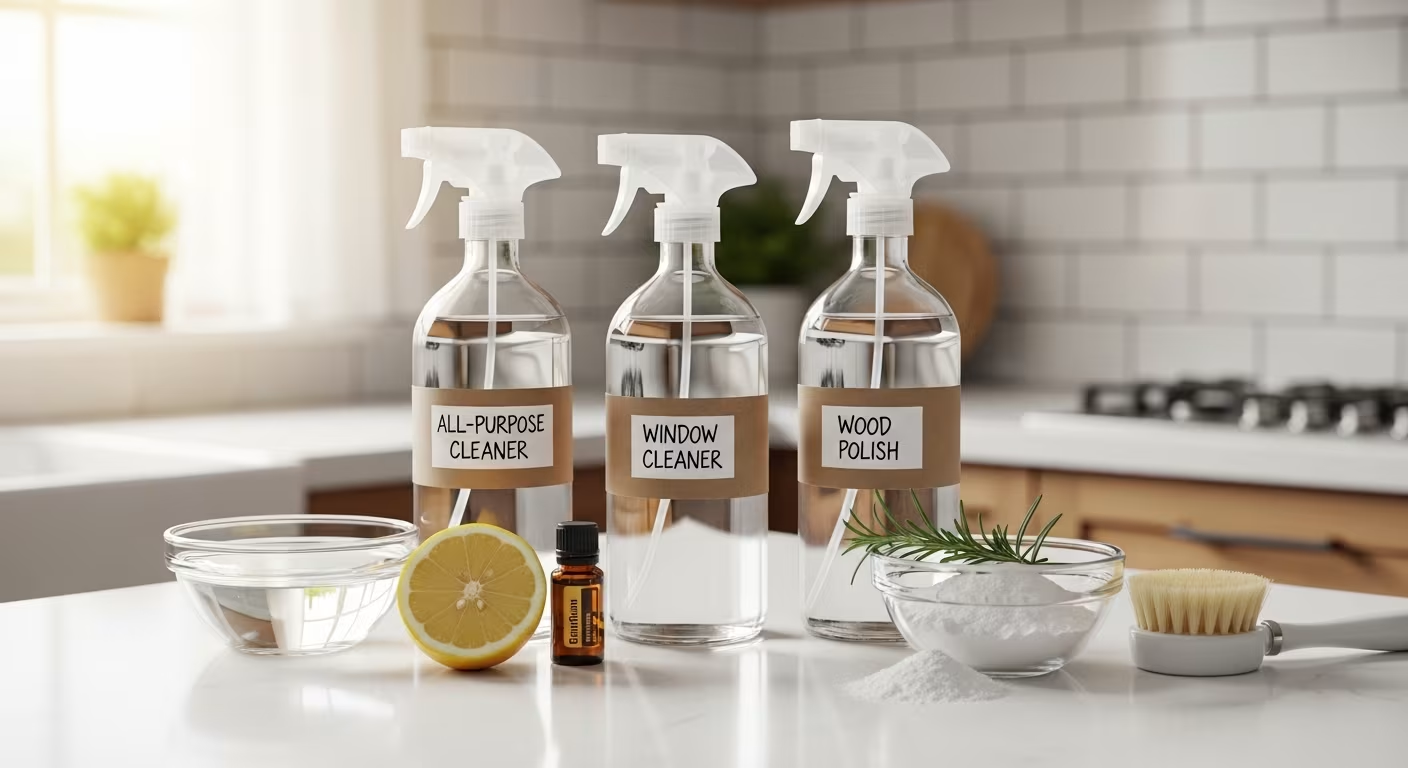

The cleaning aisle sells specificity: a separate spray for glass, another for granite, a dedicated foam for the bathroom, a special wipe for stainless steel. In practice, nearly every household cleaning job comes down to the same short list of jobs, which means a handful of basic ingredients can replace most of that cabinet at a fraction of the cost and with none of the single-use plastic.
Why a Few Ingredients Cover Most Cleaning
Most surfaces need one of four actions: an acid to dissolve mineral deposits and soap scum, an alkaline agent to cut grease, mild abrasion to scrub, or an antibacterial agent to sanitize. Match the action to the mess and the branded specialty product rarely earns its shelf space.
White vinegar supplies the acid. Baking soda supplies gentle alkaline abrasion. Castile soap supplies the surfactant that lifts grease and general grime. Water dilutes and carries everything. Essential oils, if you want them, add scent and some antimicrobial character. Those five inputs handle the large majority of routine cleaning without proprietary formulas, plastic packaging, or synthetic fragrance, and they cost a few dollars for months of use rather than a few dollars per bottle. A gallon of white vinegar and a large box of baking soda together run less than a single premium spray and outlast a dozen of them, which is part of why the approach tends to stick once people try it: the savings show up every time the cabinet does not need restocking.
The Core Ingredients and What They Do
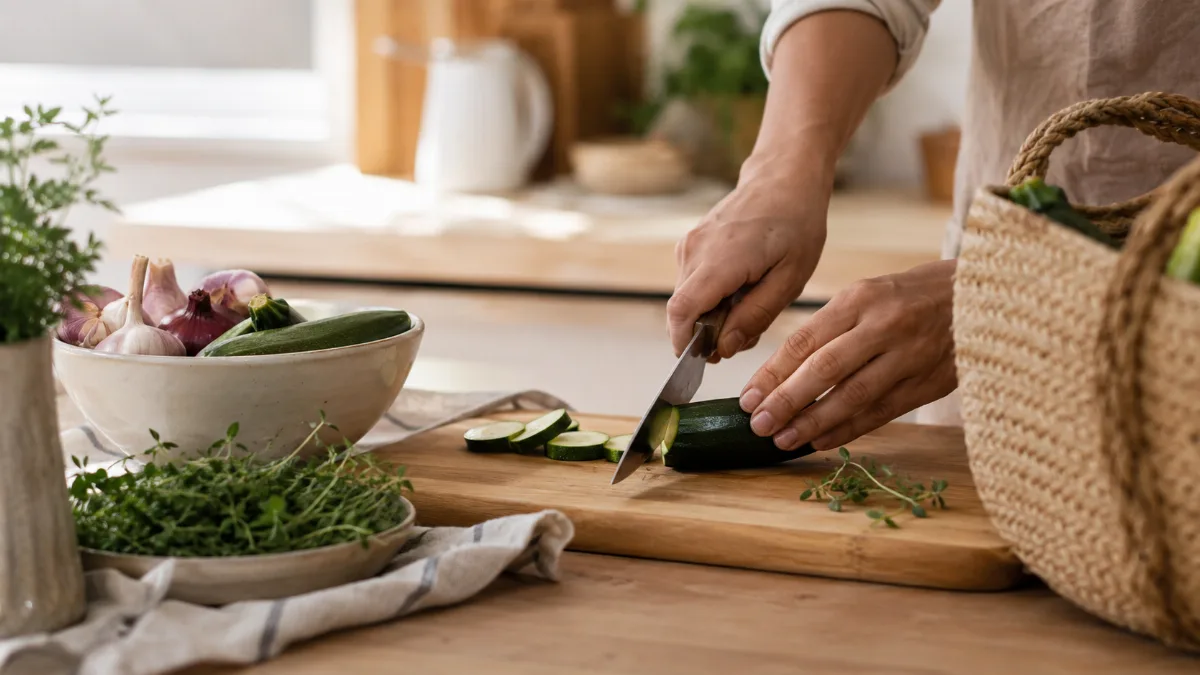
White vinegar (5% acidity) dissolves hard-water deposits, soap scum, and mineral buildup, and works well on glass, tile, and stainless steel. The smell dissipates as it dries, and a few drops of essential oil mask it during use. Keep it off natural stone such as marble, granite, and travertine, and off porous grout, since the acid etches stone and degrades grout over time. the GSA's Sustainable Facilities Tool makes a similar point.
Baking soda is a mild abrasive that scrubs without scratching and deodorizes as it goes. It works as a paste or a dry powder on sinks, tubs, and ovens, and it reacts with vinegar in a fizz that helps lift debris out of surfaces and drains.
Castile soap (unscented liquid) is a plant-based surfactant that removes grease and everyday surface grime. Diluted in water, it becomes an all-purpose cleaner; a small squeeze in a spray bottle of water handles countertops, stovetops, and most hard surfaces.
Hydrogen peroxide (3%) is a mild antibacterial and bleaching agent, useful for sanitizing surfaces, lifting mold from grout, and lightening stains. Store it in a dark bottle, since light degrades it. Never mix it with vinegar in the same container: together they form peracetic acid, which is more corrosive than either alone. If you want both, apply one, rinse, then apply the other.
Recipes That Replace a Cabinet of Products
A short set of mixes covers most of what the specialty sprays promise. Each takes a minute to make and uses ingredients you already have on hand.
- All-purpose spray: equal parts water and white vinegar in a spray bottle, plus 10 to 15 drops of essential oil (tea tree, lavender, or lemon) if desired. Good on countertops, tile, glass, and most hard surfaces.
- Soap-based all-purpose spray: 2 cups water, 1/4 teaspoon liquid castile soap, and 15 drops essential oil. Handles greasy surfaces such as stovetops and kitchen counters better than the vinegar version.
- Abrasive paste for sinks and tubs: 1/2 cup baking soda mixed with enough castile soap to form a paste. Apply, scrub, rinse.
- Drain maintenance: pour 1/2 cup baking soda into the drain, follow with 1/2 cup white vinegar, let it foam for 15 minutes, then flush with hot water. Repeat monthly to prevent buildup.
- Glass cleaner: 2 cups water, 1/2 cup white vinegar, and 1/4 cup rubbing alcohol (70%). Wipe with a microfiber cloth or newspaper for a streak-free finish.
- Disinfecting spray: undiluted 3% hydrogen peroxide, sprayed on, left 10 minutes, then wiped. Effective against most household bacteria and mold.
- Toilet bowl cleaner: 1/2 cup baking soda and 1/2 cup white vinegar in the bowl, left to fizz 15 minutes, then scrubbed and flushed. For stains, add a few drops of tea tree oil to the baking soda first.
Reusable Tools That Last for Years
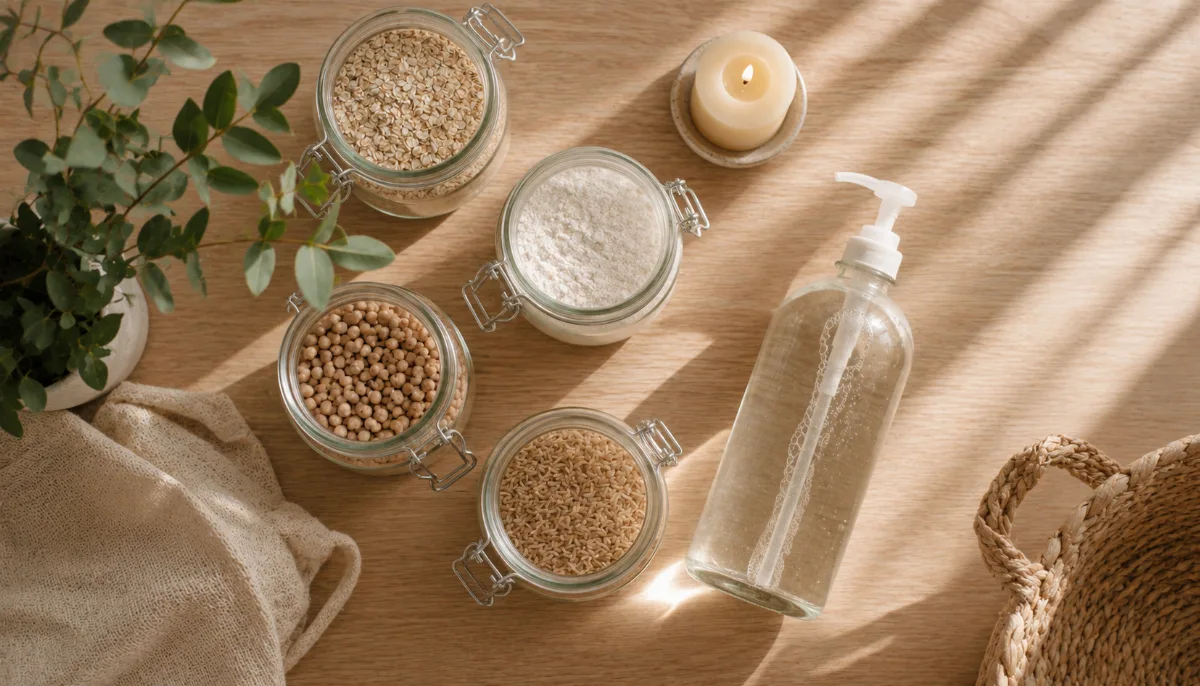
The tools matter as much as the solutions, since single-use wipes and paper towels are the biggest source of cleaning-related waste in most homes. A few durable replacements retire most of that stream: a set of machine-washable microfiber cloths for glass and general surfaces, cotton dishcloths that stand in for paper towels on kitchen jobs, a scrubbing brush with a replaceable head, and a natural-bristle toilet brush. Bought once, these swap out thousands of disposable wipes and rolls over their lifespan, and they clean at least as well.
Storage, Labeling, and Safety
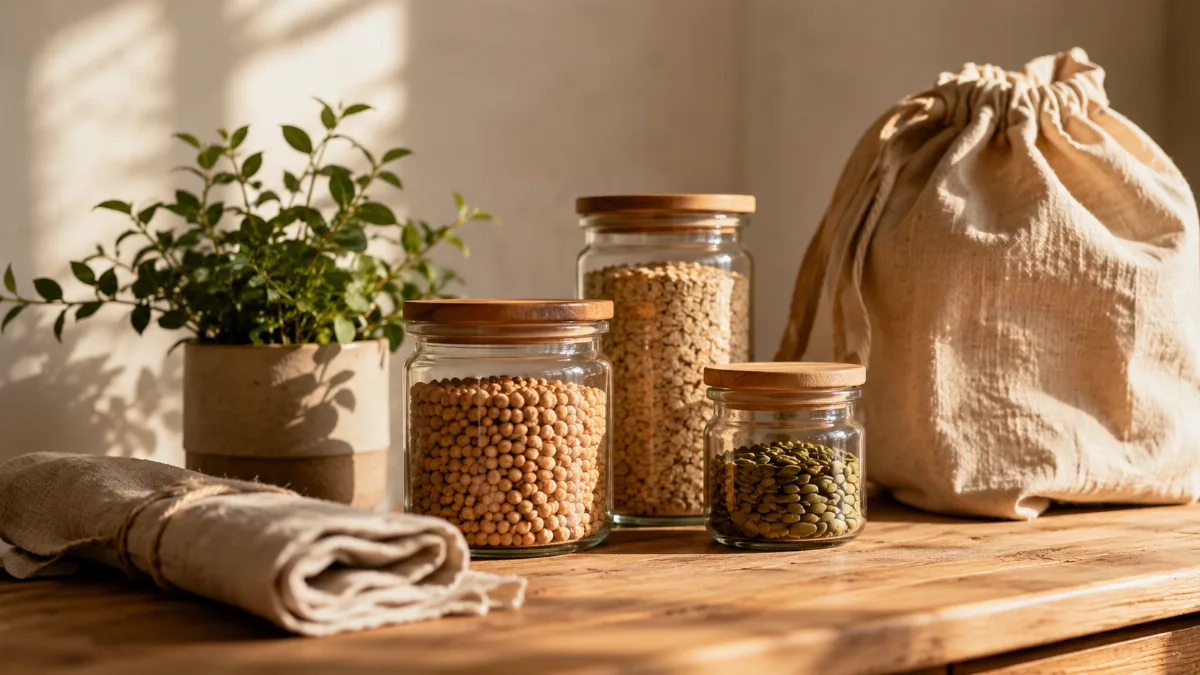
Homemade cleaners keep best in clearly labeled containers, whether spray bottles or glass jars with tight lids, stored out of direct sunlight and heat. Label each one with its contents and the date mixed. That step matters most when solutions look alike: diluted dish soap and diluted castile soap are visually identical, and a mislabeled bottle can lead to layering an acid over a baking-soda residue, which just fizzes uselessly and wastes product.
Different ingredients have different shelf lives. Vinegar and castile soap store indefinitely at room temperature. Baking-soda paste works best mixed fresh, since it loses abrasive punch after sitting wet for long stretches. Castile-soap dilutions stay stable for several weeks in a sealed container. Hydrogen peroxide degrades with light, so keep it in its original dark bottle or an opaque one. Glass is preferable to plastic for acidic solutions like vinegar, which can slowly degrade some plastics and pick up off notes. Keep every cleaning product, homemade included, out of reach of children and pets.
What DIY Doesn't Cover
Homemade cleaners handle most routine jobs, but a few situations still call for commercial products or a professional. Heavy mold remediation, especially where there is structural moisture behind it, needs stronger agents or an actual assessment. Baked-on oven carbon beyond what a baking-soda paste lifts may require a commercial oven cleaner. Certain specialty surfaces, such as specific coatings or antique finishes, need products made for that material.
Used occasionally for those cases, commercial products are perfectly reasonable. The goal is not to purge every store-bought cleaner but to shrink the collection to what is genuinely necessary: a few targeted products for a few specific tasks, instead of a cabinet full of single-use packaging for jobs the homemade set already handles. For how cleaning fits a broader effort to cut household waste, see our guide to zero waste living for beginners.
Surfaces That Need Special Care
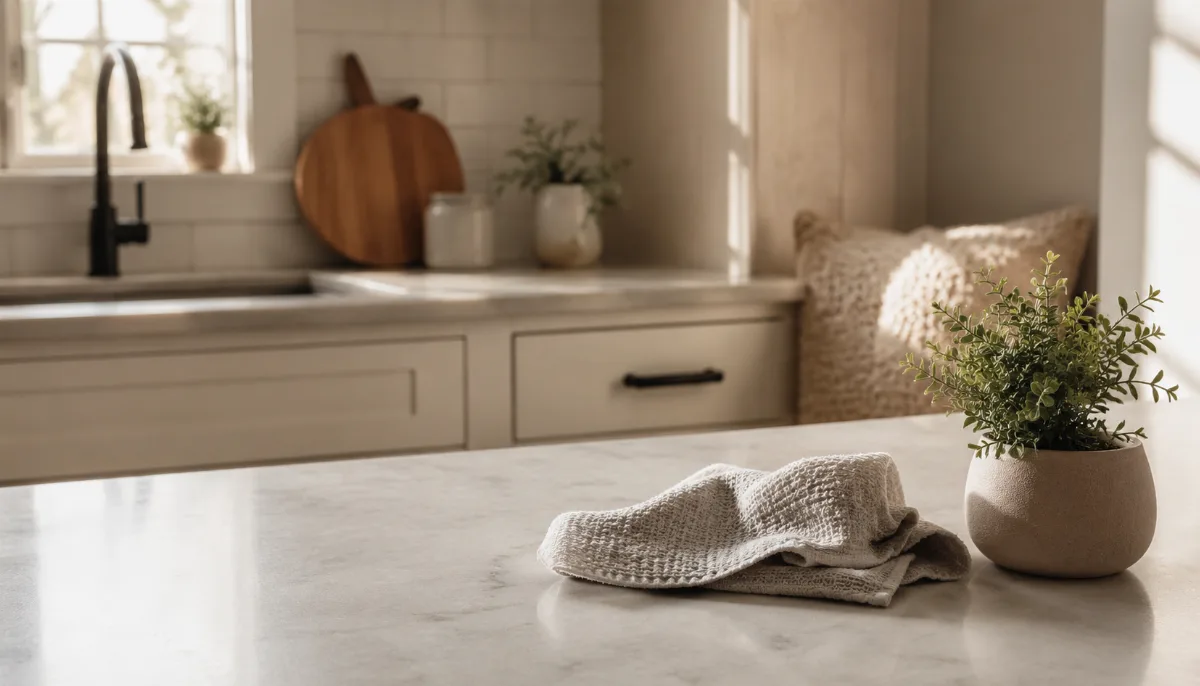
A handful of surfaces fall outside the four-ingredient toolkit and deserve a different approach. Natural stone, including marble, granite, and travertine, reacts badly to acid; vinegar will etch a polished surface over time and strip its protective finish, so diluted castile soap and warm water followed by a thorough rinse is the right call. Hardwood floors also do better without vinegar, and without much water at all, since excess moisture warps the fibers; a well-wrung mop with a single drop of castile soap in a bucket of water cleans them safely.
Cast iron is the clearest exception: it should never meet soap of any kind, castile included, because soap strips the seasoning built up over years of use. Hot water and a stiff brush or a chain-mail scrubber remove food residue while leaving that seasoning intact. Knowing which surfaces need special handling prevents the most common homemade-cleaning mistake, which is reaching for one general solution and applying it to a surface that needed something else. Start with the four core ingredients for everyday jobs, keep one or two specialty products for the exceptions, and the whole cleaning routine gets cheaper, simpler, and far lighter on packaging.
Recipes at a glance:
| Cleaner | Recipe |
|---|---|
| All-purpose | 1:1 water and white vinegar + 10–15 drops essential oil |
| Soap-based all-purpose | 2 cups water + 1/4 tsp castile soap + 15 drops oil |
| Sanitizing jobs | hydrogen peroxide 3% — mild antibacterial, lifts mold |
| Mineral deposits | white vinegar (5%) dissolves scale and soap scum |

Comments
No comments yet.