
Minimalist Laundry Room Ideas That Save Space and Sanity
Okay, raise your hand if your laundry room (or corner, or closet, no judgment) looks like a war zone most days. Mine used to be a graveyard for single socks, crusty dryer sheets, and half-empty bottles of mysterious cleaning solutions.
I’m talking about the kind of chaos that makes you just close the door and pretend it doesn't exist. You know, until you run out of clean underwear and have to go in there anyway. It was a damn nightmare.
We’re gonna talk about how to get that space under control. We’ll go over why this mess matters more than you think, how to actually tackle it, and some ways to keep it from spiraling out of control again. No fancy influencer stuff, just real talk for real moms.
It’s not about having a showroom laundry room. It’s about not wanting to cry every time you walk in there.
Why This Actually Matters
Honestly, for years, I just ignored my laundry room. It was one of those rooms that felt like a catch-all for everything I didn't want to deal with right then. Old towels, forgotten school projects, empty boxes.
But that mental load? It adds up. Every time I opened that door and saw the mess, it was just one more thing on my already overflowing to-do list. One more tiny little stressor chipping away at my sanity.
I used to think, "who cares if the laundry room is messy?" It’s a utility space, right? But then I realized that every messy space in my home contributed to the overall feeling of overwhelm. It’s like a thousand tiny cuts.
When I finally decluttered it, I kid you not, I felt a physical weight lift. It wasn't just about finding the fabric softener anymore; it was about reclaiming a tiny bit of peace in my day. Imagine how much time you've wasted digging for something in there.
Think about it: how many times have you bought a new bottle of stain remover because you couldn't find the old one? Or spent 10 minutes looking for the delicates bag? That’s time and money just... gone. Just last week, I found three bottles of white vinegar behind a pile of old beach towels. Three!
Having a streamlined laundry space means less frustration, less wasted time, and honestly, less actual cleaning because there's less stuff to clean around. It’s a small change with a surprisingly big impact on your daily vibe.
What Even Is a Minimalist Laundry Room?
Okay, let's get one thing straight. A "minimalist" laundry room doesn't mean you have a single bar of soap and a rock for scrubbing. We're not living in a cabin in the woods, even if some days it feels like it.
It means your laundry space serves its purpose efficiently, without a ton of extra clutter. It's about having only what you genuinely need and use, and everything else gets the boot.
It's about making laundry less of a soul-crushing chore and more of a mundane task that you can just do and then move on. You're not looking for lost items, you're not battling mountains of random crap.
The goal is function over form, but with a little sprinkle of calm thrown in for good measure. No more stress-inducing piles or overflowing shelves.
The Core Principles
There are a few simple ideas behind this whole thing. Once you get them, applying them to your laundry room (or any room, really) becomes a lot easier. It's not rocket science, just common sense that gets buried under kid stuff.
- Declutter Ruthlessly - This is the big one. Get rid of anything that doesn't belong or isn't used regularly. Be honest with yourself.
- Streamline Supplies - Consolidate your products. Do you need three types of detergent? Probably not. Stick to a few versatile ones.
- Optimize Storage for Function - Use the space you have effectively. Vertical storage is your friend. But don't buy storage before you declutter.
- Maintain a Clear "Landing Zone" - Try to keep surfaces clear. This makes cleaning easier and reduces visual clutter instantly.
It's really about taking control of the stuff, instead of letting the stuff control you. And believe me, laundry stuff can absolutely take over if you let it.
How To Actually Do It
Alright, so you're ready to dive into the abyss? Good. Grab a trash bag, maybe a glass of wine for afterward, and let's get to work. Remember, this isn't about perfection, it's about progress.
Step 1: The Great Purge (of Products)
This is where we start. Open those cabinets, look under the sink, check the top of the washer. What do you see?
My guess is a collection of half-empty bottles, forgotten stain removers that maybe worked once, and probably a few things that don't even belong in a laundry room. I had an old can of WD-40 in there once. Why? No damn idea.
Pull everything out. Yes, everything. Put it all on the floor or a counter. Now, go through it item by item. Ask yourself: "Do I use this? Is it empty or expired? Does it even belong here?"
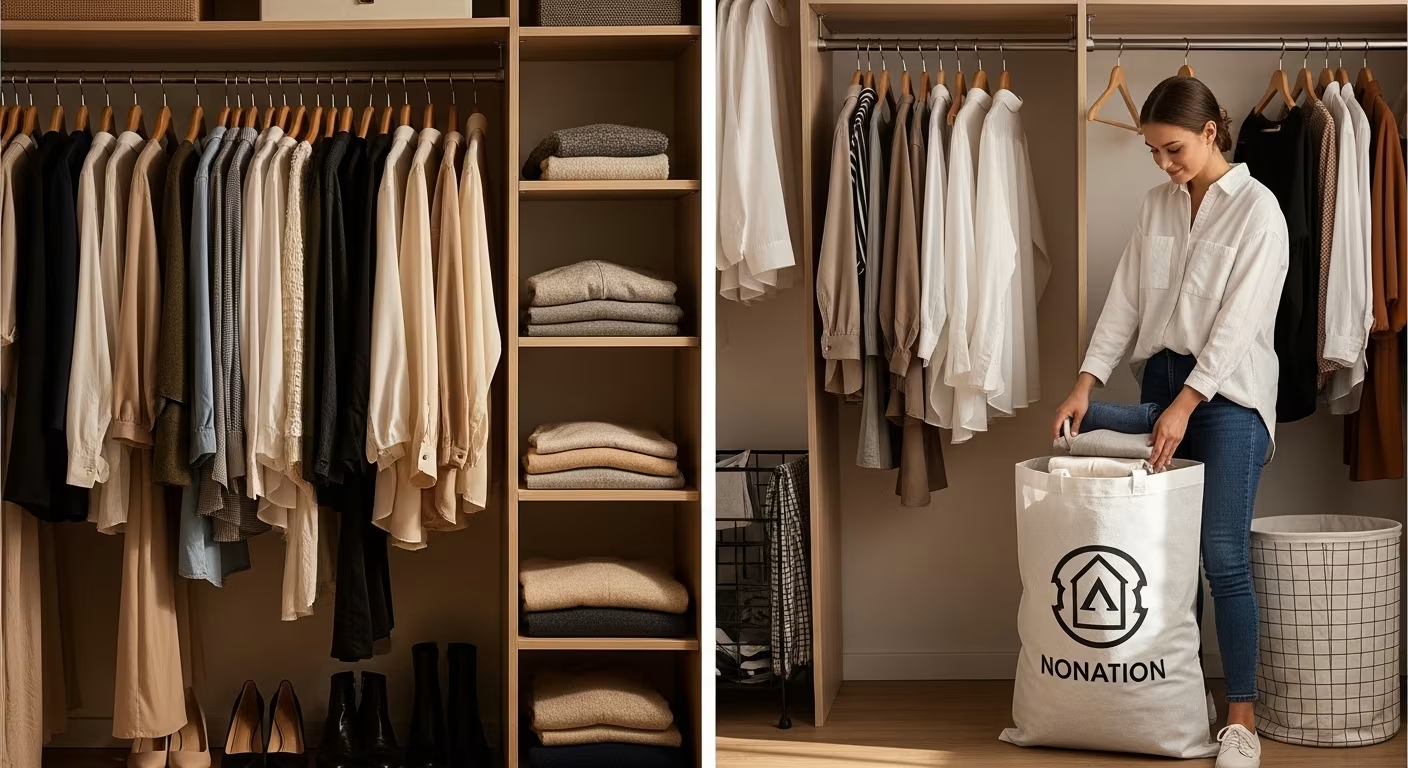
Toss anything that's empty, almost empty and crusty, or expired. Combine nearly empty bottles of the same product if you can. Get rid of specialty cleaners you haven't touched in a year. Remember that weird shoe deodorizer you bought? Yeah, that can go.
You'll probably be surprised by how much you find. I once found four different brands of bleach. Four! And I only use bleach, like, twice a year.
Don't forget the lost socks. You know the ones. The lonely, orphaned socks that have been waiting for their partners for months. Give them a decent burial in the trash or designate a "lost sock basket" for a limited time (and then actually purge it).
Step 2: Tackle the Tools and Accessories
Now that the chemicals are sorted, let's look at the actual stuff you use for laundry. Ironing boards, hampers, drying racks, lint rollers, clothes pins. Again, pull it all out and evaluate.
Do you actually iron? Be honest. I used to keep an ironing board in my laundry room for years, mocking me. I probably used it twice a year for a fancy dress shirt. Now I just steam those, or send them to the dry cleaner. That huge board was taking up prime real estate.
Keep only the hampers you regularly use. If you have three, but only ever use two, get rid of one. Do you have a giant drying rack that constantly gets knocked over? Maybe opt for a smaller, wall-mounted one or just use hangers on the shower rod instead.
Lint rollers: how many do you need? One good one is usually enough. Clothes pins: do you actually hang clothes on a line, or are these just relics from another life? If they're broken or rusty, toss 'em.
The goal here is to keep the essential tools that make your life easier, and ditch the ones that just add bulk and never get used. It's about finding what genuinely serves you right now, not what you might use someday.
Step 3: Rethink Storage (Post-Declutter)
Now that you've purged, you can see what you actually need to store. This is key. Don't buy storage containers before this step. You'll just buy the wrong size or too many.
Look at your space. Do you have vertical wall space? Can you add a simple shelf or two above your washer/dryer? Shelves are your best friend for detergents, dryer sheets, and other frequently accessed items.
For smaller items like stain sticks, delicate bags, or extra laundry pod refills, clear bins or baskets can be really helpful. This keeps things contained and prevents them from sprawling all over the place.
A simple rod for hanging clothes straight out of the dryer can be a game-changer. No more draping things over every available surface. You don't need anything fancy, just a sturdy tension rod or a wall-mounted bar.
If you have a utility sink, consider a small caddy for scrubbing brushes or pre-treatment sprays. Keep the countertop clear as much as possible. Visual clutter is still clutter, even if it's organized.
Don't feel pressured to buy matching, expensive containers. Simple, clear bins from Target or even sturdy shoeboxes can work just fine. The point is to make things easy to find and put away, not to win an organizing award.
Step 4: Streamline Your Supplies
This is where you consolidate and simplify your actual laundry products. Are you using three different kinds of detergent? Maybe a separate one for colors, whites, and delicates? Is that really necessary?
Consider using one good, all-purpose detergent. If you have specific needs (like a baby detergent for super sensitive skin), fine. But challenge yourself to cut back. Less variety means less to store and less decision fatigue.
I switched to laundry strips a while ago, and it's been awesome. No more giant plastic jugs, they take up hardly any space, and they work just as well. Or consider making your own powdered detergent if you're feeling ambitious – it saves a ton of money and packaging.
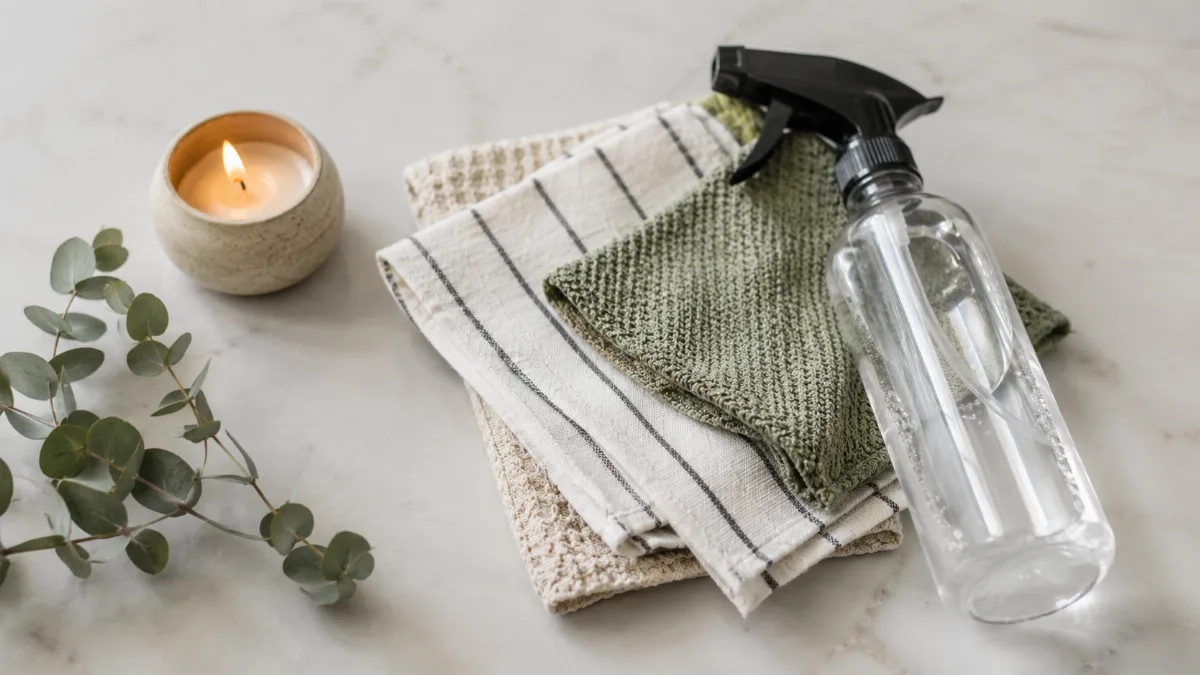
For stain removers, one good, versatile spray is usually enough. For brightening, a scoop of oxygen booster or even just some good old baking soda can do wonders. You don't need a specific product for every single type of stain.
Think about dryer sheets. Do you really need them, or can you use wool dryer balls instead? They're reusable, chemical-free, and take up less space. Plus, you can add essential oils for a natural scent if you want.
The less variety of products you have, the simpler your shopping list becomes, and the less visual noise you'll have in your laundry space. It's amazing how much mental energy we waste on these tiny decisions.
Step 5: Create a Routine That Sticks
Having a minimalist laundry room is only half the battle. Keeping it that way requires a routine. This isn't about being perfect, it's about being consistent enough to prevent total anarchy.
First, designate baskets for dirty clothes. We have one for colors, one for whites, and one for towels/bedding. My kids know to put their dirty clothes in the right basket. Most of the time. We're working on it.
Try to run one load a day, or every other day, rather than letting it pile up all week. This makes each load less overwhelming. It's easier to fold two baskets of clothes than a mountain of six.
The cardinal rule: fold or hang clothes immediately after they come out of the dryer. Do not let them sit in the basket. That's how the "chair full of clean clothes" monster is born. And that monster is the worst.
Teach your family where everything goes. If things have a clear home, they're more likely to be put away. My husband knows the dryer balls go in the basket above the machine. My kids (theoretically) know where to put their clean socks.
A quick 5-minute tidy-up once a week can also work wonders. Just put things back in their proper place, wipe down surfaces, and empty the lint trap. It prevents things from building up again.
Step 6: Optimize the Layout (Even Tiny Spaces)
Even if you have a laundry closet, you can make it work better for you. Think about the flow. What do you do first? What do you reach for most often?
Keep frequently used items (detergent, dryer balls) within easy reach. Less common items (bleach, specialty stain removers) can go on higher shelves or in closed cabinets. This just makes the process smoother.
If you have a tiny space, consider a stackable washer and dryer. Or if you have a side-by-side, can you add a countertop over them? This gives you a much-needed folding surface.
Wall-mounted drying racks that fold flat against the wall are brilliant for small spaces. They give you extra drying capacity without taking up permanent floor space. Same with wall-mounted lint bins.
If your laundry area is in a high-traffic zone (like a hallway or kitchen), think about how you can visually contain it. A nice curtain or bifold doors can hide the "mess" when it’s not in use.
Every inch counts in a small space. Use hooks on the back of doors for lint rollers, an empty garment bag, or even a small dustpan and brush. It's about working with the space you have, not against it.
Making It Stick / Common Mistakes
Alright, you've done the hard work. Your laundry room looks decent, you can actually see the floor, and you found that shirt you lost six months ago. Now, how do you keep it this way? It’s easy to slip back into old habits, trust me.
One of the biggest mistakes I see people make is buying too much storage before they declutter. They see a mess and think, "I need more bins!" No, honey, you need fewer things. Once you purge, you might realize you have plenty of storage already, or you need something completely different.
Another pitfall is not involving the rest of the family. If you're the only one putting things away and keeping it tidy, you're going to burn out fast. Everyone who makes laundry dirty should contribute to the process of keeping the laundry area clean. Even tiny humans can put their socks in the basket.
Don't aim for perfection. Seriously, my laundry room is not always spotless. There are still stray socks sometimes, and occasionally a forgotten towel. The point isn't to be magazine-cover ready, it's to be functional and not a source of stress. Good enough is, well, good enough.
Holding onto "just in case" items is another huge one. That special pre-treater for mud stains that you've only used once in five years? That tiny bottle of travel detergent you got from a hotel? Unless you use it regularly, let it go. "Just in case" usually means "never."
"The most efficient laundry room isn't filled with gadgets; it's free of unnecessary clutter, making room for sanity."
And finally, be kind to yourself. If it gets messy again, it's not the end of the world. Just take a deep breath, spend 10 minutes tidying up, and get back on track. It's a continuous process, not a one-and-done project.
Frequently Asked Questions
The Bottom Line
Look, the laundry room probably isn't the most glamorous part of your house. But a messy, chaotic one adds unnecessary stress to an already never-ending chore. Taking a little time to simplify it can seriously lighten your mental load.
It’s not about perfection, it’s about making one small corner of your home a little bit easier to manage. You don't need to transform it overnight. Just pick one thing from this list, even just tackling the half-empty bottles, and start there. You'll be amazed at the difference a little breathing room can make. ✨