
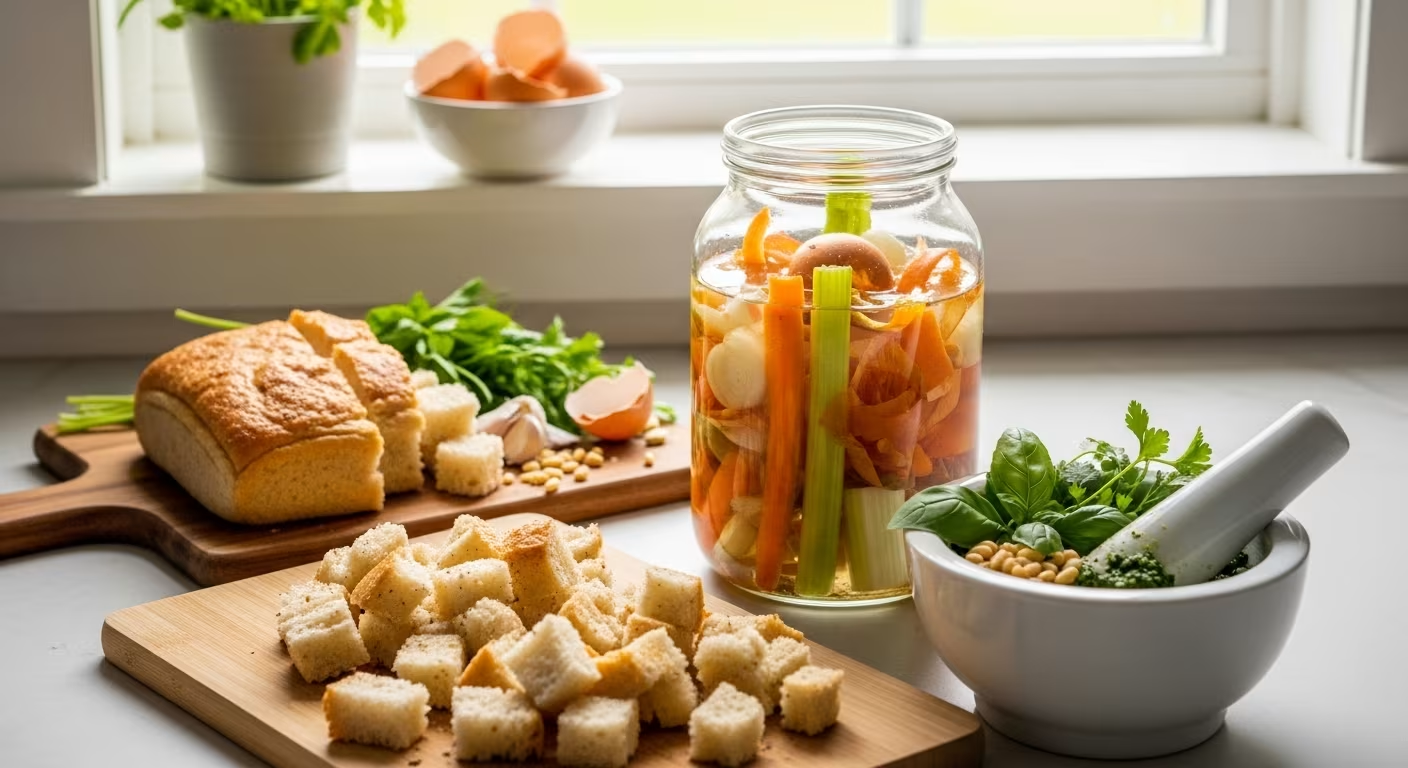

A large share of the food a household buys is thrown out — produce that wilts before anyone cooks it, leftovers that outlast their appeal, the jar of tahini bought for one recipe and never opened again. In a minimalist kitchen the fix is rarely a new gadget or a set of matching containers. It is buying less, buying more often, and building meals around what is already in the fridge. Most waste is a purchasing problem wearing a storage costume.
The Waste Starts at the Shelf, Not the Bin
By the time food hits the compost or the trash, the decision that wasted it was made days earlier at the store. The optimistic bag of spinach, the third variety of hot sauce, the family-size pack of chicken for a two-person household — each was bought against an imagined week that rarely arrives. A right-sized pantry is the single biggest lever, because it prevents the accumulation that turns into expiration-date waste.
A pantry sized to genuine cooking patterns holds a handful of grains and legumes used weekly, the oils and seasonings that match the food actually made, canned goods in quantities proportional to real use, and no more than a couple of weeks of shelf-stable backup. Anything not touched in two months is a candidate for a meal this week or the donation box — not another season of sitting untouched.
Size the Pantry to How You Actually Cook
Run a pantry audit once: pull everything out, group it, and be honest about what earns its shelf. The specialty vinegar bought for a single recipe, the four half-empty bags of ancient grains, the "stock up because it was on sale" duplicates — these are the quiet source of most pantry waste. A capsule pantry of roughly 30 to 40 staples supports a full week of cooking without the overstuffed shelves that hide expired jars at the back.
The test is use, not intention. A staple that shows up in real meals stays. A staple that survives every audit unopened is telling you it does not belong, no matter how virtuous it looked in the aisle.
Shop Smaller, Shop More Often
The single most effective change is shopping more frequently for smaller amounts. The big weekly haul optimizes for fewer trips but produces more waste: the produce bought Monday rarely survives to Thursday, and the week almost never unfolds the way the meal plan imagined.
Buying fresh ingredients two or three times a week means bringing home only what gets eaten before the next trip, which cuts the produce spoilage that makes up the largest slice of household food waste. Meat and fish bought for the next day or two rather than the whole week taste better and waste less. Bread from a bakery every few days beats a weekly loaf that goes stale by day five. Frequent small shops track how a household actually eats instead of how it optimistically plans.
Store Produce So It Lasts
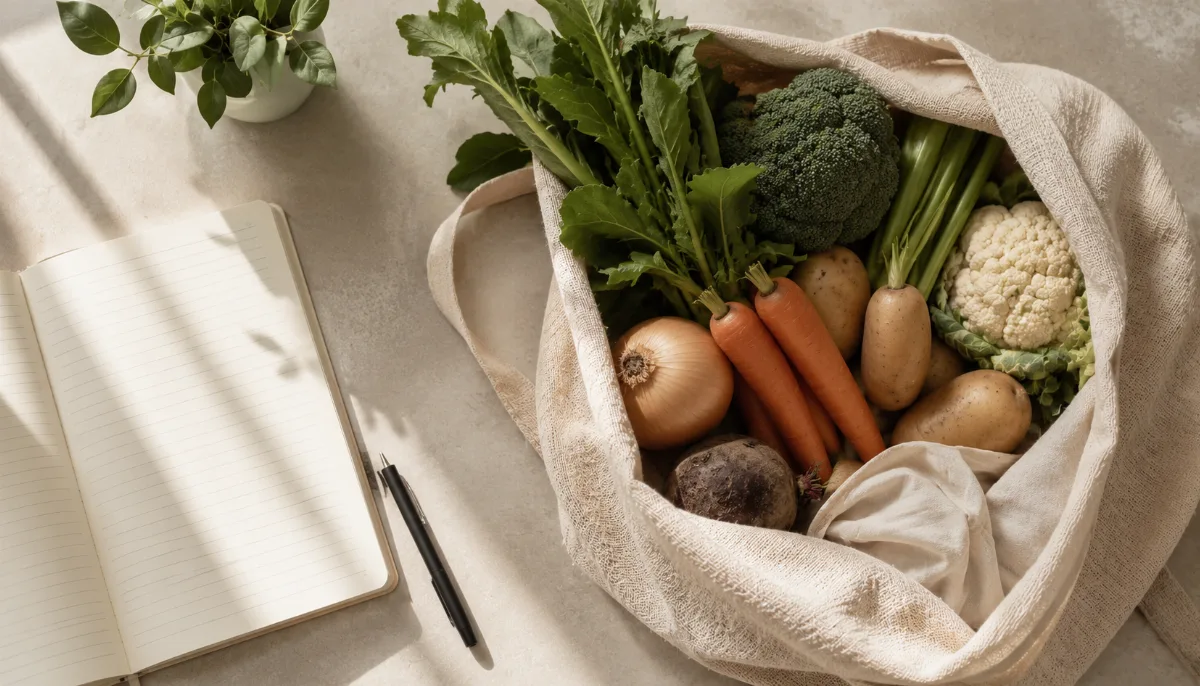
A lot of produce waste is a storage failure, not a purchasing one. The same head of lettuce lasts two days or ten depending entirely on how it is kept. A few specific habits stretch the useful life of the items most households buy every week:
| Item | How to store it | Typical result |
|---|---|---|
| Soft herbs (parsley, cilantro) | Stems in a glass of water, a loose bag over the top, in the fridge | 2–3 weeks instead of 3–4 days |
| Leafy greens | In their container with a dry paper towel to absorb moisture | Crisp for a week or more |
| Berries | Unwashed until eaten, in a breathable container | Several extra days before mold |
| Apples, ripe bananas | Stored away from greens and cucumbers | Their ethylene stops spoiling nearby produce |
| Potatoes, onions | Cool, dark, out of the fridge, kept apart | Weeks to months |
Knowing the specific need of the five or six things bought most often does more than any drawer gadget. Herbs treated like cut flowers, greens kept dry, and ethylene producers separated from ethylene-sensitive items slow the pace of decay across the whole crisper.
Cook From What You Already Have
Before planning any meal, scan the fridge and pantry for what needs using first — the produce near the end of its window, the leftover from Tuesday, the opened package that should be finished. Let that ingredient drive the meal instead of choosing a recipe and then buying for it. That single reversal eliminates the most common source of waste.
Two mechanical habits reinforce it. Put newer groceries at the back and pull older ones forward — the same rotation restaurants use, for the same reason: it keeps expiry dates visible. And designate one shelf as a "use first" zone for items on their last days, so nothing gets lost behind three newer containers. Clear or glass containers help here; a nearly empty tub of leftovers at eye level gets eaten, while the same tub shoved to the back does not.
Batch cooking helps only if the batch is smaller than your patience for eating it. Most people tire of the same dish after two or three servings, so cooking components — grains, roasted vegetables, a sauce — rather than eight portions of one assembled meal keeps variety up and waste down. Whatever genuinely cannot be used, prep scraps and peels, is what the compost is for. Sending kitchen scraps to a bin rather than landfill, following the EPA's guidance on composting at home, keeps them out of the methane cycle — but a well-run kitchen has very little left to compost in the first place. For the wider picture, see our guide to zero waste living.
Pick one habit this week — a smaller midweek shop, or moving older food to the front of the fridge — and let it settle before adding the next. Less food wasted is mostly the result of buying closer to what you eat, and that is a change of routine, not a change of equipment.

Comments
No comments yet.