
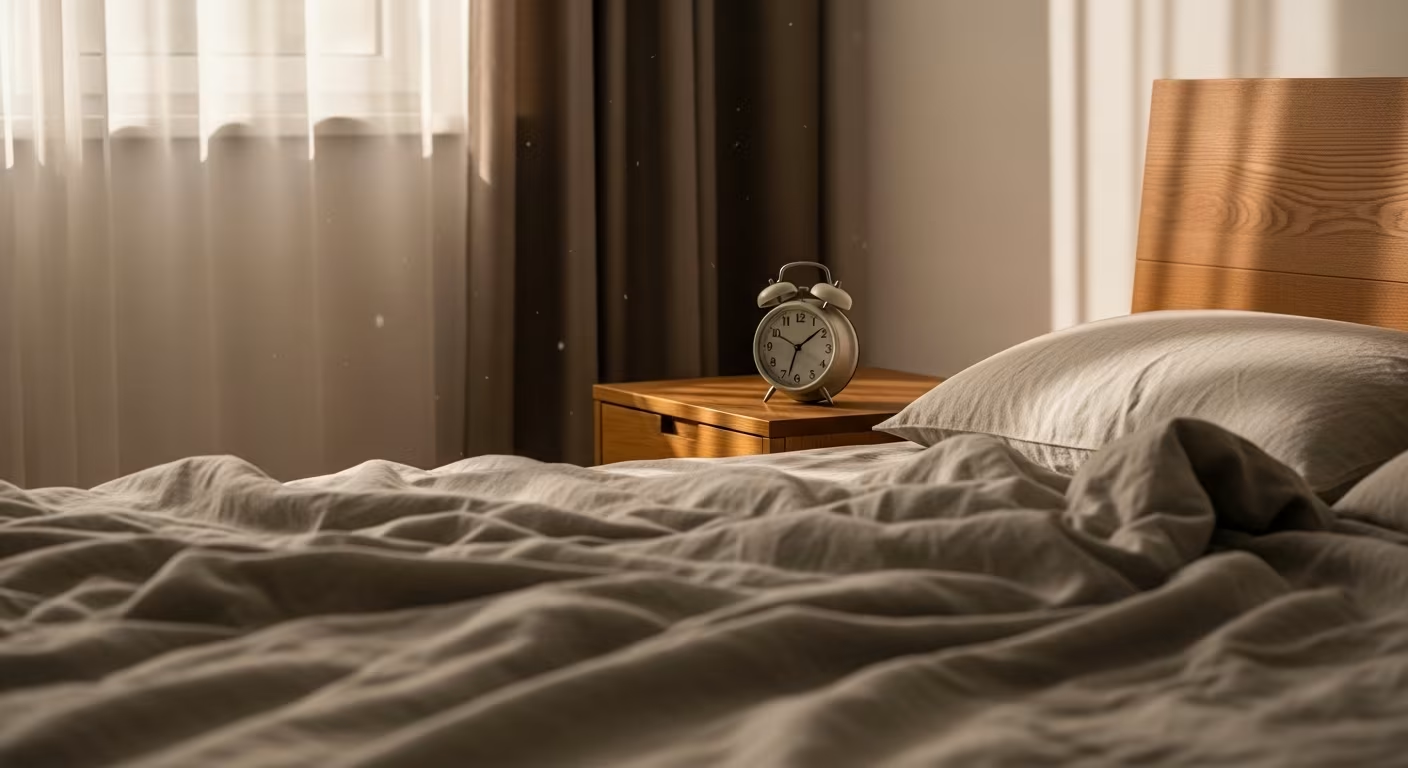

Sleep quality depends more on a small number of environmental and behavioral factors than on any supplement, device, or elaborate routine. The changes with the most research behind them are all free, require no equipment, and produce results within one to two weeks of consistent implementation. The difficulty isn't that they're complex — it's that they require consistency at times when consistency is hardest.
Consistent Sleep and Wake Times Are the Foundation
The body's sleep-wake cycle is regulated by the circadian rhythm, an internal clock that runs on approximately a 24-hour cycle and is synchronized primarily by light exposure and consistent timing. When sleep and wake times shift significantly from day to day — staying up two hours later on weekends, sleeping in two hours longer — the circadian rhythm loses its synchronization, producing what researchers call social jet lag: the same dysregulation as crossing time zones, experienced weekly without any travel.
Maintaining a consistent wake time, even on weekends, is the single most reliable stabilizing factor for the circadian rhythm. The sleep time can flex somewhat; the wake time is the anchor. A person who wakes at 6:30am consistently, even when they've gone to bed later than intended, will fall asleep more reliably the following night than one whose wake time varies by two or more hours day to day.
The consistent wake time takes priority over any other sleep hygiene practice. Get this right first.
Temperature: Cooler Than You Probably Sleep

The body's core temperature drops during sleep as part of the normal sleep-cycle physiology. A bedroom that's too warm impairs this process — the body can't dissipate heat effectively into a hot environment, which fragments sleep architecture and produces lighter, less restorative sleep.
Research consistently identifies the range of 65–68°F (18–20°C) as supporting deeper sleep for most adults. Most people sleep in rooms significantly warmer than this, particularly in summer or in households that resist running air conditioning overnight. The improvement from cooling the bedroom to this range is often substantial and immediate.
A ceiling fan or portable fan achieves adequate temperature reduction in most climates. Lighter bedding — a thin blanket instead of a heavy duvet when temperatures allow — addresses the same problem from the other direction. Some people find that keeping feet uncovered provides adequate heat dissipation, since the feet have high concentrations of blood vessels close to the skin surface and release heat efficiently.
Light: The Variable Most People Underestimate
Light is the primary input signal for the circadian rhythm. Morning light exposure — direct outdoor light, preferably within an hour of waking — reinforces the circadian clock's timing and produces downstream effects on melatonin secretion timing later in the day. People who get morning light exposure fall asleep more reliably and earlier in the evening than those whose mornings are spent in artificially lit environments.
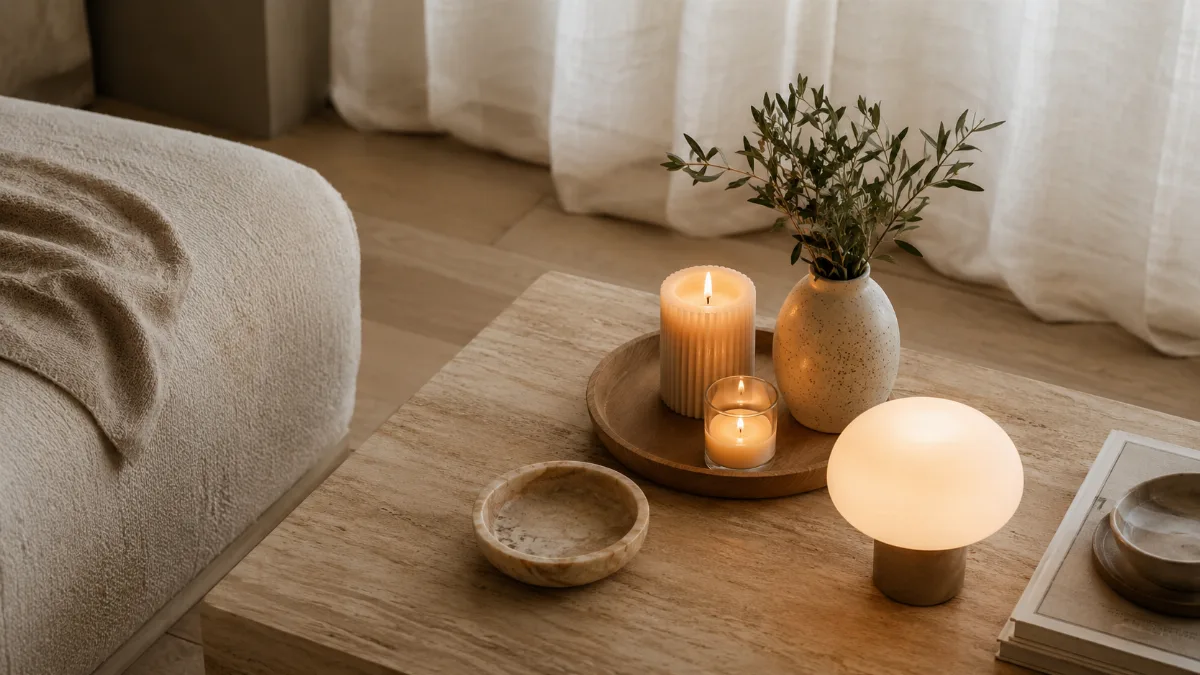
Evening light has the opposite effect. Overhead indoor lighting — the standard lighting in most homes in the two to three hours before bed — produces enough brightness to suppress melatonin production and delay the body's preparation for sleep. Switching from overhead lights to table lamps and floor lamps in the evening, which produces much lower brightness levels, reduces this suppression substantially.
Screen light, specifically the short-wavelength blue component emitted by phones, tablets, and monitors, suppresses melatonin particularly effectively. Avoiding screens in the hour before bed is the most frequently cited sleep hygiene recommendation for this reason. For people who find this impractical, enabling the warm-light or "night mode" settings on screens reduces (but doesn't eliminate) the suppressive effect.
Caffeine Timing
Caffeine blocks adenosine receptors in the brain. Adenosine is the chemical that accumulates during waking hours and produces the sensation of sleepiness; by blocking its receptors, caffeine delays that accumulation. The effect wears off gradually as caffeine is metabolized — its half-life is approximately five to seven hours in most adults, meaning half of a 200mg cup of coffee consumed at 2pm is still active at 9pm.
A practical guideline: finish caffeine consumption at least six to eight hours before intended sleep time. For someone sleeping at 10:30pm, that means no caffeine after approximately 2:30–4:30pm. This window can be adjusted based on individual caffeine sensitivity, which varies significantly between people.
Green tea, black tea, most sodas, and pre-workout supplements all contain caffeine. The timing guideline applies to all of these, not only coffee.
The Wind-Down Window

The hour before bed doesn't need to be elaborate. What it needs to be is distinct from the preceding part of the day: lower light, lower stimulation, lower cognitive demand. This transition allows the body's arousal state to reduce from the level required for active daily function to the level compatible with sleep onset.
Activities that fit this window: reading (physical book), light conversation, a warm bath or shower (the subsequent temperature drop supports sleep onset, as noted elsewhere), gentle stretching, listening to something low-stimulus. Activities that don't fit: work requiring decisions, stressful news, anything that produces emotional activation, screens at full brightness in a dark room.
The wind-down doesn't need to be thirty minutes or an hour. Twenty minutes of distinctly lower stimulation is enough to change the conditions for sleep onset compared to going directly from active engagement to attempting sleep.
What to Do When You Can't Sleep
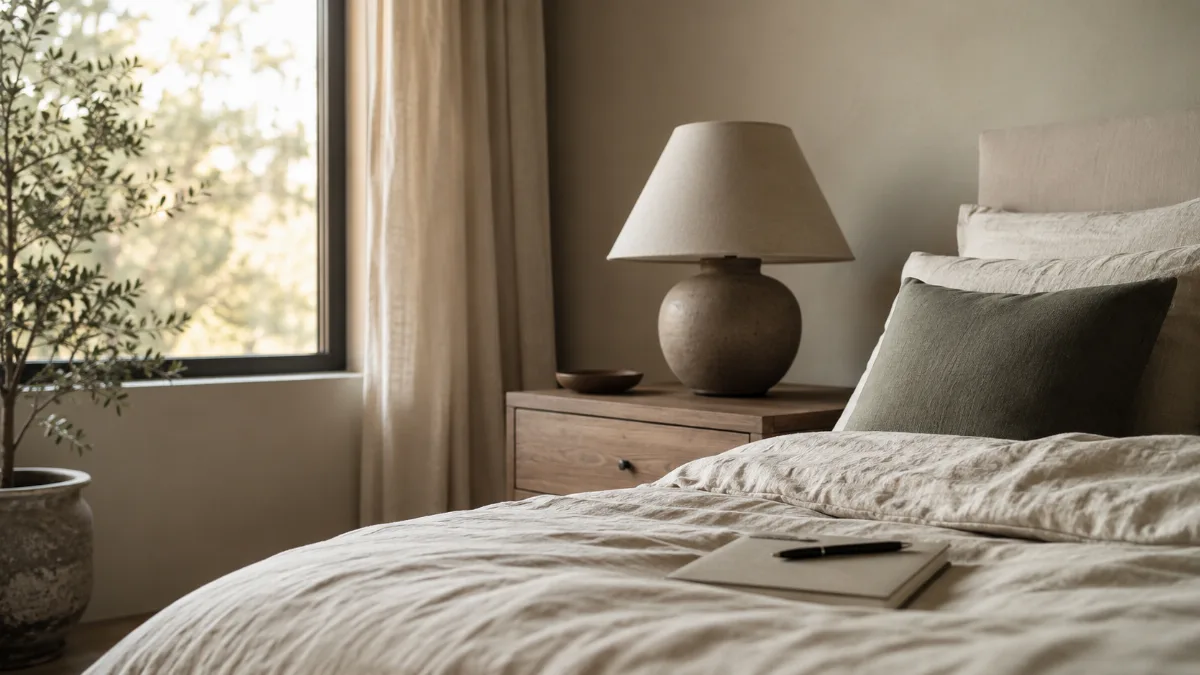
Lying awake in bed for more than twenty to thirty minutes creates a learned association between the bed and wakefulness, which becomes self-reinforcing over time. If sleep isn't coming, getting up and doing something calm in low light for ten to twenty minutes before returning to bed is more effective than lying in bed trying to force sleep. Reading in a dimly lit chair is the standard recommendation; the key is that the activity is genuinely low-stimulation and doesn't produce screen-light exposure.
This recommendation runs against the instinct to stay in bed and try harder. It works because it prevents the bed from becoming associated with the effort and frustration of not sleeping, maintaining its association with actual sleep.
Alcohol, Naps, and Other Adjustments
Alcohol sedates rather than induces sleep — it facilitates falling asleep by depressing the nervous system but significantly fragments the second half of the sleep cycle, when REM sleep predominates. Sleep with alcohol present produces less REM sleep, more wakefulness in the second half of the night, and a less restorative overall quality than sleep without it. This effect is dose-dependent and significant even at moderate quantities.
Short naps (20 minutes or less) taken in the early to mid-afternoon don't significantly interfere with nighttime sleep for most people and produce measurable alertness improvements for the remainder of the afternoon. Longer naps (90 minutes or more, completing a full sleep cycle) also work but require the right timing — too late in the afternoon and they delay the nighttime sleep window. Naps taken in the late afternoon or evening consistently disrupt nighttime sleep.
Exercise improves sleep quality through multiple mechanisms, primarily by increasing adenosine accumulation and raising daytime body temperature (which makes the subsequent evening temperature drop more pronounced). The timing concern — that exercising close to bedtime disrupts sleep — is less supported by evidence than commonly stated and varies significantly by individual.

Comments
No comments yet.