
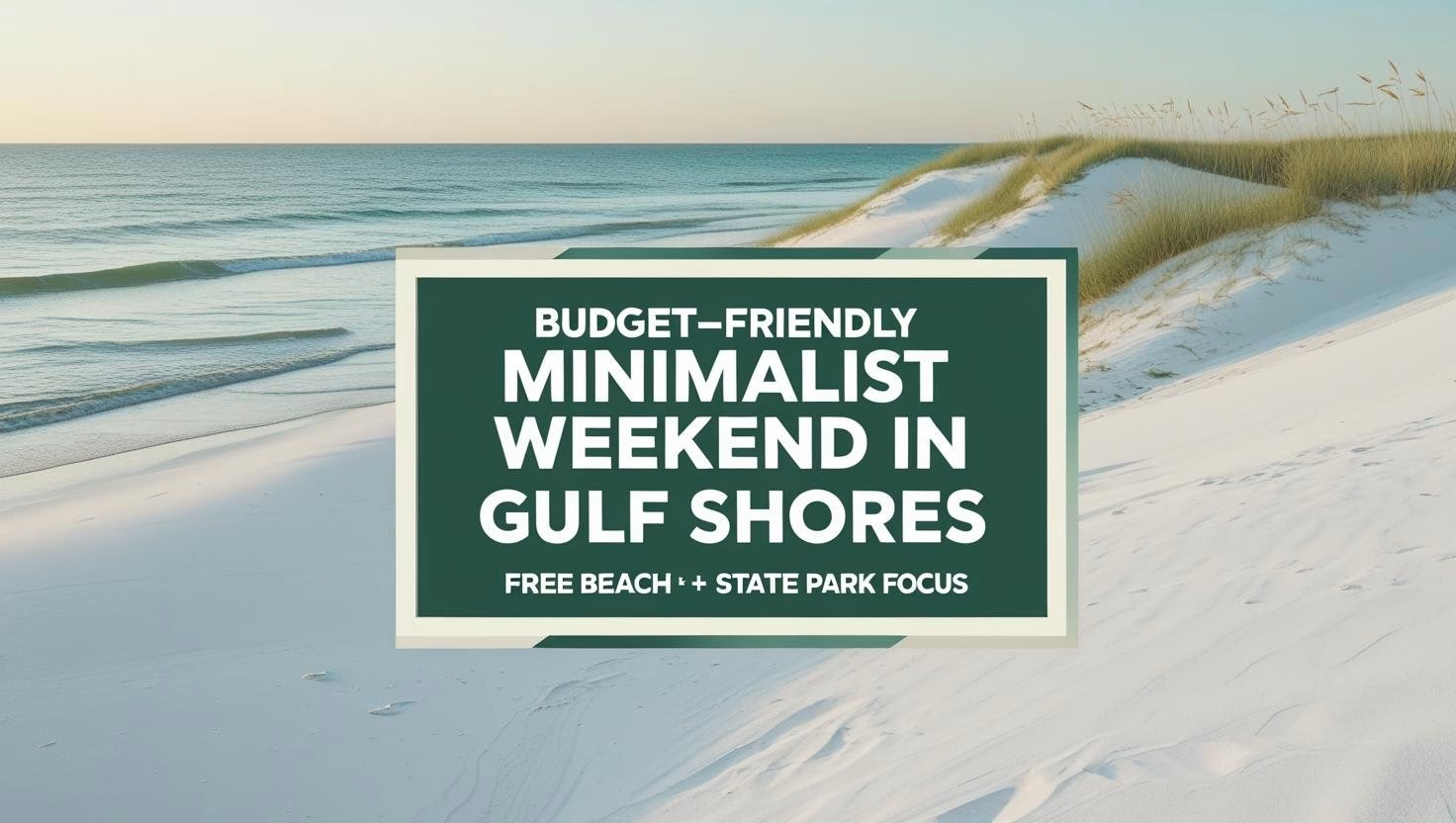

The Gulf Coast earns its expensive reputation from the parts you can drive straight past: the high-rise condos on Perdido Beach Boulevard, the golf packages, the chain seafood restaurants lined up along Highway 59. None of it is compulsory. Gulf Shores and Orange Beach sit at the eastern end of a 32-mile arc of white sand, and public access to that sand is wide open. Gulf State Park alone holds 6,150 acres with two miles of beach; the national wildlife refuge next door is free; and Alabama law keeps the shoreline below the high-tide line public no matter which resort backs onto it. A weekend here can cost less than a single peak-season hotel night if you build it around the land instead of the strip.
Gulf State Park as a Base Camp
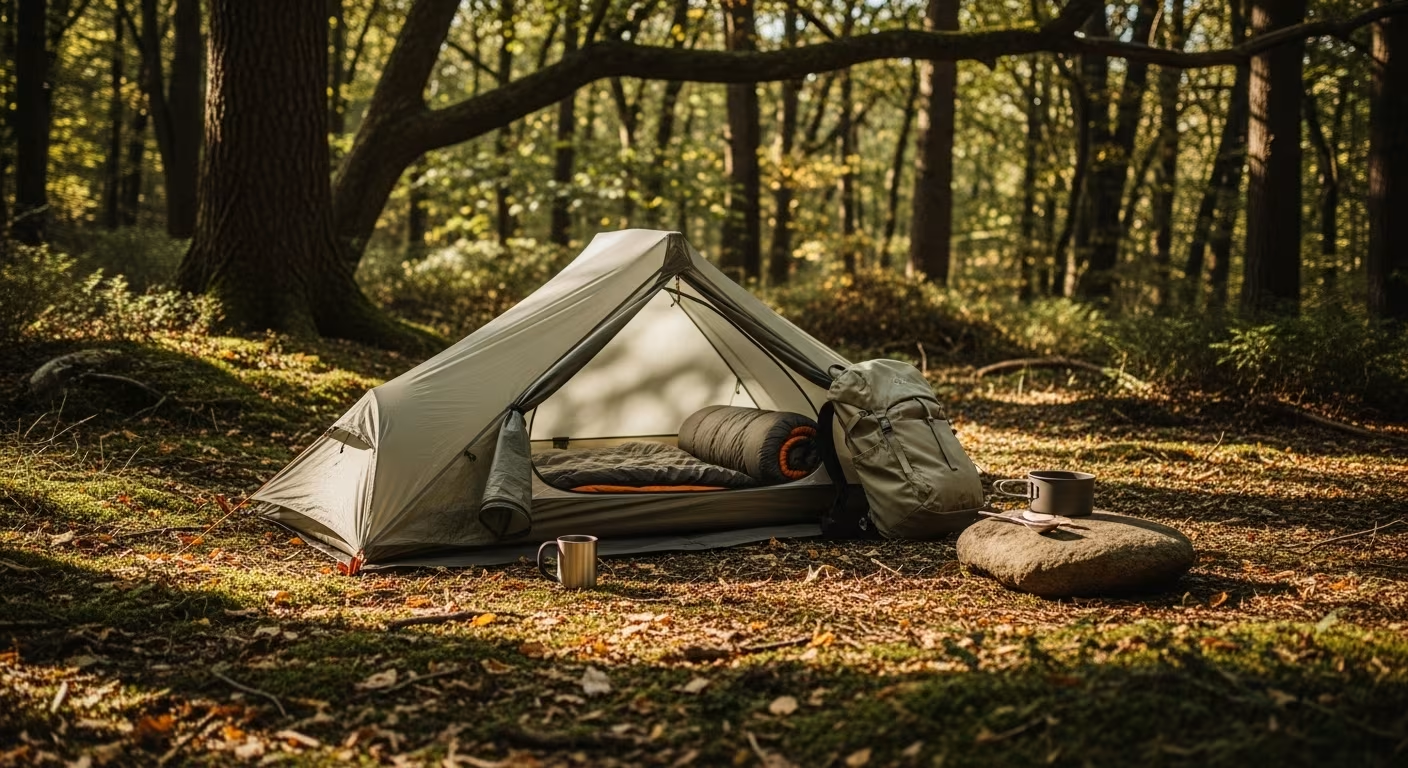
The park campground is the anchor of a low-cost trip. Sites run roughly $24 to $57 per night depending on type, from primitive tent sites at the low end to full-hookup RV pads at the high end (rates shift seasonally, so confirm at alapark.com before booking). Beach access from the campground is direct: no resort gate, no wristband, no separate parking charge on top of the site fee. Day visitors who aren't camping pay a modest per-vehicle fee, usually in the $4 to $6 range.
The park also runs the Hugh S. Branyon Backcountry Trail, a 28-mile paved network threading through longleaf pine flatwoods, coastal scrub, and freshwater marsh. You can walk or bike it with no fee beyond park entry, and the marsh sections put you in front of wildlife most resort visitors never see, alligators included. Renting a bike at the park store for a couple of hours costs a fraction of a single paddleboard rental on the beach.
Free and Low-Cost Beach Access
Bon Secour National Wildlife Refuge sits just west of Gulf Shores on a peninsula between Little Lagoon and the Gulf. It is free, open during daylight hours, and draws a fraction of the state park's crowds. Four short trail loops cross scrub, freshwater ponds, and dune systems; the Centennial Trail runs 6.6 miles through interior habitat, and its beach sections give you Gulf access with no parking infrastructure to pay for. From May through August the refuge doubles as a marked loggerhead sea turtle nesting area.
Farther west, Fort Morgan State Historic Site anchors the tip of the peninsula, with admission around $7 to $8 per adult (verify at ahc.alabama.gov). The Mobile Bay side of the fort is calm, shallow, and far less crowded than the resort corridor, with better shelling because fewer people comb it. For a free option in town, Gulf Shores Public Beach offers no-cost parking, though the lot fills early on summer mornings. The pattern across all of these is the same: the sand is free; parking is where resorts recapture their margin, so arrive early or use the campground.
The Grocery and Seafood Calculus
Everything on the island is priced for people who arrived without a plan. Groceries, ice, sunscreen, and beer all carry a proximity premium. The fix is a single stop before you cross: the Walmart Supercenter in Foley, ten minutes north on Highway 59, prices at ordinary rates. A cooler stocked there before the causeway covers three days of beach food and cuts restaurant dependence to zero. Three restaurant meals for two people in Gulf Shores land around $60 to $90; the same three days from a Foley cooler run closer to $30 to $50, roughly the cost of one campground night. It is worth cross-checking against Recreation.gov.
When you do want fresh seafood, skip the corridor markup. The Wharf at Orange Beach and the Shrimp Basket locations sell Gulf shrimp closer to market price, and grocery stores along Highway 59 north of the island stock fresh shrimp at retail. A pound of shrimp boiled at your campsite costs a small fraction of a sit-down order.
A Realistic Weekend Budget
For two people camping three nights at a midrange Gulf State Park site, the numbers stay well under a single peak-season hotel night. Timing matters as much as the line items: June and July peak, mid-March spring break fills the campground fast, and the April-to-early-June and September-to-October shoulder windows offer better availability with temperatures in the 70s and 80s rather than the summer 90s. Gulf water sits around 85 to 88°F in high summer, warm enough for long swims.
| Item | Estimated cost (2 people, 3 nights) |
|---|---|
| Campsite, midrange, 3 nights | $130–160 |
| Groceries stocked in Foley | $50–70 |
| One seafood-market or restaurant meal | $30–45 |
| Bike rental / Fort Morgan entry | $15–30 |
| Gas from your starting point | Varies |

Book the campsite first, since it is the one thing that sells out and the one thing that unlocks free beach access; stock the cooler in Foley on the way in; and keep one seafood night on the calendar so the trip still feels like the coast. Hurricane season runs June through November, so watch the forecast within a week of your dates and stay flexible rather than skipping the coast outright. For more in this vein, see our guide to budget solo travel and our road-trip essentials for driving further for less.
Comments
No comments yet.