
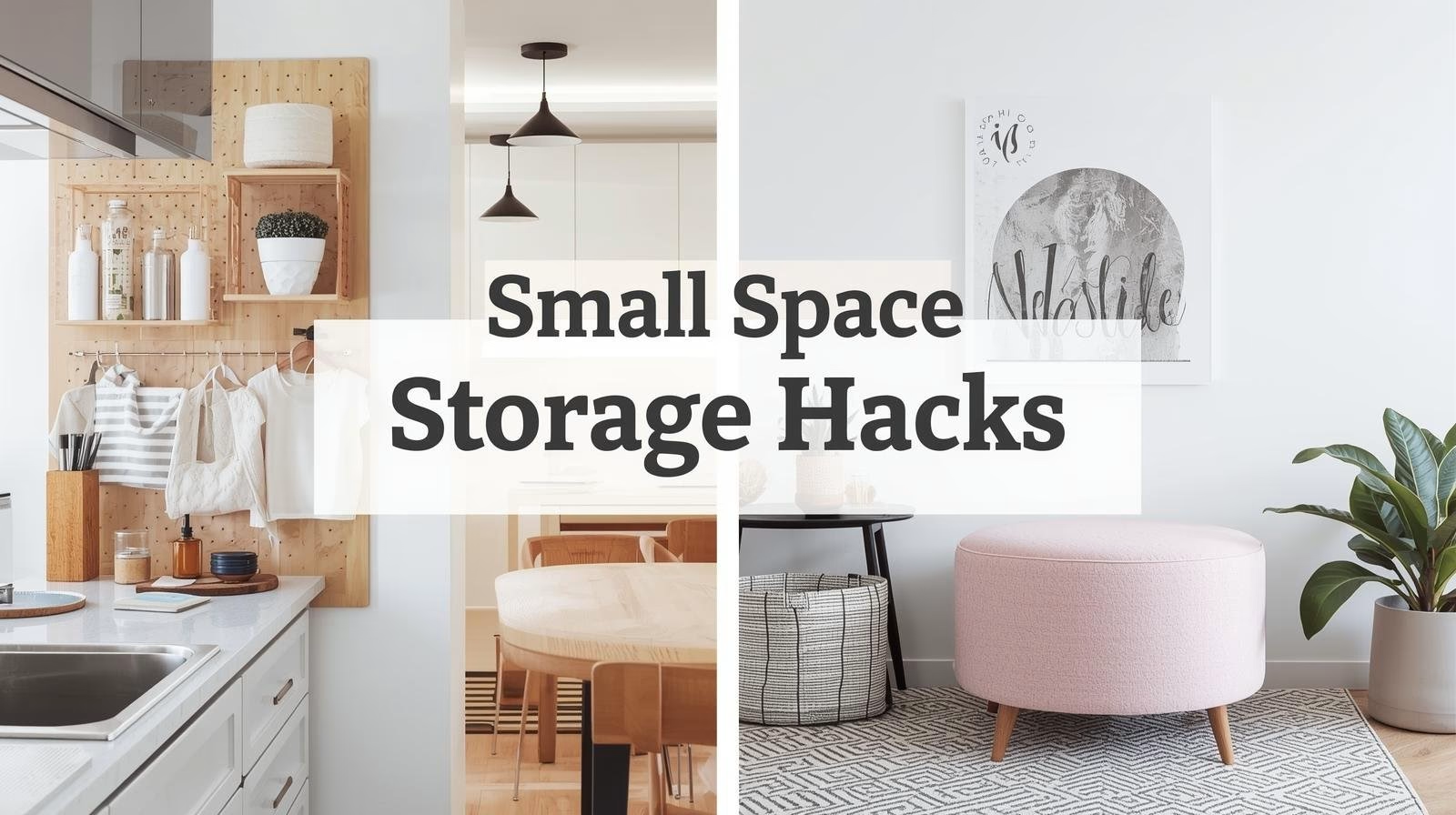

A studio apartment gives you somewhere around 400 square feet to work with. The instinct, when it feels tight, is to buy more storage — bins, shelving, over-the-door racks, drawer dividers. The result is a home that's still cramped but now also looks cluttered, because organized clutter is still clutter. That's the paradox at the center of most small-space advice, and it's why so much of that advice quietly fails.
What works isn't adding containers. It's deciding which surfaces and walls are doing real work, and which are just collecting things.
Why More Bins Usually Backfire
The storage industry sells a single premise: every problem has a product. But the real issue in most small spaces is volume — too many items for the square footage — and no bin changes that math. Before buying anything, empty one problem area completely, count what came out, and decide what genuinely stays. Storage is a finishing layer on top of a reduced item count; it doesn't substitute for the reduction.
Visual fatigue is the second failure mode. A wall of clear plastic bins is technically organized and still exhausting to look at — your eye has nowhere to rest. Open shelves packed to the edge do the same. Even tidy storage generates mental noise when there's too much of it on display, which is why a home can feel overwhelming right after a long organizing session. For a deeper reference, see the American Cleaning Institute's cleaning guidance.
Vertical Space: The Easiest Win
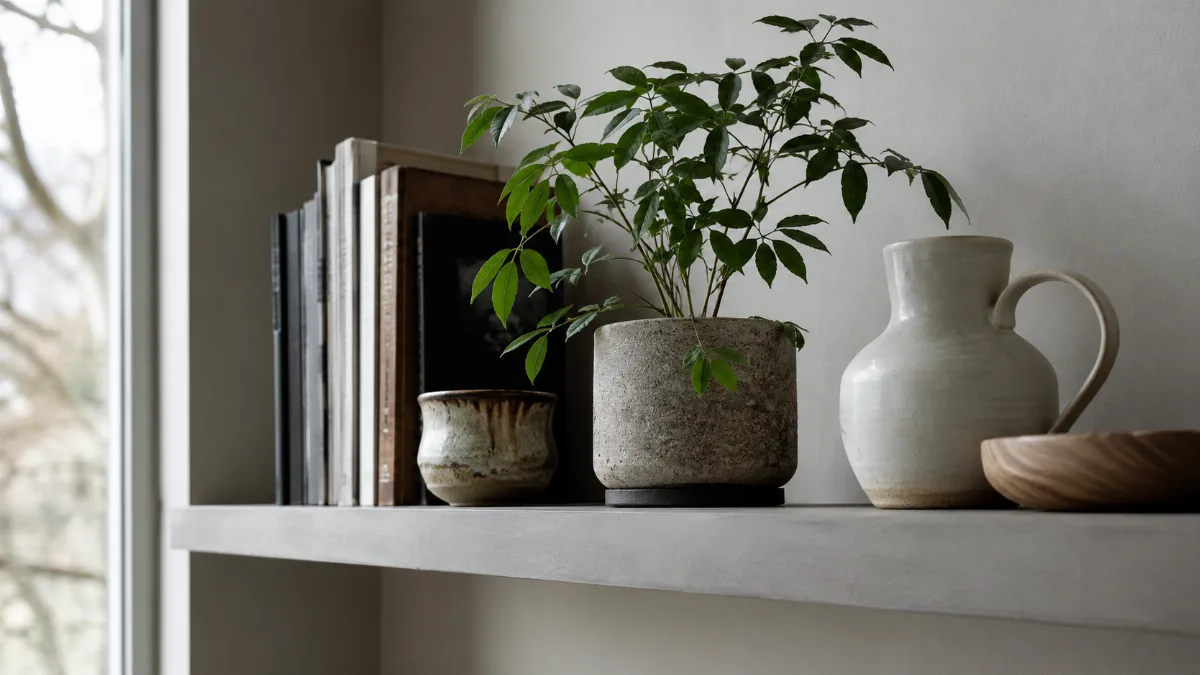
Most apartments have 8- or 9-foot ceilings, and the band above roughly five feet — above eye level — sits empty. That's where storage can live without adding visual clutter, because it's outside your normal field of view. Floating shelves set between 5.5 and 7 feet suit things you reach for seasonally: spare blankets, luggage, the appliance you use twice a year. Anchors rated for 30 to 50 pounds hold in plaster, though hitting a stud is better when you can. Tall, narrow bookcases that stop a foot or so below the ceiling look more deliberate than units jammed to the top, and they're safer to reach into.
In the kitchen, a wall-mounted rail with S-hooks takes utensils, mugs, and small pans off the counter and out of the drawer. A magnetic strip on a tile backsplash does the same for knives and frees a whole drawer. Neither needs permanent modification, and both come off cleanly at move-out.
Furniture That Earns Its Floor Space
Every piece in a small space should do one thing very well or two things adequately. A lift-top coffee table with a hollow interior beats a table plus a separate storage piece. A bed with built-in drawers — usually three or four a side — can retire the dresser entirely and reclaim the 10 to 15 square feet it occupied.
Entry storage matters more than people expect. Even a four-foot entry benefits from a narrow lidded bench: it swallows the shoes and bags that otherwise pile on the floor, gives you a place to sit while putting shoes on, and keeps the first impression of your home from being immediate chaos. Sofa beds earn their bad reputation mostly from old innerspring mattresses; newer folding-foam and hybrid designs hold up better, and if you host overnight guests without a spare room, a good convertible is worth the premium over a cheap one.
Dead Zones Worth Reclaiming

Several spots in most apartments go unused and cost almost nothing to activate:
- The inside faces of cabinet doors take adhesive hooks or small baskets — no drilling — for cutting boards, cleaning supplies, or pantry items crowding the shelves.
- The back of a closet door holds shoes or accessories in an over-the-door organizer; a 20-pocket version fits a surprising amount into a 60-by-18-inch footprint.
- Under the bed, if the frame has clearance, fits flat rolling boxes for off-season clothes; risers add 4 to 6 inches when you need it, and most frames take them.
- The 6-to-8-inch gap beside the refrigerator fits a slim rolling cart for cans, oils, and dry staples that would otherwise eat counter space.
Keeping It Reversible When You Rent
Most of these moves have a renter-friendly version, which matters when a security deposit is on the line. Adhesive strips rated for the weight you're hanging hold up lightweight shelves, hooks, and organizers, and peel off cleanly if you warm them with a hairdryer first. Tension rods turn the space under a sink or inside a cabinet into a second tier with zero hardware. A freestanding tension pole between floor and ceiling adds vertical hanging space in a corner without a single hole.
Where you do drill, patching is a ten-minute job: a small tub of spackle, a putty knife, and a dab of matching paint erase an anchor hole entirely. Weigh that against the payoff. A shelf that reclaims a square foot of floor for two years is worth a hole you'll fill in for ten minutes when you leave. The reversible options are genuinely good now, so the real constraint on a rental is rarely the walls — it's the same volume problem that started this, and no fixture solves that.
Rotate by Season, and Start Small
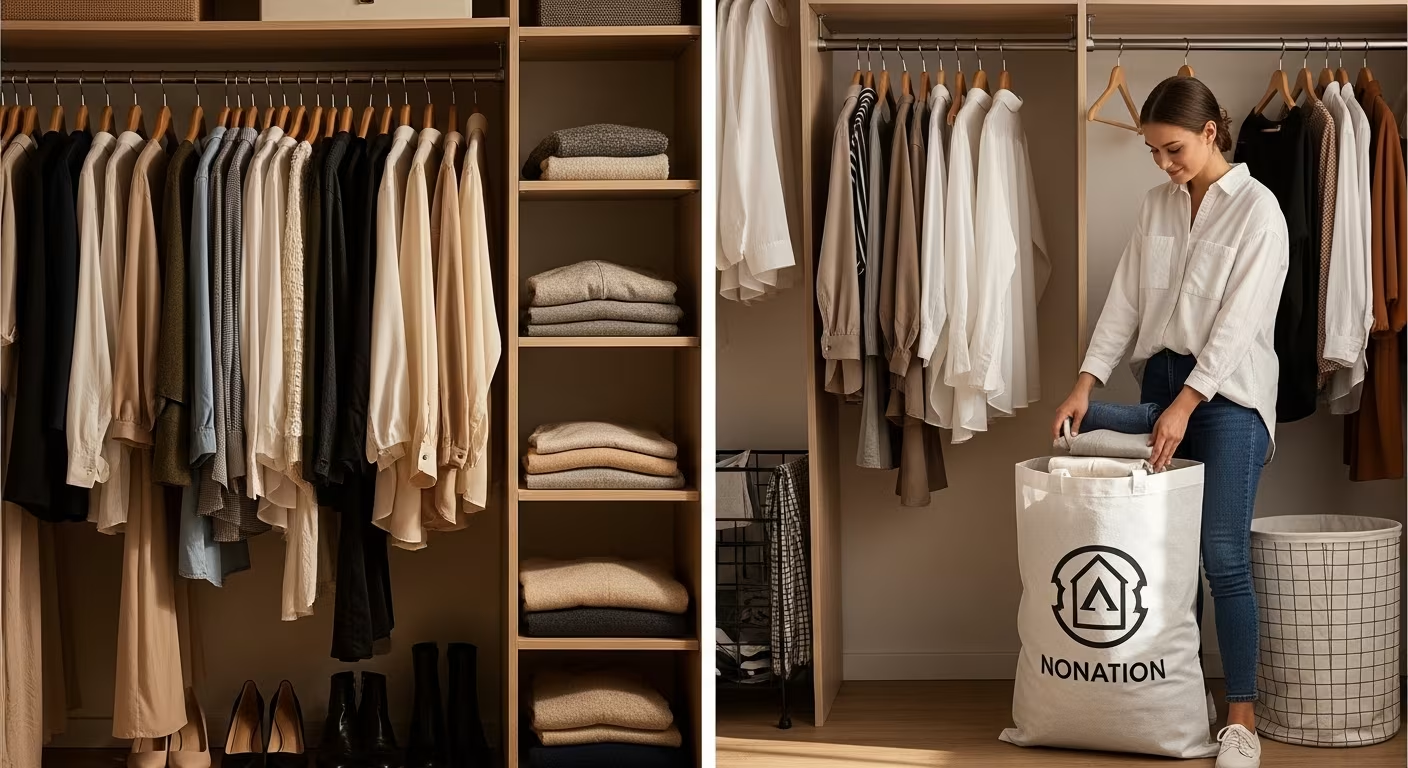
The clothes you reach for in July aren't the ones you need in January. Packing off-season items into vacuum bags or flat under-bed boxes can free 30 to 40 percent of closet space without discarding anything — you're not decluttering, just keeping the current season reachable and the rest compact. The same logic covers the winter-only slow cooker, the twice-a-year camping stove, the holiday stand mixer: a labeled box on a high shelf handles them fine. The honest test is whether an item actually rotates back in. Something that comes out of storage two seasons running is worth keeping; something that goes straight from the box to the donation pile was already telling you it wasn't needed.
If all of this feels like too much, don't start with the apartment — start with one shelf or one drawer. Empty it, decide what stays, give each keeper a home, and only then ask whether a product would help. That order — reduce, assign, then maybe organize — is the whole method, and most small-space frustration comes from jumping straight to the last step. Finish one area completely before moving to the next; partial progress spread across many spots feels like no progress at all. See also: how to style open shelving without it looking cluttered and living room swaps that reduce visual noise.
The vertical plan for ~400 sq ft:
| Zone | Numbers | Use |
|---|---|---|
| Shelf band | 5.5–7 ft high | seasonal: blankets, luggage, rare appliances |
| Anchors | rated 30–50 lb in plaster | a stud is still better |
| Bed drawers | 3–4 per side | can retire the dresser entirely |
| Ceilings | the band above ~5 ft is usually empty | the easiest win in the room |


Comments
No comments yet.