
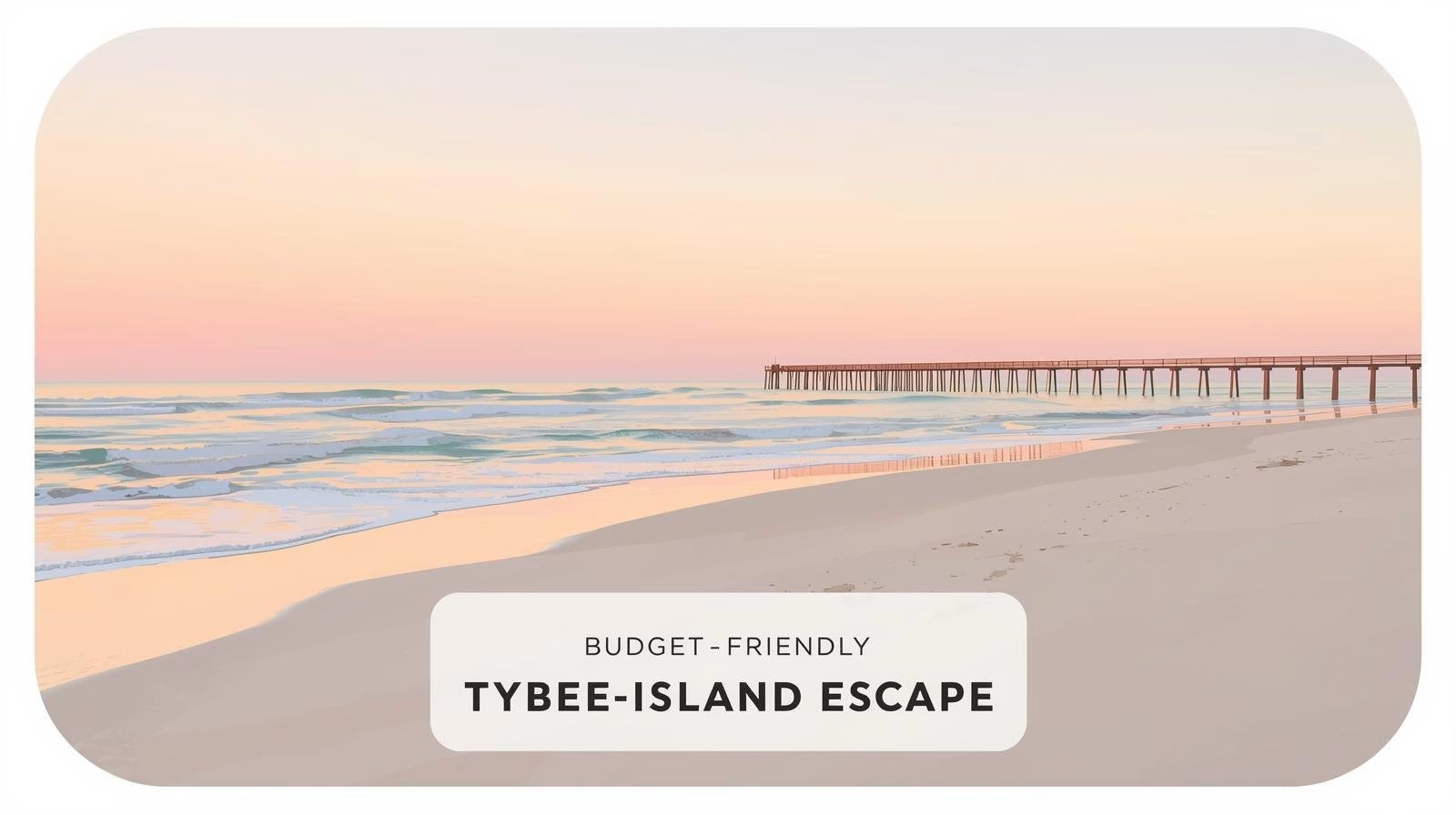

Tybee Island sits 18 miles east of Savannah on the Georgia coast, and it doesn't behave like most Southern beach destinations. No high-rise hotels, no chain restaurant on every block, no golf carts shuttling guests between resort amenities. Families arrive barefoot, fishermen unload their catch at the north end, and the bicycle is the practical way to get around for anyone staying on the island. That mix — quiet beach town, walkable and bikeable, genuinely affordable — is what makes Tybee worth knowing.
Getting There and Getting Around
From Savannah, Tybee is a straight shot east on US-80 across the marshes, about a 20-minute drive. For a weekend visit, the most useful decision you'll make is where to park. The island has paid parking near the south-end beach around Tybrisa Street and along Butler Avenue, and the meters and lots fill fast in summer, so budget for a few dollars an hour and arrive early. North Beach, at the opposite end near the lighthouse, has different parking dynamics and is generally less crowded than the main access.
Bikes genuinely work here. The island is flat, roughly 2.5 miles long, and most of the places worth reaching are an easy ride or walk. Local shops rent by the half-day or full day; rates shift with the season, but a single rental covers the island comfortably. The real value of having a bike isn't the drive from Savannah — it's the freedom to move between the beaches, the lighthouse, restaurants, and the north end without hunting for a second parking spot.
What to Bring for a Day on the Island
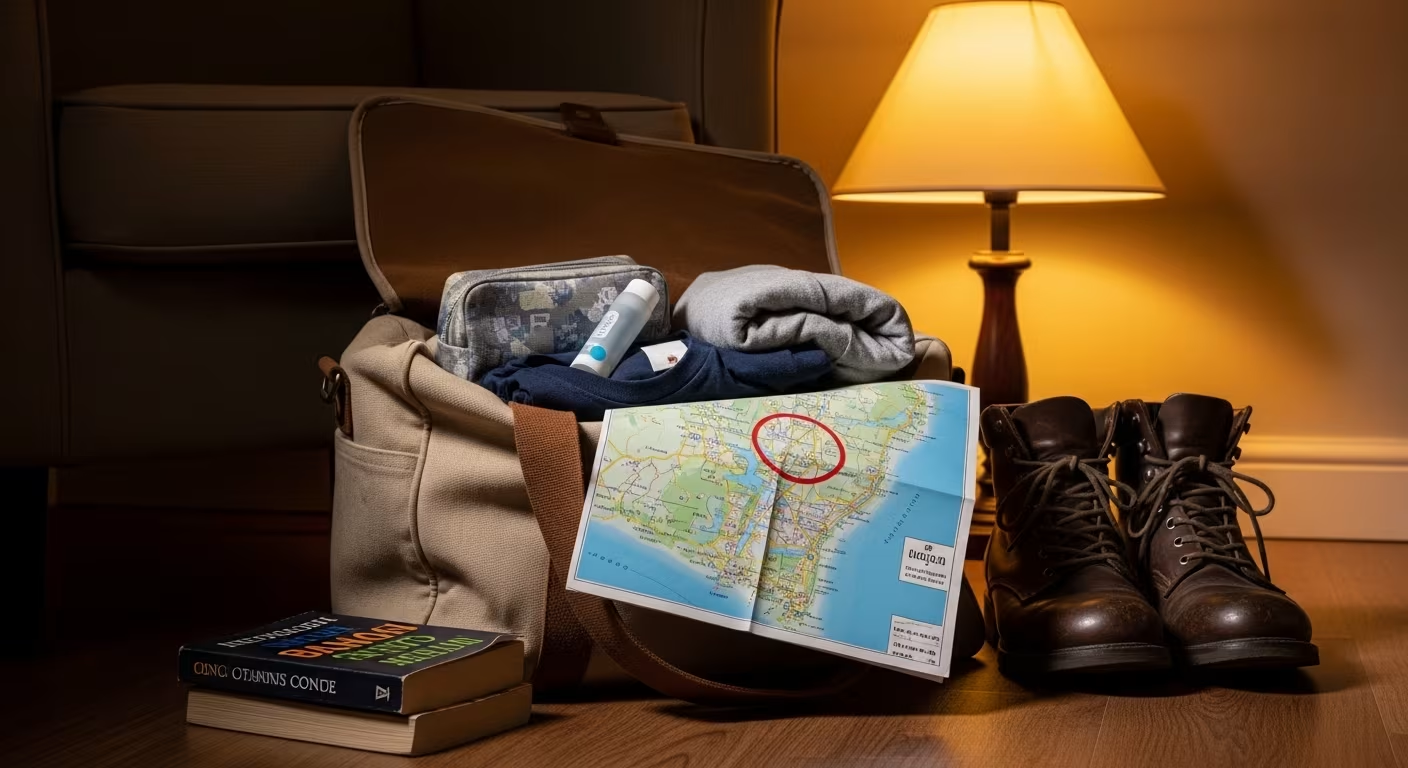
A little packing keeps Tybee cheap, because almost everything sold on the island near the beach carries a tourist markup. A cooler with water, sandwiches, and fruit covers a full beach day for a fraction of what the same lunch costs on Tybrisa Street. An umbrella or pop-up shade saves both money and the sunburn that ends an afternoon early, since the beach itself has little natural shade. Reef-safe sunscreen, a couple of beach towels, and a dry bag for phones and keys round out the essentials.
If you're biking, keep it light: a small backpack with water, sunscreen, and a snack goes further than hauling a full setup between the north and south ends. Cash is worth carrying too — some of the smaller north-end food stands and the parking meters don't always make card payment easy, and a few small bills spare you a hunt for an ATM mid-afternoon.
The Beaches: Which End and Why It Matters

Tybee has essentially two beach personalities. The south end, near the pier and Tybrisa Street, is the busy one: more foot traffic, beach bars, vendors, lively in a way that suits some visitors and feels crowded to others. The north end, near the lighthouse and Fort Screven, is quieter — the same sand and the same water with far fewer people. North Beach is where you go for a slow morning with a book or for shelling.
Both ends are free to access. The only real cost of the beach is parking, so an umbrella and your own food and drinks bring the per-day beach expense down to the meter and nothing else. In summer the south-end lots can fill by mid-morning, so arriving before ten or after the early-afternoon turnover usually means the difference between parking once and circling for twenty minutes.
The Lighthouse and Fort Pulaski

The Tybee Island Light Station has operated in some form since 1736, though the tower standing today dates to the 1860s. It's one of the few surviving colonial-era light stations in the country still active, run along with its museum by the Tybee Island Historical Society. There's an admission fee to climb — verify the current rate at tybeelighthouse.org before you go — and the grounds are open without climbing the tower. The climb is 178 steps, and it earns views over the island, the marshes, and the Georgia coast you won't get anywhere else at ground level. For a short visit, it's the single most distinctive thing on Tybee that costs anything.
Six miles back toward Savannah on US-80, Fort Pulaski National Monument is an NPS site with its own admission — check nps.gov/fopu, and note the America the Beautiful annual pass covers entry. This is a Civil War site where rifled cannon were used against a masonry fort for the first time in 1862, a demonstration that effectively ended the era of brick fortifications. The grounds are large, the fort is in good condition, and the surrounding marshes and dike walks add a natural element to the history. It's undervisited for what it offers; many Tybee visitors skip the short detour. If the lighthouse is the island's natural landmark, Fort Pulaski is its historical one.
| Spot | What it is | Cost | Getting there |
|---|---|---|---|
| South Beach | Main beach, pier, bars | Free (pay parking) | Walk or bike from town center |
| North Beach | Quiet beach, shelling | Free (pay parking) | Bike to the lighthouse end |
| Tybee Light Station | 1736 lighthouse and museum | Paid admission to climb | North end, near Fort Screven |
| Fort Pulaski | Civil War NPS fort | NPS fee or annual pass | 6 miles west on US-80 |
Where to Eat Without Resort Prices

Tybrisa Street and the blocks around it carry tourist prices. Walk two or three blocks off the main commercial strip and the options improve. The north end near Fort Screven has fewer restaurants but fewer crowds too, and depending on your priorities that trade is worth making.
The waterfront near the north end has long been known for cheap seafood served simply — boiled peanuts, shrimp, locally caught fish. The specific vendors and hours change with the season, so it's worth a few minutes checking what's actually open during your visit. And bringing cooler food for at least one meal a day is the most reliable budget move on any beach trip. Tybee's grocery options are thin — one small supermarket — so loading a cooler in Savannah before you cross the marshes, where full grocery infrastructure sits within a 20-minute drive, saves meaningfully.
Basing Yourself in Savannah
For a longer trip, staying in Savannah rather than on Tybee is often cheaper. Hotels and rentals in Savannah's non-historic-district neighborhoods frequently undercut comparable places on the island, and Savannah earns its own time — the squares, the Factor's Walk district, the waterfront — without needing a dedicated day trip to see. The 18-mile drive to Tybee turns into a daily commute in this setup, which adds gas and time, but the gap in accommodation cost often more than makes up for it.
North End or South End

The split matters more than most visitors expect before arriving. The south end — Tybrisa Street, the pier, the main lots — is the commercial center and the entry point for most day-trippers: loud, lively, everything you'd expect from a beach town's main strip. The north end, anchored by the lighthouse and the old Fort Screven grounds, is a different place — residential streets under Spanish moss, a smaller and quieter beach, a slower pace. Visitors staying multiple nights get more from Tybee by spending time at both than by anchoring to one. Day one at the south beach establishes the island's character; a morning at the north end and the lighthouse supplies the contrast that sets Tybee apart from most barrier-island destinations. For more trips in this vein, see our frugal minimalist weekend in St. Augustine and budget travel tips for adventurers.
Evenings on Tybee
Tybee's restaurant scene concentrates within a few blocks of the south end, and the quality-to-price ratio varies enough that reading recent reviews before picking a dinner spot is worth the three minutes. The bars and music venues on and around Tybrisa Street pick up as the evening goes on, and the crowd skews local — shrimpers and year-round residents mixing with visitors in a way the bigger resort towns don't produce. On a tight budget, the most reliable approach is to eat the main meal early, since lunch pricing often runs below dinner at the same restaurant, and to fill in with snacks and one dinner from the cooler. Even in a tourist-facing beach town, treating lunch as the main meal can cut the daily food budget by a third to a half.


3 Comments