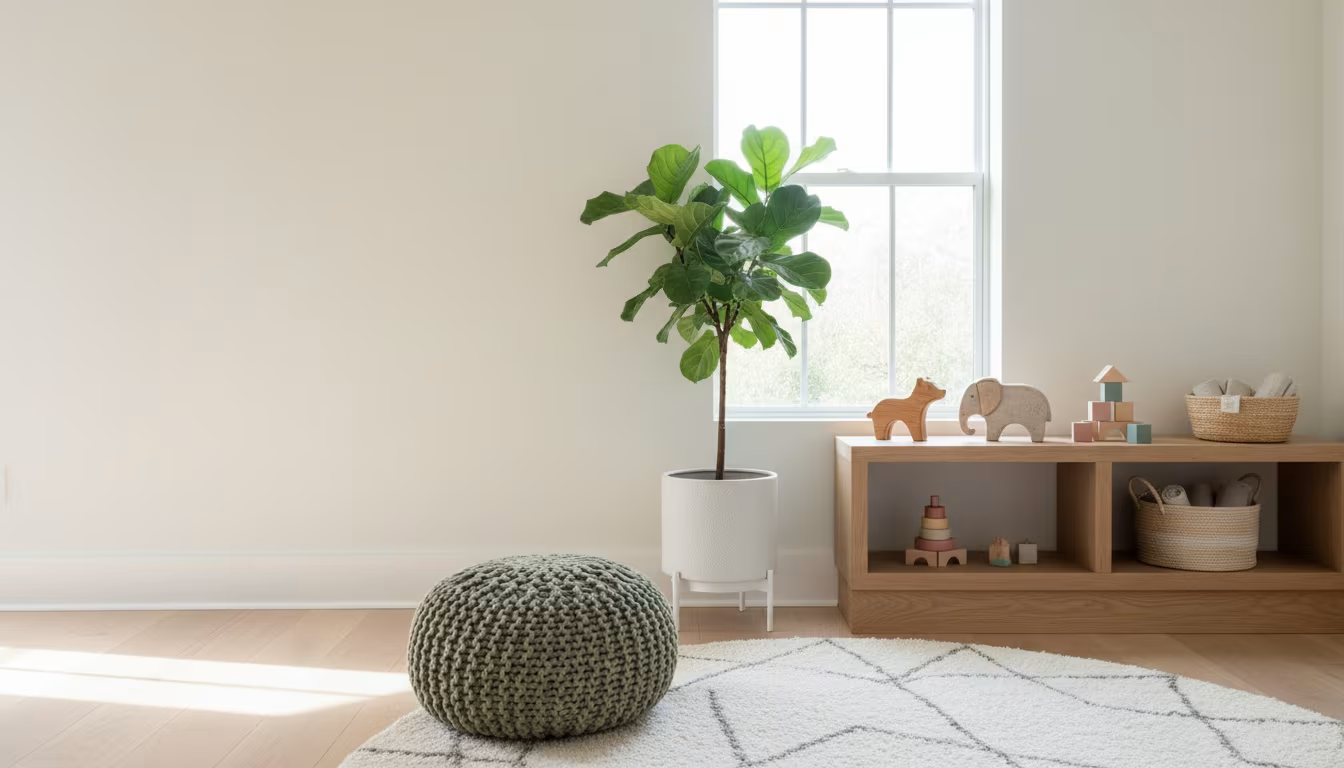

Budget-friendly Ways to Furnish a Minimalist Home from Scratch

Hey there, friend. 👋 Remember that feeling when you first moved into a new place? Or maybe you’re just staring at an empty room right now, wondering how the hell to fill it without emptying your wallet?

I know that feeling like the back of my hand. After my first kid, our house felt like a baby gear explosion, and when we moved, I swore I wouldn't do that again with furniture.

So, if you’re trying to create a cozy, functional home without spending a fortune or ending up with a bunch of stuff you don’t even like, you’re in the right place. We’re gonna talk about how to furnish a minimalist home on a budget. And yes, it’s totally possible, even with tiny humans running around.

Why This Actually Matters

Let's be real for a second. We’re all busy. We’re juggling kids, work, laundry, maybe a semblance of a social life if we're lucky. The last thing we need is more stress from our homes.

Having a house full of stuff you don’t need or love, especially furniture, just adds to the mental load. It’s more to clean, more to organize, more to move around, and honestly, more to stress about.

I used to spend Saturday mornings dusting a dozen decorative items and moving stacks of books I never read. Now? I spend that time chasing my kids around the park, or maybe just actually drinking a hot cup of coffee for once. The difference is real, I swear.

Plus, the financial burden of buying a whole houseful of new furniture is just… immense. We had just started MinimalistRig because of all the baby stuff, and then we needed furniture too? My budget was already stretched thin.

Furnishing intentionally and affordably means more money for experiences, for groceries, for childcare, or hell, for that fancy coffee you really want. It means more breathing room, both literally and financially.

What Even is a Minimalist Home (when You're Not a Robot)?

Okay, let’s clear something up right away. When I say "minimalist home," I’m not talking about those stark, all-white, empty-looking spaces you see on Instagram. No judgment if that’s your vibe, but with two kids and a dog, that’s just not my reality.

A minimalist home, for us busy moms, is about intentionality. It's about having furniture that serves a purpose, brings you joy, and fits your life, rather than just filling a space because you feel like you "should." It's about comfort and function, not deprivation.

It means your living room isn't overflowing with side tables and tchotchkes that just collect dust. It means every piece in your home has earned its spot and helps your family actually live better.

The Golden Rules for Minimalist Furniture

Before you even think about buying anything, keep these three things in mind. They'll be your North Star when you're overwhelmed by choices.

  • Function First: Every single piece of furniture needs a job. Does that end table hold your lamp and your cup of tea? Great. Does it just sit there looking pretty and gathering clutter? Maybe rethink it.
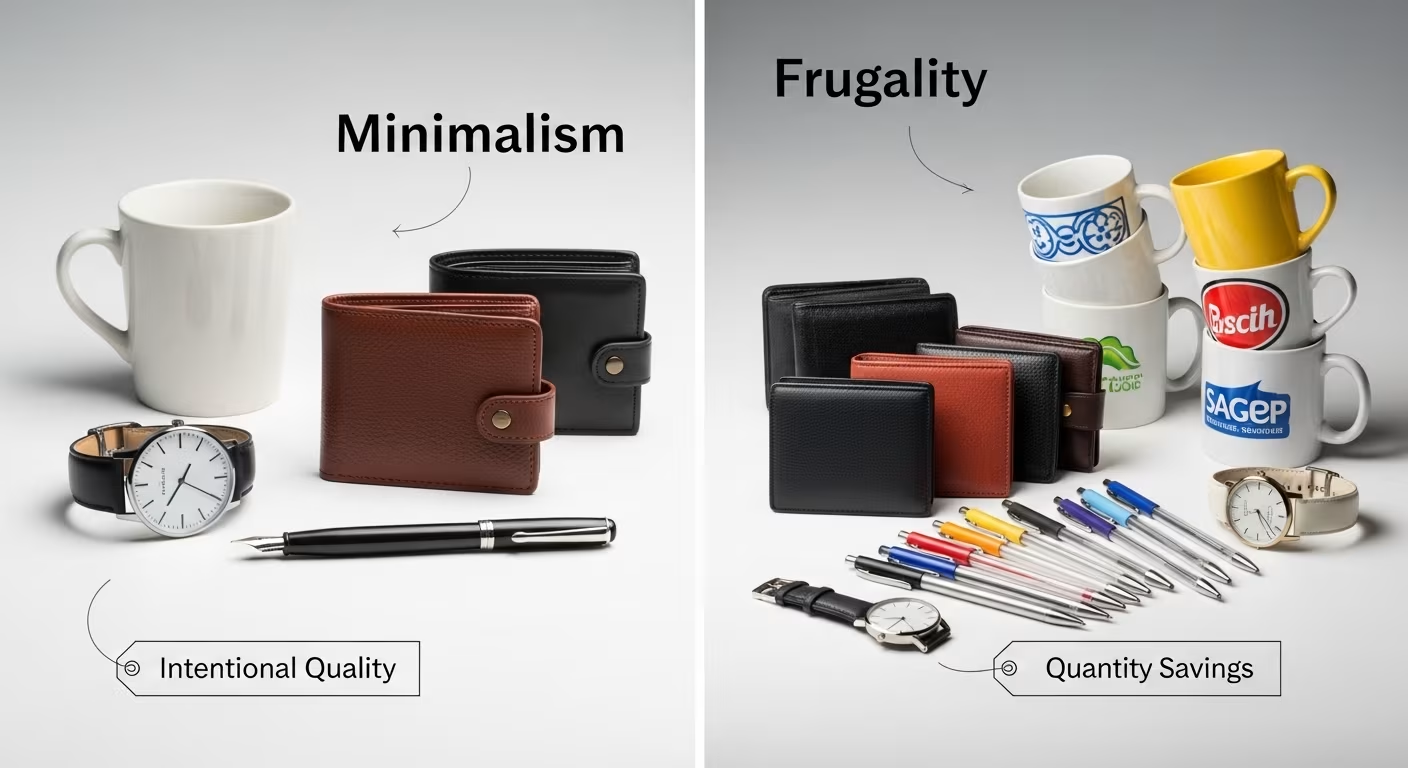
  • Quality Over Quantity: It's better to save up for one really good, durable sofa than to buy three cheap ones that fall apart in a year. Trust me, I've made that mistake more times than I care to admit.
  • Timeless, Not Trendy: Fads come and go, but a classic, well-made piece will last. You don't want to replace your main furniture every few years because it suddenly looks dated.

This approach saves you money in the long run, and it saves you the mental energy of constantly shopping and replacing things. It's truly a damn relief.

How to Actually do It: Furnishing Your Minimalist Home on a Budget

So, you’re ready to ditch the clutter and embrace a more intentional home, but you’re starting from square one (or maybe just feeling like it). This is where the fun begins, I promise. It’s less about buying new and more about creative sourcing.

Here’s the step-by-step process I used when we moved into our current place, and it honestly made all the difference. We didn't break the bank, and our home actually feels like us.

Step 1: Get Real About What You Actually Need

This is probably the most crucial step, and the one we often skip because we're so eager to fill a space. Before you even look at a single sofa, sit down and make a list of absolute necessities for each room.

Think about how you use each space. Do you really need a formal dining room set if you eat most meals at the kitchen island? Does your kids' playroom need a giant toy chest and a bookshelf, or can one piece serve both? I made the mistake of buying a whole new nursery set that included a rocking chair I used exactly three times. What a waste.

Consider your family's daily routines. Where do you eat, sleep, work, and relax? List the essential pieces of furniture that enable those activities. Don't worry about aesthetics yet, just pure function. This list will be way shorter than you think, and that's the whole point.

Step 2: Shop Secondhand Like It’s Your Job (because It Saves You So Much Damn Money)

Okay, this is where you can save literally thousands of dollars. Secondhand furniture is where it’s at, my friends. Don’t be afraid to dive in; the gems are out there.

I found our solid wood dining table for $75 on Facebook Marketplace, and it just needed a good scrub and some new hardware. My kids have spilled everything from spaghetti to glitter glue on it, and it still looks great. A brand new one would have cost us hundreds, easily.

Hit up local thrift stores, consignment shops, and estate sales. Seriously, estate sales often have amazing quality furniture that people are practically giving away. For online hunting, Facebook Marketplace, Craigslist, and local buy-nothing groups are your best friends. Filter by "free" or "under $50" – you'd be amazed what people are getting rid of.

Be patient with this step. You might not find everything you need in one weekend, and that’s perfectly fine. Remember, we’re going for intentional, not instant.

Step 3: Embrace the Power of Multi-functional Pieces

When you have less space, or you just want less stuff, every item needs to pull double duty. This is where multi-functional furniture becomes your secret weapon.

Think beyond the obvious. Can your ottoman also be storage for blankets or toys? Can that coffee table lift up to become a workspace? We have a bench in our entryway that serves as seating, shoe storage underneath, and a surface for mail. Three jobs, one piece of furniture.

Sleeper sofas are a classic for a reason. If you have guests occasionally, it's way better than having a dedicated guest room just sitting there empty 90% of the time. Look for beds with drawers underneath, or desks that fold away when not in use. It frees up so much space and means less furniture overall.

Step 4: Prioritize Quality for Core Pieces

I know I just told you to shop secondhand and budget, but hear me out on this one. For your absolute core pieces—like your main sofa, your bed frame, or your primary dining table—it’s worth investing a bit more if you can.

These are the pieces that get the most use, and you want them to last. There’s nothing worse than a saggy sofa or a wobbly bed frame after just a year or two. We saved up for a really good, durable sofa because I knew my kids would be jumping on it every damn day.

If you're starting with literally nothing, maybe you get a decent secondhand sofa and prioritize a good quality mattress. You can always upgrade other pieces later as your budget allows. It's all about making smart, long-term choices.

Step 5: Diy & Upcycle What You Can

Don't underestimate the power of a little elbow grease and a fresh coat of paint. A beat-up dresser from a thrift store can be transformed into a beautiful, custom piece with a bit of sanding and new hardware. It's a project, yes, but it's also incredibly satisfying and saves a ton of money.

I once found a perfectly good wooden bookshelf for free on the curb. It was ugly as sin with weird orange varnish. My husband thought I was crazy, but I painted it a soft gray, and it’s now a sturdy, pretty addition to my son’s room. It holds all his books and Lego creations, and it cost me about $10 for paint.

Watch YouTube tutorials, ask friends for tips, or just experiment. You don't have to be a master craftsperson to paint a table or change out some drawer pulls. It adds so much character to your home too, which is a big win for avoiding that sterile "minimalist" look.

Step 6: Borrow, Rent, or Get Creative for Temporary Needs

Do you need a full set of patio furniture for one backyard BBQ a year? Probably not. Instead of buying something you’ll rarely use, think about alternatives. Can you borrow chairs from a neighbor? Can you rent them for a party?

For big events, consider renting rather than buying. Or just lean into the imperfection of it all. We hosted a huge birthday party for my daughter and just put out blankets and pillows on the grass. Kids don't care about matching chairs, they just want cake.

This applies to bigger items too, like maybe a specific tool for a DIY project. Don't buy a power saw you'll use once. Ask a friend, or see if your local library or hardware store has a tool lending program. It's all about reducing consumption and making smart financial choices.

Step 7: the "waiting Game" (furnish Slowly and Intentionally)

This is probably the hardest step for most people, myself included. There's this urge to have everything "done" right away. But honestly, furnishing a minimalist home from scratch is a marathon, not a sprint.

Live in your space for a bit before you buy that next big piece. You might think you need a specific type of armchair, but after a few weeks, you realize a comfy floor pillow or a pouf would actually be way more practical for your family's lounging style. Or maybe you discover you don't need an armchair at all.

Resist the urge to buy just to fill a void. Every purchase should be a considered decision. This patience ensures you're buying pieces you truly love and need, rather than impulse buys that will just become clutter later. It's a damn slow process sometimes, but it’s worth it.

Step 8: One In, One out (for Small Decor)

Okay, this isn't for furniture so much, but it's a good rule for the smaller things that creep into your minimalist home. Once you have your core furniture pieces, you'll inevitably want to add some personal touches – art, plants, photos.

For these items, try to adopt a "one in, one out" policy. If you buy a new vase, maybe you get rid of an old one. It's a way to keep things from accumulating without you even realizing it. This helps maintain the intentionality you've worked so hard to establish.

I try to do this even with things like throw pillows. Do I really need a fourth decorative pillow on this couch? Probably not. It keeps the surface clear, which means less for me to constantly adjust or move when the kids build a fort.

Making It Stick: Avoiding Common Pitfalls

So, you've started furnishing your place the budget-friendly, minimalist way. Awesome! But it’s easy to slip up. Trust me, I’ve had my moments of weakness at Target.

Here are a few things that often trip people up, and how you can avoid them. Because the goal is a peaceful home, not a battle against stuff.

Don’t Buy Too Much, Too Fast

The biggest mistake is feeling like you have to get everything all at once. That's how you end up with impulse buys you regret. Remember Step 7? The waiting game is real, and it’s your friend.

Take your time. Live with less for a while. You'll truly discover what you need versus what you think you need. This saves both money and future decluttering headaches.

Resist the Urge to Fill Every Corner

An empty corner isn't a problem that needs a solution in a minimalist home. It's breathing room! We’re so conditioned to fill every available space, but sometimes, an open corner makes a room feel bigger and calmer.

Don't buy a console table just because a wall looks bare. Give it a few weeks. Maybe you'll realize you like the spaciousness, or maybe a simple floor plant is all it needs. Let the space be.

It's so easy to scroll through Instagram and suddenly feel like you need that specific rattan chair or a gallery wall of perfectly curated prints. Don't get sucked in.

Trends come and go, and buying into them is a quick way to accumulate furniture you’ll hate in a year. Stick to timeless pieces, quality materials, and items that genuinely fit your family’s style and needs, not what's "in" right now.

Thinking "minimalist" Means "cold" or "bare"

This is a huge misconception. A minimalist home can be incredibly cozy, warm, and inviting. It's not about having nothing; it's about having only what serves you well.

Achieve coziness with textures (chunky knit blankets, soft rugs), warm lighting, plants, and meaningful personal items (a few cherished photos, a piece of art you truly love). These things don't add clutter; they add soul.

"A minimalist home isn't an empty home; it's a home filled with intention, not just stuff."

Frequently Asked Questions

What if I have Kids and Need a Lot of Stuff?
You absolutely can have a minimalist home with kids! It's not about having zero toys or books, but about having less than what usually accumulates. Focus on smart storage solutions, multi-functional furniture, and durable pieces that can handle kid-level wear and tear.

We use toy rotation, which means only a fraction of their toys are out at any given time, cutting down on visible clutter and overstimulation. It’s a lifesaver.

Where do I Even Start Looking for Secondhand Furniture?
Start with Facebook Marketplace and local buy-nothing groups – they're goldmines. Next, check out local thrift stores, consignment shops, and estate sales. You can also search Craigslist, but be cautious and always meet in a public place for transactions.

The trick is patience and checking frequently; new stuff gets listed all the time.

How do I Make a Minimalist Home Feel Cozy, Not Sterile?
Texture, texture, texture! Add warmth with soft throw blankets, rugs, and pillows in varying fabrics. Use warm-toned lighting (lamps over harsh overheads). Bring in natural elements like plants and wooden decor. Display a few cherished, meaningful items like family photos or handmade art, rather than a dozen knick-knacks.

It’s about warmth and personality, not emptiness.

Is Buying Secondhand Furniture Really Cheaper in the Long Run?
Absolutely, yes! While some high-quality antique pieces can be pricey, you can often find fantastic, durable furniture for a fraction of the cost of new. Plus, secondhand items tend to hold their value better if you ever decide to resell them.

It also means less waste in landfills, which is a bonus for the planet and your conscience.

What About Sentimental Pieces? do I have to Get Rid of Everything?
Hell no! Minimalism isn't about getting rid of everything, it's about getting rid of the excess. If a piece of furniture holds genuine sentimental value, and you love it and have space for it, then it absolutely belongs in your home.

Just be honest with yourself about what’s truly sentimental versus what’s just old stuff you feel obligated to keep.

My Partner Isn't on Board with Minimalist Furnishing. What Then?
Start small and lead by example. Pick one area, like a shared living space, and suggest decluttering and furnishing it more intentionally. Show them the benefits – a calmer space, less cleaning, more money saved.

Compromise is key; maybe they get a "maximalist" corner for their collectibles, while the rest of the room stays simpler. Small wins build momentum.

The Bottom Line

Furnishing a minimalist home from scratch, especially on a budget, isn't about deprivation or living in an empty box. It’s about being incredibly intentional with every single piece you bring into your home. It’s about choosing function, quality, and pieces that genuinely serve your family and bring you joy.

It might take a little more time and effort upfront, hitting up those thrift stores or learning to paint a dresser. But the payoff? A calmer home, more money in your pocket, and less stuff to clean around. That's a damn good trade-off in my book. You’ve got this. Start small, take a deep breath, and trust your gut. ❤️