


The instinct in autumn is to add. A new throw blanket, a few candles, a wreath for the door, the good sweaters coming down from the top shelf. The trouble is that the rooms receiving all this are usually already full from a year of quiet accumulation. Piling cozy things onto a space at capacity doesn't produce the settled feeling the season promises; it produces density, more surfaces covered, more visual noise to tune out. The autumn declutter fixes the order of operations: make room first, then bring the good things in. Done in that sequence, the additions land in a room ready for them instead of competing for the last free inch of shelf.
Start With the Summer Gear
The end of summer is the honest moment to judge everything summer-specific, because the evidence is still fresh. Beach gear, pool toys, lawn games, the camping set used twice — it all comes in from the shed or the trunk and gets looked at against a simple question: did this actually get used this year? In September you still remember which kayak sat untouched on the rack and which cooler never left the garage. Wait until next May and optimism about the coming season inflates everything's potential, and nothing gets released.
Sports equipment gets the same pass. Bikes ridden once, the tennis set from a three-week phase, the second and third versions of gear for a sport the household has drifted away from. An unused bike is worth real money to someone who'll ride it and costs you storage you heat all winter to keep. The clean decision is easier now, with the season's actual use still in memory, than it will ever be again.
Transition the Closet, Don't Just Rotate It

Pulling fall and winter clothes forward is also the moment to audit summer clothes before they go into storage. The shirts at the bottom of the drawer and the dresses at the back of the rail — the ones you reached past all summer without ever choosing — go into the donate pile, not the storage box. They will not look more appealing next June than they did all this June.
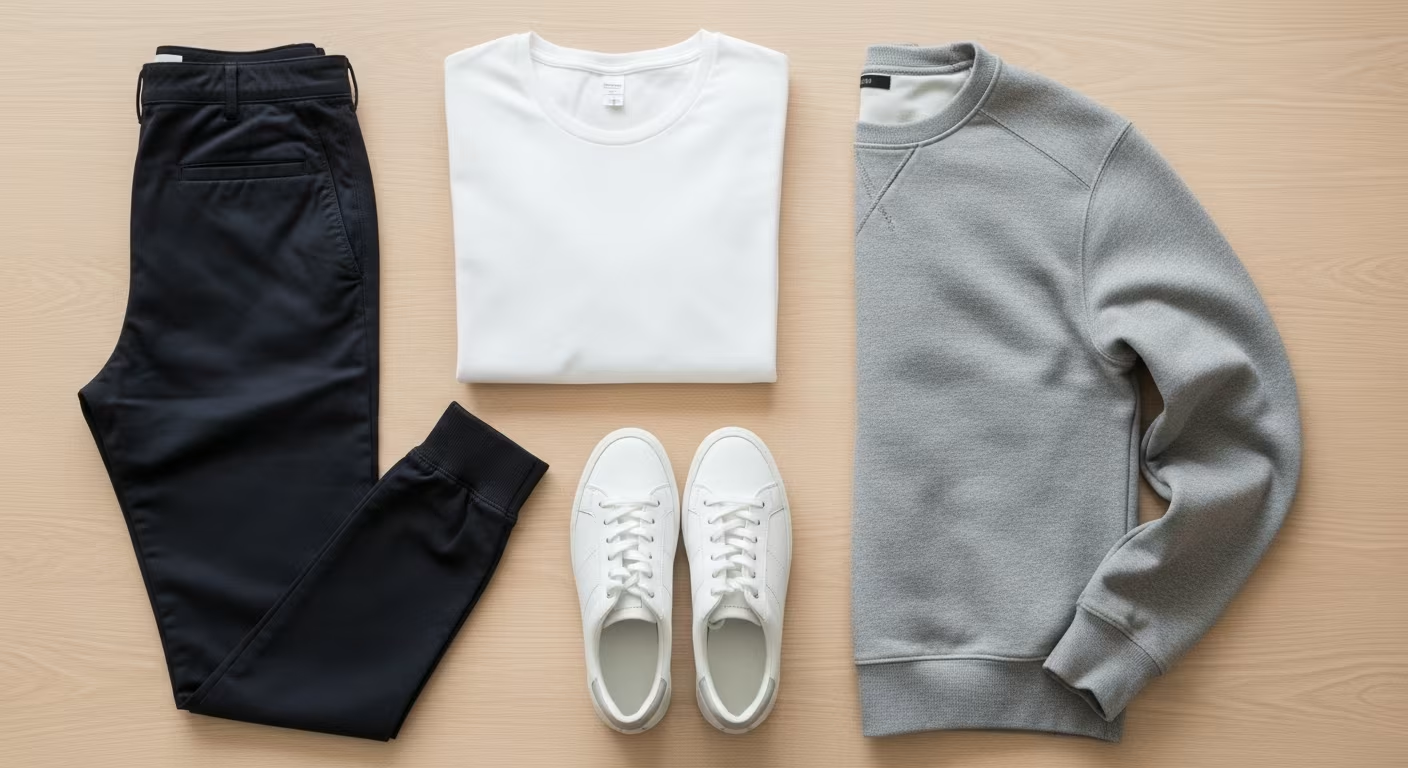
Sweaters tell the clearest story. Bringing them down from storage shows how many you actually wear versus how many you kept out of hope. Ask a concrete question: how many did you genuinely rotate through last winter? For most people the honest number is four to six, including the one or two worn far more than the rest. Everything past that is dormant inventory taking up prime, reachable space. The rule that holds for seasonal closet transitions is simple: if it wasn't worn last season, it needs a strong reason to come back, and "I might wear it this year" is not a reason — it's the exact logic that carried it, unworn, through the last twelve months.
Open Last Year's Decor Before Buying New
Autumn is the runway into holiday season, which means the decor boxes come out in the next few weeks. Before a single new item goes in the cart, open last year's storage and pull each piece out individually. The question for each: was this actually used and displayed last year, or did it just move from box to shelf and back?
Most decor collections carry a layer of items that circulated for years before quietly stopping — a wreath from three apartments ago, ornaments that no longer match anything, the seasonal piece bought with good intentions that never once made it onto a surface. Keep what earned display last year plus what you're genuinely certain about for this year. The "might use it" pile is just clutter with a holiday label. Decor storage is almost always the tightest storage in the house, so anything that doesn't earn its box should leave before the new season adds to the pile.
Reset the Outdoor Space Before It's Buried in Snow
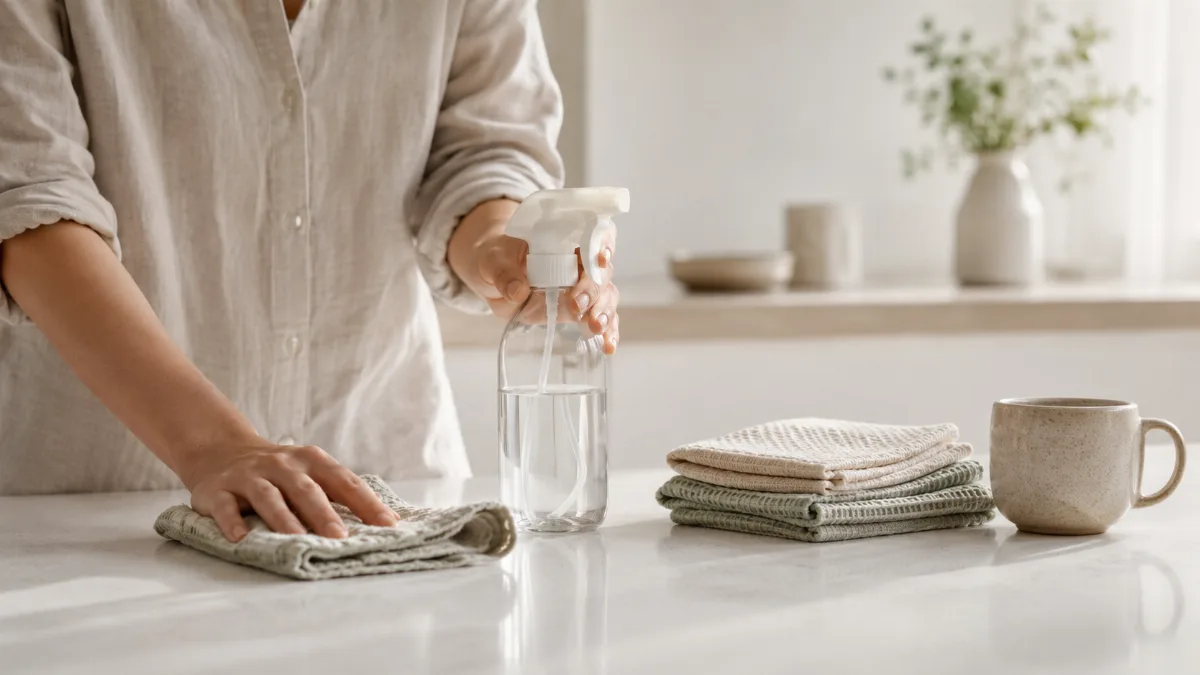
Patio furniture, outdoor rugs, planters, garden tools, and every exterior decorative odd and end reach a natural transition point at the close of outdoor season. Audit before storing, not after: what's in good enough shape to keep for next year, what's cracked or faded past saving, and what replacement is smarter to decide now than to rediscover next spring when you actually want to use it.
Garden tools deserve five minutes of specific attention. Tools cleaned and stored dry last dramatically longer than tools shoved in a corner caked with soil. Knocking off the dirt, wiping a little oil onto metal parts, and putting them somewhere dry heads off the rust that otherwise forces a fresh set of replacement purchases every three or four years. It's the cheapest maintenance in the house and the easiest to skip.
Check the Medicine Cabinet Before Cold Season

Cold and flu season starts in autumn, which makes now the right time to open the medicine cabinet rather than mid-January at 10 p.m. Expired medications go — cough syrups, antihistamines, pain relievers, and cold medications carry expiry dates for a reason, and past them they take up space while doing less than the label promises. Check disposal guidance for anything that shouldn't go straight in the trash; many pharmacies run take-back bins year round.
This is also the moment to confirm what you actually have against what you assume you have. Discovering you're out of acetaminophen is a two-minute shopping-list fix in September. Discovering it on a sick night in February, with a fever and a closed pharmacy, is a different experience entirely. Restock the genuine gaps now, while it's a calm decision instead of a desperate one.
Inventory the Cleaning Supplies
Cold season shifts household cleaning up a gear: more surface disinfecting, more laundry, more paper products and cloths. Before it hits, run through the under-sink cabinet. Cleaning products more than about two years old may have lost their punch, and the specialty cleaner bought for one project and forgotten can leave. What should be visible and easy to reach is the small set you actually use — daily spray, a scrubbing agent, bathroom cleaner, floor cleaner. Anything that takes archaeology to retrieve won't get used consistently, which is why it accumulated in the first place.
Treat the audit as a buying guide too. Note what's genuinely running low, buy those few items before they run out, and pointedly don't restock what sat untouched all year. A cabinet cleared once a year rather than added to indefinitely is easier to work from and cheaper to keep stocked.
Reset the Entryway and Mudroom
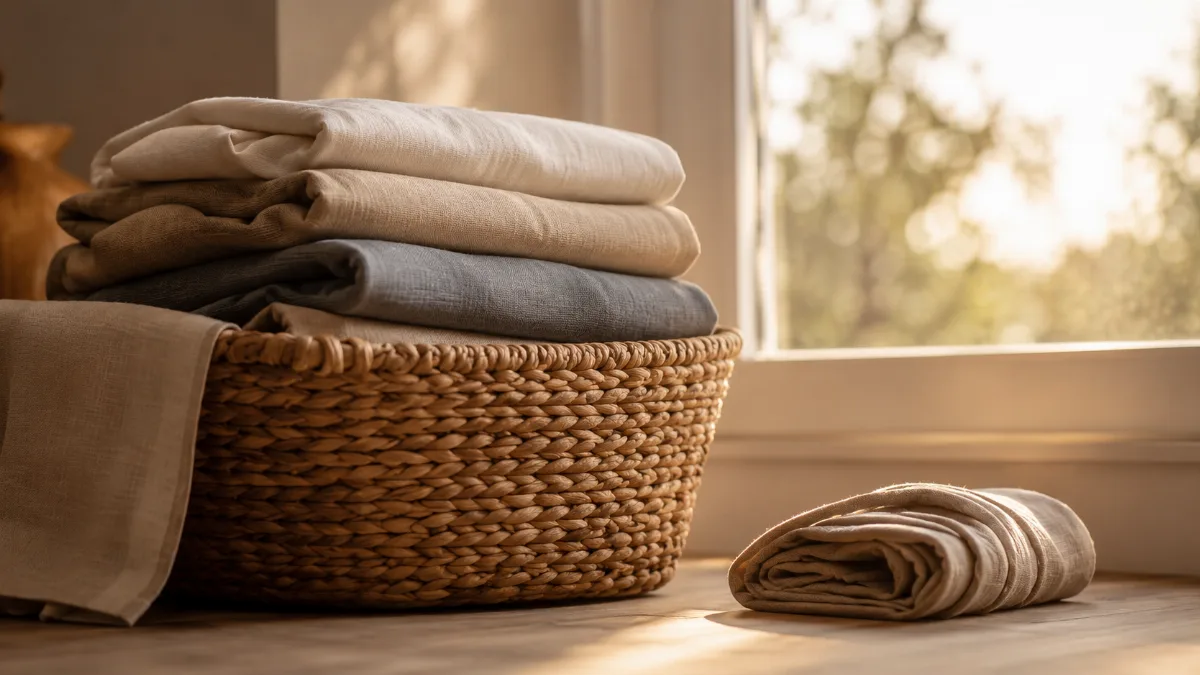
The entryway sits right at the seasonal hinge. Summer footwear — sandals, water shoes, the sneakers that gave out over the warm months — reaches a clean end point, and winter boots are about to come out of storage. The changeover is the natural moment to decide what the coming months actually need and what can finally be released.
Do the audit item by item. Every jacket, coat, and hoodie on the hooks gets tried on or seriously considered. The jacket from two winters ago that only ever gets pushed aside is done. The boots that pinched last winter will pinch again this one; cold doesn't reshape leather. The exit point for these things is obvious — what fills entryways over the years is the habit of keeping them through the transition instead of acting on that obvious clarity.
Households with kids see the entryway grow fastest, so give it a firm ceiling: one backpack per child currently in school, one to two pairs of shoes per child in the size they wear now, and outerwear that fits the current weather. Everything beyond that is either a staging problem — items that belong somewhere else — or a volume problem, more than anyone actually needs by the door.
The Linen Closet and the Bedding Swap
Autumn is also when lighter bedding gives way to flannel sheets, heavier duvets, and the extra blankets that make the season feel like the season. That swap is the natural moment to audit the linen closet, which tends to be one of the most quietly overstuffed spaces in the house — worn-thin sheet sets kept "for guests," odd pillowcases with no matching partner, towels demoted years ago and never actually retired. the KonMari method is a useful outside reference here.
A workable ceiling for most households is two or three sheet sets per bed and roughly two bath towels per person plus a couple for guests. Anything past that is padding. The thin, faded, or permanently stained pieces don't need to reach a donation center to be useful; animal shelters take worn towels and blankets year round, which turns the reject pile into a five-minute drop-off rather than a guilt-tinged trip to the bin. What's left folds into a closet you can actually see into, so the warm bedding you do want is easy to find on the first cold night instead of buried behind three sets you'll never put on a bed.
Clear First, Then Bring In the Cozy
The sequence is what makes autumn feel right instead of merely busier. Clear the summer gear. Clear last season's decor that isn't coming back. Clear the clothes that went a full year unworn. Only then pull out the sweaters, the blankets, the candles, and the fall pieces you genuinely love — because now there's space, and they land in a room that's ready for them rather than fighting for surface area with everything that's piled up since January. The cozy season is simply better when you start it with less already in the way.
See also: how to declutter before a move and low-maintenance habits for a clutter-free home.
The autumn order of operations:
| Step | Rule |
|---|---|
| 1. Judge summer gear NOW | September memory is honest; May optimism is not |
| 2. Clear the receiving rooms | make room before the cozy additions |
| 3. Medicine cabinet | before cold season starts |
| 4. Then add | throws and candles land in a ready room |
Comments
No comments yet.