
How to Stop Bringing New Clutter Into a Decluttered Home

Hey there, friends. Can we just be real for a sec? You know that feeling when you finally conquer the toy mountain, or get your closet down to just the things you actually wear? It's like a damn breath of fresh air, right? You feel lighter, clearer, maybe even like you've got your sht together for a hot minute. 👋

Then, bam. A month later, or sometimes even a week, it's like tiny little clutter gremlins have been let loose. New clothes somehow appear, the kids' toy bins are overflowing again, and that pristine countertop? Buried under school papers and random crap.

If you're nodding along, sighing dramatically, you're in good company. I've been there, like, a hundred times. We put in all this effort to declutter, only to feel like we're constantly fighting an uphill battle against the new stuff coming in. It's exhausting, honestly.

Today, we're gonna talk about how to stop that damn cycle. We'll dig into why new clutter keeps finding its way in, and then I'll share some real, no-BS strategies I use to actually keep the new stuff out. We're talking practical steps, not some pie-in-the-sky ideal that only works for Instagram influencers.

Why This Actually Matters

Okay, so why bother with this? I mean, who cares if a few extra toys or shirts sneak into the house? Trust me, it’s not just about looking tidy for the neighbor's quick pop-in. This goes way deeper than aesthetics.

For me, less stuff means less mental load. It means I'm not spending precious minutes every day looking for matching socks, or tripping over a scattered LEGO collection in the dark. It means I'm not stressing about what a mess my house is when someone calls to say they're in the neighborhood.

Remember that deep sigh of relief after a big declutter session? That's what we're trying to protect here. That feeling of calm, of control. Because when the clutter creeps back in, so does the anxiety, the frustration, and the endless "where the hell is my keys?!" moments.

I used to spend a good two hours every Sunday just cleaning around stuff. Shifting piles, moving decor, dealing with forgotten toys. Two hours! That's two hours I could've spent at the park with my kids, or reading a book, or even just sitting on the damn couch staring into space. When I actually committed to keeping new clutter out, those two hours melted away. It made a huge difference to my weekend sanity.

Understanding the "Re-Clutter Cycle"

Before we can stop it, we gotta understand it, right? It's not just that you're "bad" at minimalism. There are genuine, sneaky reasons why clutter just keeps showing up on your doorstep, or in your shopping cart.

Think about it: we live in a society that constantly tells us we need more. More gadgets, more clothes, more "must-have" items for our kids. It's an ingrained habit, and breaking habits takes effort.

We're up against marketing, well-meaning loved ones, and sometimes, just our own tired brains making impulse decisions. It's a real battle, and it's okay to admit that.

The Sneaky Ways Clutter Creeps Back In

It's rarely one big shopping spree that does us in. More often, it's a thousand tiny additions. The little things you don't even register until they've accumulated into a mountain.

  • Impulse Buys (or the "Just In Case" Syndrome): You're at Target for diapers, right? And then you see that cute shirt on sale, or a new kitchen gadget that promises to save you 30 seconds a day. You tell yourself it's a "good deal" or "I might need it someday." Boom, clutter. I've been guilty of buying duplicates of things I thought I lost, only to find the original hiding later. Damn it.
  • Gifts (The Sweet but Overwhelming Kind): Ah, gifts. From birthday parties to holidays, well-meaning friends and family can unintentionally drown your house in new stuff. Think about how many plastic trinkets come home after a kids' birthday party, or the sheer volume of clothes grandparents send for Christmas. It comes from a place of love, but it still adds to the pile.
  • Kids' Stuff (The Never-Ending Influx): Oh, this one's a biggie. School projects, party favors, craft supplies, new clothes because they literally grew overnight. It's a constant stream. My kids seem to acquire new rocks, sticks, and random bits of nature every time we go outside. And then they want to "keep" it.
  • Freebies & Promos (Because "Free" is Hard to Resist): Remember that conference goodie bag you brought home? Or the free samples at the grocery store? Sure, it's "free," but if you don't actually need or use it, it's just occupying space. I once kept a branded stress ball for three years because "it was free!" I didn't even like stress balls.
  • Sentimental Attachment to Potential: This is the stuff we keep because we might use it, or might need it, or might regret getting rid of it. That old craft kit you plan to finish, the broken appliance you swear you'll fix, the clothes that "might fit again someday." It's not clutter yet, but it's clutter-in-waiting, taking up space and mental energy.

Your "Clutter Guard" Playbook: How To Actually Do It

Okay, so we know how it gets in. Now, how do we stop it? This isn't about never buying anything again. That's unrealistic and, frankly, not very fun. This is about being intentional, creating boundaries, and developing some new habits.

It's gonna take some conscious effort at first. Like learning to drive a stick shift when you've only ever driven automatic. But once these habits click, they'll make a huge difference.

Step 1: Implement the "One In, One Out" Rule (Seriously)

This is probably the most famous minimalist rule for a reason: it actually works. It's simple, straightforward, and creates an immediate barrier to new stuff. You want to bring something new into your home? Great. Something else has to leave.

For clothes, if you buy a new sweater, go find an old one to donate or toss. No "I'll do it later." Do it then. I've made myself put the new item directly on the old item, forcing the decision right away.

For toys, this is a lifesaver. Before a birthday party or holiday, have your child (or you, if they're too young) pick out a few toys to donate. Or if a new toy comes in, an old one has to go. It teaches them about making choices and not just endless accumulation. I make my kids find a toy to say goodbye to before they open new ones. It doesn't always go smoothly, but it establishes the boundary.

Kitchen gadgets? Same deal. If you're eyeing that new air fryer, you need to decide what it's replacing. Maybe it's that old deep fryer you never use, or that bulky toaster oven. Make the exchange immediate. This rule forces you to confront the reality of how much space you have, and how much you truly need.

Step 2: Create a "Holding Zone" for New Arrivals

This is a game-changer, especially for kid stuff and things you're not sure about. Designate a specific spot – a bin, a shelf in the garage, even a corner of the laundry room – as your "holding zone."

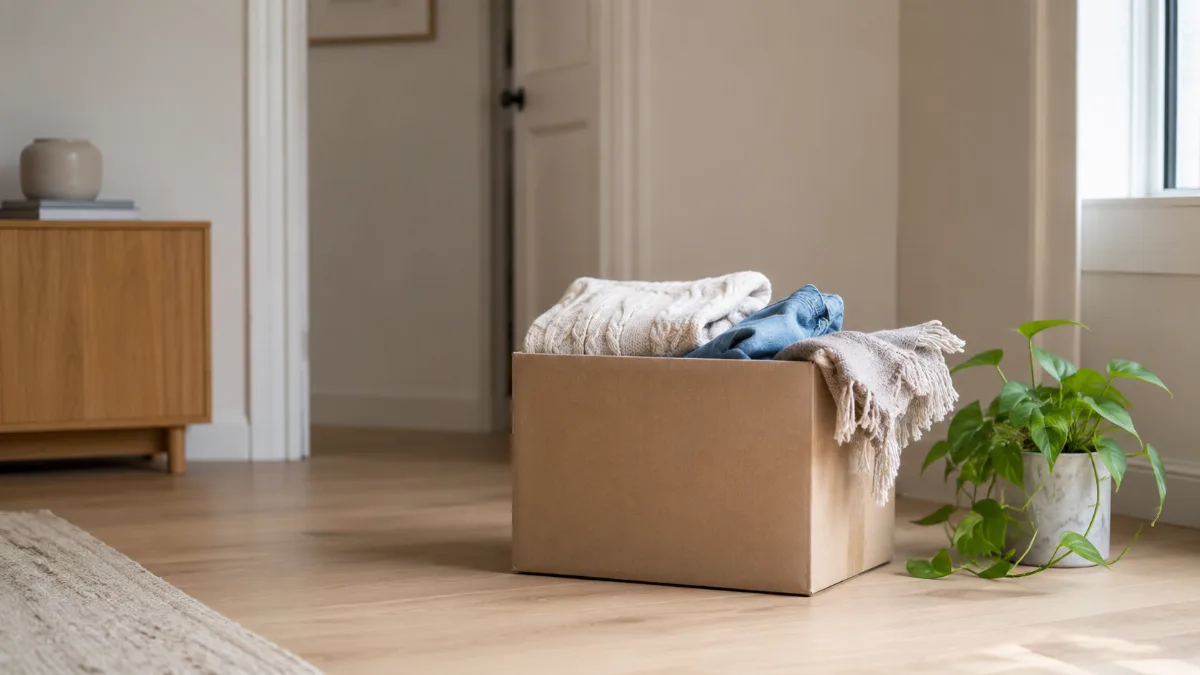
When new items come into the house – whether it's a gifted toy, a new piece of clothing, or a sale item you bought – they go into the holding zone first. They don't immediately get put away or integrated into your home's existing systems.

Why this works: It gives you a buffer. It lets you evaluate the item without the pressure of immediately finding a "home" for it. For kids' toys, it allows a "cooling off" period. Sometimes, they'll forget about the new toy entirely if it's not immediately accessible. You can then re-evaluate if it's even needed or if it can be passed on.

I also use this for things I buy but haven't decided where they'll live. If they sit in the holding zone for a week or two and I haven't needed them, or found a perfect spot, it’s a pretty good sign they need to go back to the store or straight to donation. It forces a pause before clutter becomes permanent.

Step 3: Master the Art of Mindful Shopping (and Un-Shopping)

Before you buy anything new, ask yourself a few critical questions. Seriously, pause at checkout or before hitting "add to cart." Do I truly need this? Do I have something similar already? Where will it live in my home? Does it align with the vision I have for my less-cluttered space?

A personal rule I swear by: the "30-Day Rule" for non-essential purchases. If I see something I really want, but don't strictly need, I'll add it to a list on my phone. Then I wait 30 days. If I still want it, and I've found a use and a home for it, I'll consider buying it. More often than not, I've forgotten about it entirely or realized it wasn't that important. It saves me so much buyer's remorse and keeps impulse buys out.

And for god's sake, embrace "un-shopping." Return things! If you get home and that sale shirt doesn't fit quite right, or that kitchen gadget looks more complicated than helpful, take it back. Don't let it become permanent clutter just because you don't want the hassle of a return. That 15-minute trip to the store saves you weeks, months, or even years of looking at something you don't love or use.

Step 4: Communicate Your Boundaries (Especially Around Kids)

This can be tough, especially with family, but it's essential. You don't have to be a total Grinch, but you can gently guide gift-giving. For birthdays and holidays, communicate your family's preference for experiences over stuff.

Suggest museum memberships, tickets to a show, or contributions to a college fund. If physical gifts are a must, suggest consumables (art supplies, special snacks), or specific items your kids genuinely need (a new pair of rain boots, a specific book series). You can even suggest a "one big gift" rule for grandparents if they're usually over-the-top.

With friends, it's easier. Just say, "Hey, we're really trying to keep the toy clutter down, so if you're thinking of a gift for [kid], maybe a book or an experience would be awesome!" Most people will understand. It’s better than getting 10 plastic toys that will break in a week.

It also means teaching your kids about the limits of what comes into the house. They can't keep every single piece of art they make at school, or every rock they pick up. Have a designated display space for art and a small collection box for treasures. When the box is full, they choose what to keep and what to let go of. It's hard, but it's a necessary lesson.

Step 5: Regular "Micro-Declutter" Checks

Decluttering isn't a one-and-done event; it's ongoing maintenance. Think of it like brushing your teeth. You don't just brush once and expect fresh breath forever, right? The same goes for your home.

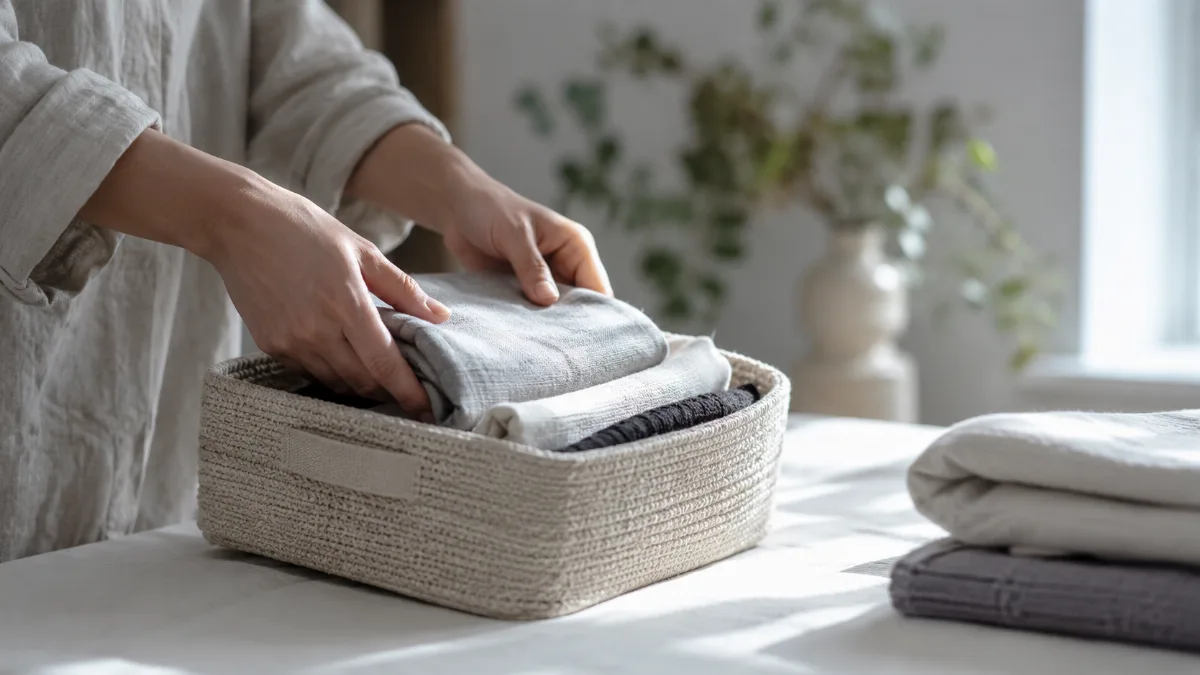
Schedule a quick, 10-15 minute "micro-declutter" at least once a week. This isn't a deep dive; it's a quick sweep. Grab a basket and go through one zone: the kitchen counter, the bathroom vanity, your kids' nightstands. Look for anything that's crept in and doesn't belong or isn't being used.

My Sunday evening routine includes a 15-minute sweep of the main living areas. Anything that has accumulated over the week gets put away, or if it's new and doesn't have a home, it goes into my "holding zone" to be evaluated. It prevents tiny bits of clutter from snowballing into a huge mess that feels impossible to tackle.

These small, consistent efforts prevent overwhelm. You catch the clutter before it takes root, making it much easier to maintain your decluttered space. It's less daunting than a full-day declutter marathon, which, let's be honest, we barely have time for.

Step 6: Embrace the "Use It Or Lose It" Mentality for Storage

One of the biggest traps we fall into is buying more storage solutions for things we don't actually need or use. You've decluttered, you've got your new system, and then you see a cute basket or a new shelving unit at HomeGoods. Don't fall for it!

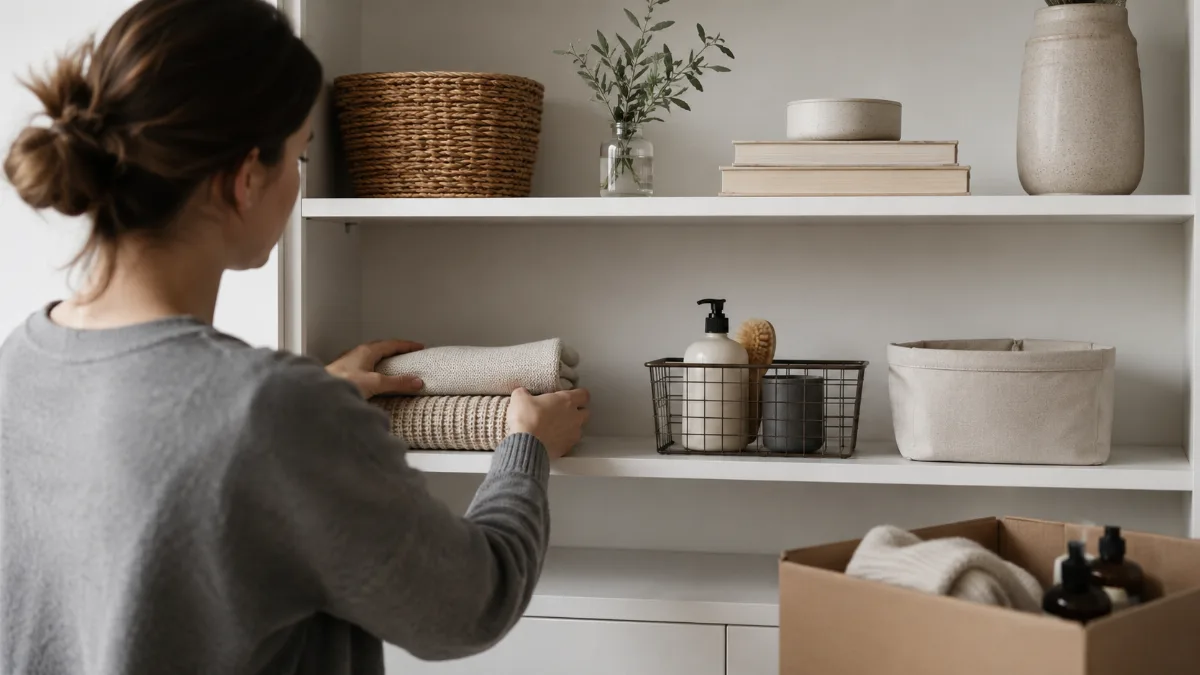
Your storage should fit your current stuff, not be an excuse to acquire more stuff. If you've got a cabinet that's full, and you want to bring in a new item for that cabinet, something has to go. Period. You don't buy a bigger cabinet. That just kicks the can down the road.

This is especially true for holiday decorations, seasonal clothing, or hobby supplies. Designate a fixed amount of storage for these items. If your bin for Christmas ornaments is full, and you buy a new ornament, an old one needs to be donated. It creates a natural, physical boundary that keeps new clutter out.

It forces you to be ruthless with what you keep. If you don't have space for it, and you've already pared down to the essentials, then it simply doesn't belong. This mindset prevents the endless cycle of buying storage for things you shouldn't be keeping in the first place.

Step 7: Re-evaluate Your "Need It Someday" Items

This is a tough one for many of us, myself included. How many times have you kept something just in case you "might need it someday"? That old phone charger that doesn't fit your current phone, the spare button bag from a shirt you no longer own, the obscure craft supply.

This "someday" pile is a major source of future clutter. More often than not, "someday" never comes, or by the time it does, you've either forgotten you have the item, or the need has passed. The mental weight of these items, even if they're tucked away, is real.

Challenge yourself: If you haven't used it in a year (or even six months for certain items), and it's not truly essential or sentimental, let it go. Be honest with yourself about the likelihood of actually needing that specific thing. You can probably borrow it, buy it cheaply, or find an alternative if that rare "someday" ever materializes.

I swear, the relief of letting go of those "just in case" items is huge. It frees up physical space and, more importantly, mental bandwidth. You stop having to remember where that obscure item is, or feeling guilty for not using it.

Step 8: Be Honest About Your Kid's "Love" for Toys (It's Fleeting)

Oh, the pain of letting go of a toy your kid "loves." But let's be real: how long does that "love" last? Often, it's about 20 minutes before they're on to the next shiny thing. Kids have a way of obsessing over something for a short burst, then completely forgetting about it. We, as parents, tend to attach more meaning to their transient affections.

Don't let every single toy that enters your house become a permanent resident based on a brief moment of interest. Use toy rotation to your advantage. If a new toy comes in, cycle an old one out. If they don't even notice the old one is gone after a week, it's a prime candidate for donation.

Also, don't forget the power of "put away for now." If a toy is causing more mess than joy, or your child isn't engaging with it meaningfully, it can go into temporary storage. If they ask for it after a month, great, bring it back out. If not, it can probably find a new home. This helps manage the flow and keeps the current play space from becoming overwhelming. It's not deprivation, it's curation.

Making It Stick: Common Pitfalls and How to Dodge Them

Okay, so you've got the playbook. But even with the best intentions, it's easy to slip up. We're human, we're busy, and life happens. Knowing the common traps can help you avoid them and get back on track quicker.

Don't beat yourself up when you make a mistake. It's not about perfection; it's about progress. The goal is to build habits that make your life easier, not harder.

Mistake #1: Not Having a Clear Vision

If you don't know what you're aiming for, how do you know if you're getting there? Just saying "less clutter" isn't enough. You need a vision for what "enough" looks like in your home.

Is it having clear countertops in the kitchen? Being able to see all the clothes in your closet? Having only toys that your kids actively play with? Picture that feeling, that outcome. When you're faced with a new purchase or gift, ask yourself: Does this fit my vision? Does it contribute to that feeling of calm and order, or detract from it?

Mistake #2: The "Just In Case" Trap

We covered this briefly, but it's such a pervasive problem that it deserves another mention. The fear of needing something after you've gotten rid of it is powerful. It makes us cling to things that we logically know we don't use.

The truth is, most things we get rid of, we rarely miss. And if we do need something in the future, chances are we can borrow it, buy a replacement, or find an alternative. The mental burden of keeping something "just in case" often far outweighs the minimal cost or effort of replacing it down the line.

Mistake #3: Ignoring the Kids' Influx

This is where many minimalist efforts completely derail. We're great at decluttering our own stuff, but then the kids' rooms become a black hole of plastic and forgotten crafts. You can't ignore it and expect your home to stay clutter-free.

You have to be proactive. Involve them in the "one in, one out" rule early. Communicate with family about gifts. Have designated spots for their items, and stick to those boundaries. It's a continuous conversation and effort, not a one-time purge. It's hard, I know. My kids sometimes look at me like I've suggested they give away their own arm, but it's important.

Mistake #4: Thinking Decluttering is a One-Time Event

Nope. Absolutely not. Decluttering is a muscle. You build it with regular exercise. If you think you can do one big purge and then never think about clutter again, you're setting yourself up for disappointment and burnout.

Embrace it as an ongoing process. A lifestyle, even. The micro-declutter checks, the "one in, one out" rule, the mindful shopping – these are all parts of maintaining that muscle. It gets easier with practice, I promise. It won't always feel like a huge chore.

Mistake #5: Guilt Over Gifts

This is a big one. We often feel guilty getting rid of a gift, even if we don't need or want it. We attach the giver's love to the item itself, making it hard to let go. But here's the truth: the love and intention were in the giving, not in the object itself.

The gift has fulfilled its purpose by bringing joy to the giver. Now, if it's not bringing joy or utility to you, it's okay to let it go. Donate it, re-gift it if appropriate, or sell it. The person who gave it to you wants you to be happy, not burdened by stuff. It took me a long time to internalize that, and it’s damn freeing.

The secret to a continuously decluttered home isn't never bringing anything new in; it's thoughtfully curating what stays and consistently letting go of what doesn't serve you. It's an ongoing conversation with your space.

Frequently Asked Questions

What if my partner/family keeps bringing stuff home?

This is super common and honestly, it's tough. The best approach is open, honest communication, without judgment. Explain why you're trying to keep clutter down – how it reduces stress for you, how it benefits the family (less cleaning, more free time). Maybe you can agree on designated "hobby zones" or "collectible shelves" for their items, so their stuff doesn't spill into shared spaces. Lead by example; they might eventually see the benefits you're experiencing.

How do I handle sentimental items that are just clutter?

Sentimental items are tricky because they're not just "stuff"; they're memories. Start by asking yourself if the item is truly the only way to preserve that memory. Often, a photograph of the item is enough. You can create digital memory boxes, or a single physical memory box for your absolute most cherished items. Don't feel guilty about letting go of items that represent a memory but no longer bring you joy to keep. The memory lives in you, not the object.

Is it really possible to never buy anything new again?
Hell no! And that's not the goal of minimalist living for most of us. The goal isn't deprivation; it's intentionality. It's about being mindful of what you bring into your home, choosing quality over quantity, and ensuring that everything you own serves a purpose or brings you genuine joy. You'll still buy things, but you'll make better, more conscious decisions about those purchases.

My kids get so much stuff for holidays/birthdays. Help!

Oh, I feel this in my soul. This requires proactive communication with family and friends before the event. Suggest experience gifts (zoo passes, classes), contributions to a savings fund, or specific items your child truly needs/wants (a bike, a particular book). You can also implement a "one big gift" rule. For things they do receive, use the "one in, one out" rule, and consider a temporary "toy library" where some gifts are stored away and rotated out later. It’s hard but necessary to set boundaries.

I'm afraid I'll regret getting rid of something.

That fear is totally valid, and it's a huge hurdle for many of us. The truth is, sometimes you might* regret it. But in my experience, those moments are incredibly rare. The relief and freedom of living with less almost always outweigh that occasional "damn, I wish I'd kept that." If you're really on the fence, use your holding zone. If it sits there for a month and you haven't needed it, or thought about it, it's probably safe to let it go. Trust your gut, and remember that things can often be borrowed or re-purchased if absolutely necessary.

What about things for future kids? Like baby gear or clothes?
If you're planning on more kids, it makes sense to keep certain big-ticket, reusable items like a crib or a stroller. But be selective. Don't keep every single onesie, or all 10 types of baby carriers. Store only the essentials and only what is in good condition and genuinely useful. If you don't use it for the next kid, it needs to go. My rule for baby clothes was to keep one small bin of my absolute favorites per size, and anything else went. It saved my sanity.

The Bottom Line

Keeping new clutter out of your decluttered home isn't about being perfect or never buying anything again. It's about developing conscious habits, setting clear boundaries, and regularly checking in with your space.

It's an ongoing process, a marathon, not a sprint. You're going to slip up. You're going to bring things home you probably didn't need. But the key is to recognize it, learn from it, and get back on track. Start with one strategy today, maybe the "one in, one out" rule for clothes. See how it feels. You got this, mama. ❤️