
How to Handle Gift-giving Holidays as a Minimalist Family
Okay, raise your hand if you’ve ever found yourself staring at a mountain of ripped wrapping paper on Christmas morning, feeling less "joyful" and more "oh damn, where is all this crap going to go?"
Yeah, me too. Every single year for a while there, especially after Leo and then Isla came along. It was like our house actively tried to recreate the North Pole, except with more plastic and fewer elves.
It’s a lot, right? The pressure to buy, the guilt if you don't, the sheer volume of stuff that floods your home and threatens to drown you in January.
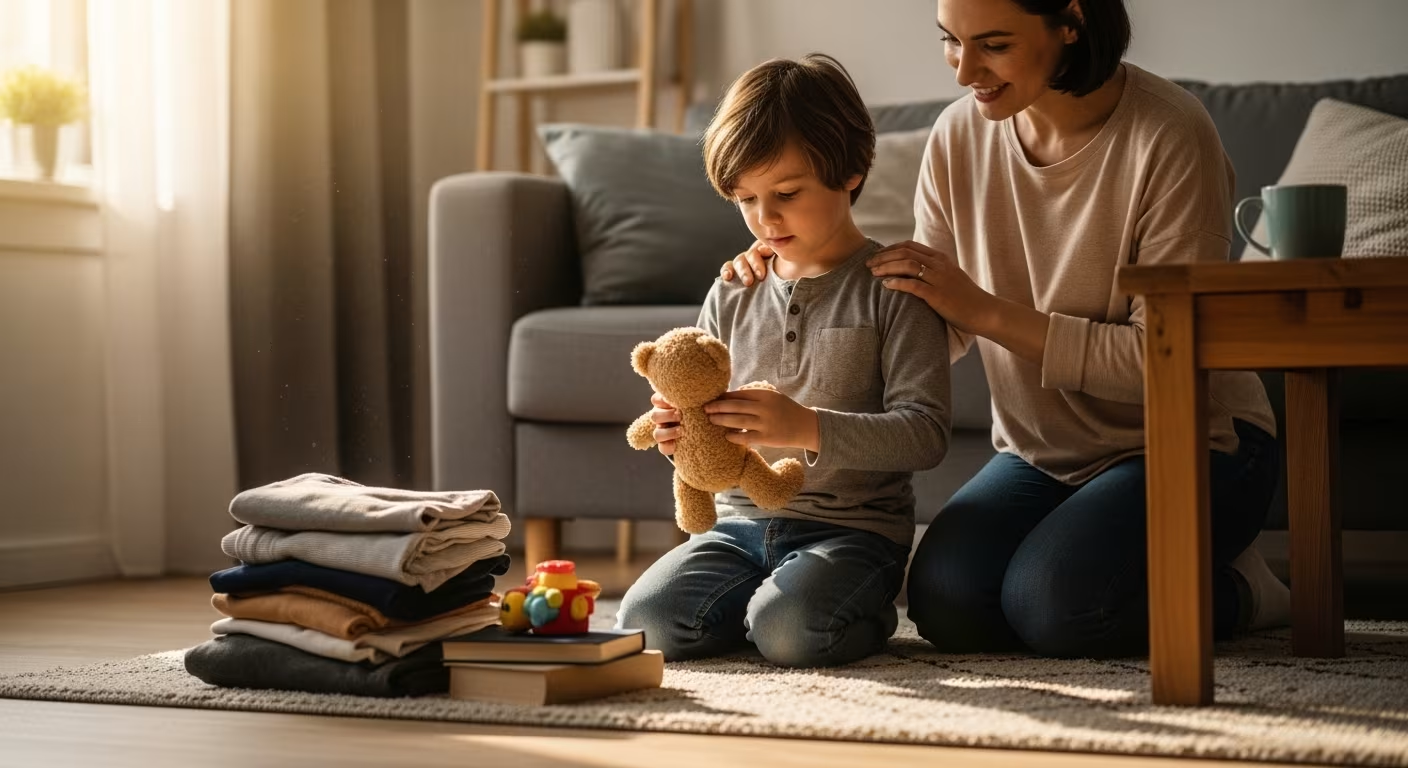
You know that feeling. The one where you’re trying to enjoy a quiet moment, but your eye just keeps twitching at the pile of new toys taking over the living room. Or the extra clothes that suddenly appeared in your kids’ already bursting closets.
Well, I’m here to tell you it doesn’t have to be that way. Not entirely, anyway. We’re going to talk about navigating gift-giving holidays as a minimalist family, without alienating your entire extended family or making your kids feel like they’re living in a deprivation zone. It’s a balance, always a damn balance.
We’ll cover why this even matters, some basic strategies for cutting down on clutter, how to talk to your well-meaning (and sometimes overzealous) loved ones, and what to do when new things do inevitably arrive. Get ready to breathe a little easier this holiday season. 👋
Why This Actually Matters
Honestly, when I first started thinking about minimalism, it was purely out of survival. My first kid, Leo, was born, and suddenly our small two-bedroom house was overflowing with baby gear. I’m talking 2 high chairs, 3 swings, a bassinet, a pack-n-play, and enough tiny outfits to dress a small army.
I felt suffocated. Every surface was covered, every closet packed. My brain felt as cluttered as my countertops. I used to spend my Saturdays trying to "organize" everything, only to feel defeated by Sunday night.
The holidays, though? That’s when the stuff really hit critical mass. After Leo’s first Christmas, I literally couldn't walk into his nursery without tripping over a new musical toy or a stack of board books that wouldn't fit on the shelf.
It wasn't just about the physical space, though that was a huge part of it. It was the mental load. All that stuff required constant management. Cleaning around it, moving it, finding places for it, deciding what to do with it when it was outgrown or broken.
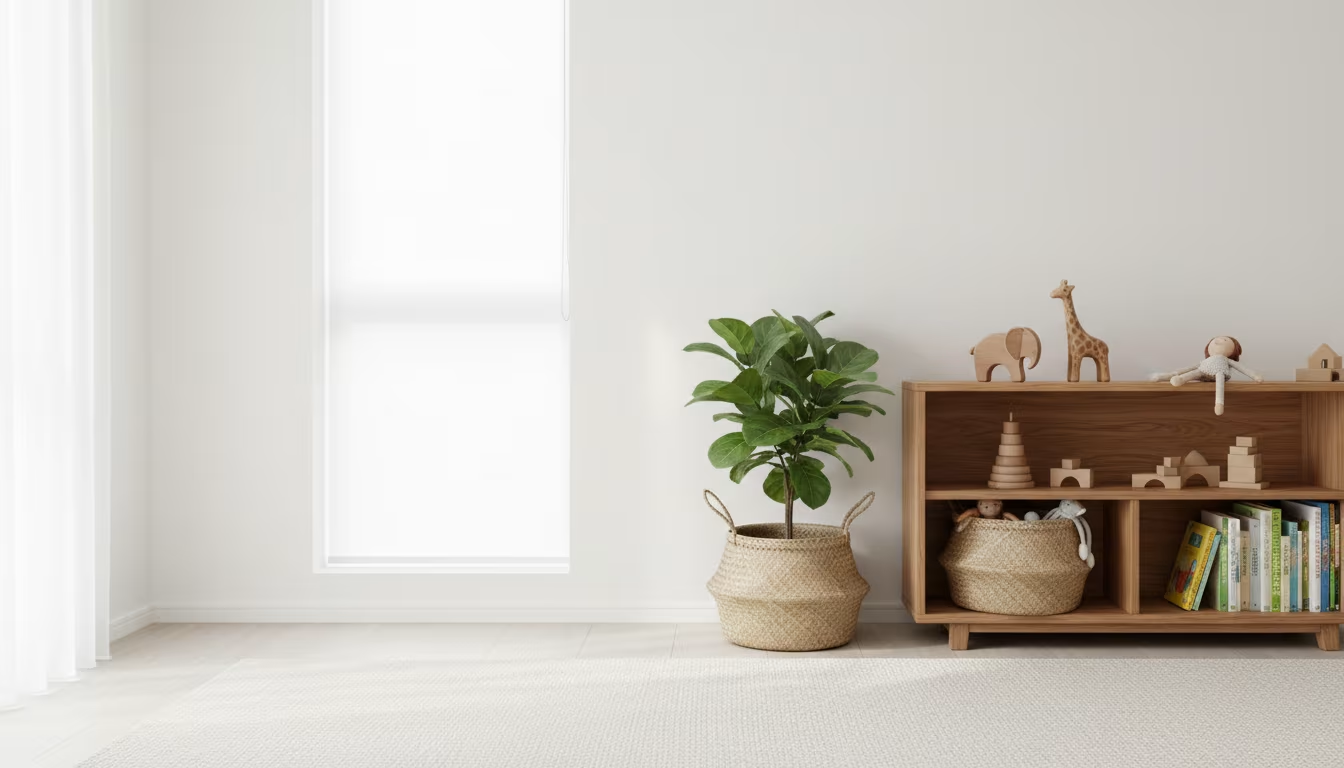
Less stuff meant less stress for me. It meant more time actually playing with my kids instead of tidying up around them. More money saved, too, because I wasn't constantly buying storage solutions for things we didn't really need in the first place.
For me, embracing minimalism around gifts was about reclaiming our home, our time, and our sanity. It allowed us to focus on the joy of the holidays – the traditions, the family, the food – rather than the anxiety of where to put the 15th plastic truck.
It means your kids actually play with the toys they have, instead of being overwhelmed by too many choices. It means you aren't spending hours after the holidays cleaning up and making donation piles. It just allows for more presence, and less pressure.
Understanding the Basics of Minimalist Gifting
So, what does "minimalist gifting" even mean? It doesn't mean you become Ebenezer Scrooge and cancel Christmas. Definitely not. It means being more intentional about what comes into your home, especially during gift-giving seasons.
It's about prioritizing experiences, thoughtful items, and things that genuinely add value, rather than just more clutter. It’s about quality over quantity, every single time.
The 4-gift Rule for Kids
This is probably the most popular guideline, and for good reason. It’s super simple and really helps manage expectations for your own kids. We use it every year, and it’s a lifesaver.
- Something they WANT: This is that one special toy, game, or item they've been eyeing. The thing they actually ask for.
- Something they NEED: Practical stuff here. Maybe new winter boots, a fresh swimsuit, art supplies, or a specific piece of sports equipment.
- Something to WEAR: Clothes! Pajamas, a nice sweater, a new jacket. My kids get pajamas every Christmas Eve, it’s a tradition now.
- Something to READ: Books, books, books. A new series, a favorite author, or a magazine subscription. This is a gift that keeps giving, especially when it encourages quiet time.
This rule helps keep things focused and meaningful. It cuts down on the random junk that just ends up in a forgotten pile by mid-January. It teaches kids to think about what they really want, instead of just a mountain of things.
Experiences over Things
This is a big one for our family. Instead of another plastic toy that will break in a month, think about what memories you can create together. These are the gifts that truly stick with kids.
For example, a membership to the local children’s museum or zoo. Tickets to a special show or a sports game. A coupon book for "date nights" with a parent, or "stay up an extra hour."
We did a family membership to the Denver Botanic Gardens last year, and it was the best gift ever. We used it constantly, year-round. It got us outside and doing something together, which is way more valuable than another toy car.
These kinds of gifts also spread out the joy. Instead of one big burst of excitement on Christmas morning, they provide little bursts of fun and connection throughout the year. It’s pretty magical, honestly.
Quality over Quantity
It’s so easy to fall into the trap of buying a bunch of cheap little things to make a pile look bigger. I totally get it. But those cheap things often break quickly, or lose their appeal even faster.
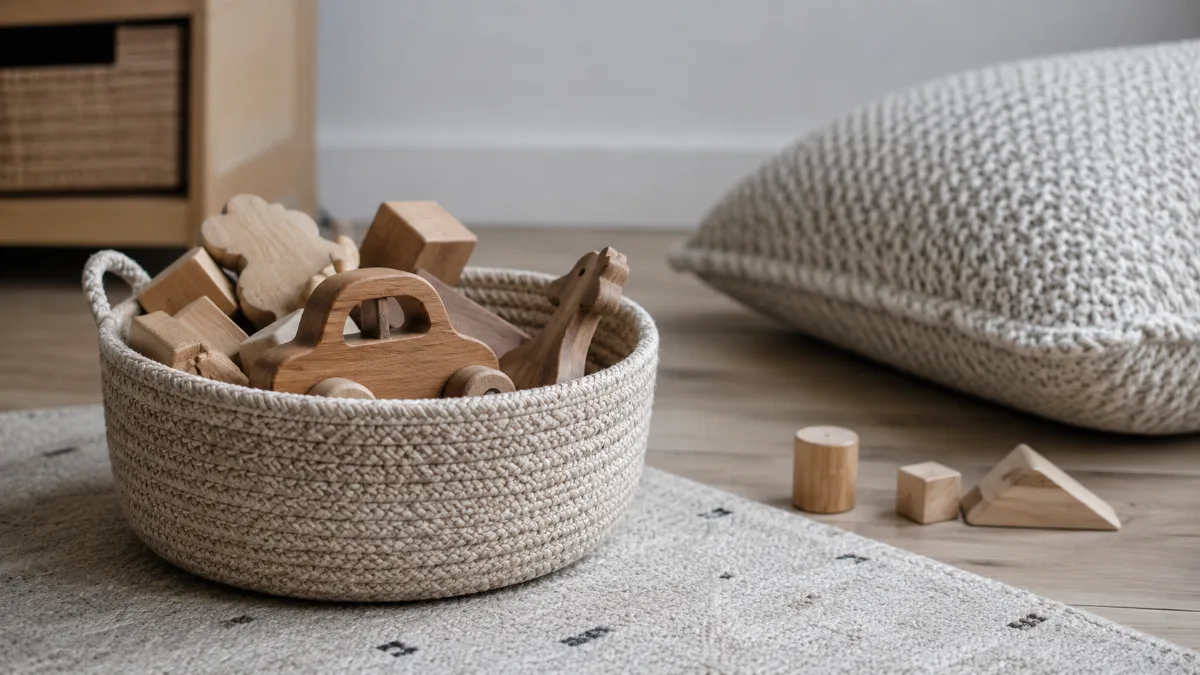
Think about investing in one really good, durable toy that will last, or a classic game that the whole family can play for years. A sturdy wooden train set instead of a flimsy plastic one. High-quality art supplies that actually work, rather than dried-out markers.
I’ve learned the hard way that a few well-made items are far superior to a mountain of dollar-store junk. My kids actually cherish and play with the good stuff. The cheap stuff? It just adds to the clutter and eventually the landfill.
This goes for adult gifts too. One really nice, useful kitchen gadget or a cozy cashmere sweater is better than five cheap items you’ll never use or wear. It's about being discerning, even if it feels a little harder upfront.
How to Actually do It: Practical Steps for Minimalist Gifting
Alright, so you’re on board with the idea. Less stuff, more joy, more sanity. But how do you actually put this into practice without causing family drama or making your kids feel left out? It takes some planning, a little courage, and a whole lot of communication.
Step 1: Talk to Your Partner Early (and Get on the Same Page)
This is probably the most crucial first step. Before you even think about holiday shopping or talking to anyone else, sit down with your partner. You guys need to be a united front on this.
Explain your vision for a less stuff-filled holiday. Share your "why." Maybe it’s about reducing stress, saving money, or just not wanting to drown in plastic. Whatever your reasons, articulate them clearly.
Decide together on a strategy. Are you doing the 4-gift rule for your kids? Are you aiming for more experiences? Are you setting a budget for each other? Having a shared plan makes everything else so much easier.
If you’re not aligned, things will get messy. One of you might accidentally (or intentionally) undermine the plan, and then you’re back to square one with extra clutter and potential arguments. So, coffee date, quiet evening, whatever it takes. Get on the same team.
Step 2: Communicate with Grandparents and Extended Family (gently)
This is where it can get tricky, right? Grandparents, aunts, uncles – they often express their love through gifts, and a lot of them. And bless their hearts, they usually mean well. So, gentle communication is key.
Start early, maybe October or early November, before they've done too much shopping. Don't send a blanket email with a list of demands. That just feels cold.
Instead, try a personal phone call or a heartfelt note. Something like, "Hey, we're really trying to simplify things this year to focus more on experiences and time together. We'd love to suggest a few ideas for the kids if you're looking for gifts."
Frame it positively. "We're really hoping to create more memories this year," or "We've noticed the kids get overwhelmed with too many toys, and we want to aid them appreciate what they have." Share your reasons, not just rules.
You can suggest things like contributing to a savings fund for a big family trip, buying tickets for an experience (zoo, museum), or chipping in for one larger "family" gift like a trampoline or a sturdy bike. My mom always sends gift cards for the local bookstore now, and it's perfect.
For clothes, be specific. "Leo could really use some warm pajamas in size 6T, or some snow gloves." Give them options that align with your needs. Make it easy for them to give you something useful.
Step 3: Create a "wishlist" of Experiences or Specific Needs
This works for both your immediate family and for sharing with others. Instead of just saying "no toys," which can be confusing, provide concrete ideas. Make a list!
For kids, list out specific experiences: "A trip to the ice skating rink," "A pass to the trampoline park," "Cooking classes," "Movie tickets," "Horseback riding lessons." You can even do a simple "coupon book" for these from family.
For physical items, be very specific. Instead of "toys," try "the specific Lego set Leo has been talking about," or "a new art easel with paper and paints," or "a chapter book series for Isla."
You can even suggest consumable gifts: art supplies, play-doh, bath bombs, baking ingredients for a family baking day. These get used up and don't add to permanent clutter. Food items from local bakeries or specialty stores are also great for adults.
For adults, think about things you truly use or need to replace. My wishlist always includes things like "high-quality coffee beans," "a specific kitchen tool that broke," or "a gift card to my favorite local restaurant for a date night." Practical, consumable, or experience-based.
Step 4: Embrace Group Gifts
This is a brilliant strategy for larger, more expensive items that your family genuinely wants or needs, without everyone buying individual gifts that accumulate. Talk to family members about pooling resources.
For example, if your kids really want a new swing set, or a high-quality outdoor playhouse, or even something like a really nice family tent for camping, suggest that relatives contribute to that one big item.
It’s often easier for people to chip in $20 or $50 towards something substantial than to find five separate small gifts. It ensures a high-quality item that will actually be used and loved, and it prevents a bunch of smaller, less meaningful things from piling up.
We did this one year for a new bike for Leo. My parents, my sister, and my husband’s brother all contributed, and he got an amazing bike that fit him perfectly and will last years. No extra junk, just one fantastic gift.
Step 5: Consider Handmade or Consumable Gifts
These are often the most heartfelt gifts anyway. A homemade batch of cookies, a knitted scarf, a piece of art created by your child, or a jar of homemade granola. These show thought and effort without adding to the clutter.
For kids, things like "coupons" for special time with a grandparent ("A day at the park with Grandma," "Baking cookies with Grandpa") are priceless. These are the memories they'll cherish, not the plastic toy that ends up in the donation bin.
Consumable items are also great. Specialty foods, nice coffee, high-quality bath products, candles. These get used up, enjoyed, and don’t take up permanent space. They're a win-win.
My kids love making cards and little crafts for their grandparents. Sometimes those are the most treasured gifts because they come straight from the heart, and they don’t need a battery or an instruction manual. It’s a subtle way to shift focus.
Step 6: Navigate Post-holiday Clutter (it Will Happen)
Let's be real. Even with the best intentions and communication, some clutter is going to happen. Someone is going to disregard your wishes, or a friend will bring an unexpected gift. It's okay. You’re not a failure.
Before the holidays, do a pre-holiday declutter. Go through your kids’ toys, clothes, and books. Talk to them about making space for new items. "For every new toy that comes in, we'll choose one to donate." This is a gentle way to prepare them and the house.
After the holidays, take a deep breath. Let the new gifts be enjoyed for a few days, or a week. Then, as the initial excitement fades, gently go through things. What's truly loved? What's redundant?
For gifts that just aren’t a good fit, be discreet. If it's something truly unwanted or impractical, you can donate it, sell it, or regift it later. Don't feel guilty. Your home isn't a storage unit for unwanted gifts. Thank the giver for their thoughtfulness, and then release the item without guilt.
Step 7: Teach Kids About Giving (not Just Receiving)
A huge part of minimalist living, especially during the holidays, is shifting the focus from constantly acquiring to appreciating what you have and giving back. Involve your kids in the spirit of generosity.
Maybe volunteer together at a local charity. Pick out gifts for a giving tree. Go through their toys with them to choose items to donate to other kids who might not have as much. This is a powerful lesson in empathy.
My kids love choosing toys to give away. It helps them understand that not everyone has what they have, and it makes space for new things, both physically and mentally. It also makes them think about the impact of things beyond just themselves.
We also make homemade cards for teachers and neighbors. Sometimes we bake cookies for friends. It’s about cultivating a spirit of contribution, which is far more valuable than any toy. It teaches them the real meaning of the holidays, which is connection and kindness.
Step 8: Set Boundaries and be Okay with "no, Thank You"
This is probably the hardest step for many of us, especially as moms. We’re often people-pleasers, and saying "no" can feel rude or ungrateful. But your home, your mental space, and your family's values are important.
It’s okay to politely decline a gift, especially if it’s something truly unnecessary or you’ve already communicated your preferences. You don't have to accept everything that comes your way.
A simple, "That's so thoughtful, but we actually have plenty of those right now. Thank you for thinking of us!" can sometimes work. If it's something huge or that needs to be brought into your home, you might have to be more direct.
Remember, you're not rejecting the person; you're just managing the inflow of items into your personal space. It’s about protecting your peace and your family's values. It takes practice, but it gets easier. Trust me, I've had to say "no thank you" to a gigantic plastic slide for my small backyard. It was awkward, but necessary.
Making It Stick / Common Mistakes
So, you've got a plan. You're communicating. You're trying to be intentional. But sometimes, things still go sideways. It happens. It's a process, not a destination, especially with something as emotionally charged as gift-giving.
One of the biggest mistakes people make is not starting the conversation early enough. If you wait until December 20th to tell Grandma you want experiences, she's probably already bought a train set bigger than your living room. So, plan ahead.
Another common mistake is feeling guilty. Guilt is a sneaky little monster that will tell you you're depriving your kids, or offending your family. Don't let it win. You are not a bad mom for wanting a less cluttered home and a more present holiday experience.
It's also easy to get hung up on perfection. You might not achieve a perfectly minimalist holiday overnight. And that's okay. Some gifts will still come in that aren't ideal. Some family members won't change their habits. Just keep chipping away at it, one holiday at a time.
Your peace is worth more than a perfectly wrapped gift that just causes more stress.
Don't forget to involve your kids in the conversation, too, in an age-appropriate way. Explaining why you're doing things differently helps them understand and eventually embrace the concept. It teaches them about values beyond just material things.
Lastly, don't forget to celebrate the small wins. If you managed to get through the holiday with fewer unnecessary gifts than last year, that's a huge victory. Acknowledge the progress, not just the perceived failures.
Frequently Asked Questions
How do I deal with gifts my kids do get but don't want/need?
Give it a few days after the holidays. Let the initial excitement wear off. Then, discretely, those items can be donated, regifted, or sold. If your kids are older, involve them in choosing items to donate to make room. You don't have to keep every single thing.
The Bottom Line
Navigating gift-giving holidays as a minimalist family isn’t about being a Grinch or depriving anyone. It’s about intention. It’s about choosing peace over piles, and experiences over endless stuff.
It's about making space, both physically and mentally, for what truly matters during the holidays: connection, joy, and presence. It won't be perfect, and you'll probably still end up with a random plastic thing or two. And that's okay.
But by making a conscious effort, communicating kindly, and setting boundaries, you can drastically reduce the post-holiday overwhelm. Start small, pick one or two things to implement this year, and see how much lighter you feel. You've got this. ❤️