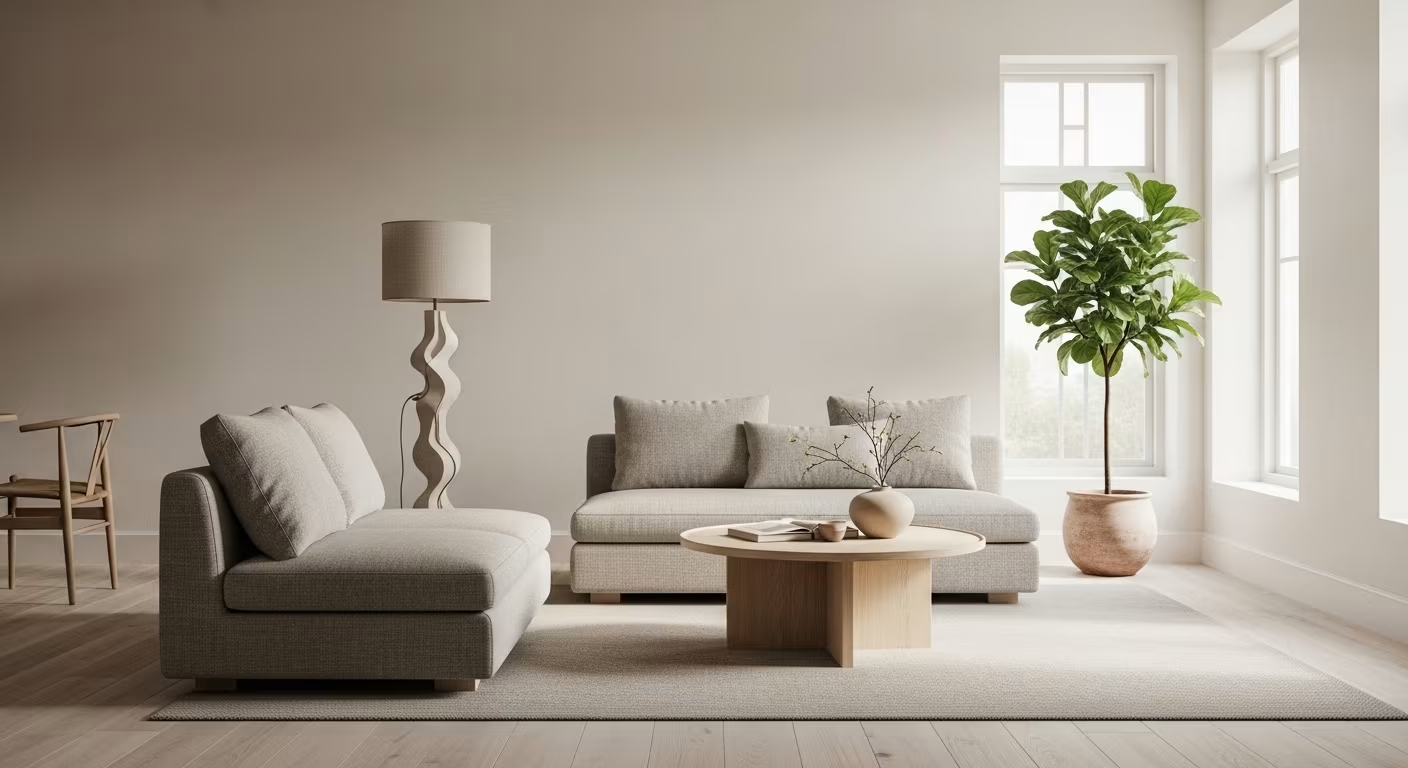

The living room is where life happens—conversations, relaxation, entertainment, connection. A minimalist approach transforms this central space from cluttered and chaotic to calm and purposeful. The result is a room that actually supports living rather than just storing stuff.

Creating Calm: The Neuroscience of Minimalist Living Rooms

Neuroscientists at Princeton University demonstrated that visual clutter competes for attention in the same way that multiple conversations compete in a crowded room. When your visual cortex processes 40 objects on a coffee table, each object drains a small amount of cognitive bandwidth. Multiply that across every surface in a living room, and you understand why cluttered rooms feel exhausting — your brain is working overtime just to be present.

A minimalist living room reduces this cognitive load to near zero. With 5-10 objects in view instead of 40-50, your brain can relax, focus on the people you're with, or genuinely enjoy the book you're reading.

The Living Room Function Audit

Before redesigning, identify what you actually do in your living room. Track for one week:

ActivityHours Per WeekFurniture/Items Needed
Watching TV/movies10-15Sofa, media unit, screen
Conversations5-8Sofa, adequate lighting
Reading3-5Comfortable seating, task lamp
Working from home0-10Desk (if applicable)
Kids playing5-10Open floor space, storage for toys
Entertaining guests1-4Seating, coffee table

Your usage pattern determines your furniture. If you never entertain more than 2 guests, you don't need a sectional that seats 7. If you never work from the living room, you don't need a desk there. Design for reality, not hypothetical scenarios.

The Three-Point Lighting Strategy

Lighting is the single most impactful design element in a living room, and minimalist lighting works in three layers:

Ambient light (one fixture): An overhead pendant or flush-mount fixture provides general illumination. Choose warm white (2700-3000K) for a living room — never cool white, which creates a clinical atmosphere.

Task light (one fixture): A floor lamp or table lamp near your primary seating spot for reading. Position it behind and slightly above your shoulder for ideal reading light without glare.

Accent light (optional, one fixture): A small lamp or LED strip behind the TV reduces eye strain during viewing and adds depth to the room after dark. This is the only accent lighting a minimalist living room needs.

Three light sources. That's it. Each one adjustable (dimmer switches cost $15-20 to install) for different moods and activities.

Sound and Texture in Minimalist Rooms

Minimalist rooms risk feeling echoey and cold because hard surfaces (bare walls, wooden floors, minimal furniture) reflect sound. Add warmth through:

  • One quality rug (absorbs sound, defines the seating zone, adds texture)
  • Curtains (soft fabric absorbs echo; even in a minimalist room, curtains soften acoustics dramatically)
  • One or two throw cushions (not twelve — one per seated person is sufficient)
  • A single throw blanket (draped on the sofa, adds texture and function)

These four textile additions transform a minimalist room from "empty and sterile" to "calm and inviting."

The Living Room Reset Ritual

Maintain your minimalist living room with a daily 3-minute reset:

  1. Return all items to their designated spots (remote to basket, books to shelf, glasses to kitchen)
  2. Fluff and straighten sofa cushions
  3. Fold the throw blanket
  4. Clear any surfaces (coffee table, side table) of accumulated items

Doing this every evening ensures your living room always feels welcoming. There's a significant psychological benefit to waking up to an ordered living space — it starts your day with a sense of control and calm that carries into everything else.

A minimalist living room should feel:

Spacious: Even in small rooms, clear floor and surfaces create perception of space

Calm: Reduced visual noise, coordinated colors, limited decor

Functional: Everything needed for activities, nothing extra

Inviting: Comfortable seating, good lighting, warmth through texture

Personal: Items present are meaningful, not generic

The Purpose of a Living Room

Before designing your space, define its function:

  • Conversation and connection
  • Relaxation and rest
  • Entertainment
  • Reading or quiet activities
  • Sometimes working or studying

Your living room can serve multiple purposes, but clarity about priorities guides better decisions.

The Minimalist Living Room Principles

### Function Before Form Every piece should serve a purpose. Beauty matters, but useless beauty becomes clutter.

### Quality Over Quantity One excellent sofa beats three mediocre seating options. Invest in fewer, better pieces.

### Breathing Room Empty space isn't wasted. It allows the eye to rest and makes movement easier.

### Intentional Decoration Every decorative item should earn its place through genuine beauty or meaning.

Essential Furniture

Seating

What you need:

  • One quality sofa or sectional
  • One to two additional seating options (if room allows)

Considerations:

  • Size appropriate to room
  • Comfortable for your actual use
  • Neutral color for longevity
  • Legs visible for visual lightness

What you probably don't need:

  • Love seat AND sofa (choose one)
  • Multiple accent chairs rarely used
  • Seating for fifteen when you rarely host

Coffee Table

Options:

  • Storage coffee table (dual function)
  • Simple clean-lined table
  • Nesting tables for flexibility
  • Ottoman that serves as table and storage

Surface discipline:

  • Clear or near-clear most of the time
  • Not a permanent display surface
  • One intentional item maximum

Media Setup

Minimalist approach:

  • Wall-mounted TV when possible
  • Hidden or minimized equipment
  • Cables managed and concealed
  • No visible media clutter (DVDs, games)

Consider:

  • Do you need a TV at all?
  • Is streaming replacing physical media?
  • Could a projector serve better?

Storage

Need storage? Choose:

  • One bookshelf (if you keep books)
  • One media console with closed storage
  • Built-in shelving

Rules:

  • Only books you'll read again
  • Only media you'll use again
  • Not a display shelf for collections

Walls and Decor

Art

The minimalist approach:

  • One large piece OR one small grouping
  • Not gallery walls covering every surface
  • Choose pieces with genuine meaning

Placement:

  • Above sofa is classic
  • Opposite seating draws the eye
  • Empty walls are acceptable

Plants

What works:

  • One or two healthy, thriving plants
  • Plants appropriate for your light and care ability
  • Not a jungle of struggling greenery

Other Decor

Keep minimal:

  • A few meaningful objects
  • Items that contribute beauty or purpose
  • Nothing displayed from obligation

Eliminate:

  • Collections taking over surfaces
  • Gifts you don't love
  • Items just filling space

Color and Texture

Color Approach

Base colors:

  • Neutral walls (white, gray, warm beige)
  • Neutral major furniture
  • Easy to change with accessories

Accent colors:

  • One or two coordinating accents
  • Applied through pillows, throw, art
  • Not overwhelming or competing

Texture

Minimalism isn't cold when you use texture:

  • Natural wood elements
  • Soft throws and pillows
  • Woven baskets or objects
  • Plant life
  • Quality fabrics

Lighting

Layers

Include:

  • Ambient (overall room lighting)
  • Task (reading lights)
  • Accent (highlighting features)

Avoid:

  • Harsh overhead as only option
  • Complex lighting schemes
  • Too many lamp sources

Natural Light

Prioritize natural light:

  • Window treatments that open fully
  • Nothing blocking windows
  • Mirrors to reflect light

Layout

Creating Flow

  • Clear pathways through room
  • No furniture blocking traffic
  • Comfortable conversation distance
  • Access to windows

Floating Furniture

Counterintuitively, floating furniture away from walls can make rooms feel larger:

  • Creates more intimate conversation areas
  • Defines zones
  • Allows flow around seating

Defining Zones

In open floor plans:

  • Area rugs define spaces
  • Furniture arrangement creates separation
  • Lighting changes between zones

The Minimalist Living Room Checklist

### Furniture Assessment

  • [ ] One quality seating piece (or two if room allows)
  • [ ] One coffee table (preferably with storage)
  • [ ] Media setup minimized
  • [ ] No excess furniture

### Surfaces Check

  • [ ] Coffee table clear or minimal
  • [ ] Side tables functional only
  • [ ] No cluttered shelves
  • [ ] Clear floor

### Decor Audit

  • [ ] Art limited and meaningful
  • [ ] Plants healthy (or none)
  • [ ] Minimal decorative objects
  • [ ] Nothing displayed from obligation

### Comfort Confirmed

  • [ ] Comfortable seating
  • [ ] Adequate lighting
  • [ ] Temperature control accessible
  • [ ] Room for actual activities

Common Living Room Clutter

What Accumulates

  • Magazines and books
  • Remote controls and electronics
  • Blankets and pillows
  • Mail and papers
  • Kids' toys
  • Random items "temporarily" placed

Solutions

For paper:

  • Process immediately
  • Designate one spot (basket or tray)
  • Clear daily

For electronics:

  • Drawer or basket for remotes
  • Cord management
  • Hidden charging station

For textiles:

  • One throw blanket on display
  • Three to four pillows maximum
  • Storage for extras

For kids' stuff:

  • Defined bin or basket
  • Cleared daily
  • Not in adult living space permanently

Maintaining Minimalism

Daily

  • Clear surfaces
  • Return items to places
  • 5-minute evening reset

Weekly

  • Dust surfaces
  • Vacuum or sweep
  • Process any accumulation
  • Assess what's not working

Seasonal

  • Rotate decor if desired
  • Deep clean
  • Reassess furniture and layout
  • Remove items no longer serving space

When Others Share the Space

Family Members

  • Agree on shared space standards
  • Each person controls their items
  • Communal items have homes
  • Model rather than dictate

Children

  • Designated toy storage
  • Daily cleanup routine
  • Age-appropriate expectations
  • Separate play areas when possible

Guests

  • Minimalism still hosts well
  • Quality matters more than quantity
  • Clear spaces accommodate visitors better

The Living Room as a Relationship Space

The most important function of a minimalist living room is facilitating human connection. When the room isn't cluttered with objects competing for attention, the people in it become the focus. Conversations happen more naturally, eye contact is easier to maintain, and the room invites lingering rather than retreating to individual screens.

Design your living room seating to face each other, not a screen. Even if you watch TV regularly, arrange the sofa and any additional seating to create a natural conversation grouping. When the TV is off, the room should feel like a space for people, not a theater with a dark screen.

Final Thoughts

A minimalist living room isn't empty or sterile. It's intentional. Every piece serves a purpose or brings genuine beauty. Surfaces stay clear because items have homes. The space supports actual living—conversation, rest, connection.

Start by removing what doesn't belong. Edit furniture to essentials. Simplify decor to what you truly love. The calm that results makes the room more usable, more beautiful, and more welcoming.

Your living room should feel like a refuge. Minimalism creates that feeling through intention, not addition.