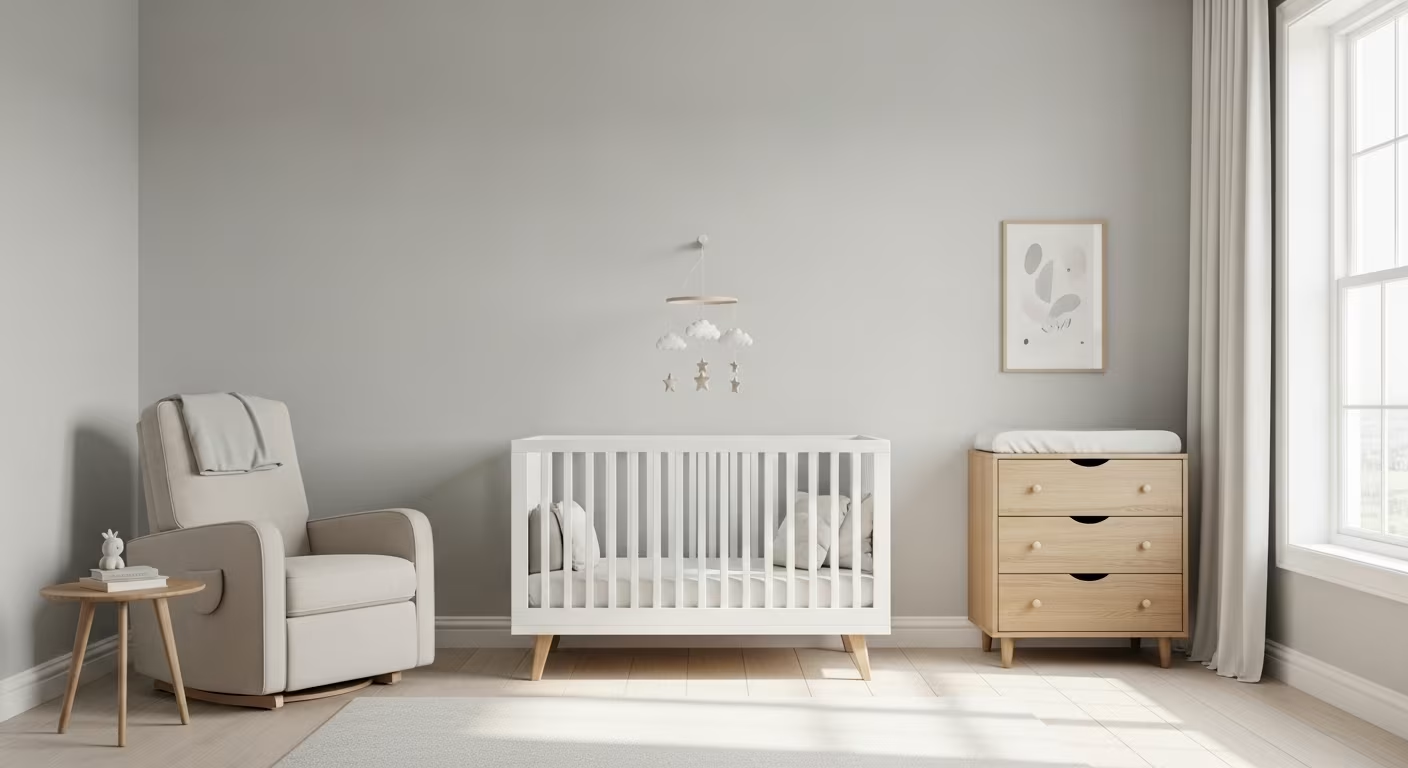

The baby industry thrives on new parent anxiety. Every product seems essential; every gadget promises to make parenting easier. The truth is that babies need far less than marketing suggests. A minimalist nursery provides everything your baby requires without the clutter, expense, and overwhelm.
The Minimalist Nursery Reality Check
The baby industry generates $67 billion annually in the United States, largely by convincing new parents that their baby needs hundreds of specialized products. Marketing to anxious first-time parents is particularly effective because the fear of "not being prepared" overrides rational evaluation.
Here's the reality: babies need remarkably little in their first year. They need warmth, food, clean diapers, safe sleep, and human connection. Everything else is either a convenience item (some are worthwhile) or pure marketing (most are not).
The Nursery Essentials vs. Marketing Checklist
| Category | Essential | Helpful but Optional | Skip Entirely |
|---|---|---|---|
| Sleep | Crib or bassinet, 2 fitted sheets, 2 sleep sacks | White noise machine, blackout curtains | Crib bumpers (unsafe), themed bedding set, mobile |
| Feeding | Bottles (if formula) or nursing pillow, burp cloths | Bottle warmer, drying rack | Bottle sterilizer (dishwasher works), formula mixer |
| Diapering | Diapers, wipes, changing pad | Diaper pail, diaper cream | Wipe warmer, designer diaper bag, changing table |
| Clothing | 7-8 onesies, 4-5 sleepers, 2 hats, socks | Season-appropriate outerwear | Shoes (babies don't walk), themed outfits, tiny jeans |
| Transport | Car seat (required by law), carrier/wrap | Stroller (choose one versatile model) | Infant car seat frame, jogging stroller, travel system |
| Bathing | Baby tub (or kitchen sink), 2 hooded towels, gentle soap | Bath thermometer | Baby spa, multiple bath toys, separate shampoo |
Cost Comparison: Full Registry vs. Minimalist Nursery
| Setup | Item Count | Total Cost | Items Used Regularly | Cost Per Used Item |
|---|---|---|---|---|
| Full registry (average) | 80-120 items | $3,500-6,000 | 25-35 items | $140-170 |
| Minimalist nursery | 25-35 items | $800-1,500 | 20-30 items | $40-50 |
The full registry approach means paying for 50-85 items you'll barely use. The minimalist approach means nearly everything you buy gets regular use — a dramatically better return on investment.
Second-Hand Strategy
Babies outgrow everything within months. Buying new is often unnecessary:
Buy new (safety-critical):
- Car seat (no secondhand — you can't verify crash history)
- Crib mattress (hygiene and firmness standards)
Buy secondhand (excellent savings):
- Clothing (babies wear most outfits 3-5 times before outgrowing them; thrift stores and Facebook parent groups are gold mines)
- Crib or bassinet (check for recalls at cpsc.gov before purchasing)
- Stroller (test all mechanisms before buying)
- Toys and books (sanitize before use)
- Swings and bouncers (check for recalls)
Average savings from buying secondhand: 60-80% off retail prices. A secondhand wardrobe for the first year costs $50-100 versus $400-600 new.
The Nursery Layout That Works
A functional minimalist nursery needs three zones:
Zone 1: Sleep (crib area)
- Crib with firm mattress and fitted sheet. Nothing else in the crib (the AAP recommends a bare crib for safe sleep).
- Blackout curtains if the room gets morning light.
- Sound machine if your home is noisy.
Zone 2: Changing (any flat surface)
- A changing pad on top of a dresser is more space-efficient than a dedicated changing table (and the dresser remains useful long after diaper years end).
- Diapers, wipes, and cream within arm's reach.
- A small trash can with a lid.
Zone 3: Feeding/Comfort (a comfortable chair)
- One comfortable chair (a regular armchair or rocker — you don't need a $600 "nursery glider").
- A small table or shelf within reach for water, phone, and burp cloth.
- A reading lamp for nighttime feeds.
That's the entire nursery. Three zones, all functional, all fitting in a 10x10 room with space to spare.
The Marketing Problem
What They Want You to Believe
The baby industry tells new parents:
- You need every gadget to be a good parent
- More products mean better care
- Every item is "essential"
- Without this, something bad might happen
The Reality
Babies need:
- Food (breast or bottle)
- Sleep (safe sleep space)
- Warmth (clothing, blankets appropriately)
- Cleanliness (basic hygiene)
- Love (your presence)
Everything else is convenience or marketing.
The Minimalist Nursery Essentials
Sleep
Essential:
- Crib, bassinet, or co-sleeper (one, not multiple)
- Firm mattress that fits snugly
- Fitted sheets (2-3)
Not essential:
- Bumpers (actually unsafe)
- Elaborate bedding sets
- Sleep positioners
- Multiple sleep locations
- Expensive smart bassinets
Feeding
If breastfeeding:
- Nursing pillow (helpful but optional)
- Breast pump if returning to work
- Bottles for expressed milk (a few)
- Nursing pads
If formula feeding:
- Bottles (4-6 to start)
- Formula
- Bottle brush
Not essential:
- Bottle warmers (warm water works)
- Formula mixers
- Expensive bottle systems
- Every type of bottle to "find the right one"
Diapering
Essential:
- Diapers (cloth or disposable)
- Wipes
- Changing pad
- Diaper cream
Not essential:
- Changing table (use any flat surface with pad)
- Wipe warmers
- Diaper genies (regular trash works)
- Elaborate nursery organizers
Clothing
Essential (newborn sizes are worn briefly):
- Onesies (5-7)
- Sleepers/pajamas (3-5)
- Socks or booties (3-4 pairs)
- Hats (1-2 for weather)
- Outerwear appropriate to season (1)
- Swaddles or sleep sacks (2-3)
Not essential:
- Newborn jeans or elaborate outfits
- Shoes (they can't walk)
- Dozens of outfits in each size
- "Just in case" clothes in future sizes
Bathing
Essential:
- Baby bathtub or sink insert
- Soft washcloths (4-5)
- Baby soap/shampoo
- Hooded towels (2-3)
Not essential:
- Temperature indicators (your elbow works)
- Elaborate bath toys for newborns
- Multiple bath products
Transportation
Essential:
- Car seat (this is non-negotiable safety equipment)
- Stroller or carrier (not necessarily both)
Not essential:
- Multiple stroller systems
- Every type of carrier
- Car seat accessories
- Stroller accessories
Comfort and Play
Essential (even these are minimal):
- A few soft toys
- Something for tummy time
- High-contrast images for newborns
Not essential:
- Activity gyms (nice but not necessary)
- Swings and bouncers (some babies don't use them)
- Elaborate developmental toys
- Electronic stimulation devices
The Minimal Nursery Setup
What You Need in the Room
- Sleep space (crib or bassinet)
- Changing area (can be dresser top with pad)
- Seating for feeding (comfortable chair)
- Minimal storage for current-size clothes and supplies
What You Don't Need
- Dedicated changing table furniture
- Elaborate nursery decor
- Theme-coordinated everything
- Glider AND chair AND rocker
- Every baby book ever written
The 50-Item Nursery
A functional minimalist nursery might contain:
- Crib, mattress, 2 fitted sheets
- 3 sleep sacks/swaddles
- Diaper changing pad
- Basic diaper supplies
- 10-15 clothing items (current size)
- Nursing pillow or bottles
- Car seat
- Carrier or stroller
- Few soft items for comfort/play
- Storage for items
That's enough.
The Waiting Approach
Don't Buy Everything Before Baby Arrives
Reasons to wait:
- You don't know what your baby will need
- Some babies hate swings; others love them
- You can buy things quickly when need arises
- What works for others might not work for you
Items to Wait On
- Swing/bouncer (see if baby likes it first)
- Specific bottle types (breastfeeding may go differently than planned)
- Sleep props (see what baby needs)
- Activity items (not needed for newborns anyway)
Items to Have Ready
- Car seat (you can't leave hospital without it)
- Basic clothes
- Diapers and feeding supplies
- Safe sleep space
Secondhand and Borrowed
What's Safe Secondhand
- Clothing (inspect condition)
- Books
- Most toys
- Changing pads
- Strollers (check recalls)
What to Buy New
- Car seats (safety regulations, no history of accidents)
- Crib mattresses
- Anything with unknown history
Borrowing Works
Babies use things briefly. Borrow:
- Bassinet (used 3-4 months)
- Newborn clothes (outgrown in weeks)
- Seasonal items
Setting Up the Space
Simplicity in Design
- Neutral colors (less to match, grows with child)
- Clear surfaces
- Storage that hides clutter
- Room to move and play
Function Over Form
- Prioritize what works over what looks perfect
- Instagram nurseries aren't necessary
- Baby doesn't care about decor
- You'll appreciate simplicity at 3 AM
Leave Room to Grow
- Don't fill every corner
- Child's needs change rapidly
- Space adapts easier than stuff
Gifts and Registries
Creating a Minimalist Registry
- Include only what you'll use
- Suggest experiences or savings contributions
- Request specific items, not categories
- Include note about minimal approach
Handling Unwanted Gifts
- Thank graciously
- Keep what serves you
- Return or donate what doesn't
- Don't feel obligated
What You'll Actually Use
First Month Reality
Most used items:
- Diapers (many)
- Onesies (a few)
- Swaddles
- Feeding supplies
- Your arms
Least used items:
- Most clothing (you'll rewash the same onesies)
- Most toys (newborns can't play)
- Decorative items
- "Someday" equipment
Adjusting as You Go
Pay attention to:
- What you reach for repeatedly
- What sits unused
- What would actually help
- What's creating clutter
Adjust accordingly.
The Minimalist Nursery Mindset
Your Baby Needs You
The most important nursery item is you:
- Your presence
- Your attention
- Your care
- Your love
No product substitutes for this.
Less Stuff, Less Stress
With minimal items:
- Less to organize
- Less to clean
- Less to choose between
- More space for what matters
It's Okay to Have Less
Despite marketing pressure:
- Your baby will be fine
- You're not a bad parent
- Simple works
- Less is often more
The Six-Month Nursery Reassessment
At six months, your baby's needs shift dramatically. Reassess your nursery setup: the bassinet may give way to the crib, feeding equipment may change, and mobility-related items become relevant. The minimalist approach means selling or donating items as they're outgrown rather than storing them indefinitely. A rolling reassessment keeps the nursery functional without accumulating unused gear.
Final Thoughts
The baby industry makes billions convincing new parents they need everything. You don't.
Your baby needs safe sleep, adequate food, cleanliness, appropriate clothing, and your loving care. Everything else is genuinely optional.
Start with the minimum. Add only what you discover you actually need. Resist the urge to over-prepare with products for every scenario.
A calm, simple nursery with essential items and plenty of space for connection is exactly what your baby needs. And it's exactly what you, as a new parent navigating enough overwhelm already, need too.