
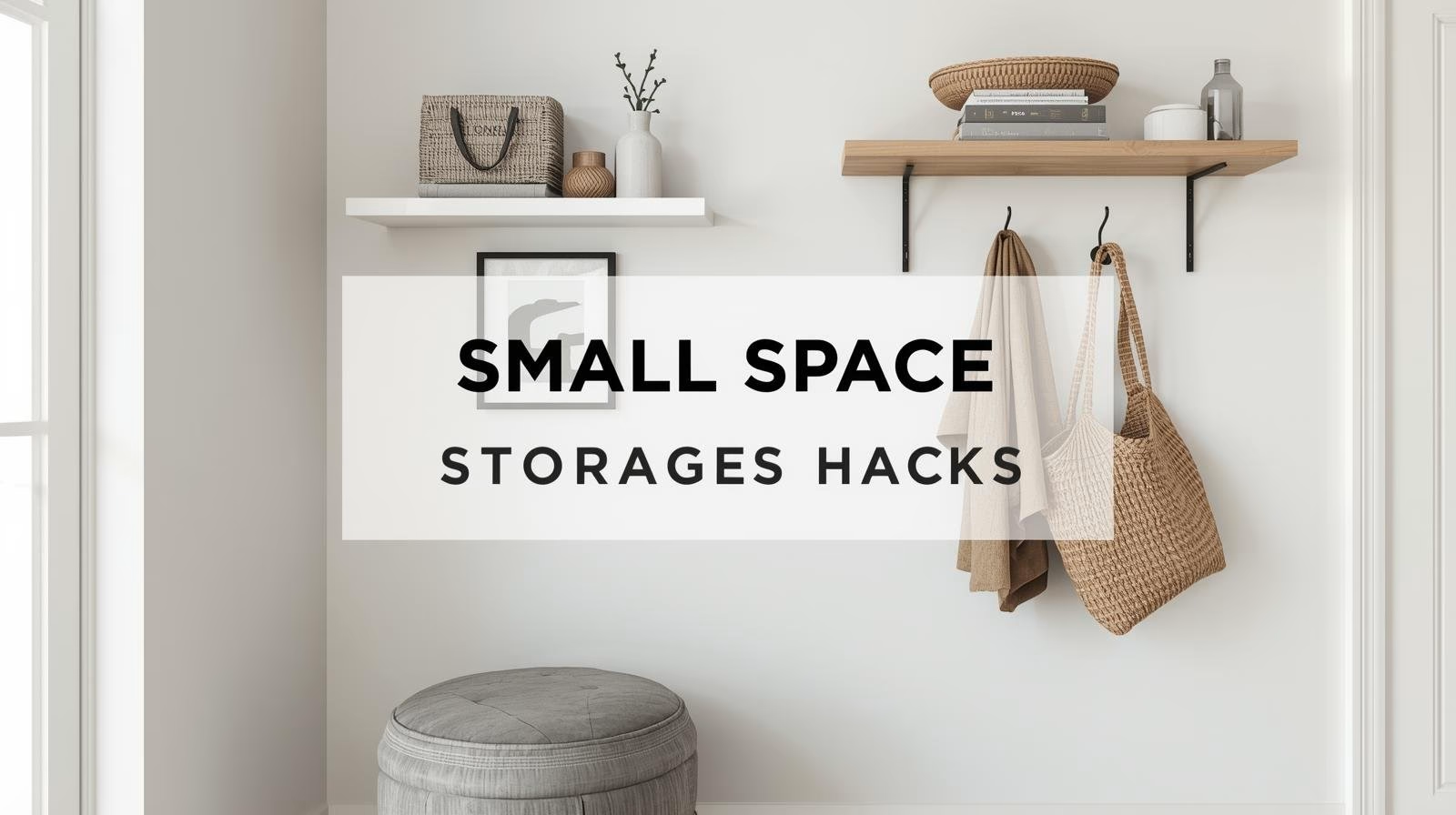

A tiny apartment poses a physics problem before it poses an organizing one. You have a fixed number of square feet, a fixed number of rooms, and an amount of stuff that usually exceeds both. Generic advice — use vertical space, buy multifunctional furniture — is correct but too abstract to act on. What helps is knowing which specific fix works in which room, because in a 400-square-foot space every wrong purchase costs more room than it saves. Here is that breakdown, room by room, with the declutter step that has to come first.
The Kitchen, Where Space Runs Out First
Small-kitchen storage fails in predictable ways. Cabinets fill with mismatched containers, the counter collects appliances used twice a year, and pans stack so that reaching the bottom one means unloading half a shelf. Three interventions do most of the work.
A magnetic knife strip mounted on the wall or a backsplash tile pulls knives out of the drawer they share with everything else and saves the 10 to 12 inches of counter a knife block eats. A vertical pan rack set inside a cabinet stores pans upright and ends the avalanche, so every pan is reachable without unpacking the stack. And if there is a 6-to-12-inch gap between the refrigerator and the counter, a slim rolling cart slides in and adds a whole tier of pantry storage for around $30 to $50.
The bigger win is subtraction. Any appliance that comes out less than once a month — the winter-only slow cooker, the kettle that duplicates the stovetop, the occasional air fryer — belongs on a high shelf or in a labeled box in the closet. Reclaiming that counter is worth more than any organizer you could buy for it.
The Bathroom With No Linen Closet
A rented bathroom is often one small vanity cabinet and nothing else. The fix is almost always vertical and door-adjacent. A freestanding over-the-toilet shelving unit — no drilling, roughly a 27-by-8-inch footprint — adds three or four shelves for towels and toiletries without touching the floor space you actually stand in. The inside of the vanity door takes an adhesive organizer for a hair dryer or flat iron, and a tension rod mounted across the cabinet interior lets spray bottles hang, clearing the floor underneath for everything else.
Swap towel bars for one hook per person. A hook uses less wall than a bar and keeps the towel visible, and a towel on a hook dries faster than one folded over a rail, so it needs washing less often and lasts longer.
The Bedroom Without Walk-In Storage
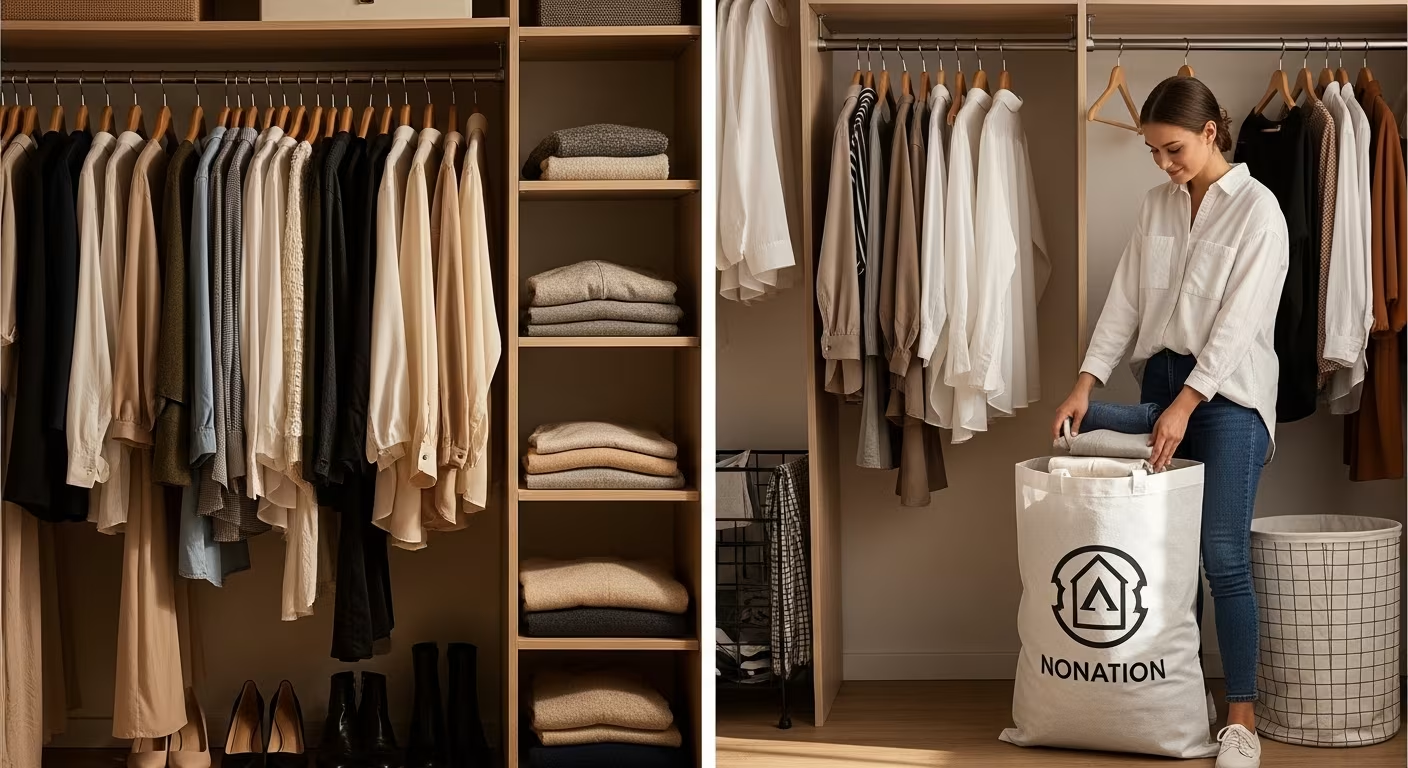
The main closet problem in a small bedroom is volume, not organization. A closet built for one wardrobe does not stretch to two, and more hangers do not expand the rod. A second rod hung below the existing one on an adjustable extender roughly doubles hanging space for shirts, jackets, and folded pants — it won't take long dresses, but it handles most of a wardrobe. For more detail, it is worth checking the University of Minnesota Extension's home-organization guidance.
Under the bed solves the off-season problem. Flat rolling boxes on wheels slide under a frame with 8 to 12 inches of clearance and hold seasonal clothes and spare bedding, and vacuum bags compress blankets and heavy sweaters to a fraction of their volume. If the closet is wide enough to hold a dresser inside it, moving the dresser there frees a whole wall — and in a small room, clear floor makes the space read as larger immediately.
The Living Room Doing Four Jobs
In a studio, the living room is office, guest room, and lounge at once, and that calls for specific pieces rather than the vague instruction to buy multifunctional furniture. A sofa bed covers guests without a spare room; since cheap sofa-bed mattresses are genuinely uncomfortable, spend up here if anyone sleeps on it more than rarely. A wall-mounted folding desk or a narrow console that doubles as an entry table handles the work function without permanently claiming floor space — close the laptop at the end of the day and the room converts back. Nesting tables spread out when needed and collapse to one footprint, and a lift-top coffee table hides remotes, chargers, and blankets inside itself.
The Entry That Isn't There

Many small apartments have no foyer at all; the door opens straight into the living area, and coats and shoes land on the floor or the nearest chair. A wall-mounted rail with four to six hooks mounts in about 4 inches of depth and takes coats and bags off the floor, and a small shelf above it catches keys and mail before they scatter across every surface. A shallow shoe cabinet, 10 to 12 inches deep with a flip-down front, holds 8 to 12 pairs in less space than a nightstand — enough for the rotation, with off-season pairs going under the bed.
None of this works at full strength on top of clutter. Every solution here gets better applied to fewer things: a rolling pantry cart holding 8 jars you use beats one holding 12 you don't. So run the sequence in order — audit one zone, remove what you don't use, then buy the storage for what is left. Do it the other way and you get organized accumulation instead of a system. Pick the zone that bothers you most this week, clear it first, and let the purchase wait until you can see what actually needs a home.
See also: minimalist cleaning routine for small homes and organizing a small apartment kitchen.
Fixes by room, with footprints:
| Room | Fix | Numbers |
|---|---|---|
| Kitchen | magnetic knife strip; slim rolling cart | cart fits a 6–12 in fridge gap |
| Bathroom | freestanding over-toilet unit | ~27×8 in footprint, 3–4 shelves, no drilling |
| Bedroom | flat rolling boxes under the bed | need 8–12 in of clearance |
| Entry | wall rail with 4–6 hooks | ~4 in of depth |


Comments
No comments yet.