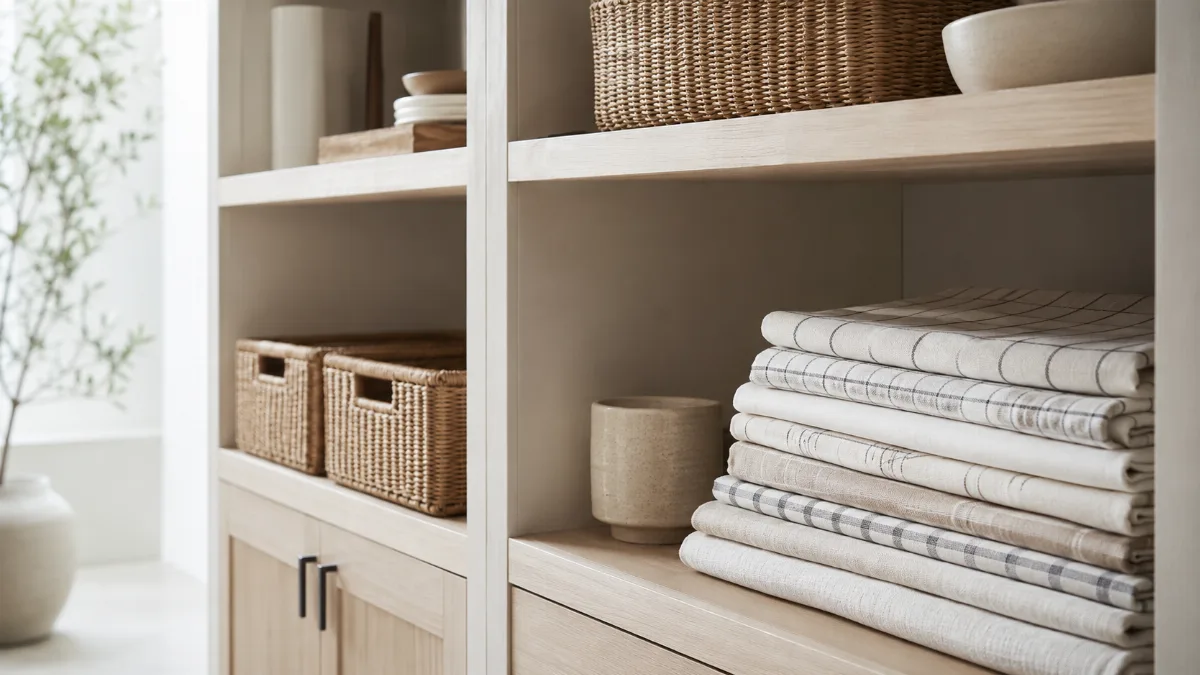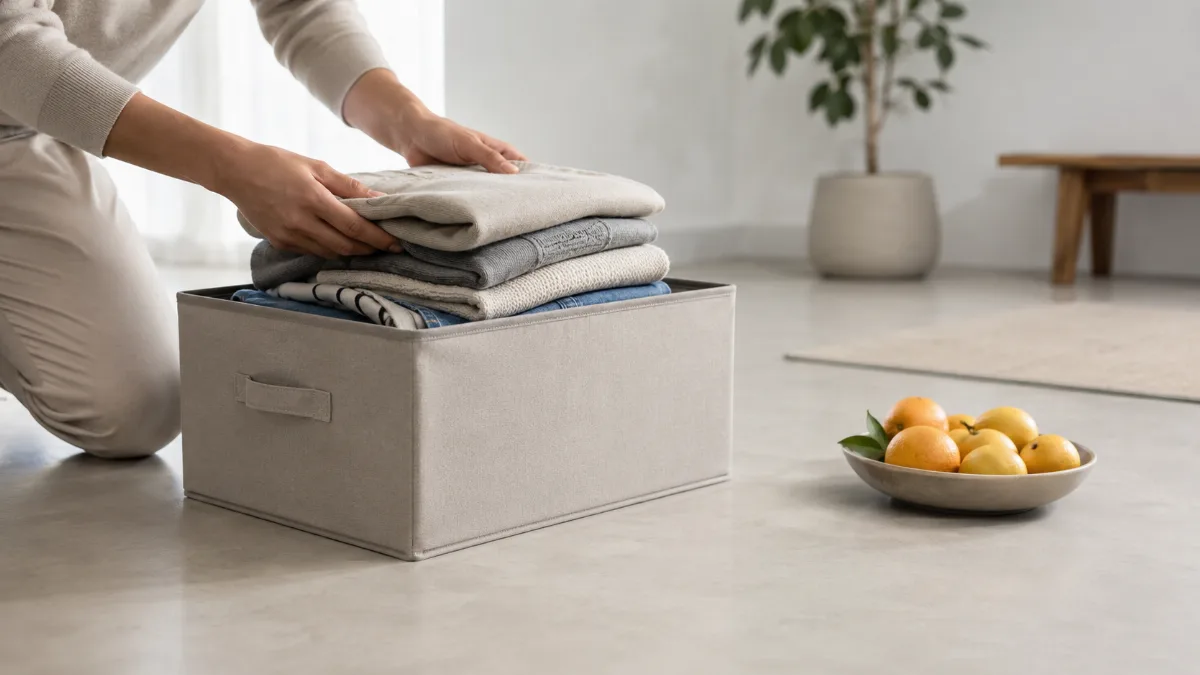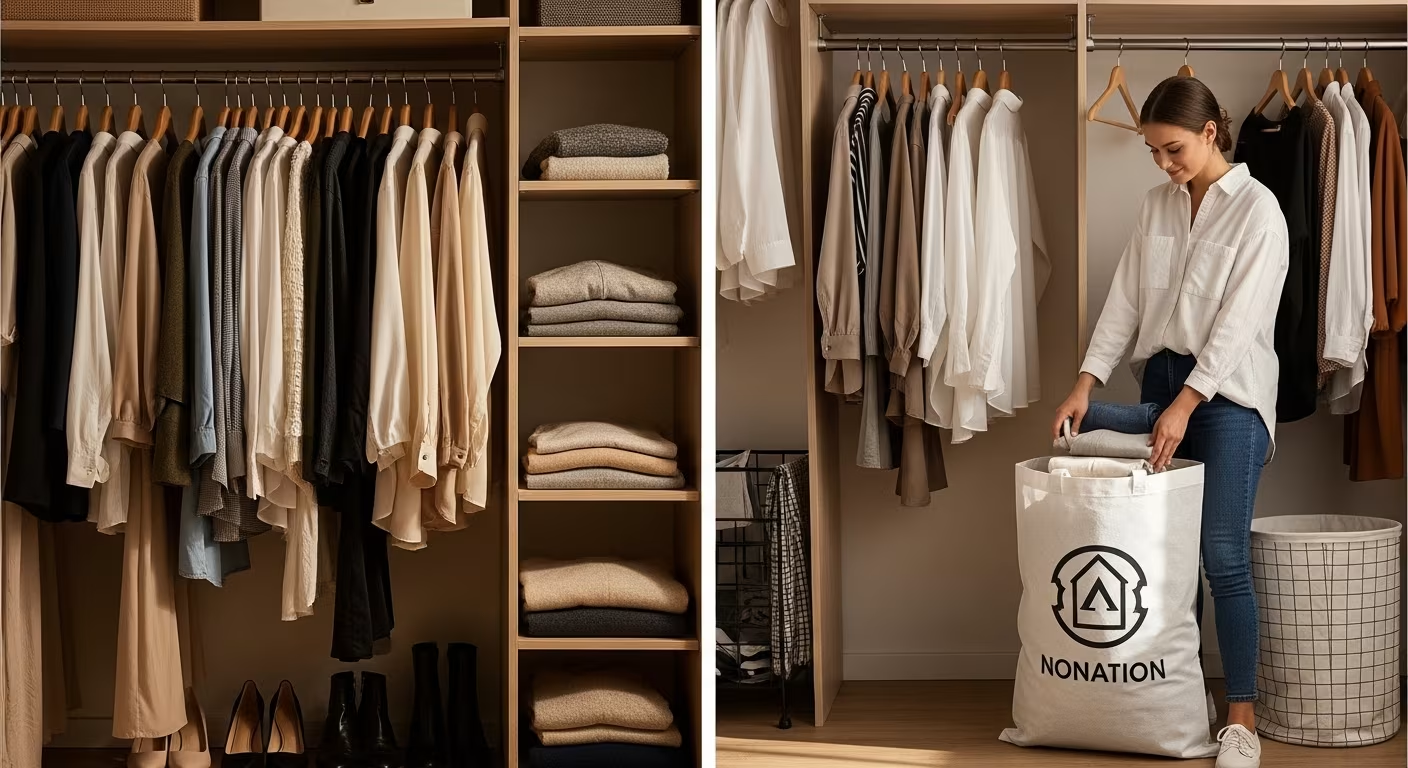
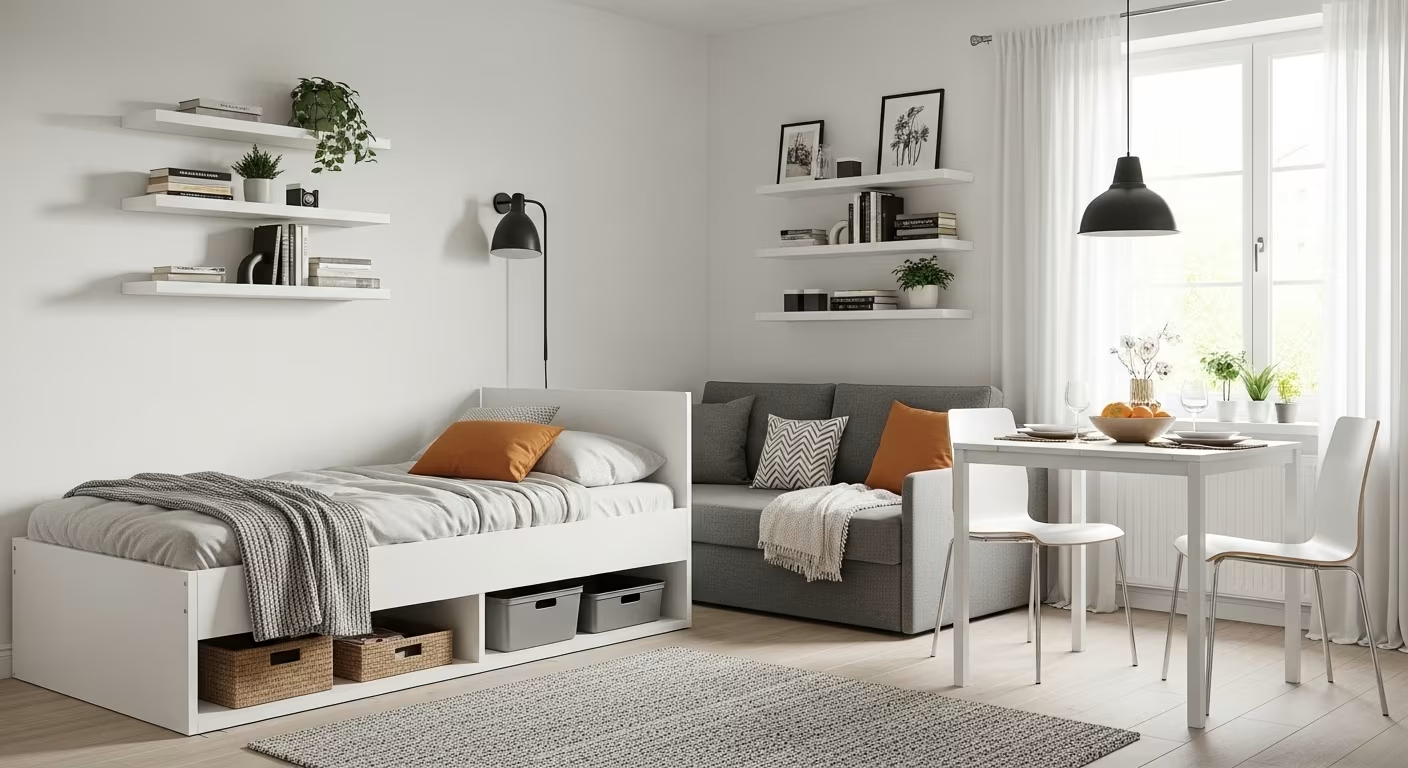

Living in a small space doesn't mean living with constant clutter and chaos. With intentional organization, even the tiniest apartment or room can feel spacious, functional, and calm. The key is making every inch count while keeping only what truly belongs.
Small Space Psychology: How Environment Shapes Behavior
Living in a small space isn't just a housing choice — it's a psychological framework that influences daily behavior, spending habits, and even relationships. Research from the University of Texas at Austin found that people living in spaces under 600 square feet reported 23% higher satisfaction with their possessions than those in homes three times larger. The reason: smaller spaces force curation, and curated environments feel more intentional and personal.
Space Illusion Techniques That Actually Work
Professional interior designers use these evidence-based techniques to make small spaces feel larger:
Vertical emphasis: Drawing the eye upward makes ceilings feel higher. Floor-to-ceiling curtains (hung as high as possible, not at the window frame), tall bookshelves, and vertical art arrangements all create this effect. A room with 8-foot ceilings can feel like it has 10-foot ceilings with proper vertical design.
Light manipulation: Every reflective surface adds perceived space. A single large mirror on a wall facing a window effectively doubles the natural light in a room. Light-colored walls (white, cream, light grey) reflect 70-80% of light versus dark walls' 10-20%.
Furniture scaling: One common mistake in small spaces is buying small furniture. Counterintuitively, a few larger pieces work better than many small ones. One substantial sofa looks intentional; four small chairs look cluttered. The principle: fewer pieces, appropriately sized.
Room-by-Room Maximization Strategies
Entryway/Hallway (the forgotten space): Most small apartments waste hallway walls entirely. Solutions:
- Narrow console table (12 inches deep max) for keys and mail
- Wall-mounted coat hooks instead of a bulky coat rack
- A single mirror that serves double duty: checking appearance and reflecting light
- Vertical shoe storage (slim shoe cabinet holds 12-15 pairs in 8 inches of depth)
Kitchen (typically the smallest room):
- Magnetic knife strip on the wall replaces a countertop knife block (saves 6 inches of counter space)
- Hanging rail or pegboard on the backsplash for utensils, freeing an entire drawer
- Stackable containers replace the Tupperware avalanche cabinet
- Over-door organizer on the pantry door holds spices, wraps, bags
Bathroom (maximize vertical space):
- Over-toilet shelving unit adds 3-4 shelves in typically unused space
- Shower caddy eliminates the ring of bottles on the tub edge
- Medicine cabinet with mirror replaces a flat mirror (storage behind the mirror)
- Towel ladder against the wall replaces a towel bar (holds more towels, takes less wall space)
Bedroom (dual-purpose is essential):
- Bed with storage drawers underneath (replaces a dresser in some cases)
- Wall-mounted nightstand (floating shelf) saves floor space
- Over-door hooks for bags, scarves, and accessories
- Under-bed vacuum bags for off-season clothing
Multi-Functional Furniture: The Small Space Essentials
| Furniture Piece | Functions It Replaces | Space Saved |
|---|---|---|
| Storage ottoman | Coffee table + storage bin + extra seating | 60% |
| Drop-leaf table | Dining table + desk + counter space | Folds to 12" when not in use |
| Murphy bed or sofa bed | Bed + sofa + guest bed | Entire bedroom can double as office/living room |
| Nesting tables | End table + coffee table + extra surface | Stack into footprint of one table |
| Storage bench | Entryway seat + shoe storage + coat area | Replaces 3 separate pieces |
The "One Room, Three Zones" Method
In a studio or one-bedroom apartment, each room should serve 2-3 distinct functions through careful zone creation:
Living room zones: Relaxation (sofa area), Work (desk corner), Dining (fold-down table) Bedroom zones: Sleep (bed), Dressing (wardrobe area), Reading (chair with good light)
Zones are defined by:
- Area rugs (different rug = different zone)
- Lighting (task lamp at desk, soft lamp at sofa, bright light at dining)
- Furniture arrangement (sofa back creates a natural divider between zones)
The 90% Rule for Small Spaces
Storage in small spaces should never exceed 90% capacity. When drawers, closets, and shelves are stuffed to 100%, finding anything becomes a struggle, and putting things away becomes impossible (where would you put them?). The 10% buffer provides:
- Room to slide items and see what's behind them
- Space for temporary additions (library books, borrowed items)
- Visual breathing room that prevents the "cramped" feeling
- Easy access that makes maintaining organization effortless
The Small Space Mindset
Less Stuff, Not More Storage
The solution to a cramped space isn't buying more organizational products. It's owning fewer things. Before organizing, declutter. Only organize what deserves to stay.
Everything Earns Its Place
In a large home, items can float without clear purpose. In a small space, everything must justify its presence. If it doesn't serve a function or bring genuine value, it doesn't belong.
Vertical Is Your Friend
Floor space is limited. Wall and vertical space often isn't. Think upward.
Multi-Function Is Essential
Every item should ideally serve multiple purposes. A storage ottoman beats a regular coffee table. A bed with drawers beats a standard frame.
Room-by-Room Strategies
Small Living Room
Furniture choices:
- Sofa with legs (creates visual space beneath)
- Coffee table with storage
- Wall-mounted TV instead of entertainment center
- One statement piece rather than many small items
Organization:
- Floating shelves for display and storage
- Hidden storage in seating
- Minimal decor (each piece counts more)
- Clear floor as much as possible
What to eliminate:
- Excess furniture pieces
- Collections that overwhelm
- Items without designated homes
Small Bedroom
The bed area:
- Bed with built-in storage (drawers or lift platform)
- Headboard with shelving
- Under-bed storage for off-season items
Furniture:
- Nightstand with drawers beats a simple table
- Dresser inside closet frees floor space
- Skip the bedroom chair if unused
Organization:
- Capsule wardrobe reduces clothing
- Vertical closet organizers maximize height
- Hooks for bags and accessories
- Minimal bedside items (lamp, book, charger)
Small Kitchen
Cabinet strategies:
- Shelf risers to use vertical space
- Door-mounted organizers for spices and tools
- Pull-out organizers in deep cabinets
- Group similar items together
Counter management:
- Minimal counter appliances
- Wall-mounted knife strips and utensil holders
- Clear counters for workspace
Pantry solutions:
- Clear containers to see contents
- Stackable items
- Door-mounted racks
- Lazy susans in corners
What to eliminate:
- Duplicate tools and gadgets
- Appliances used rarely
- Excess dishes beyond what you need
Small Bathroom
Maximize vertical:
- Over-toilet shelving
- Tall narrow cabinets
- Wall-mounted storage
- Shower caddies and corner shelves
Under-sink organization:
- Stacking drawers
- Lazy susans for products
- Door-mounted organizers
What to keep minimal:
- Products you actually use
- Two towel sets per person maximum
- Coordinated containers for visual calm
Small Entryway
Wall solutions:
- Wall hooks for bags and coats
- Floating shelf for keys and mail
- Wall-mounted shoe storage
Furniture:
- Narrow console with storage
- Bench with storage underneath
- Mirror to create illusion of space
Small Home Office
Desk area:
- Wall-mounted desk saves floor space
- Vertical file organization
- Minimal desk surface items
Storage:
- Floating shelves above desk
- Closed storage reduces visual clutter
- Digital files reduce paper
Multi-Purpose Furniture
In small spaces, furniture should work double duty:
| Single Purpose | Multi-Purpose Alternative |
|---|---|
| Coffee table | Storage ottoman or trunk |
| Bed frame | Platform with drawers |
| Dining table | Foldable wall table |
| Bookshelf | Room divider with storage |
| Desk | Secretary desk that closes |
| Chair | Storage bench |
Vertical Space Solutions
### Walls
- Floating shelves
- Pegboards for customizable storage
- Wall-mounted organizers
- Hooks at various heights
### Closets
- Double hanging rods
- Shelf dividers
- Over-door organizers
- Stackable storage
### Kitchen
- Pot racks
- Magnetic knife strips
- Wall-mounted spice racks
- Hanging produce baskets
### Bathroom
- Tall cabinets
- Over-toilet shelving
- Shower corner shelves
- Towel ladder
Creating Visual Space
Small spaces feel larger with visual tricks:
### Light and Color
- Light walls expand perception
- Mirrors reflect light and space
- Consistent color palette unifies
- Natural light maximized
### Clutter Control
- Clear surfaces look bigger
- Closed storage hides chaos
- Fewer items per surface
- Empty space is okay
### Furniture Placement
- Float furniture away from walls when possible
- Clear sight lines to windows
- Consistent heights create flow
- Leave paths clear
Storage Principles
### Assign Everything a Home Every item needs a specific place. If something doesn't have a home, create one or remove the item.
### Store Items Where Used Keep items near their use location:
- Cooking tools near stove
- Cleaning supplies near bathrooms
- Work supplies near workspace
### Prioritize Access
- Frequently used items: Easy access
- Occasionally used: Higher or lower storage
- Rarely used: Off-site storage or eliminate
### Use Containers Wisely
- Same-type containers look cleaner
- Labels prevent hunting
- Transparent for frequent access
- Opaque for visual calm
The Small Space Edit
Regularly assess if items still belong:
Monthly:
- Is this surface cluttered?
- Is this storage overflowing?
- Have I used everything in this area?
Seasonally:
- What haven't I used in three months?
- What's just taking up space?
- What could be stored elsewhere or eliminated?
What Not to Do
### Don't Overbuy Organizational Products More containers don't solve the problem of too much stuff. Declutter first, then organize.
### Don't Create Dead Space Unreachable spaces become dumping grounds. If you can't easily access something, you won't maintain it.
### Don't Ignore What's Not Working If an organizational system requires too much effort, you won't use it. Simple systems beat complex ones.
### Don't Keep Aspirational Items "Someday" items don't belong in small spaces. Keep what you use now.
Small Space Living Tips
### Go Digital
- Digital books instead of physical
- Cloud storage instead of file cabinets
- Streaming instead of media collections
- Digital photos instead of albums
### Borrow Don't Own
- Library for books
- Rent equipment for occasional use
- Share with neighbors
- Subscribe instead of buy
### Rotate Items
- Seasonal rotation of clothes
- Toy rotation for kids
- Decor rotation for variety
### Off-Site Storage (Maybe) Consider if truly necessary:
- Seasonal items used annually
- Business inventory
- Items transitioning to new owner
But be honest: off-site storage often means you don't need the items at all.
Final Thoughts
A small space organized well feels larger than a big space full of clutter. The secret isn't more storage—it's fewer possessions, each with a purpose and place.
Start by decluttering ruthlessly. Then organize what remains using vertical space, multi-purpose furniture, and systems you'll actually maintain. The goal isn't perfect organization. It's a space that works for your life.
Every inch matters. Make them all count.