
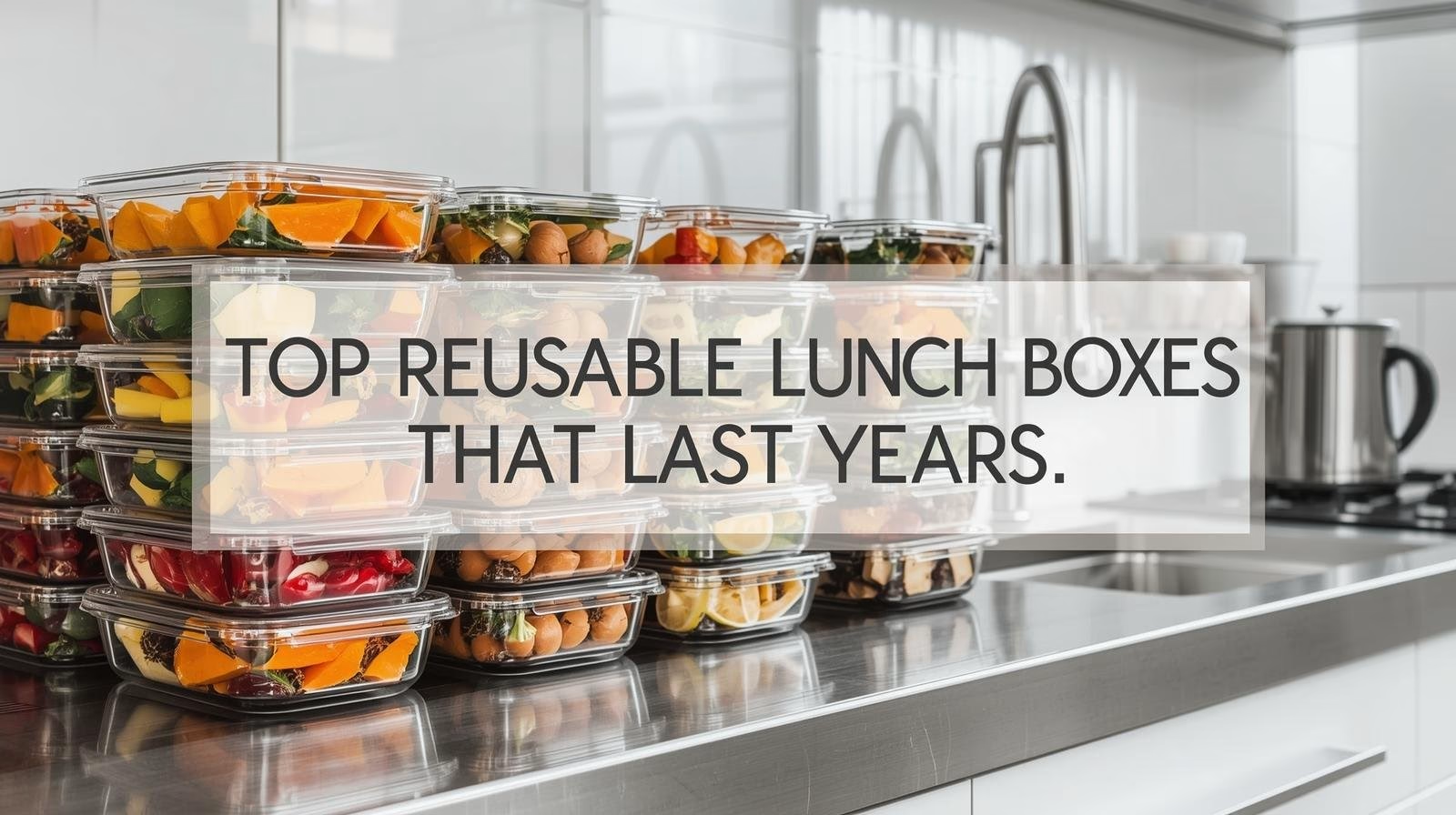

The reusable lunch container market has a counterintuitive quality curve: the cheapest containers fail fastest, so you buy them again and again and spend more over time than one better purchase would have cost. An $8 plastic box with a cracked lid after a year, replaced three times across three years, runs you $24 and produces three containers' worth of plastic waste. One well-chosen container at $25 to $40, used daily for five years or more, costs less per use and creates no replacement waste at all. What separates the two isn't branding — it's material, the lid mechanism, and whether the container matches how you actually eat lunch.
Material Decides Durability
Stainless steel is the most durable option by a wide margin. It doesn't crack, stain, absorb odors, or leach anything into food; it shrugs off hot food, cold food, repeated dishwashing, and drops on pavement. The trade-offs are real but narrow: it is heavier than plastic, can't go in a microwave, and costs more upfront.
Glass is the other no-leach option and adds microwave safety. It is heavier still and fragile in a way steel isn't — one drop on a tile floor ends it. For a desk worker with a microwave nearby who isn't hauling lunch through a crowded commute, glass works well. In a backpack that gets bumped around, it's a liability.
Silicone boxes and collapsible bags are light, flexible, microwave-safe, and dishwasher-safe, and don't leach at food-safe temperatures. Their weakness is odor: silicone holds onto strong smells more than steel does, which shows up with curries or heavily spiced food over time. They shine for snacks, sandwiches, and dry items. You can find authoritative guidance on this from the Natural Resources Defense Council.
BPA-free plastic is fine for cold and room-temperature food, but longevity is the catch — even BPA-free plastic eventually stains, warps, or cracks under the temperature stress of dishwashers and microwaves. A well-made plastic container might last three to five years; steel or glass, cared for, lasts effectively indefinitely.
The Lid Is Where Containers Die
Most container failures happen at the lid, not the body. A lid that stops sealing leaks in your bag; a hinge that fatigues after six months leaves you with a box that won't stay shut; a torn silicone gasket kills the seal that made it leak-proof in the first place.
If you're buying in person, test the lid: press firmly at the corners and check for flex. Buying online, read reviews that specifically mention the seal after six months or more — every new lid seals well, so the real question is whether it still seals after 300 openings. And avoid lids built from many separate parts: multiple gaskets, detachable vent covers, elaborate lock mechanisms. Each component is a point of failure. A simple lid with one integrated gasket outlasts a complicated one with three separate sealing pieces almost every time.
Size It for How You Actually Pack
The most common sizing mistake is buying one large container when two smaller ones would fit your lunch better. A separate box for the main dish and a smaller one for snacks, fruit, or dressing keeps everything from tasting like the dominant ingredient. A practical pair for most lunches: one 700–900 ml main container and one 200–300 ml side. That handles a substantial meal plus a side without carrying more than needed.
Bento-style boxes — one unit with internal dividers — work when everything inside is meant to be eaten at the same temperature, all cold or all room temperature. They work less well when one compartment needs microwaving and another doesn't, since you can't separate them.
The math favors buying once and well. Pack lunch three days a week and you use a container about 150 times a year, or 750 times over five years. A $30 stainless box works out to about four cents per use; a $40 one, about a nickel — a $10 difference across five years against a quality gap that usually dwarfs it. The bigger saving, though, comes from the container replacing bought lunches and single-use packaging, not from beating a cheaper reusable. The box is just the tool; packing the lunch is the habit that actually saves money.
What Not to Buy
A few products in this space don't solve a real problem. Insulated fabric lunch bags that aren't actually insulated — the padded-feeling kind with no real thermal retention — are just bags; they keep food in a bag, not cold. An actual insulated container or a proper ice pack does the thermal job. And containers with complex "leak-proof" mechanisms built on suction valves or twist-lock vacuum seals often fail faster than a simple gasket and are harder to clean thoroughly. A good silicone gasket on a straightforward lid outlasts most engineered systems.
The single most useful purchase for most people is a mid-size stainless steel container with a simple silicone gasket lid. Boring, reliable, reusable for years. For more on the habits around it, see building a plastic-free morning routine and zero-waste camping essentials.
Keeping One Alive for a Decade
Even a high-quality container fails early if you treat it badly, and two habits cause most of that. Leaving food residue overnight lets acids and salts work on the surface — rinse the container the same day to prevent staining and odor, especially in silicone. And storing it sealed tight when empty traps residual moisture and smell; store it with the lid off or resting loosely and let it air. A container that always smells on opening isn't a bad container, it's a badly stored one.
Stainless steel is usually dishwasher-safe, though some lids' silicone gaskets last longer handwashed, since high dishwasher heat degrades silicone over time. For glass, the body is dishwasher-safe but the lid's silicone is often better by hand, and a chipped rim means retirement — both for safety and because a chip usually breaks the seal. Replace a container when the seal fails, the lid mechanism stops working, or the body is structurally damaged; cosmetic staining in steel is not a reason to toss it. A good stainless container realistically needs replacing once in 10 to 15 years, often only because the lid wore out while the body stayed perfectly usable — and some makers sell replacement lids, which stretches it further still.
Cost per use, computed:
| Container | Math | Result |
|---|---|---|
| $8 plastic, replaced yearly | $24 over three years | plus three cracked lids |
| $25–$40 steel, 5+ years | ~150 uses/year → 750 uses | $30 box ≈ 4¢ per use |
| Sizing pair | 700–900 ml main + 200–300 ml side | covers most lunches |
| Review filter | seals mentioned at 6+ months | every new lid seals well |

Comments
No comments yet.