


The egg cooker. The avocado slicer. The quesadilla maker, the pancake pen, the pod machine sitting next to a full drip coffee maker, the pan that makes only muffin tops. Single-use kitchen appliances are among the most reliably regretted things people buy for a kitchen. Each one gets bought for a single task, used a handful of times while it's new, and then holds a patch of drawer or cabinet space for months or years — because either the task turns out to be rare, or the everyday tool already in the kitchen does it just as fast once the technique is second nature.
The Cost-Per-Use Trap
Cost-per-use is the quickest way to see the problem. A $30 avocado slicer used twice a week for its first month and then once a month after that racks up maybe 20 uses in a year; keep it a few years and it drifts down toward $0.50 a use, which is fine. But the honest outcome for most of these tools is different: used twice, then parked in a drawer for a year. At that rate the same $30 tool costs $15 every time it comes out.
The flaw is baked into the moment of purchase. You buy during a spike of interest in the exact task — "I've been making avocado toast constantly lately" — and that spike is a poor predictor of the next twelve months. The use you picture at the register is almost always higher than the use you'll actually get.
There's a second cost the sticker doesn't show: the space itself. Cabinet and drawer room in a kitchen is finite, and every single-use gadget that moves in pushes something you use daily toward the back, or up to a shelf you need a stool to reach. The quesadilla maker doesn't just cost $25 — it costs the front-of-cabinet spot the everyday skillet now has to give up. In a small kitchen, that hidden rent is often the bigger expense.
What These Appliances Actually Replace
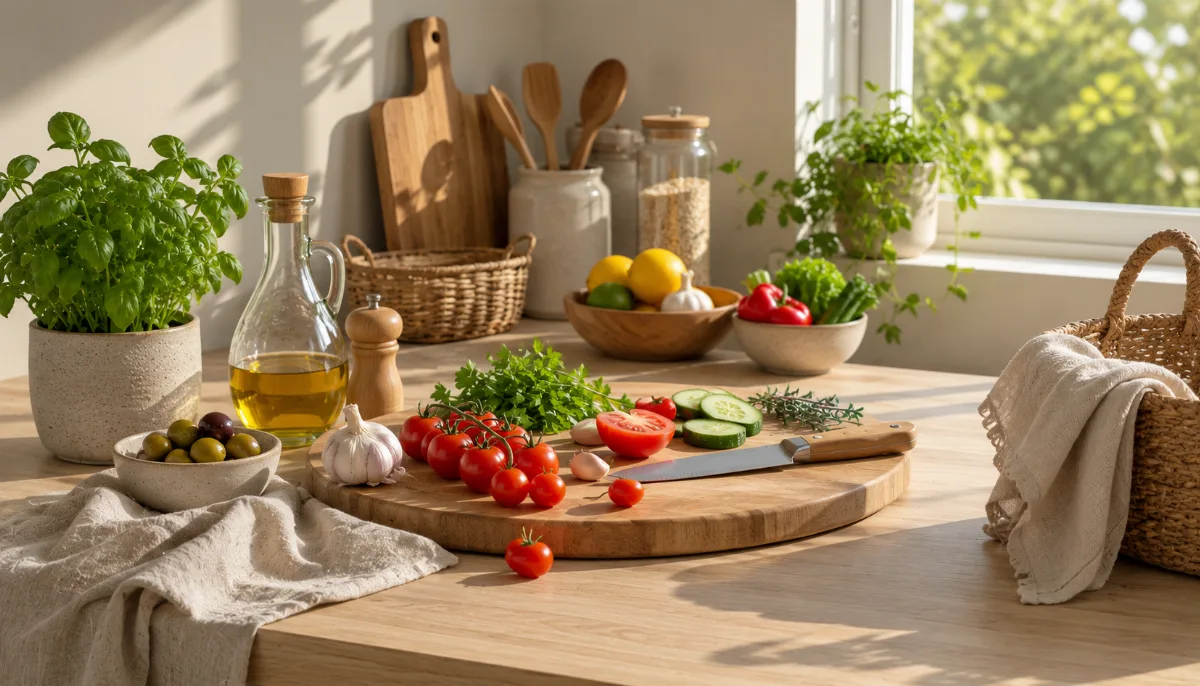
Walk through the most-bought single-use gadgets, and in nearly every case something already sitting in the kitchen does the same job:
Egg cooker
A small saucepan of water covers soft-boiled, hard-boiled, and poached with a timer. It takes the same eight minutes for hard-boiled and leaves less to wash — no specialized basket to scrub.
Avocado slicer
A chef's knife halves it and a spoon lifts the pit and scoops the flesh. The knife is already on the counter; the slicer takes a drawer slot for a task that runs about 45 seconds either way.
Quesadilla maker
A large skillet over medium heat, one flip, two minutes a side. The dedicated maker browns a touch more evenly and costs you an appliance to store and a fussier clean.
Pancake pen
A squeeze bottle or a ladle. If the goal is round pancakes, a ladle is done; if it's shapes, a dollar-store squeeze bottle makes them and stores flat.
Rice cooker
The genuine maybe. If it runs daily, the set-and-forget consistency is real and worth the space. But a covered saucepan at a 1-to-1.5 rice-to-water ratio with 18 minutes of low heat makes the same rice, so whether the counter space is justified is an actual question rather than an automatic yes.
The single-serve coffee machine kept next to a full coffee maker is the clearest case of all: two appliances covering one beverage when one of them already does the whole job. The table below lines up the common offenders against the tool that already earns its keep:
| Single-use appliance | Tool that already does it | Time either way |
|---|---|---|
| Egg cooker | Small saucepan and a timer | ~8 min, hard-boiled |
| Avocado slicer | Chef's knife and a spoon | ~45 seconds |
| Quesadilla maker | Large skillet | ~4 min |
| Pancake pen | Squeeze bottle or ladle | Same |
| Single-serve pod machine | Existing coffee maker | Same |
| Rice cooker | Covered saucepan, 1:1.5 ratio | ~18 min |
The Tools Worth the Space
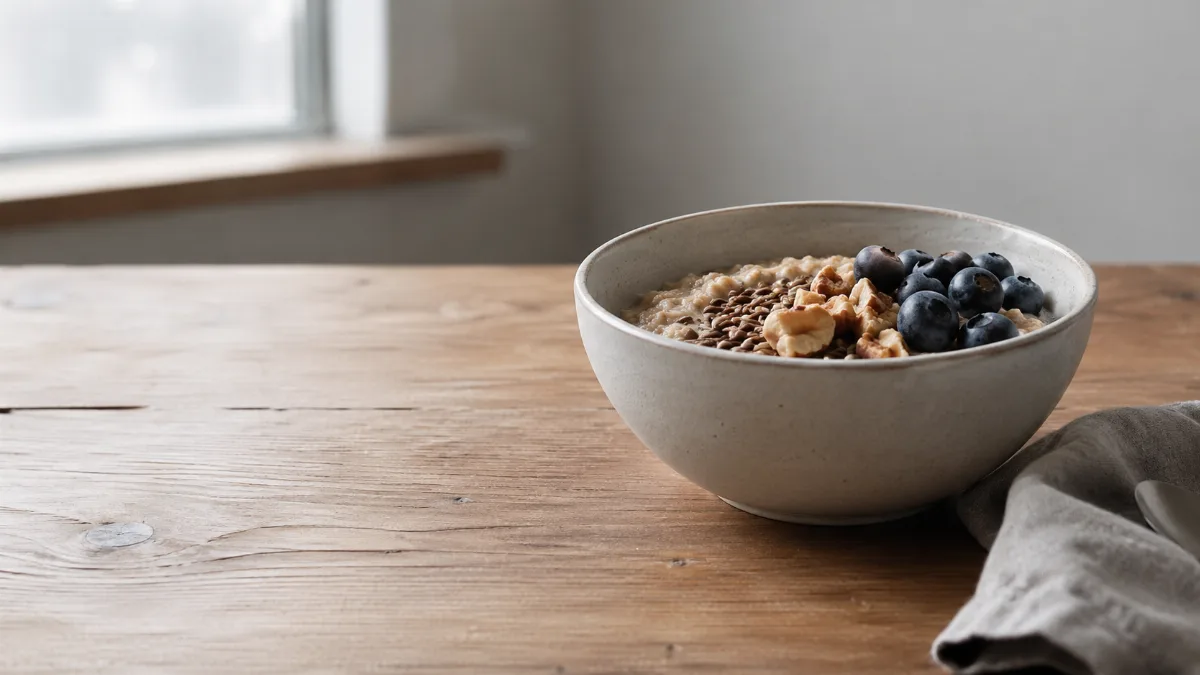
The tools that earn a permanent place are the ones that quietly replace five others. A chef's knife stands in for the avocado slicer, the tomato slicer, the herb chopper, the cheese knife, and — with a little care — the pizza cutter. A large skillet absorbs the quesadilla maker, the pancake griddle, and the egg cooker's whole reason for existing. A strong blender takes over the smoothie maker, the immersion-blender soup attachment, and, for softer jobs, much of what a food processor does.
Put one good chef's knife against six single-purpose gadgets for the same money and the knife wins on both counts: more actual cooking ability, and a fraction of the space. The math points the same direction in every category — fewer, better tools beat a pile of cheap specialized ones.
There's a skill dividend, too. A single-use gadget teaches you nothing transferable — the avocado slicer only ever slices avocados. Learn to break down an avocado with a chef's knife and you've practiced a grip and a motion that also halve a mango, seed a pepper, and quarter an onion. The versatile tool compounds in your hands over years; the specialized one stays exactly as useful as the day you bought it, which is to say useful for one narrow job and nothing else.
Clearing Out the Ones You Already Own
For gadgets already in the kitchen, the 90-day rule gives a clean cut: if it hasn't been used in three months and doesn't serve a clear seasonal purpose — the waffle iron at Christmas, the ice cream maker in July — it goes. Donate it, sell it, or hand it to someone who'll actually run it. the USDA's MyPlate guidance on eating well on a budget makes a similar point.
There's one real exception: the tool used rarely but genuinely, with no decent substitute. A pasta maker pulled out four times a year for a family's fresh-pasta tradition earns its shelf on exactly that basis. That infrequent-but-irreplaceable group is small, though. Most single-purpose gadgets have a perfectly good stand-in already in the drawer.
See also: one-in-one-out rule for kitchen gadgets and organizing a small apartment kitchen.
Spending the Savings on Quality
Cutting the gadget count frees up budget for the tools that stay. A kitchen running on one chef's knife, one cutting board, two pots, and two pans needs each of those to be genuinely good — and can afford it, precisely because the list is short. A chef's knife in the $80 to $150 range (a Victorinox Fibrox Pro at the low end, a Wüsthof Classic higher up), bought instead of five $20 gadgets, delivers more capability and lasts a decade with basic care.
The single-use buying habit runs the opposite way: many tools, none of them especially good, piling up until the daily-use pieces are buried behind the ones nobody touches.
The Appliances That Actually Earn It
The case against single-use appliances isn't that all of them are pointless — it's that most of them are. The exceptions are real. A stand mixer used weekly for bread earns its counter spot. A high-speed blender run daily earns its space. A waffle iron fired up every Sunday in a house where waffles are the weekend ritual earns its cabinet slot. The test is honest: real frequency of use, weighed against how much better the outcome actually is than the alternative. The ones that pass stay; the majority that don't, don't.
A kitchen taken through this audit usually finds that 30 to 50% of its appliances fail the 90-day rule outright. Clearing them opens cabinet space, cuts the digging required to reach the tools you use every day, and leaves a counter with room to actually work. Cooking there gets easier — not because the tools left behind are better, but because the friction of navigating the excess is gone. The lighter kitchen is also faster to clean: every item is a potential dish, a surface to wipe, one more thing to move before the next meal. A kitchen holding 20 things instead of 60 generates roughly a third of the after-dinner cleanup, and over a year of cooking that gap is the real return on the editing.

Comments
No comments yet.