
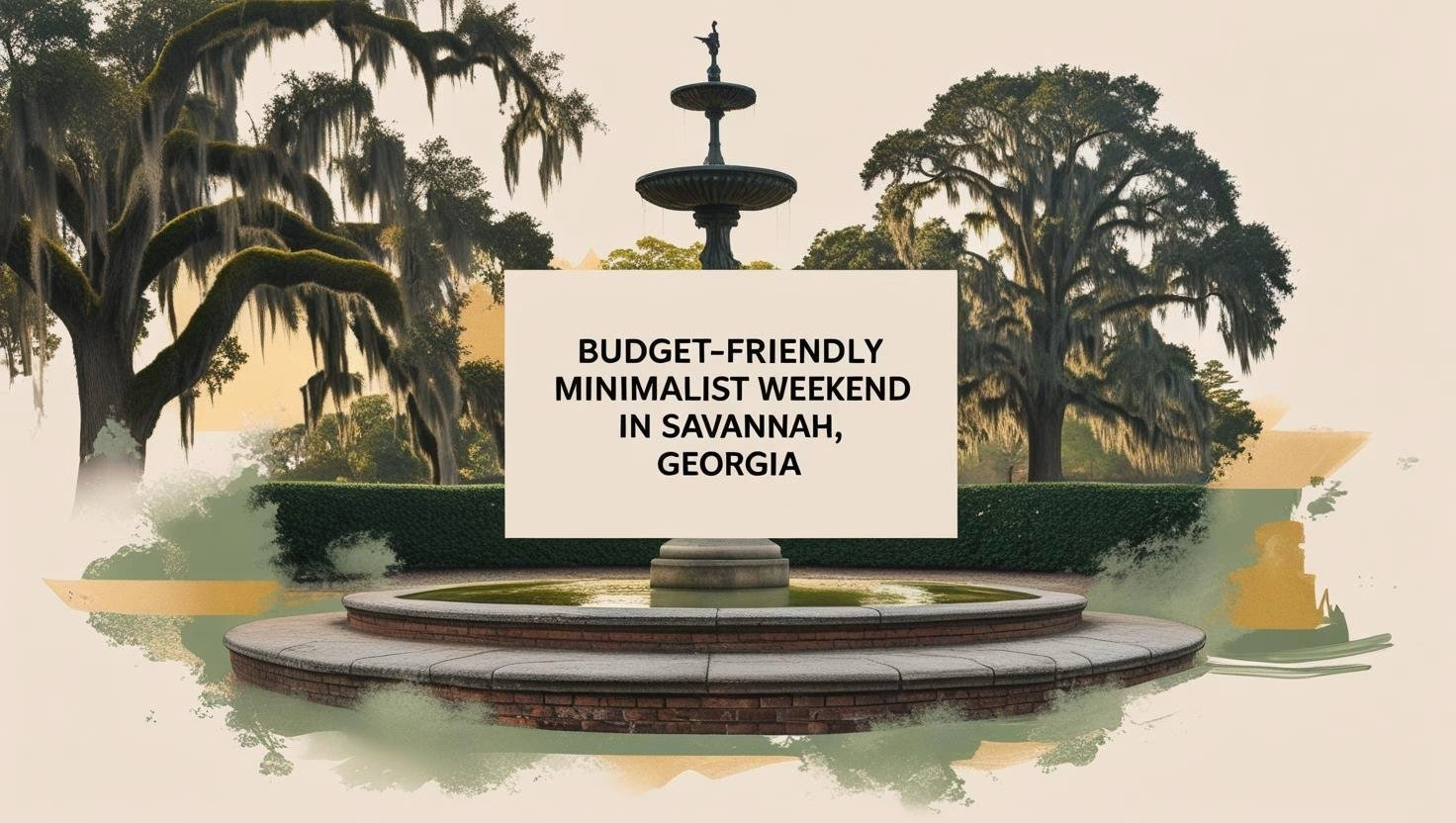

Savannah is built for walking. The Oglethorpe plan — 22 public squares laid out in a grid, each with a central park ringed by homes and civic buildings — makes a city where the public spaces outnumber the private ones. The squares are free. The cobblestone streets of the historic district are free. The Forsyth Park fountain, the River Street walk, and the Spanish-moss oak canopies along Bull Street are all free. What costs money in Savannah is the historic-district hotels and the River Street dinner service, and both have cheaper alternatives close by. Build a weekend around the free outdoor city and two or three paid experiences, and the trip stays inexpensive without feeling thin.
The Squares: The Core Experience
The 22 squares are the organizing structure of the historic district and the main reason to visit. Each has its own character, monuments, and surrounding architecture, and walking from one to the next across roughly 20 blocks is the central activity of any Savannah trip. The ones most worth pausing in: Chippewa Square, home to the Forrest Gump bench site (the original bench now sits in the Savannah History Museum); Johnson Square, the oldest and the commercial center; Monterey Square, with the Mercer Williams House of Midnight in the Garden of Good and Evil on its south side; and Lafayette Square, where the Cathedral Basilica of St. John the Baptist rewards a walk inside.
Forsyth Park, at the southern end of the district, is a 30-acre public green anchored by a cast-iron fountain from around 1858 — the city's most photographed feature. On Saturdays the park hosts a farmers market from 8 a.m. to 1 p.m., April through December, selling produce, prepared food, and local goods at market prices, which makes it a natural lunch stop in the middle of a squares walk rather than a separate errand. There's no reason to rush the route; the squares reward slow wandering, and a bench under a moss-draped oak is as much the point as any single monument. Budget a full unhurried morning to cover the district on foot, and the walk itself becomes the main event of the day at no cost.
Bonaventure Cemetery: Free and Historically Significant

Bonaventure Cemetery, 4 miles from the historic district, is the burial ground made famous by John Berendt's Midnight in the Garden of Good and Evil. It holds the grave of poet Conrad Aiken, the Trosdal family plot depicted in the book, and the Little Gracie statue that draws visitors specifically to find it. Beyond the literary connection, it's a genuine Victorian-era garden cemetery of old-growth live oaks, Spanish moss, and elaborate funerary sculpture, and it's a public space open during daylight at no charge. A self-guided walk runs anywhere from 45 minutes to two hours depending on how long you linger, and going without a paid guided tour costs nothing but the transport to get there.
Getting there without a car is straightforward: the Chatham Area Transit bus system runs a route that covers the cemetery, with current schedules posted at catchacat.org, and cycling from the historic district takes about 20 to 25 minutes across flat terrain. Either option keeps the visit free apart from the fare.
River Street: What's Worth Doing
River Street is Savannah's tourist corridor — a nine-block stretch of restored cotton warehouses along the river. The cobblestone walk itself is free and worth doing for the view of river traffic, where container ships pass at close enough range to make the scale difference against the pedestrian zone genuinely striking. The candy shops, River Street Sweets and Savannah's Candy Kitchen, roast nuts on-site behind visible production windows and are worth walking through for the smell and spectacle alone, no purchase required.
The restaurants here price for location and tourist density, and the same food turns up cheaper a block north in the City Market area, where the walk of one block separates tourist pricing from something closer to fair. If you want the classic Southern spread, Paula Deen's The Lady & Sons, on Congress Street near City Market, runs a lunch buffet around $16 a person (confirm the current price at the restaurant) — the same experience as dinner service at a lower price point.
City Market and Cheaper Eats

The City Market area around Franklin Square, between Jefferson and Montgomery Streets, gathers casual restaurants, food stalls, and bars at prices below River Street. A full lunch here runs $10 to $15 a person, with outdoor seating facing the active street rather than the river — a trade-off in setting but not in food quality. The area also stays lively into the evening with live music spilling out of the bars, so it doubles as a low-cost place to spend a night without paying River Street's premium. For the cheapest sit-down meal downtown, the Savannah College of Art and Design runs Café SCAD, a cafeteria-style spot in the student services building open to the public for weekday lunch; SCAD students eat here and the prices reflect it, with a full lunch under $10 (verify current prices on the SCAD website).
Where to Sleep Below Historic District Prices

Historic-district hotel rates during spring peak season run $200 to $350 a night for a standard room. Savannah Pensione offers basic rooms in a historic building at below-market rates (check current prices on booking platforms), and the Thunderbird Inn — a restored 1960s motel on Oglethorpe Avenue within walking distance of the district — delivers motel pricing in a genuinely historic location. The Midtown area, 10 to 15 minutes south by car or bike, has chain accommodations at standard chain rates. Savannah's flat terrain makes cycling in from Midtown practical, and rental bikes are available from several vendors scattered across the historic district. See also: minimalist Charleston weekend.
When to Visit
Peak season is spring, March through May, when temperatures are mild, the azaleas bloom, and the St. Patrick's Day celebration — one of the largest in the country — draws several hundred thousand people into the district. That weekend is the most expensive lodging window of the year, so if your dates are flexible, avoiding the second and third weekends of March cuts prices noticeably. Fall, September through November, is the second-best stretch for comfortable walking weather and the quietest weekdays. Summer is hot and humid, with temperatures regularly above 95°F, but lodging prices drop and the squares thin out in the midday heat. For a deeper reference, see Recreation.gov.
Tybee Island and a Two-Day Plan

Tybee Island, 18 miles east, is the city's beach access. The public beach is free; parking charges a day fee (verify current rates at tybeeisland.com/parking). The Tybee Island Lighthouse offers tours for a small fee, and the sweeping coastal view from the top of the oldest and tallest lighthouse in Georgia is the main reason to make the climb and pay the admission. The beach itself is wide and open, with no resort barriers, and packing a lunch from a Savannah grocery keeps the day to little more than the parking fee. Cycling part of the way is possible for the fit, though the causeway stretch is better driven. See also: Gulf Shores budget weekend.
A workable two-day plan: on Saturday, arrive and check in, then walk the squares from Chippewa to Forsyth Park — about 1.5 miles — timing it to reach the Forsyth Park Farmers Market for lunch. Spend the afternoon on the River Street walk and loop back through the historic district, then eat in the City Market corridor. On Sunday, take a bus or rideshare out to Bonaventure Cemetery in the morning, then return for the SCAD Museum of Art (free on Sundays; verify current status at scadmoa.org) and the Cathedral of St. John the Baptist interior before beating the late-afternoon Sunday traffic on the way out of town.
Savannah, measured:
| Element | Numbers | Note |
|---|---|---|
| The squares | 22, on the original Oglethorpe grid | the core (free) experience |
| Forsyth Park | 30 acres, fountain from ~1858 | — |
| Farmers market | Sat 8 a.m.–1 p.m., Apr–Dec | lunch at market prices |


Comments
No comments yet.