

How to Establish a Screen-Free Family Dinner Routine

Oh, dinner time. For years, this was the moment when I finally sat down, took a deep breath, and… scrolled through Instagram while my kids watched Daniel Tiger for the third time that day. Sound familiar? My husband was probably doing the same, half-listening to a podcast.

We were all in the same room, physically. But we were miles apart, mentally. It felt less like family dinner and more like a collection of individuals tolerating each other's presence while we got our food down.

And honestly? I was damn tired. Tired of the noise, tired of the disconnection, tired of feeling like I was missing out on my own kids' lives, even when they were sitting right across from me.

So, I decided enough was enough. We needed a screen-free dinner routine, not because I'm some perfect minimalist guru, but because I craved actual connection. I wanted to look my kids in the eye.

Today, I'm going to share how we actually made that happen. We'll talk about why this even matters in our crazy busy lives, the practical steps to implement it without losing your damn mind, and how to troubleshoot when it inevitably goes sideways. Let's dig in. 👋

Why This Actually Matters

You might be thinking, "Eleanor, another thing to add to my already overflowing plate? My kids are fed, they're safe, isn't that enough?" And hell, some days, it absolutely is. Survival mode is real, and I've lived there for long stretches.

But when I really stopped to think about it, I realized what we were sacrificing. Those moments around the dinner table are prime real estate for connection. They’re a chance to genuinely check in, to laugh, to listen.

It’s not just about the kids, either. It’s for us, the parents. It’s a moment to unplug from the endless demands of work, chores, and the general cacophony of modern life. To just be present, even if it's messy.

I remember one night, before we made the switch, my daughter, Lily, who was four at the time, pointed at the TV during dinner. "Mommy, look! Elmo!" she exclaimed. I glanced over, gave a half-hearted "uh-huh," and then went back to reading an email on my phone.

Her little face just kinda... deflated. That moment hit me hard. She wasn't asking me to join her in watching Elmo. She was asking me to join her. To share something. And I missed it because I was staring at a damn screen.

Research backs this up, too, though honestly, I didn't need a study to tell me what my gut already knew. Kids whose families eat together regularly tend to do better in school, have higher self-esteem, and even lower rates of substance abuse later on. But for me, it just came down to wanting to feel like a family, not just roommates.

It's about creating those small, consistent pockets of connection in a world that constantly pulls us apart. It builds a foundation of communication that becomes so much more important as our kids grow up. And frankly, it’s just nicer to eat with people who are actually looking at you.

Setting the Scene for Connection

Okay, so we know why it matters. But what does "screen-free family dinner" even mean, exactly? It sounds a little intimidating, like you need to hold a seance or something. Trust me, it’s not that deep.

At its core, it’s about intentional presence. It means putting away the distractions that pull us out of the moment. It means creating a space, both physically and mentally, where everyone at the table can focus on each other.

It’s not about perfection. It’s not about having some magical, silent, candlelit meal every single night. That's a fantasy, especially with little kids. It’s about making a conscious choice to prioritize human interaction over digital stimulation for a short window of time.

For us, it's about saying, "For these 20-30 minutes, you are the most interesting thing in the room." And honestly, sometimes that's a damn struggle, even for me. But it's a practice, not a destination.

What "Screen-Free" Really Means (and Doesn't Mean)

Let's be clear on the rules we set for ourselves. Because "screen-free" can feel like a big, scary, all-encompassing thing. But it doesn't have to be.

Our definition is pretty straightforward. It boils down to a few key things, and then some common-sense exceptions. No need to make it more complicated than it needs to be, especially when you’re already juggling a million other things.

The goal isn't to be a Luddite. It's to be intentional about when and how we engage with technology. We just decided dinner was one of those times to hit pause.

  • No phones on the table. This is non-negotiable for everyone, including me and my husband. They go face down, away from reach, or better yet, in a designated "phone parking lot" somewhere else.
  • TV off. Not muted, not background noise, but completely off. Even if it's just the news, it's still pulling attention. We want genuine sound, not passive consumption.
  • No tablets or handheld devices for the kids. This means no last-minute cartoons to get them to sit down. It's a tough habit to break if they're used to it, but it's crucial.
  • No smart speakers playing music or podcasts. Again, it's about eliminating background distractions. We want to hear each other, not whatever playlist Spotify thinks we need.

What it doesn't mean: It doesn't mean you can't use your phone to quickly check a recipe before dinner. It doesn't mean you have to ban all devices from your home forever. It just means that during the dinner hour, those things take a backseat.

It's a boundary, not a blanket prohibition. And like all boundaries, it might be tested, especially at first. But holding firm is important for showing everyone this isn't just a suggestion.

How To Actually Pull This Off (Without Losing Your Damn Mind)

Alright, now for the practical stuff. Because knowing why something is good for you and actually doing it are two completely different beasts. I get it. I’ve been there.

The thought of trying to wrangle two kids, a husband, and my own phone addiction into a screen-free dinner routine felt like climbing Everest without oxygen. There were definitely some false starts, some nights where I just gave up and let them watch Coco again.

But we learned a few things that made it more manageable. These aren't magic bullets, but they are actionable steps you can start tonight. Just remember: progress, not perfection.

Step 1: Start Small, Like Really Small

Please, for the love of all that is holy, do not try to go from zero screens to perfect, engaged conversation overnight. You'll fail. You'll feel like a terrible parent. And you'll probably just throw your phone at the wall.

I learned this the hard way. My first attempt was an immediate, blanket ban. The result? Whining, complaining, and a dinner that felt like a hostage negotiation. Nobody enjoyed it, least of all me.

Instead, pick one meal a week. Just one. Maybe it's Sunday dinner, or a Tuesday night when things are a little calmer. Or even just commit to the first 10 minutes of every dinner being screen-free.

The point is to build the habit gradually. Small wins build momentum and confidence. It lets everyone adjust without feeling overwhelmed or deprived. Plus, it gives you a chance to see what works and what absolutely doesn't, so you can tweak your approach.

For us, we started with just Fridays. It was our "Pizza Night," which was already a bit special. Adding the screen-free element felt less like a chore and more like an extension of the specialness. It worked better than I expected.

Step 2: Have a "Landing Zone" for Devices

Out of sight, out of mind. This is key. If phones are sitting right next to you, buzzing with notifications, the temptation to check them is damn near irresistible. You need a designated spot.

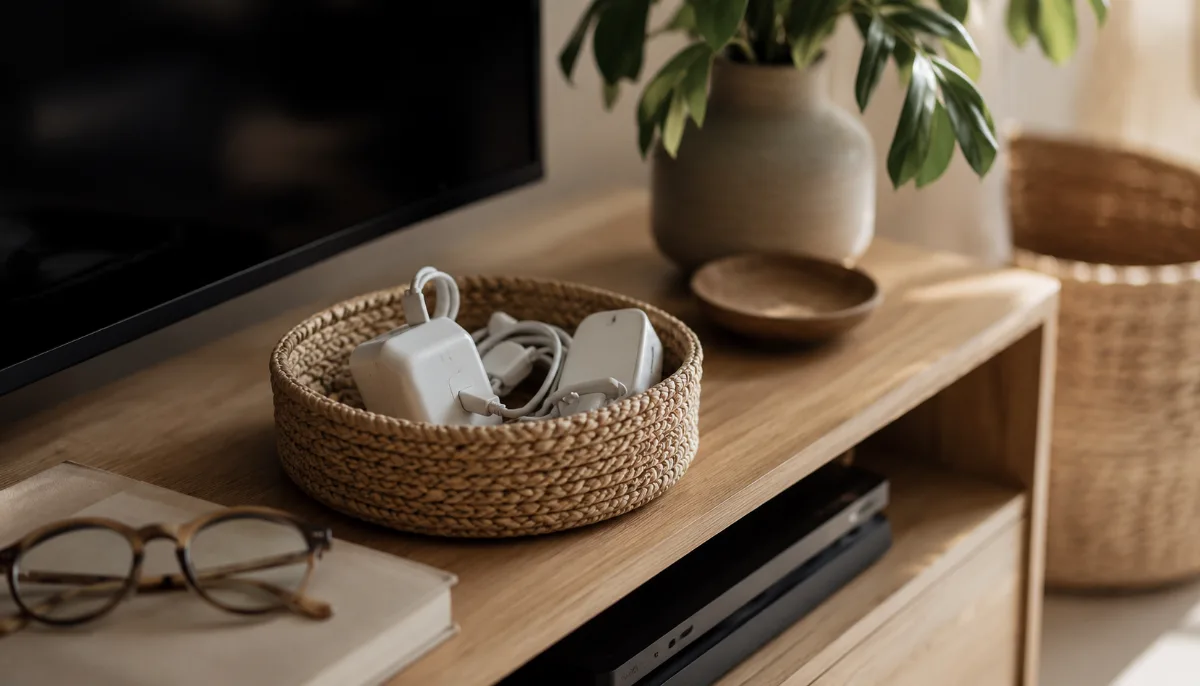
We created a "phone parking lot" in our kitchen. It’s just a cute little basket on the counter, away from the table. Before we sit down to eat, everyone puts their devices in the basket.

This includes my husband and me. It sets a clear boundary and makes it a tangible action. The kids, surprisingly, kind of like it now. It’s part of the ritual, like washing their hands before dinner.

The first few times, there might be some sneaky attempts to keep a phone. Or arguments about whose turn it is to put the tablets away. Just stick to your guns. Consistency is your superpower here.

When my son tried to hide his tablet under a cushion, I calmly pointed to the basket. "Remember, buddy, all screens go in the parking lot for dinner time." He whined, but he did it. The next night, less whining. It gets easier, I promise.

Step 3: Plan for Engagement (Beyond "How Was Your Day?")

Okay, the screens are gone. Now what? You might find yourself staring at your kids, and they might be staring at their food, or the wall. Silence can be awkward, especially if everyone is used to being entertained.

"How was your day?" usually elicits a "Fine" or "Good," and then... crickets. You need some conversational ammunition. Don't rely on spontaneous brilliance, especially after a long day when your brain is already fried.

I started keeping a small jar of conversation starters on the table. Things like, "What was the funniest thing that happened today?" "If you could have any superpower, what would it be?" or "What's one thing you're grateful for right now?"

These prompts give everyone something concrete to talk about. They take the pressure off of you to always come up with something clever. And sometimes, the silliest questions lead to the best, most unexpected conversations.

My kids love the "Would you rather..." questions. "Would you rather have a pet dragon or a pet unicorn?" Those conversations often spiral into hilarious tangents that last the whole meal. It’s damn fun, actually.

Step 4: Embrace the Mess (Literal and Figurative)

Let's get real. Kids are messy. Meals are messy. And conversation, especially with little ones, is rarely polite and perfectly structured. Trying to force a pristine, quiet dinner is a recipe for frustration.

Your child might spill their milk. Your toddler might refuse to eat anything but bread for the fifth night in a row. Someone will interrupt. Someone will whine. That's just family dinner, screens or no screens.

The key here is to lower your expectations for perfection. Focus on the connection, not the etiquette. If you’re constantly correcting, shushing, or stressing about crumbs, you’ll undermine the whole purpose.

One night, my son decided his peas were actually tiny bouncy balls and started gently flicking them across the table. Before, I probably would have snapped at him. But because I was present, not scrolling, I saw the mischievous glint in his eye.

I simply said, "Peas are for eating, buddy, not for playing basketball." He giggled, picked up a pea, and put it in his mouth. It was a small moment, but it was real. And I would have missed it if my attention was elsewhere.

Let some of the small stuff go. Your house won't burn down if there's a few extra crumbs. Focus on the smiles, the chatter, the moments of genuine interaction. That's where the good stuff is.

Step 5: Make it a Ritual, Not a Rule

Nobody likes arbitrary rules, especially kids. If you just declare, "No screens at dinner!" without explanation, it'll feel like a punishment. And they'll resent it. You'll resent it, honestly.

Instead, frame it positively. Talk about why you're doing this as a family. Explain that it's your special time to connect, to share stories, to just be together. Make it feel like a cherished tradition, not a mandate from on high.

We started calling it "Family Talk Time" or "Connection Corner." It sounds a little cheesy, I know, but it worked. It gave it a name, a positive identity. My kids actually started looking forward to it, especially the conversation starters.

When you present it as a choice to gather and connect, rather than a restriction, it shifts the entire dynamic. It becomes something you get to do, not something you have to do.

Explain that everyone gets to share their day, and everyone gets to listen. Emphasize that it’s important to hear what's happening in each other’s lives. This helps build empathy and makes everyone feel valued.

Step 6: Be Prepared for Boredom (It's a Good Thing)

When you remove the constant stimulation of screens, boredom often creeps in. Especially for kids who are used to being constantly entertained. And trust me, your kids will be bored at first. They might tell you they're bored. They might squirm.

And that’s okay. More than okay, actually. It's a damn good thing. Boredom is the birthplace of creativity, connection, and self-regulation. It forces us to look inward or outward, to engage with our environment in new ways.

Don't jump in to "fix" their boredom with another activity or toy. Let them sit with it. It might lead to them starting a conversation, observing something new, or even just thinking quietly.

I remember Lily, after a few screen-free dinners, started drawing patterns on her placemat with her finger. Then she started humming. Then she looked up and said, "Mommy, the mashed potatoes look like clouds." We had a whole conversation about food shapes.

That kind of observation and creative thought would never have happened if her eyes were glued to a tablet. It's in those quiet moments, when the brain isn't being constantly fed, that real magic can unfold. Embrace the quiet, embrace the fidgeting, and trust that good things will come of it.

Step 7: Keep it Realistic, Keep it Flexible

Life with kids is unpredictable. Some nights, dinner is on the table by 5:30, everyone is (relatively) calm, and conversation flows. Other nights, it’s 7:00 pm, someone just threw a tantrum about peas, and you’re all operating on fumes.

On those crazy nights, it's okay to scale back. Maybe it's not a full 30 minutes of deep conversation. Maybe it's just 10 minutes of screen-free eating, followed by a quick cleanup and early bedtime for everyone.

The goal isn't to be perfect every single night. The goal is consistency over time, and a general commitment to the practice. Don't let one bad night derail your whole intention. Forgive yourself, and try again tomorrow.

There have been nights when my husband or I have had to take a quick call for work during dinner. We try to step away from the table, but sometimes it happens. We acknowledge it, apologize, and get back to it. It’s about being human, not a robot.

Flexibility prevents burnout. It makes the routine sustainable in the long run. If you try to force it when everyone is at their limit, you’ll just create more stress. And that’s the opposite of what we’re going for here.

Making It Stick & Avoiding the Pitfalls

So you've started. You're putting away the phones, asking fun questions. But how do you keep this going when the novelty wears off, or when life just gets in the way? It’s not always smooth sailing, trust me.

There are definitely common traps that can derail your screen-free dinner efforts. I’ve fallen into most of them, so learn from my mistakes, because I've made plenty of them trying to figure this out.

The biggest one? Expecting too much, too soon. This is a marathon, not a sprint. You're trying to shift deeply ingrained habits, and that takes time, patience, and a whole lot of grace for yourself and your family.

"The magic isn't in perfectly quiet, polite dinners. It's in the imperfect, messy moments of real connection. That's where the good stuff happens."

Common Mistake 1: The All-or-Nothing Mentality. This is where you try to implement every single step perfectly, every single night, from day one. And then when you inevitably falter, you throw in the towel completely.

Don't do it. If you miss a night, or if a dinner goes totally sideways, just acknowledge it and recommit for the next meal. One bad meal doesn't erase all your progress. It's about averaging out, not absolute perfection.

Common Mistake 2: Not Having a Plan B. What happens if a kid is having a full-blown meltdown? Or if someone is truly, deeply not feeling social? Trying to force engagement in those moments is counterproductive.

Have a backup plan. Maybe that child gets to quietly look at a book at the table. Or they're excused to their room with a quiet activity. The point is to maintain the screen-free environment, even if the "engagement" aspect needs to be put on hold for a bit.

Common Mistake 3: Forgetting Yourself. This is huge. You, the parent, need to model the behavior you want to see. If your phone is "just sitting there" but you're constantly glancing at it, checking notifications, or scrolling under the table, your kids will notice.

Put your own damn phone away. Fully. Be present. Show them that you value this time, too. It’s hard, especially when you’re used to using those few minutes to catch up, but it makes all the difference in setting the tone.

Common Mistake 4: Giving Up Too Soon. Habit formation takes time. They say it takes 21 days to form a habit, but honestly, with family dynamics, it can take longer. You might feel like it's not working for weeks.

Don't give up. Keep showing up, keep trying. Some nights will be better than others. But over time, the rhythm will settle in. Your kids will adjust. And you’ll start to see the real benefits.

Frequently Asked Questions

My kids just stare at their plates. What do I do?
This is totally normal, especially at first. Keep offering those conversation prompts. Sometimes the silence feels longer to us than it does to them. Be patient, model talking, and trust that they'll eventually engage. It's a skill they need to practice, just like anything else.
What if I need my phone for a recipe?
Great question! Either print out your recipe beforehand, or check it and memorize the next step before you sit down. If you absolutely must reference your phone during the meal, make it quick, explain what you're doing, and put it right back in the landing zone.
My partner isn't on board. How do I get them to participate?
This is tough. Start by explaining why it's important to you, without judgment. Suggest starting small, like just one night a week where you both commit. Lead by example by consistently putting your own phone away. Sometimes, seeing the positive impact on the kids can slowly win them over.
We eat dinner really late. Is this even feasible?
Absolutely! The amount of time isn't as important as the intention. Even 15 minutes of screen-free presence is more impactful than an hour of distracted eating. If late dinners mean less time, make those minutes count. Focus on quality over quantity.
What if my kids are really young, like toddlers?
Even toddlers benefit from a screen-free environment. While they might not participate in complex conversations, they absorb so much through observation. They learn that dinner time is for connecting, not for screens. Plus, it's a fantastic habit to establish early on, and it ensures you're fully present for their needs.

The Bottom Line

Establishing a screen-free family dinner routine isn't about achieving some Pinterest-perfect ideal. It's about prioritizing real, human connection in a world that constantly bombards us with digital distractions. It's messy, it's imperfect, and sometimes, it's damn hard.

But those small, consistent moments of looking each other in the eye, sharing a laugh, or just listening to a silly story from your kid? Those are the moments that build the foundation of your family. They’re the memories you’ll actually cherish.

So, start small. Put that phone away. Ask a goofy question. And be kind to yourself when it doesn't go exactly as planned. You're doing great, mama. Just show up, be present, and the rest will follow. ❤️