
Why "simple Ingredients" are the Key to Sustainable Family Nutrition

Okay, raise your hand if you've ever stared into your fridge, felt a wave of despair, and then ordered pizza for the third time this week. 🙋‍♀️ Mine’s up. More than I’d like to admit, actually.

I mean, feeding a family? It feels like a full-time job on top of your actual full-time job. With all the meal kits, fancy recipes, and "superfood" trends, it’s easy to get totally overwhelmed. You just want to put decent food on the table without losing your damn mind, right?

Today, we're cutting through all that noise. We're talking about how simplifying your ingredients can seriously transform your family's nutrition, your budget, and most importantly, your sanity. It’s not about being perfect, it’s about making life a little easier, one simple meal at a time.

Why This Actually Matters

I remember a few years ago, after my second kid was born, I hit rock bottom in the kitchen. Dinner was a nightly scramble, usually involving whatever processed crap I could heat up fastest.

I was buying all these "healthy" convenience foods because I figured they were better than nothing. But then I'd look at the ingredient list, 40 things long, and honestly, half of them I couldn't pronounce.

It wasn't just the weird ingredients. My grocery bill was skyrocketing. I was throwing away so much half-eaten food. And the mental load of trying to figure out what to cook, what to buy, and what was actually "good for us"? It was crushing me.

That's when I realized something had to change. This wasn't sustainable for me, for our budget, or for our health. Focusing on simple ingredients wasn't just a trendy diet thing; it was a lifeline.

It's about getting back to basics, freeing up your time, and actually enjoying the process of feeding your family. Trust me, it makes a huge difference to your whole damn week.

What "simple Ingredients" Even Means

So, when I say "simple ingredients," what the heck am I even talking about? Am I telling you to grow all your own food and churn your own butter?

Hell no. I can barely keep a houseplant alive, much less a whole garden. And my kids would probably burn down the kitchen if I tried to teach them how to churn butter.

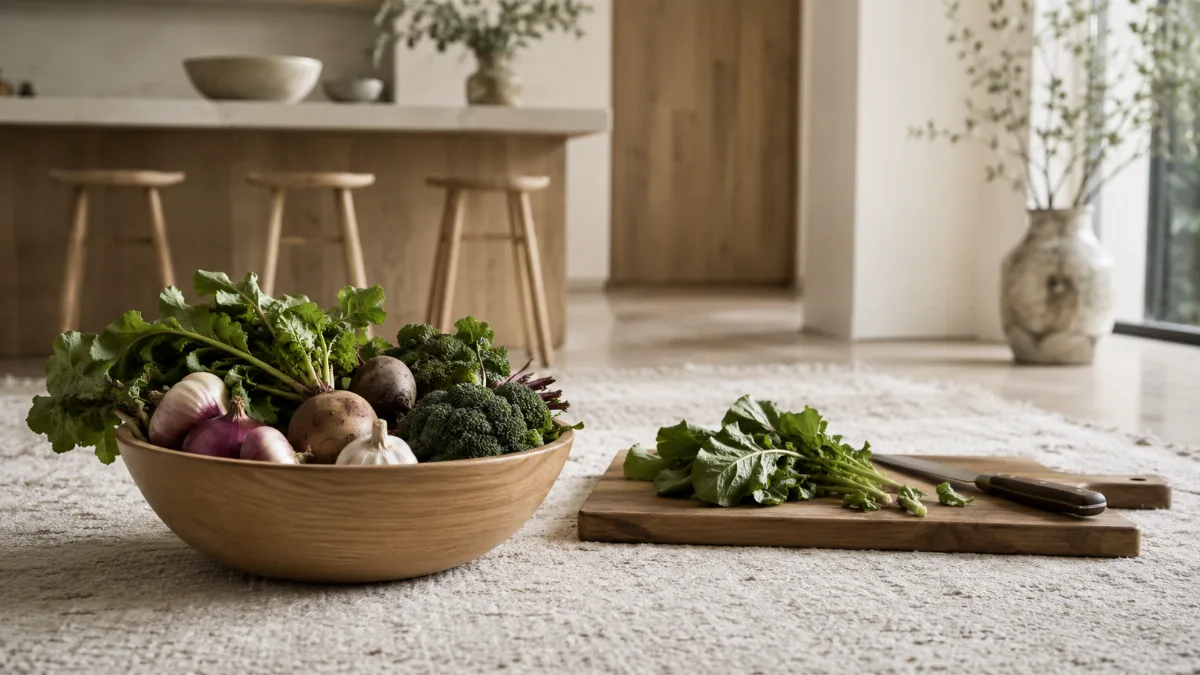
For me, "simple ingredients" means food that’s as close to its natural state as possible. Think single-ingredient items, or foods with a very short ingredient list where you recognize every single thing on there.

It's about knowing what you're putting into your body. It’s about ditching the additives, the preservatives, and all the processed crap that makes food last forever on a shelf but doesn’t do much for our energy levels.

When I started really looking at labels, it was kind of shocking. Even "healthy" granola bars or yogurt had so much added sugar and weird chemicals. I was trying so hard, but actually making things more complicated.

The Hallmarks of Simple Ingredients

Okay, so how do you spot these magical "simple ingredients" in the wild?

  • Look for single-ingredient items. This is your best bet. Things like fresh fruits, vegetables, eggs, plain meat, rice, oats, lentils. Seriously, that's it. A carrot is just a carrot. A chicken breast is just a chicken breast. No hidden surprises there.
  • Read the label, if there is one. If you're buying something packaged, check that ingredient list. If it has five ingredients or less, and you recognize all of them, you're probably in good shape. Think things like plain yogurt, pasta (just flour and water), canned tomatoes (just tomatoes, maybe salt).
  • Prioritize whole foods. This just means foods that haven't been heavily processed or refined. Brown rice instead of white, whole wheat bread instead of enriched white, actual cheese instead of "cheese product." It's not about being a health guru, it's about getting more bang for your nutritional buck.
  • Limit added sugars and weird oils. This was a big one for me. Sugar hides everywhere. "Natural flavors" can hide a lot too. Sticking to simple ingredients naturally cuts out a lot of these sneaky additions that aren't doing anyone any favors.

It sounds so clear, right? But in a world full of marketing hype, it’s easy to forget these basics. It's really about simplifying your pantry and making conscious choices, not becoming a chef overnight.

How to Actually do It

Alright, so you’re on board with the idea of simple ingredients. You're thinking, "Eleanor, this sounds great, but how the hell do I actually make this happen when I'm already juggling three soccer practices and a leaky sippy cup?"

I hear you. It's not about making a massive overhaul tomorrow. It's about small, manageable steps. Here’s how I tackled it, and how you can too, without feeling like you need a degree in nutrition or an extra 10 hours in your day.

Step 1: the Great Pantry Purge (no Guilt, Just Goodbye)

This is where it all starts. Go through your pantry, fridge, and freezer. Pull everything out. I know, it looks like a disaster, but trust me.

Look at the ingredient labels. Anything with a super long list, ingredients you can't pronounce, or a ton of added sugar? Consider donating it if it's unopened, or just tossing it. Don't feel guilty. You bought it with good intentions, now you're making better ones.

Focus on clearing out the junk food and processed snacks. That means the colorful cereal boxes, the pre-made sauces with weird fillers, the frozen dinners that taste like cardboard. My kids cried for about 30 seconds when I tossed their favorite sugary cereal, then they forgot all about it when I offered oatmeal with berries.

Step 2: Start with One Simple Meal You Already Love

You don't need to reinvent your entire meal plan. Think about a meal your family already enjoys that uses mostly simple ingredients. Maybe it's tacos (ground meat, tortillas, lettuce, tomatoes, cheese). Maybe it's pasta with a simple tomato sauce.

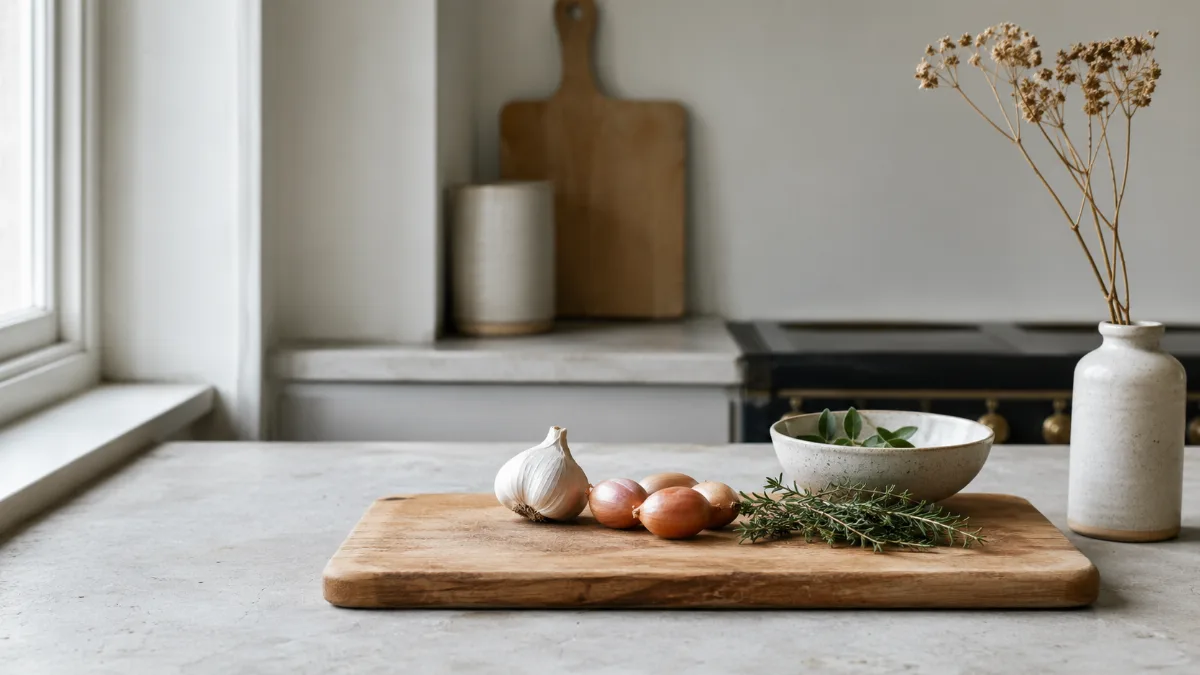
For us, it was spaghetti and meatballs. I ditched the jarred sauce that had like, 15 ingredients, and started making a super simple one with canned crushed tomatoes, garlic, onion, and a few herbs. It tastes infinitely better, and it took maybe 10 extra minutes. Seriously.

Once you nail one, pick another. Small wins are key to not getting totally overwhelmed and giving up. Don't try to change every single meal right away, you'll burn out. Pick one dinner, maybe one breakfast.

Step 3: Smart Grocery Shopping (your New Superpower)

This is where you save time, money, and your sanity. Head to the perimeter of the grocery store first. That’s where the fresh produce, dairy, and meat usually are.

Fill your cart mostly with these simple, whole foods. Fruits, veggies, eggs, milk, plain yogurt, lean proteins. Then, and only then, venture into the inner aisles for things like rice, oats, pasta, canned goods (like those simple crushed tomatoes!).

Always have a list. Stick to it. Don't get distracted by all the brightly colored, heavily processed items designed to catch your eye. I try to shop when I'm not starving and without the kids if humanly possible. Otherwise, it's a battle against impulse buys and whining.

Step 4: Embrace Batch Cooking Basics (your Future Self Will Thank You)

I know, "batch cooking" sounds like something only Pinterest moms with perfect hair do. But it's actually for us tired moms who just want a damn break.

Pick one or two days a week (for me, it’s usually Sunday afternoon for an hour, and then maybe Wednesday night after the kids are asleep). Cook a big batch of a few simple ingredients.

Think a big pot of rice, a couple of roasted chickens, a huge pan of roasted veggies, hard-boiled eggs, or a big batch of cooked ground meat. These are your building blocks for meals all week. You can repurpose them into so many different things.

Roasted chicken becomes chicken tacos one night, chicken salad sandwiches for lunch, and then chicken and rice soup another night. You cook once, eat three times. It's a game-changer, honestly.

Step 5: Get the Kids Involved (even if It’s Messy)

My kids are notorious for rejecting anything new. But when they "help" make it, they're way more likely to eat it. Even if "help" means just washing berries or stirring a pot of pasta.

Give them simple, age-appropriate tasks. Letting my 6-year-old measure oats for oatmeal, or my 3-year-old tear lettuce for a salad, makes them feel important. And honestly, it buys me a few minutes of peace.

They might make a mess. They definitely will make a mess. But it's worth it for the sense of ownership they get. And seeing where their food comes from, even if it's just the fridge, helps them connect with what they're eating.

Step 6: Plan Your Meals Around What You have

Minimalism isn't just about less stuff; it’s about making the most of what you have. Instead of starting with recipes and then shopping, try starting with your existing simple ingredients.

Look in your fridge and pantry. What needs to be used up? A bunch of broccoli? Okay, broccoli can go into stir-fry, roasted as a side, or blended into a soup. A carton of eggs? Omelets, frittatas, egg salad.

This approach seriously cuts down on food waste and your grocery bill. It forces you to be creative with what you've got, which, surprisingly, simplifies things in the long run. No more frantic runs to the store for one missing ingredient.

Step 7: Don't Aim for Perfection (seriously, Don't)

This is the big one. There will be days you fall off the wagon. Days you order pizza. Days your kids only eat toast and call it a meal. That's fine. That's life with kids, for God's sake.

The goal isn't to be a "perfect" minimalist chef. The goal is to make things a little easier, a little healthier, and a lot less stressful most of the time. Every little bit counts. If you make one more meal at home with simple ingredients this week than you did last week, that’s a win.

Don't beat yourself up. Just acknowledge it, shrug it off, and try again tomorrow. This is a journey, not a destination. And honestly, sometimes a frozen pizza is just what the doctor ordered for a tired mom. No shame in that game.

Making It Stick / Common Mistakes

So, you're trying to incorporate more simple ingredients, feeling good about it, and then BAM! Life happens. The kids get sick, you have a huge deadline, or you just plain forget to defrost the chicken.

It happens to all of us. The biggest mistake I see (and definitely made myself) is trying to do too much, too fast. You try to go from zero to "organic, scratch-made everything" in a week. And then you crash and burn.

Another common mistake? Thinking it has to be gourmet. Your family doesn't need fancy. They need fed. Often, the simplest meals are the most comforting and the most likely to be eaten without a fight.

"Minimalist nutrition isn't about deprivation; it's about liberation from complexity."

One more thing: don't let perfect be the enemy of good. If you're stressed about finding the "perfect" organic, grass-fed whatever, you're missing the point. Start with what's accessible and affordable. Just reducing processed foods is a huge step.

Frequently Asked Questions

What About Picky Eaters? My Kids Won't Eat Anything New!

Oh, tell me about it. My kids exist on a diet of air and the occasional cracker, or so it feels sometimes. The key here is patience and exposure. Don't force it. Keep offering new foods alongside things they already like.

Involve them in the prep, even if it's just washing veggies. Sometimes it takes 10-15 exposures before a kid will even try something new. Don't give up, but don't make mealtime a battleground either. Offer, don't demand.

Is Eating with Simple Ingredients More Expensive?
Initially, it might feel like it, especially if you're used to relying on super cheap processed foods. But hear me out: it usually saves you money in the long run. Processed convenience foods often have a higher per-serving cost.

When you focus on simple, whole ingredients like beans, rice, seasonal produce, and less meat, your grocery bill often goes down. Plus, you’re throwing away less food because you’re actually using what you buy. My grocery budget went down by about $100 a month once I started doing this, no joke.

How do I Start if I'm Super Busy and Feel Like I have No Time?
Start ridiculously small. Like, seriously small. Pick one meal a week you'll simplify. Maybe it's breakfast – oatmeal with berries instead of sugary cereal. Or maybe it's just replacing one processed snack with a piece of fruit.

Even better, use those batch cooking tips. Spend 30 minutes on Sunday roasting some chicken or chopping veggies. That small bit of prep can save you hours of scrambling during the week. Don't try to change everything at once. That's a recipe for burnout.

What if My Spouse Isn't on Board with This Whole "simple Ingredients" Thing?
This can be tricky! You can't force anyone to change their eating habits. Start by subtly introducing changes. Maybe make a simple ingredient dinner that you know they already enjoy, and just don't mention the "minimalist" aspect.

Talk about how much time you're saving, or how much better you're feeling. Lead by example. Often, when people see the positive results without feeling pressured, they become more open. Don't frame it as a diet, frame it as a lifestyle shift that benefits the whole family.

How Long does It Take to See Benefits from Switching to Simple Ingredients?
Honestly, you might notice some benefits pretty quickly. Within a week or two, you might feel less sluggish, have a bit more energy, or just generally feel better after meals. Your kids might even be a little less hyped up from all the sugar. (No guarantees on that last one, they’re still kids).

The biggest benefits, like saving money and feeling less stressed in the kitchen, usually kick in after a few weeks of consistent effort. It's not a magic bullet, but it's definitely a noticeable shift in how you feel and manage your family's meals.

The Bottom Line

Look, feeding your family is tough. There's no getting around that. But it doesn't have to be a daily battle against confusing labels, rising costs, and your own exhaustion. Focusing on simple ingredients is honestly the best thing I've done for our family's nutrition and my own sanity.

It’s not about perfection; it’s about progress. Start small. Pick one thing this week you can simplify. Ditch that one processed snack, try one new simple meal, or spend 15 minutes prepping some veggies. Your future, less stressed self will thank you. You got this! ❤️