
How to Shop Your Own Pantry Before Going to the Grocery Store

Okay, raise your hand if you've ever stood in front of a perfectly packed pantry, stared blankly at a fridge full of food, and still declared, "There's nothing to eat!" Me. Every damn Tuesday.

You know that feeling? The one where your brain just goes fuzzy, you're tired, and suddenly ordering lukewarm pizza feels like the only viable possibility? Yeah, I've been there too, probably last week.

But what if I told you there’s a way to cut down on those "nothing to eat" moments, save some cash, and maybe even reduce your grocery trips? We're talking about 'shopping your pantry' – and it’s not as granola-crunchy as it sounds, I promise. It just means using what you already have before you buy more.

Today, we're diving into how to actually do this. We'll cover why it even matters, the simple steps to take, and how to make sure it sticks even when life gets wild. No judgment here, just real talk from one tired mom to another. Let's do this. 👋

Why This Actually Matters

Look, I'm a mom of two. Time is a luxury, and money doesn’t exactly grow on trees in my backyard. If I can save even 30 minutes at the grocery store or skip a trip entirely, that's a win.

And let's be honest, how many times have you tossed out a half-eaten bag of spinach, or found a can of something mysterious from 2019 lurking in the back of your cabinet? My hand is firmly raised. I used to feel so much guilt about the food waste, it was crushing.

For me, the big turning point came when I realized I was spending upwards of $200 a month on impulse buys and duplicates. Seriously. Another jar of marinara sauce because I "couldn't remember if I had any"? Yep. Two bags of sugar because one was on sale and I was too tired to check? Absolutely.

My kitchen cabinets were overflowing, yet my meal planning felt empty. This isn't just about saving money, though that's a huge bonus. It's about reducing decision fatigue, simplifying your grocery routine, and actually using the food you already paid for. It's about getting more out of what you already have, which is basically the whole MinimalistRig philosophy.

The Basics of Shopping Your Pantry

So, what exactly is "shopping your pantry?" It's not rocket science, or some fancy new lifestyle trend. It's literally just treating your kitchen – pantry, fridge, and freezer included – like a mini grocery store before you step foot in an actual one.

Instead of making a grocery list from scratch and then checking if you have things, you flip it. You see what you have first, and then build your meals and your shopping list around that.

Think of it as a treasure hunt, but the treasure is dinner. And maybe a little extra cash in your wallet because you didn’t buy another jar of mustard you didn’t need.

What Even is "shopping Your Pantry"?
For me, it boils down to three simple, but powerful, shifts in thinking. No, you don't need a special uniform or a secret handshake.
  • Inventory First: You gotta know what you’re working with. Before you even think about what you want to eat, figure out what’s actually available in your kitchen. This means looking at those canned goods, the bags of pasta, the frozen peas, and even the random half-full spice jars.
  • Meal Plan Around It: This is where the magic happens. Once you have a handle on your inventory, start brainstorming meals that use those ingredients as the stars. Got a can of black beans, some tortillas, and a questionable avocado? Bam, black bean tacos.
  • Fill the Gaps: Only after you've planned out some meals from your existing stash do you make a grocery list for the items you absolutely need to complete those meals. This isn't about buying a whole new set of ingredients; it's about getting the missing pieces of a puzzle you've already started.

It’s a bit like playing Tetris with your dinner. You're trying to fit the pieces you have into a cohesive whole, and only then do you consider what new pieces you might need to drop in.

How to Actually do It

Alright, enough theory. You're busy, I'm busy. Let's get to the practical stuff. This is how I actually make "shopping my pantry" happen in my real, messy, kid-filled life. It’s not always pretty, but it works.

Step 1: the "no-shop" Challenge (even for a Day)

I know, I know. It sounds extreme. But trust me on this. Pick a day, maybe a Saturday or Sunday when you're feeling a little less stressed. Tell yourself, "Today, we eat from the kitchen. No takeout, no quick trips to the store."

This forces creativity. You’d be amazed what culinary masterpieces (or at least edible meals) you can whip up when you absolutely have to use what’s on hand. It's how I discovered that leftover rice, a couple of eggs, and some questionable frozen veggies could become "fried rice."

It's a low-stakes way to kickstart your brain into thinking differently about your food. Plus, it usually saves you money on that one random take-out meal.

Step 2: Take Everything out (seriously, Everything)

Okay, this is the big one, and yeah, it can feel overwhelming. The thought of taking everything out of your pantry, fridge, and freezer probably makes your eye twitch. Mine too. But you cannot know what's hiding in the back of that cabinet until it's all laid bare. Trust me, I've found petrified spices from like, 2017. Gross.

Clear out a big space on your counter or even the kitchen table. Then, one shelf at a time, pull everything out. Look at expiration dates. Group like items together: all the pasta in one pile, all the canned beans in another, all the spices together. Toss anything expired or that you genuinely know you'll never use.

This isn't just about decluttering. It's about seeing the full scope of your "inventory." It’s a pain, but it's essential for getting a true picture of what you own.

Step 3: Make an Inventory List (the Actual "shopping List")

Once everything is out and grouped, grab a piece of paper or open a note on your phone. Start writing down everything you have. Don't just write "canned goods." Write "2 cans black beans, 1 can diced tomatoes, 3 cans tuna."

Be specific. This is your personal grocery store manifest. Do this for your pantry, then move to your fridge (sauces, dairy, produce), and finally your freezer (proteins, frozen veggies, bread).

This list is going to be your guiding star for the next week or two. It takes time, but it's an investment in your sanity and your budget.

Step 4: Brainstorm Meals (the Fun Part, Kinda)

Now, with your inventory list in hand, sit down and get creative. This isn't about making gourmet meals. It's about making any meals. What combinations can you make with what you have?

Look at your list. If you have pasta, canned tomatoes, and some ground beef in the freezer, boom – spaghetti. If you have rice, canned corn, and a half-eaten bag of shredded cheese, maybe some cheesy rice bowls. Don’t be afraid to search for recipes online using your specific ingredients.

I try to plan out 3-4 dinners and a couple of lunches using only ingredients I already have. Sometimes it's a stretch, but it's usually doable. And it's deeply satisfying.

Step 5: Create Your "missing Items" List

Only after you've brainstormed meals using what you have do you make your actual grocery list. This list should be significantly shorter than your usual one. It's just for the things you absolutely need to complete your planned meals, or true staples you've run out of.

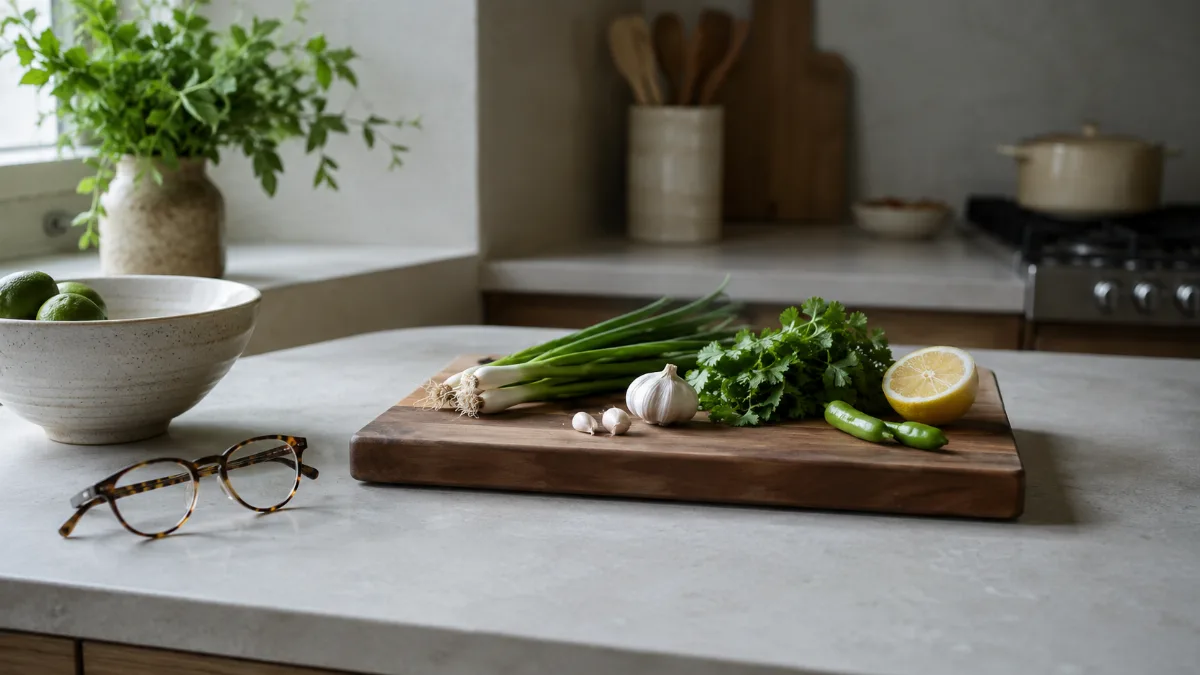
For example, if you planned spaghetti but realize you're out of garlic, add garlic. If you have all the ingredients for tacos but really want cilantro, add cilantro. Be ruthless. Stick to only what's missing.

This is where the money-saving magic happens. You're not buying duplicates, and you're not buying things "just in case." You're buying with purpose.

Step 6: Organize Your Pantry for Success (zone Defense)

Once you've done your inventory and brainstorming, it's time to put everything back – but with a plan. This isn't just about tidiness; it's about visibility and accessibility.

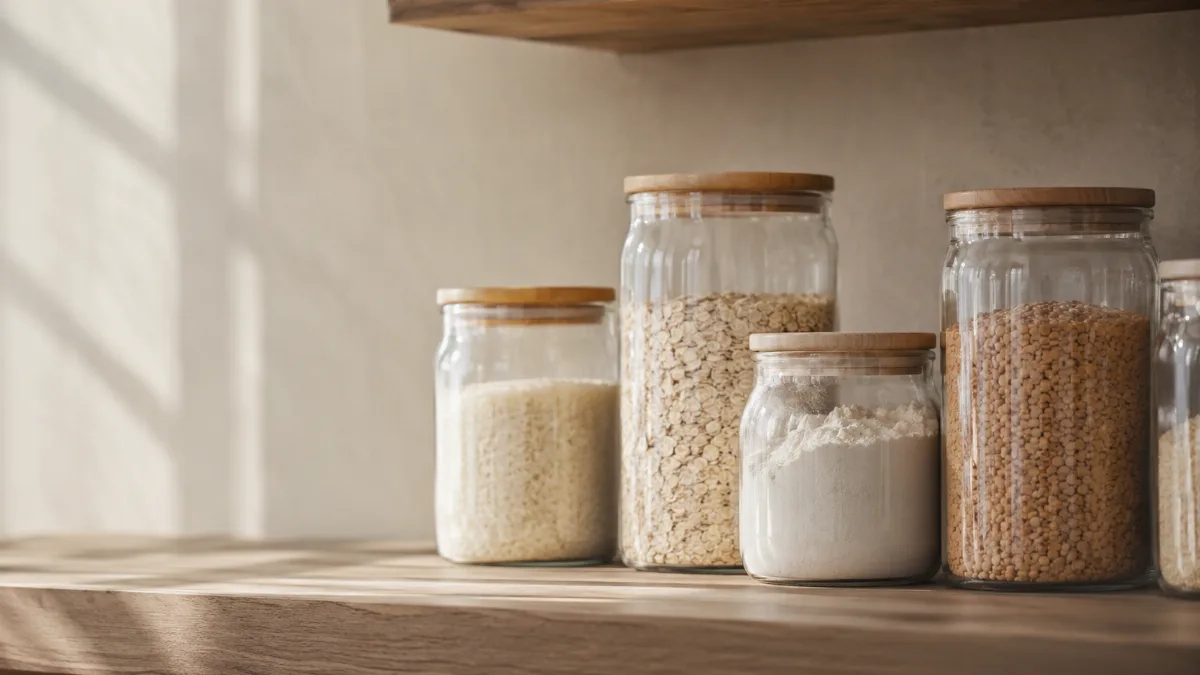
Group like items together. Baking supplies in one zone, pasta and grains in another, canned goods, snacks, etc. Use clear containers for dry goods like flour, sugar, and rice so you can easily see how much you have. Put items with earlier expiration dates towards the front (First-In, First-Out, or FIFO). This makes future inventory checks so much faster.

You don't need fancy bins, though I do love a good clear container. Even just designated shelves or sections can make a huge difference. When everything has a "home," it's easier to put it back and know what you've got.

Step 7: Check Your Freezer and Fridge Too

Seriously, don't forget these powerhouses of forgotten food. Your freezer is likely packed with proteins, frozen veggies, and sometimes even random leftovers you swore you’d eat. Your fridge is probably holding half-used condiments, wilted greens, and dairy.

These are all part of your "pantry" for shopping purposes. Pull out that frozen chicken, see if those sad-looking peppers can still be salvaged for a stir-fry. Knowing what's in these spots is just as important as knowing what's in your dry goods cabinet.

I set aside time each week to quickly scan these two spots before I even open my pantry. It's usually where I find the inspiration for at least one meal.

Step 8: Make a "use Me First" Basket

This is a game-changer for reducing waste. Designate a small basket or bin in your pantry or fridge (or both!). Any items that are nearing their expiration date, or open packages that need to be used up quickly, go in this basket. Place it front and center.

When you're trying to figure out what to cook, make it a rule to check the "Use Me First" basket first. That half-bag of spinach, the yogurt that expires tomorrow, the sad little lemon. Those are your priority ingredients. This simple trick has saved me from tossing so much perfectly good food.

Making It Stick / Common Mistakes

Let's be real, new habits are hard. Especially when you're tired and juggling a million things. It's easy to get excited about shopping your pantry for a week, and then fall right back into old patterns. I've done it more times than I can count.

One of the biggest mistakes I made early on was trying to do too much, too fast. I'd try to plan out every single meal for two weeks, empty every single cupboard, and then burn out by Tuesday. Don't do that to yourself, mama.

Another common trip-up is not including the fridge and freezer in your inventory. You might think you're out of chicken, only to find three packs buried under frozen peas. Or you buy another jar of salsa because you forgot about the one already open in the back of the fridge. Those hidden treasures (or horrors) really mess with your system.

Also, don't let perfect be the enemy of good. Your pantry doesn't have to look like a magazine spread. It just needs to be functional enough for you to know what's in it. If you slip up, if you buy something you already have, it's not a failure. It's a reminder to be more diligent next time.

You can't buy your way out of a cluttered pantry. You have to eat your way out. It’s a process, not a one-time clean-out.

The key to making it stick is consistency, even if it's imperfect consistency. Make it a weekly ritual, perhaps before you even start thinking about your weekly meal plan. A quick 10-minute scan of your inventory is better than no scan at all.

And involve your family, if they're old enough. My kids actually get a kick out of helping me find things for the "Use Me First" basket. It makes them feel like they're part of the team, and sometimes they even suggest meals from our existing stash.

Frequently Asked Questions

What if I have Picky Eaters?
Oh, the picky eater struggle is real. Been there, still there. When shopping your pantry, focus on staples your picky eaters do consistently eat, even if it's just plain pasta or rice. Then build around those. You can also involve them in brainstorming – sometimes if they "help" decide, they're more likely to eat it.
How Often Should I do This Full Pantry Inventory?
I recommend a full, everything-out-on-the-counter inventory about once every three months, or even just twice a year. For weekly grocery shopping, a quick visual scan of your pantry, fridge, and freezer, combined with checking your "Use Me First" basket, is usually enough to guide your meal planning.
Isn't It Faster Just to Make a Grocery List from Scratch?
It might feel faster at first, especially if you're used to doing it that way. But think about the time you save later: fewer trips to the store for forgotten items, less time staring blankly into the fridge, and less money spent. Over time, it definitely saves you mental energy and actual minutes.
What if My Pantry is Tiny and Disorganized Already?
A small pantry is actually even more reason to shop your pantry! You have limited space, so every item needs to earn its spot. Focus on vertical storage, clear containers, and ruthless decluttering of expired or unused items. A small space benefits hugely from knowing exactly what's in it.
How Long does This Whole Process Take Initially?
The very first time you do a full clean-out and inventory (Step 2 & 3), plan for 2-3 hours, depending on how big your kitchen is and how much stuff you have. It's a project. But after that, the weekly "shopping" process can be as quick as 15-30 minutes, which is totally doable.
Is This Worth It for Small Families or Single Moms?
Absolutely! The principles of reducing food waste and saving money apply to everyone, regardless of family size. In fact, for single moms, every penny saved and every minute not spent at the grocery store is even more impactful. It's all about making your resources work harder for you.

The Bottom Line

Shopping your own pantry isn't about deprivation or living on ramen noodles (unless you want to, no judgment). It's about being intentional with your food, your money, and your time. It’s about recognizing the resources you already have in your home and using them to their fullest potential.

It won't be perfect every week. Some weeks you'll nail it, and some weeks you'll still find yourself ordering that lukewarm pizza. And that's okay. Just start small. Pick one meal to make entirely from your existing stash. Do a quick 10-minute scan before your next grocery run. Every little bit helps.

You've got this, mama. Go check your cupboards and see what deliciousness is waiting. ❤️