
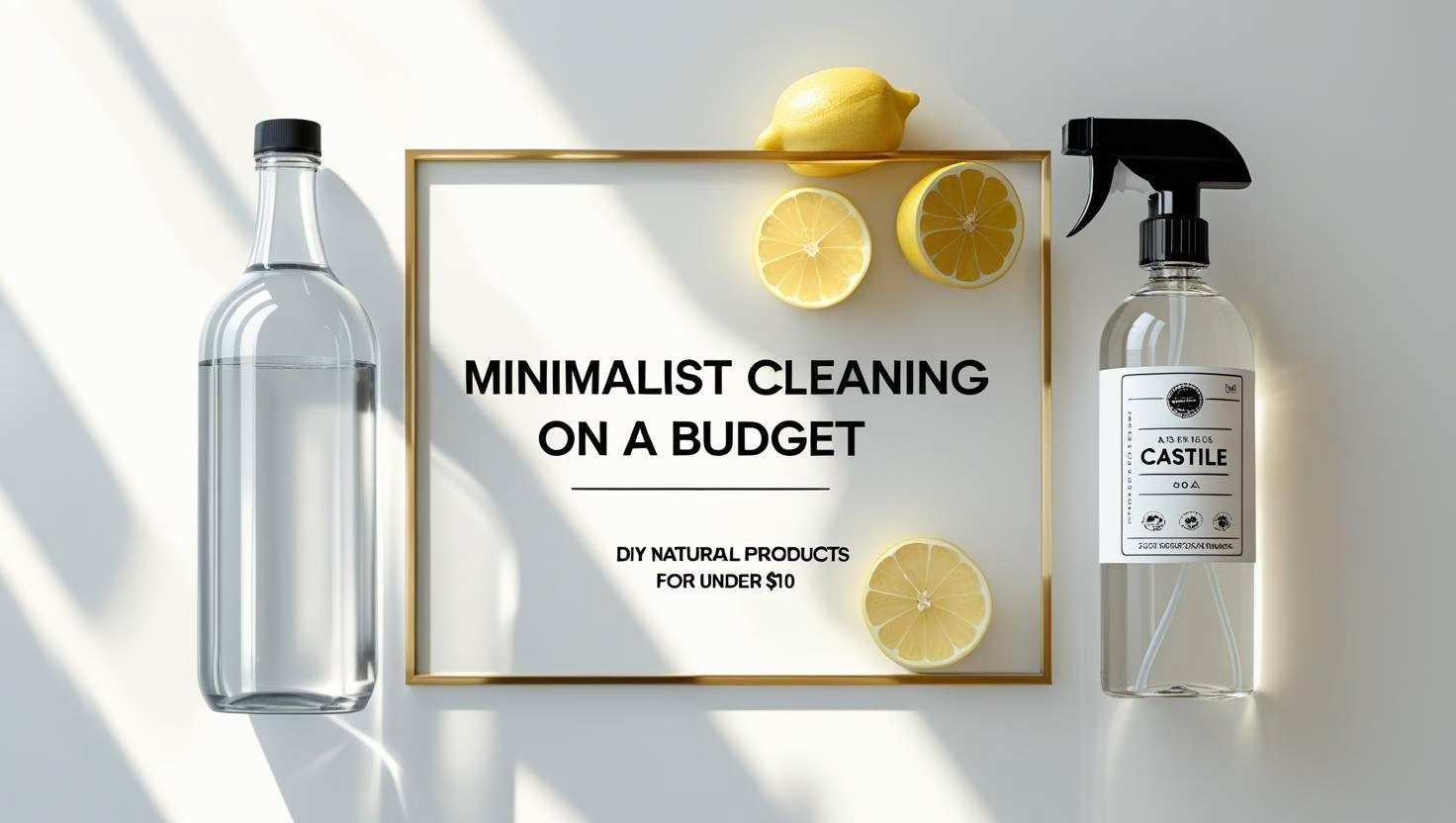

A standard cleaning cabinet holds eight to twelve products — one for each surface, each room, each specific use. The marketing logic is tidy: build a product for every problem, sell a product for every problem. The chemistry is far simpler. Almost every household cleaning job comes down to three mechanisms: acid to dissolve mineral deposits and cut light grease, mild abrasion to scour without scratching, and surfactant — plain soap — to lift and suspend dirt so it rinses away. Three inexpensive ingredients cover all three. The main thing the acid fights is hard-water scale, the calcium and magnesium buildup the USGS explainer on water hardness lays out in detail.
Three Ingredients, Three Jobs
White distilled vinegar is a 5% acetic acid solution. It dissolves mineral deposits — hard-water stains, soap scum, lime scale — kills some bacteria and mold on contact, and cuts light grease. It struggles with heavy grease and shouldn't sit on porous surfaces that absorb acid. It isn't a hospital-grade disinfectant; it's a cleaner and light sanitizer, which is enough for most day-to-day surfaces. A gallon runs about $3 to $4 and replaces several specialty sprays.
Baking soda (sodium bicarbonate) is a mild abrasive and odor absorber. Dry, it scours without scratching. Mixed with water into a paste, it becomes a scrubbing compound for grout, tile, sinks, and tubs. It boosts detergent in hard water and neutralizes drain odors. On its own it won't cut grease and won't disinfect. A four-pound box costs $3 to $5.
Castile soap is a plant-oil soap — usually olive and coconut — without synthetic detergents or foaming agents. Diluted, it cleans floors, surfaces, and even produce. A concentrated pint (the Dr. Bronner's style) runs $8 to $12 and produces gallons of working cleaner; a single pint lasts most households months.
Four Recipes That Cover Most of the House
None of these require precision. The ratios are forgiving, the ingredients are cheap enough that a mistake costs pennies, and you can mix them in the containers you already have. Start with the all-purpose spray — it handles the largest share of routine wiping — and add the others as the specific need comes up rather than making all four at once.
All-purpose spray
Equal parts white vinegar and water in a spray bottle, plus an optional 10 to 15 drops of essential oil (tea tree adds a mild antimicrobial punch). Use on counters, stovetops, sinks, and bathroom surfaces, then wipe. Keep it off natural stone — vinegar etches marble and granite over time.
Scrubbing paste
Roughly three parts baking soda to one part liquid castile soap, mixed to a paste. Apply to tubs, tile, and sink basins, scrub, and rinse well. The soda abrades; the soap lifts grime. This replaces commercial scrubbing powders and soft-scrub products.
Floor cleaner
A few tablespoons of castile soap in a bucket of warm water. Mop tile, linoleum, or sealed hardwood (use it sparingly and rinse). Skip the vinegar spray on wood — repeated acid can dull the finish.
Drain deodorizer
Half a cup of baking soda down the drain, chased with half a cup of vinegar. The fizz loosens light buildup and neutralizes odor; wait five minutes and flush with hot water. It maintains a free-flowing drain but won't clear a real blockage.
What DIY Cleaners Won't Do
Honest accounting matters, because these three ingredients don't replace everything.
Heavy grease: a kitchen that cooks often needs a real detergent degreaser for the stovetop and hood filter. Very hot castile solution handles moderate buildup; caked grease needs more.
Toilet rings and severe lime scale: an established hard-water ring inside the bowl needs a stronger acid than 5% vinegar. Commercial bowl cleaners (typically citric or hydrochloric acid) clear it faster.
True disinfection after illness: vinegar and baking soda aren't hospital-grade disinfectants. After a norovirus or serious flu event, a diluted bleach solution or an EPA-registered disinfectant is the right call.
Glass and mirrors: the vinegar spray does clean glass, but it can streak on a humid day. A splash of the diluted castile solution wiped with a lint-free cloth or crumpled newspaper gives a cleaner finish, and neither costs more than a few cents per use. The point isn't that DIY fails here — it's that a five-second technique adjustment matters more than the product.
The honest framing is that three ingredients replace maybe eighty to ninety percent of a typical cleaning cabinet. The remaining ten to twenty percent — a degreaser, a stronger toilet acid, a real disinfectant for illness — is worth keeping as one or two targeted products rather than pretending vinegar does everything.
Bottles, Labels, and the Refill Routine
The full kit is two spray bottles (new or repurposed), one box of baking soda, one gallon of vinegar, and one pint of castile soap — under $20 the first time you buy everything, and a few dollars a month after that. Cheap plastic sprayers last six to twelve months before the trigger fails; two or three glass spray bottles ($3 to $6 each at most home-goods stores) hold up indefinitely and don't leach into the solution.
Labeling is the step people skip and regret. Mark each bottle with its contents, dilution ratio, and safe surfaces. A squirt of baking-soda scrub on granite, or a mist of vinegar on marble tile, creates a problem a label would have prevented. Keep the vinegar gallon and a marked fill line near the sink so refills take 30 seconds and no measuring.
Hard Water Needs a Tweak
Hard water — high in calcium and magnesium — brings its own problems: spots on glassware, scale on faucets and showerheads, buildup around drains. Vinegar handles most of them better than commercial sprays. Soaking a showerhead in undiluted white vinegar overnight dissolves scale that won't scrub off. For toilet rings, a weekly swish of diluted vinegar before deposits set is far easier than removing established buildup later.
Very hard water also changes the recipes slightly: the vinegar spray works harder, so a slightly stronger mix (three parts vinegar to two parts water) cuts scale faster on faucets and glass. Prevention beats removal every time — a quick wipe of the shower door after use, before minerals dry, keeps the weekly scale from ever building into the kind of crust that needs an overnight soak.
If your water leaves white spots within hours of drying, a water softener is the structural fix — but that's a home-infrastructure decision, not a cleaning-product one.
What It Costs Over a Year
A household on commercial products typically buys all-purpose spray, bathroom spray, glass cleaner, toilet-bowl cleaner, scrubbing powder, floor cleaner, and drain treatment — each $3 to $7, replaced two to four times a year, for roughly $80 to $180 annually. The DIY version runs a gallon of vinegar ($3 to $4, three or four times a year), baking soda ($3 to $5 every month or two), and a pint of castile soap ($8 to $12 every four to six months): roughly $30 to $55 a year. The $50-to-$125 gap repeats every year, with less plastic packaging and less cabinet space spent along the way.
See also: the only cleaning supplies you actually need and a minimalist cleaning routine for working parents.
Three ingredients, priced:
| Ingredient | Cost | Covers |
|---|---|---|
| White vinegar (5% acetic) | $3–$4/gallon | several specialty sprays |
| Baking soda | $3–$5 for 4 lb | scrubbing jobs |
| Castile soap | $8–$12/pint | gallons of working cleaner, months of use |
| All-purpose recipe | 1:1 vinegar:water + 10–15 drops oil | hard toilet rings need a stronger acid |

Comments
No comments yet.