


Time spent alone and loneliness are not the same thing, though the language around them is often conflated. Loneliness is the painful discrepancy between the social connection you have and the social connection you want. Solitude is voluntary time alone, pursued by choice, and it produces fundamentally different effects than loneliness — including effects that researchers increasingly describe as necessary for sustained wellbeing rather than merely acceptable.
The Research on Intentional Solitude
A 2025 study published in the National Library of Medicine found that introversion itself didn't correlate with loneliness, particularly when solitude was chosen intentionally rather than experienced involuntarily. The key variable wasn't personality type or amount of time alone — it was agency. Solitude experienced as a positive choice produced positive outcomes; the same amount of time alone experienced as unwanted produced negative ones.
This finding matters because it undermines the assumption that people who spend significant time alone are either introverted by nature or socially excluded by circumstance. Many people who spend regular time alone do so because it produces something they can't access in social settings — a specific kind of mental state that requires the absence of other people's demands on attention.
What Solo Time Actually Produces
The brain processes information differently in social contexts than in solitary ones. Social interaction requires continuous monitoring of others' states, maintaining conversational threads, adjusting self-presentation, and processing incoming social signals — all of which draw on executive function and attentional resources. Solitude removes these demands.
The default mode network — the brain region associated with self-referential thought, memory consolidation, perspective-taking, and creative problem-solving — activates more fully during states of low external demand. This is why insights, solutions to problems, and creative ideas occur disproportionately during walking, showering, or other low-demand solitary activities. The brain isn't idle in these states; it's processing in a mode that sustained social and task engagement suppresses.
Regular solitary time allows this processing to happen consistently rather than only during incidental gaps. People who build deliberate solo time into their schedules report clearer thinking, more settled emotional states, and better quality social interaction when they do engage with others — not because they've withdrawn, but because they're returning to social contexts from a less depleted baseline.
Solo Time vs. Isolation
The distinction between productive solitude and problematic isolation is primarily about choice and about the direction of the trend. Regular intentional solo time maintained alongside genuine social connection is beneficial. Progressively increasing time alone paired with declining social interest, difficulty rejoining social situations after time away, or distress during social contact suggests something different from healthy solitude.
Solitude used to avoid situations that cause anxiety, rather than to rest and restore, is also different in effect from solitude chosen for its own positive qualities. Avoidance reduces anxiety temporarily and increases it over time by preventing the adaptation that would have occurred with sustained exposure. Genuine rest doesn't produce that pattern.
The useful question isn't how much time you spend alone but whether the time alone produces the outcomes associated with rest — clarity, restored energy, better quality engagement when you return to social contexts — or whether it produces the outcomes associated with avoidance.
Practical Ways to Build It In
Solo time doesn't require elaborate arrangements or large blocks of time. Twenty minutes in the morning before other household activity begins — no phone, no news, no immediate demands — is enough to establish a solitary baseline for the day. A lunchtime walk taken alone rather than with colleagues, a commute without audio input, an early morning or late evening period that's consistently reserved from other obligations.
The key variable is that the time is genuinely solo — not alone while consuming social content on a phone, which reproduces many of the attentional demands of social interaction while adding the physical sensation of isolation. Solo time with a phone present and active is not the same as solo time without one.
For parents of young children, genuine solo time requires logistics rather than just intention: a scheduled handoff so the other parent covers the household, a nap window used for actual rest rather than catch-up productivity. The logistics are worth arranging because the restoration they enable affects the quality of every other hour.
Reframing What Others Think
People who take regular solo time — a trip alone, an evening in rather than out, a lunch eaten by themselves — frequently encounter assumptions that this reflects social difficulty, depression, or exclusion. These assumptions are worth noting but not accommodating if the solo time is genuinely restorative.
The cultural norm in many contexts is that time spent alone is time that wasn't spent doing something more valuable. This framing gets the direction of cause and effect backward for many people. The solo time is what makes the social time, the work time, and the parenting time more fully present and functional. It's not a withdrawal from life — it's part of how certain kinds of people maintain the conditions for full engagement with it.
Creating a Culture of Solo Time in a Shared Household
For people in relationships or shared living situations, solo time requires some shared understanding rather than just personal scheduling. A partner who interprets solo time as rejection, disinterest, or avoidance will make it harder to maintain, regardless of how the time itself is structured.
The framing that tends to work: describing what the solo time produces ("I function better when I have some morning time alone before we talk") rather than what it avoids ("I need to get away from everything"). The former communicates a positive need; the latter communicates withdrawal.
Most people, once they understand that a partner's solo time improves the partner's presence during shared time, find it easier to support. The inverse also applies — recognizing that your partner has their own version of this need and accommodating it, rather than treating it as a comment on the relationship, produces an environment where both people's rest needs are met.
Boredom and Discomfort With Solitude
Many people who want more solo time find, when they get it, that it's uncomfortable — specifically, that the absence of external stimulation surfaces an internal restlessness that phone use, media consumption, or other input usually covers. This discomfort is real and doesn't indicate that solitude isn't what was needed.
The restlessness tends to pass after ten to fifteen minutes in most people, once the nervous system adjusts from the constant-input mode that characterizes most of modern life. People who practice regular solitude describe this as less pronounced over time — the adjustment period shortens as the mode becomes more familiar.
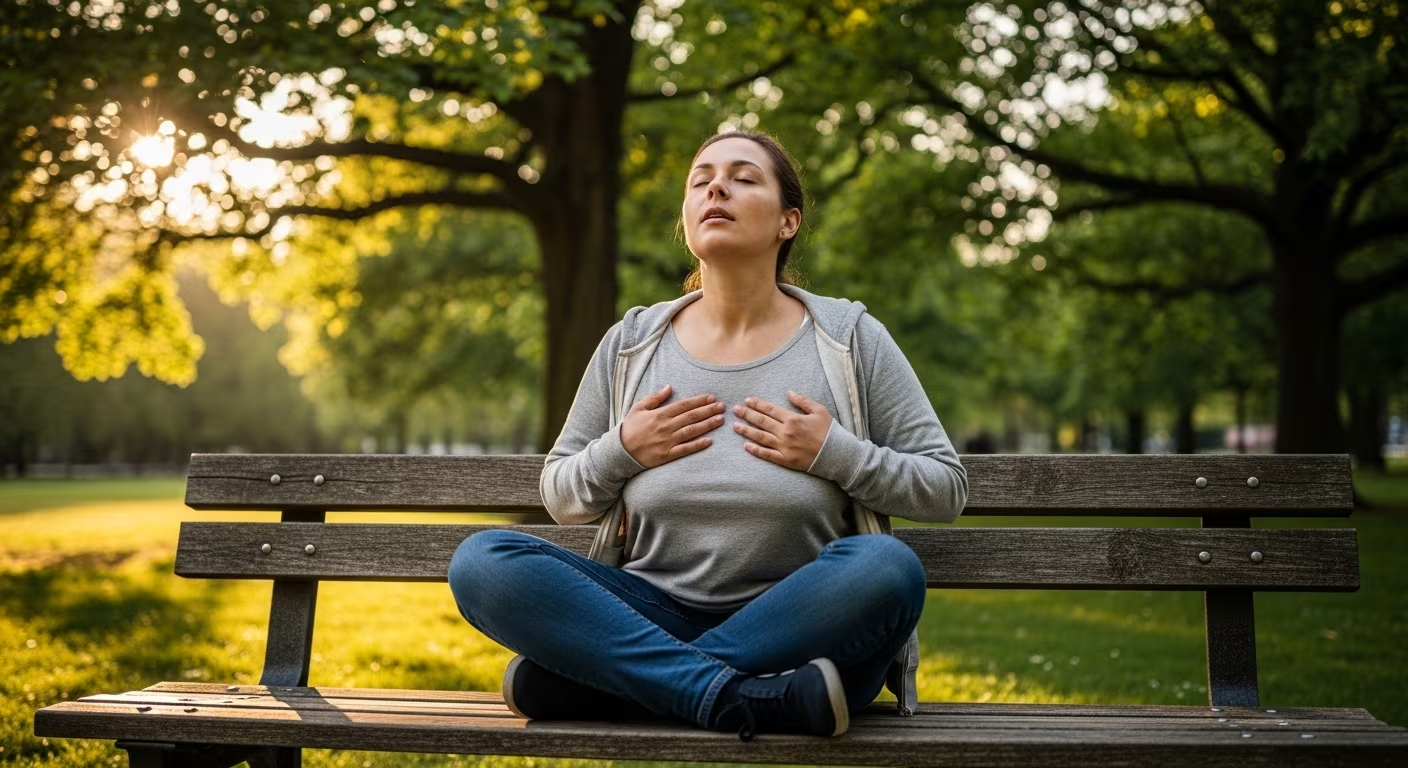
Sitting with the discomfort for the first several minutes, rather than filling it immediately, is the practice. What typically follows is either genuine rest, productive internal processing, or the recognition of what was actually concerning you underneath the busyness — all of which are more useful than whatever distraction was covering them.
Finally: the quality of the solo time matters as much as the quantity. Twenty minutes of genuinely low-demand, phone-free time produces more restoration than two hours with a phone nearby and the possibility of interruption present. The defining variable isn't duration — it's the degree of genuine separation from external demand, which allows the internal processing that rest actually requires.
Comments
No comments yet.