
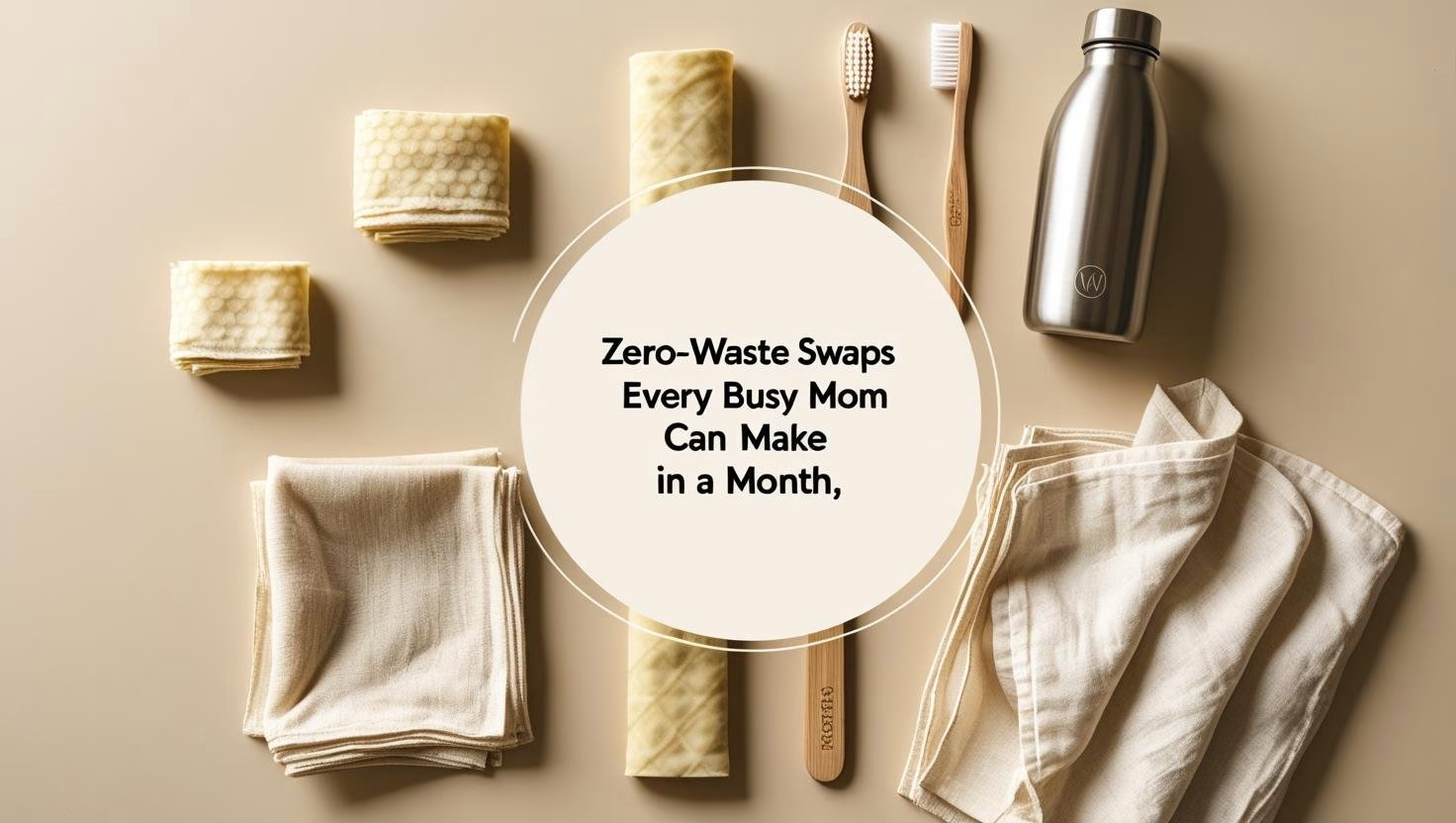

The zero-waste changes that fail are the ones that ask for more effort than what they replace. Reusable produce bags you have to locate and remember at every grocery trip. Bamboo toothbrushes that clean worse than the plastic ones. Cloth napkins that add a whole laundry category for no obvious benefit. Any swap that demands a real behavior change rarely survives a busy month with kids in the house.
The swaps that stick share one trait: the replacement is at least as convenient as the original, and often better. Bar soap doesn't leak in a bag and lasts longer per dollar than liquid. A refillable water bottle deletes a daily errand. A beeswax wrap covers most food storage jobs and wipes clean instead of getting thrown away. Build the month one swap at a time, easiest first, and let each one settle before adding the next.
Start in the Kitchen
The kitchen generates more daily waste than any other room, and three low-friction swaps cover most of it. Reusable mesh produce bags (roughly $8 to $12 for a set of five to eight) replace the flimsy plastic ones at the store. The only friction is remembering them, so keep them tucked inside your grocery totes or by the front door where they leave with you.
A bar of dish soap is the second win. Bars from brands like Meliora or Public Goods last around three months of everyday washing versus four to six weeks for a liquid bottle, and there's no plastic to recycle. You rub the bar on the sponge instead of squirting it. Third, a stack of ten to twelve cotton dish towels handles most of what paper towels do. Keep the paper roll for the genuinely gross jobs (draining bacon, pet accidents) and cut your usage in half first rather than going cold turkey.
The Bathroom, One Product at a Time
The bathroom holds the highest packaging density in the house, but you don't overhaul it in a weekend. Replace each product only as it runs out, and don't toss anything half-full. When the shampoo bottle empties, swap in a solid bar from Ethique, HiBar, or a refillable line. Some hair types need two to four weeks to recalibrate after the sulfates stop; if it still feels wrong after six weeks, that bar isn't for your hair, and that's fine.
Bar soap for body wash is the easy one: no plastic bottle, lower cost per wash, and the only new thing to manage is a small dish for the wet bar between uses. The safety razor takes a little nerve. A stainless handle runs about $15 to $30 once, and double-edge blades cost pennies each, so the per-shave cost drops sharply after the first month. The blades recycle as scrap metal. Expect a few extra nicks the first week while you learn the lighter angle. the Natural Resources Defense Council is a good place to verify the details.
On-the-Go and the Invisible Waste
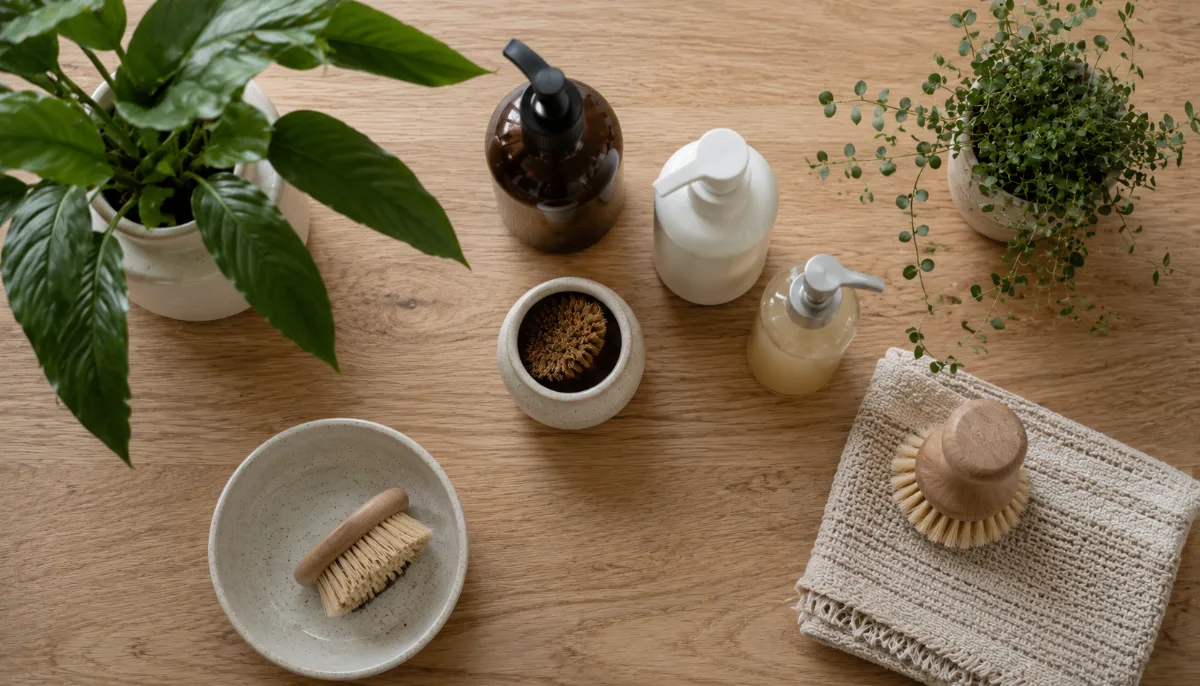
A 32-ounce stainless water bottle is the single highest-impact daily swap for anyone who buys bottled water; it can erase one to three bottle purchases a day and pays for itself within a few weeks. Beeswax wraps mold around bowls and cut vegetables when warmed in your hands, covering most storage jobs without the tear-and-toss cycle of cling film (they won't seal liquids or freeze well, so keep expectations honest). A set of four to six silicone bags, dishwasher-safe, retires the running purchase of sandwich bags after a box or two.
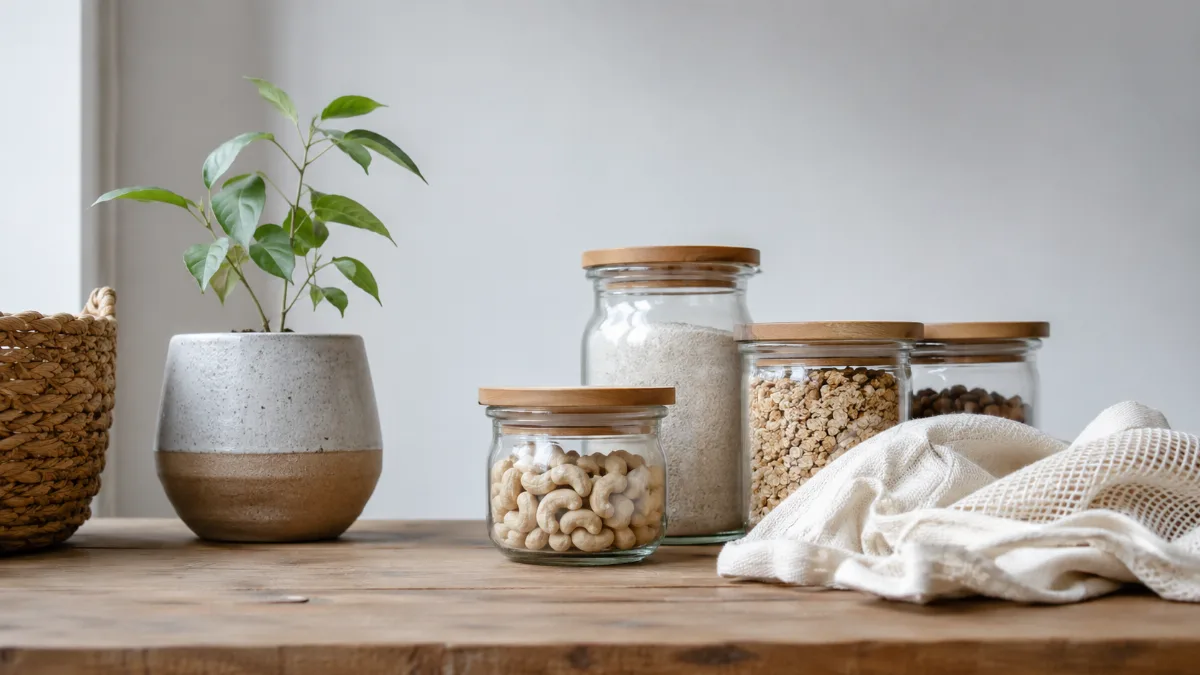
Then there's the waste you barely see. Most commercial cleaning sprays are mostly water; concentrated tablets or powder dissolved in a refillable bottle (Blueland, Grove Collaborative) do the same work with a fraction of the packaging and shipping weight. Opting out of catalogs through Catalog Choice and general junk mail through DMAchoice ends a daily paper stream after one registration. Switching utilities, banks, and insurance to digital billing removes another monthly stack you'd otherwise shred.
| Swap | Replaces | Rough upfront cost | Pays back in |
|---|---|---|---|
| Mesh produce bags (set of 5–8) | Plastic produce bags | $8–$12 | A few months |
| Bar dish soap | Liquid dish soap | Comparable per wash | Immediate |
| Safety razor + blades | Disposable cartridge razors | $15–$30 | 1–2 months |
| 32 oz reusable bottle | Bottled water | $20–$35 | 2–4 weeks |
| Silicone storage bags (4–6) | Disposable sandwich bags | $15–$20 | 1–2 boxes |
When a Swap Doesn't Work, and What a Year Adds Up To
Not every swap fits every household, and dropping one doesn't undo the rest. Shampoo bars genuinely don't suit some curly or chemically treated textures; if hair quality drops after six weeks, stop, and know the eleven working swaps still count. Cloth napkins mean laundry, which is free if you already wash kitchen linens and a real cost if you'd add a whole cycle for them. The zero-waste choice isn't always the ideologically pure one, and high-quality paper napkins can be the smarter call.
Run the whole set for a year and the numbers land where they matter. A daily bottle-buyer skips hundreds of plastic bottles; bar soap and shampoo bars each cut a handful of containers per person. The recurring-purchase savings for a two-adult household usually fall somewhere around $80 to $150 a year. Pick the kitchen three this week, live with them until they feel automatic, and only then move to the bathroom shelf.
See also: apartment composting and zero-waste kitchen.
Comments
No comments yet.