
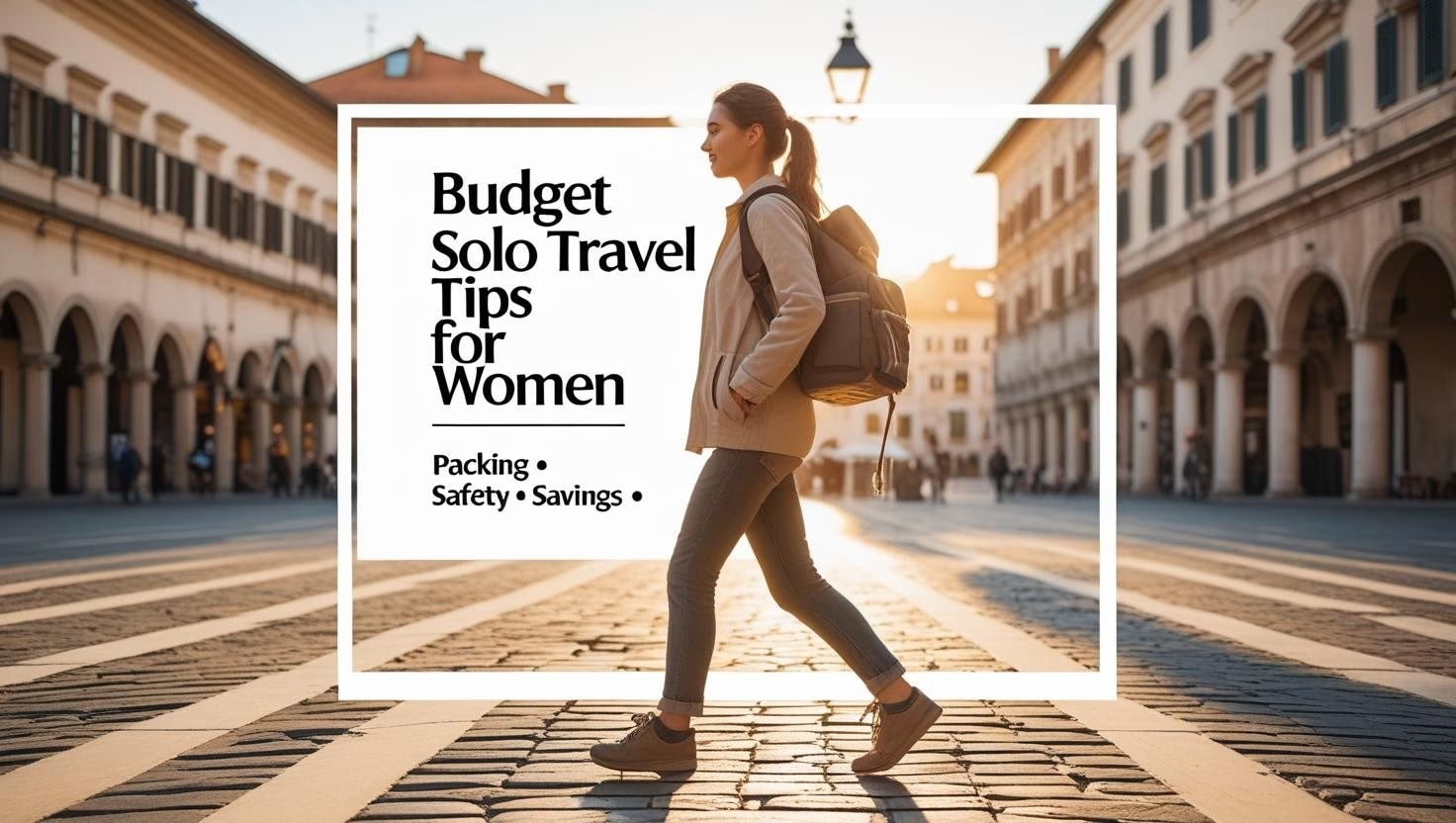

Budget solo travel for women is not a fundamentally different activity from solo travel in general. The costs, the logistics, and most of the strategies are identical. What's different is a layer of additional considerations — around safety, accommodation, and social infrastructure — that reward planning for specifically rather than improvising once you're there. The U.S. State Department's guidance for women traveling abroad covers the official baseline; this is the practical version, built around keeping costs low without cutting the corners that matter.
None of this argues that solo female travel is uniquely dangerous. It isn't, and millions of women travel alone every year across every kind of destination without incident. It's an acknowledgment that a bit of contextual awareness and specific preparation makes the trip more comfortable, more confident, and genuinely safer — and that most of that preparation costs nothing.
Accommodation That Balances Cost and Safety
Hostels are the default budget recommendation, and they work well for solo travelers who want social contact at a low price. A few specifics are worth knowing. Female-only dormitories exist at most major hostels and add little or nothing over a mixed dorm — worth requesting directly rather than assuming they're available. Recent reviews from other solo women surface exactly what a listing won't: which places have a genuinely social, safe atmosphere, which have security problems, and which are more isolating than the photos suggest.
Guesthouses and small locally owned hotels in the budget range often match or beat mid-range hostel prices while giving you a private room, a personal connection to the hosts, and a quieter kind of safety — you're known to the staff by name and room number. When you weigh any option, location relative to how you'll get back at night matters as much as the nightly rate. The cheapest bed at the end of a long unlit walk after 8 p.m. is not the cheapest bed once you price in the taxi you'll take instead.
The Packing List Adjustment
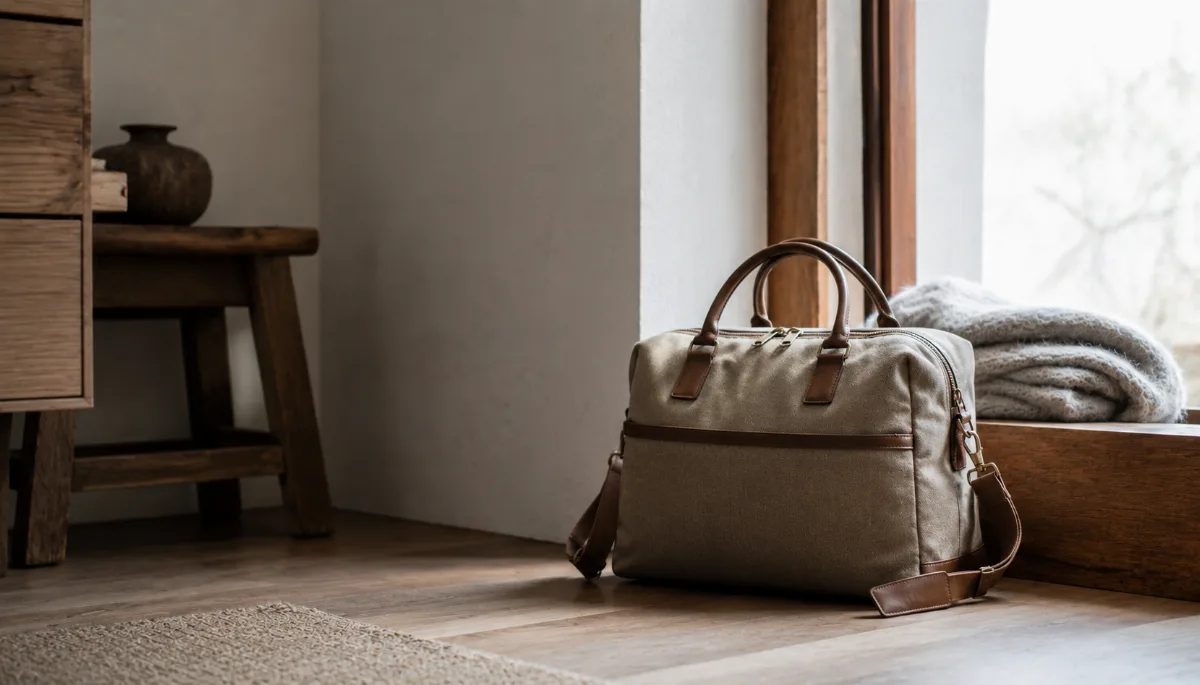
Packing for solo travel as a woman doesn't look dramatically different from general minimalist travel — it's a handful of additions. A doorstop alarm, $5 to $10, wedges under a door from the inside and sounds if the door is forced; it weighs almost nothing and addresses one of the most common accommodation worries directly. A headlamp beats a phone flashlight anywhere electricity is unreliable or you're camping, and it keeps both hands free. A scarf or sarong earns its place several times over: shade in hot climates, coverage for religious sites, warmth on cold overnight transport, and a beach layer, all in one light piece.
Context-appropriate clothing varies by destination. Many places hold conservative expectations at religious sites and in traditional neighborhoods that differ sharply from beach or resort norms. Packing one loose layer — the sarong, a light linen shirt, loose trousers — that respects local context is both practical and cheaper than being turned away from a site you traveled to see and having to buy a cover-up at the gate.
Building Safety Infrastructure Before You Go
Safety for solo travel is mostly informational and preparatory, not equipment-based. Share your itinerary with someone at home in enough detail that your rough location is known on any given day, and agree on a check-in cadence before you leave. This isn't constant communication — it's a system where someone would notice quickly if contact stopped. Download offline maps before arrival; both Google Maps and Maps.me support offline regions, and navigation that works without data is useful in any solo context, not just an emergency.
Research the destination's specifics before you land. Travel forums and firsthand accounts surface current detail on particular neighborhoods, transport options, and cultural expectations that a general guidebook flattens or leaves out. Ten minutes reading recent posts about the exact area you'll stay in is worth more than a chapter of published overview written two years ago.
Communities That Change What's Possible
The solo female travel community online is large and active, and it functions as both a safety net and a cost-saver. Women-specific travel groups on social platforms connect you with people who have recent, firsthand experience of a particular place, and the quality of the advice tends to be high — current, specific, and from people who did exactly what you're planning. These groups also open practical doors: travelers in the same city at the same time, local women willing to meet for coffee and share neighborhood knowledge, and informal networks for everything from accommodation tips to a hiking partner for a specific trail.
Platforms with community verification add another layer of vetting. Couchsurfing runs women-specific hosting networks, and review systems on travel apps surface other women travelers' experiences rather than generic ratings. Used together with the safety habits above, these connections turn a solo trip into something closer to traveling with a distributed set of people looking out for you.
Reading a Destination Before Arriving
The social context of a place — appropriate dress, what's expected of tourists, which areas are active and welcoming at which hours, the common solo-travel snags at that specific spot — is available from sources far more current than published guidebooks. Women-focused travel communities, particularly dedicated Facebook groups and travel-focused subreddits, have active participation from people who were in a given destination recently. Searching within them for recent experiences at the place you're headed surfaces firsthand information no guidebook captures.
Local women's perspectives are reachable too, through apps and communities that connect travelers with local hosts or guides. Beyond the tour-guide function, those connections deliver neighborhood-level knowledge: which streets are well-lit at night, which transit routes feel uncomfortable at certain hours, and which areas are genuinely welcoming rather than merely tourist-tolerant. That distinction rarely shows up in official material and is exactly the kind of thing that makes the difference between a comfortable evening and an uneasy one.
Getting Around Without Overpaying or Overexposing
Transport is where budget and safety intersect most directly, because the cheapest option and the safest one aren't always the same, and the goal is to know when to pay the small premium. During the day, public transit is almost always the cheapest and perfectly comfortable choice, and buying a multi-day transit pass on arrival usually beats single fares while saving you from fumbling for change at every stop. After dark, or arriving somewhere unfamiliar for the first time, a registered taxi or a ride-hailing app is worth the few extra dollars — the app's logged route and driver record are part of what you're paying for, not just the ride.
A few habits make either option smoother. Screenshot your accommodation's address in the local language before you set out, so you can show a driver without relying on data or pronunciation. Sit near the driver or near other people on quiet late-night transit rather than in an empty carriage. When you take a ride-hailing car alone, share the trip status with your check-in person — most apps have a one-tap share link — so your route is visible in real time. And keep just enough small local cash accessible for a fare without opening a wallet full of cards in public. None of this costs meaningful money; it's the same principle as the rest of the trip, where a little forethought buys a lot of ease.
The Budget Reality for Solo Travelers
Solo travel carries one unavoidable budget disadvantage: no one to split accommodation with. A double room that would cost $25 a head with a partner costs the full $50 alone, and that gap compounds over every night of a trip. The strategies that close it are the familiar ones applied harder — hostels with private rooms priced below hotels, longer stays that let weekly rates amortize the fixed cost, cooking at accommodations with a kitchen, and slower travel that cuts the number of paid transport legs across a given period.
The honest summary is that a solo traveler on a budget works harder at accommodation and food costs than a traveling pair does. What she gets in return is a different kind of trip — total control over the itinerary, the pace, and the choices — which many people find worth the premium once they've done it. The savings levers are real; they just require more deliberate use.
Financial Safety on the Road
Traveling alone means you're responsible for all your own finances, with no backup person to cover a lost or compromised card. Three preparations handle most of what can go wrong. Carry two payment methods from two different banks and keep them physically separate — if a wallet is stolen, the backup card in the hotel safe still covers the return flight and the immediate emergency, and if one bank freezes a card over a fraud flag, the second is available right away. Keep a small amount of local cash on hand at all times, enough for a taxi back to your accommodation and a meal, because electronic payment infrastructure fails periodically, especially in smaller towns or during outages.
Finally, store digital copies of every card — numbers, expiry dates, and the issuing bank's emergency line — somewhere cloud-accessible and separate from the physical cards, because reporting a stolen card requires its number, which you won't have memorized. Set these three up before departure and a stolen wallet becomes an inconvenience rather than a trip-ending crisis. That's the pattern across all of this: the preparation is cheap and mostly free, it happens before you leave, and it's what lets the trip itself stay relaxed.
See also: 25 budget travel tips and cheap minimalist travel hacks.

Comments
No comments yet.