

The pantry that produces weeknight cooking stress comes in two forms: completely empty, with nothing to work from, or completely full but unusable — packed with ingredients that don't combine into anything you'd want to eat tonight. The capsule pantry is neither. It's a curated set of 30 to 40 staples chosen specifically because they combine with each other and with a few simple fresh proteins and vegetables to yield a real week of meals rather than a shelf of ingredient fragments with gaps between them.
The Capsule Pantry Concept
The word "capsule" borrows directly from capsule wardrobe thinking: a small set of versatile pieces that mix with each other and with a rotating handful of fresh additions. The pantry works the same way. Thirty to forty permanent staples meet the week's fresh protein and produce to make five or more distinct dinners without any single ingredient carrying the whole meal.
There's a simple test for whether yours is calibrated. Open the pantry alongside a refrigerator holding one protein and two vegetables — can you build a complete dinner with no recipe? If yes, the base is working. If you still have to look up a recipe and then find you're missing three of its six ingredients, the pantry is stocked but not composed. The difference isn't quantity; it's whether the items were chosen to combine.
The 30-to-40 range isn't arbitrary. Below about 30, the combinations run out and cooking starts to depend on a fresh shop; above 40, the shelf drifts back toward the overstuffed state where single-use bottles and one-recipe purchases pile up and expire unseen. Thirty to forty is the band where nearly every item pulls its weight across multiple dishes, which is the whole point of building around versatility rather than variety.
Grains and Legumes (8–10 Items)
The grain and legume base is the caloric foundation. These items cost very little, keep for a year or more, and pair with nearly any protein and vegetable. White and brown rice (or just one, if you have a clear preference). Dried lentils — red lentils cook in about 20 minutes with no soaking; green and brown take longer but hold their shape for salads and sides. Chickpeas, canned for speed or dried for lower cost and better texture. Pasta in two shapes covers most applications: a long strand such as spaghetti or linguine, and a short shape such as rigatoni or penne. Rolled oats for breakfasts, and quinoa as the higher-protein stand-in for rice.
A useful rule of thumb: a $1.50 bag of dried lentils and a $2 bag of rice together underwrite four or five dinners, which is why this shelf is where the pantry earns its cost-per-meal reputation.
Canned Goods (6–8 Items)
Canned goods are the pantry's emergency infrastructure — the shelf that produces a meal when the fresh plan falls through. Whole or crushed tomatoes are the single most valuable can, the base of pasta sauces, soups, braises, and shakshuka; keep two or three on hand, since they empty fastest. Canned coconut milk unlocks curries, soups, and rice cooked in coconut milk. Keep white beans and black beans in addition to any chickpeas — a rinsed can of beans is a five-minute protein for a grain bowl or a quick blitz into a dip. A tin of tuna or sardines is a complete protein that needs almost no cooking. And a low-sodium vegetable or chicken broth carries soups and gives grains something more interesting than water to cook in. A small tin of anchovies is the optional wildcard: two fillets melt invisibly into a tomato sauce and deepen it in a way nothing else on the shelf does.
Oils, Acids, and Condiments (6–8 Items)
This is the flavor infrastructure that turns a grain and a protein into something people actually want to eat. Olive oil as the everyday cooking oil, plus a neutral oil — avocado or grapeseed — for higher-heat work where olive oil starts to smoke. Soy sauce or tamari reaches across marinades, stir-fries, and anywhere you'd otherwise add salt but want umami depth too. Apple cider vinegar and rice vinegar cover most dressings and quick pickles. A small bottle of fish sauce adds savory depth to almost anything and lasts for months. Dijon mustard rounds it out for dressings and marinades. Buy the acids and specialty oils in the smallest sensible bottle: they're used by the spoonful, and a large bottle of nut or seed oil often turns rancid before a small kitchen finishes it, which is its own quiet form of waste.
Spices and Aromatics (8–10 Items)
The goal here is a curated selection, not a 40-bottle spice rack where two-thirds have gone stale. Salt in two forms — fine for cooking and flaky for finishing. Black pepper. Cumin, ideally both ground and whole seeds. Smoked paprika, dried oregano, red pepper flakes, and cinnamon. Garlic powder for the times fresh garlic isn't on hand.
Fresh aromatics rotate in with the grocery run rather than living on the shelf. Buy garlic weekly; keep onions and shallots semi-permanently, since they last for weeks; and pick up ginger roughly monthly — a knob keeps three to four weeks in the refrigerator and far longer in the freezer, where you can grate it straight from frozen. Ground spices lose potency within a year of opening, so buy them in small jars rather than warehouse-sized containers, and buy whole cumin and pepper where you can — a quick toast in a dry pan revives them in a way pre-ground powder never matches. The aim is a shelf where every jar still smells like something, not a rack of a dozen faded bottles you keep out of habit.
Sweeteners and Finishing Items
A short shelf handles the sweet and finishing notes. Honey works as both a sweetener and an emulsifier for dressings and marinades. Pure maple syrup covers breakfast and glazes. Balsamic vinegar finishes salads and reduces into a glaze for roasted vegetables. Between these and the soy sauce already on the acids shelf, the pantry can hit sweet-salt balance without a drawer of single-use bottles.
Five Dinners From the Base
The point of the whole exercise is what the shelf produces on a Tuesday. With one protein and a couple of vegetables from the fridge, the same 30-to-40-item base yields a rotating week: a pasta with canned tomatoes, garlic, and olive oil; a red-lentil dal built on coconut milk, cumin, and smoked paprika; a grain bowl of rice or quinoa with roasted vegetables and a soy-and-rice-vinegar dressing; a white-bean and greens soup started from broth and finished with olive oil; and a quick stir-fry over rice using soy sauce, ginger, and whatever vegetable is on hand. None of those requires a special trip — they're recombinations of the same base, which is exactly why a composed pantry lowers the weeknight stakes.
Notice what the five dinners have in common: each leans on the pantry for its structure and the fridge for one or two accents. That ratio is the working definition of a capsule pantry doing its job. When the base is right, a missing ingredient rarely cancels dinner — it just shifts which of the five you cook. Run out of coconut milk and the dal becomes a tomato-braised lentil instead; the meal still happens because the shelf holds more than one path to it.
Building the Pantry Over a Month
The capsule pantry doesn't require a $200 shopping run to assemble. The practical approach is a four-to-six-week build where each ordinary grocery trip adds two or three staples from the current gaps. Week one, fill the grain base — a bag each of rice, lentils, and pasta covers the foundation. Week two, close the canned-goods gaps: whole tomatoes, coconut milk, and two kinds of beans. Week three, oils and acids — olive oil, soy sauce, rice vinegar. Week four, the spice base — cumin, smoked paprika, red pepper flakes, dried oregano.
At roughly $15 to $25 of pantry spend per week for a month, the total build usually lands between $40 and $70. After that, most items restock monthly or less often; the weekly run narrows to fresh protein, produce, and dairy, and the pantry supplies everything else.
Storage and Rotation: First In, First Out
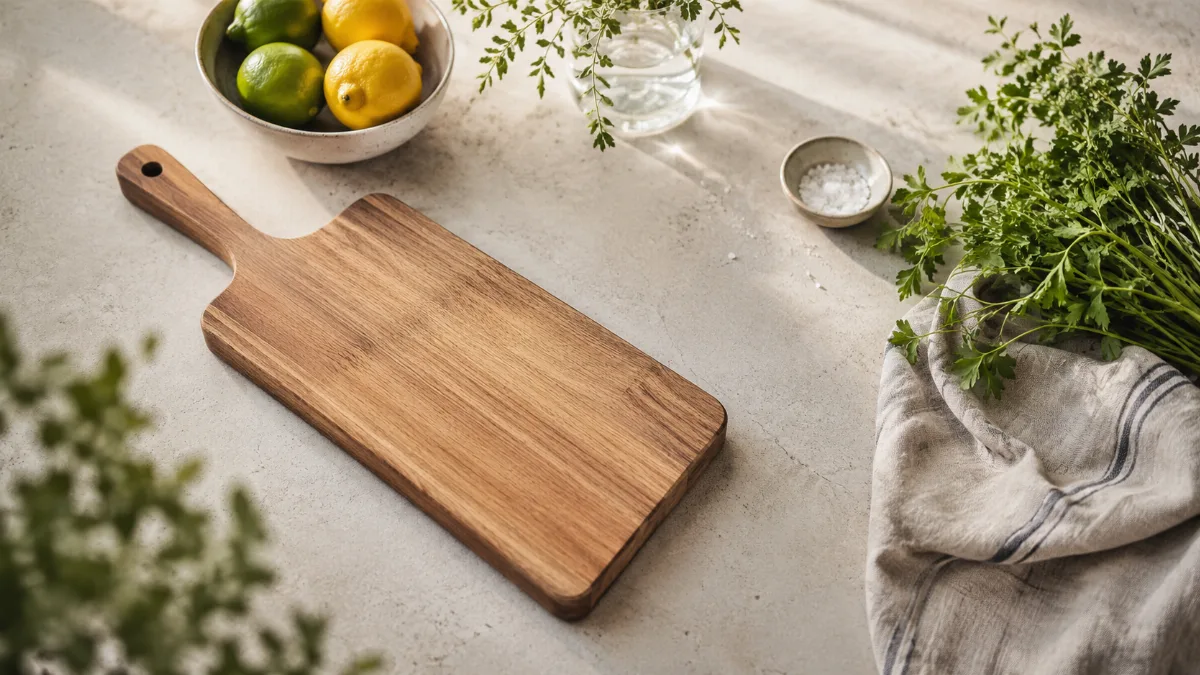
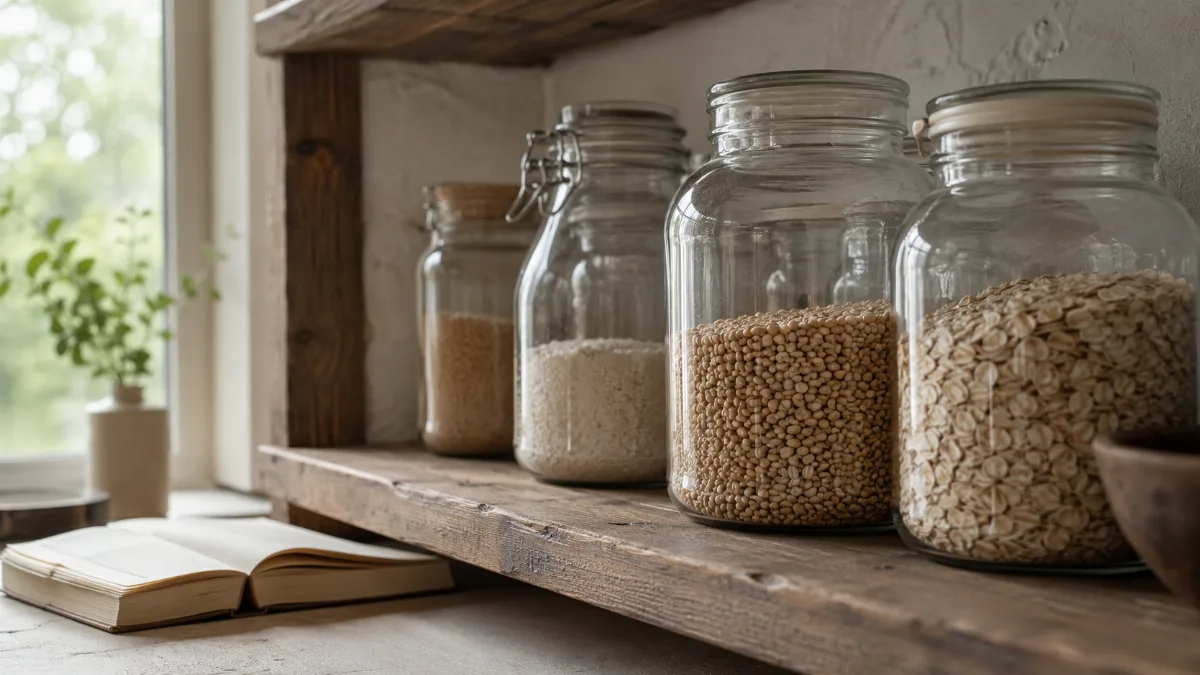
Pantry management runs on FIFO — first in, first out. New purchases go to the back of the shelf; older stock moves to the front and gets used first. That one habit prevents the three-year-old can of tomatoes discovered behind newer buys. Decanting the highest-turnover dry goods — pasta, rice, oats, lentils — into labeled clear containers reinforces it: you can see what's running low at a glance, and there's no daily archaeology through half-open bags. A quarterly audit of about 20 minutes checks dates, flags items that aren't getting used and might be swapped for something more useful, and tops up anything approaching empty.
The Pantry as a Buffer Against Food Waste
A stocked capsule pantry cuts the NRDC's Save the Food guidance on reducing household food waste in two ways. The obvious one is that staples don't spoil — the dried lentils and canned chickpeas bought in January are still perfectly good in October, which removes the refrigerator timing pressure that turns produce and protein into trash.
The less obvious effect is that a stocked base lets the week's fresh ingredients get used up completely. The half-bunch of spinach finds its way into a soup because the pantry already holds the broth and aromatics. The nearly-overripe tomatoes become a sauce because the pasta and olive oil are waiting. This inverts the usual relationship between shopping and cooking: instead of the grocery run dictating what gets made, the pantry sets the possibilities and the run just fills a short list of fresh additions. That inversion lowers the stakes of any single shop and ends the dependency on one comprehensive weekly trip for weeknight dinners to be possible. See also: minimalist meal planning guide and one-week dinner plan.
Why 30–40 staples:
| Boundary | What happens |
|---|---|
| Below ~30 | combinations run out; cooking depends on a fresh shop |
| Above ~40 | the shelf drifts back to chaos |
| Grains + legumes core | 8–10 items; red lentils cook in ~20 min, no soak |

Comments
No comments yet.