
How to Deal with Picky Eaters Using Minimalist Food Principles

Oh, dinner time. Sound familiar? It’s 5 PM, you’re standing in front of the fridge, completely drained, trying to figure out what to cook.

You pull out ingredients, spend 30 minutes chopping, stirring, and cooking. Then you present the masterpiece, only for your little angel to take one look, scrunch up their nose, and declare, "I don't like it!"

Maybe they even throw it on the damn floor. Yep, that was my Tuesday night last week. A perfectly good plate of lentil stew, sacrificed to the kitchen tiles.

It's enough to make you wanna just throw a bag of goldfish crackers on the table and call it a night, right? I've been there, more times than I care to admit.

This whole picky eating thing is exhausting. It leads to guilt, frustration, and a whole lot of wasted food. But what if there was a way to make it... simpler?

Today, we're going to talk about tackling picky eaters not by introducing 100 new superfoods, but by stripping things back. By using some core minimalist principles, we can actually make mealtimes less of a battlefield and more of a routine.

We're not aiming for perfection here. We're aiming for less stress, less waste, and maybe, just maybe, a kid who eats something besides plain pasta.

Why This Actually Matters

Okay, so it’s not just about getting your kid to eat their veggies. Although, let's be genuine, that's a huge win in itself.

The constant mental load of figuring out what to cook, who will eat it, and then dealing with the fallout when they don't, is a beast.

It drains your energy. It sucks the joy right out of family meals. And for me, that's a big problem.

I realized I was spending upwards of an hour every single night fighting with my oldest, Leo, over dinner. An hour!

That's an hour I could have spent reading a book, getting a head start on tomorrow, or just staring blankly at a wall, which honestly, sounds amazing sometimes.

Then there's the food waste. Oh, the food waste. I looked at our garbage one week and saw half-eaten meals, untouched sides, and ingredients I bought "just in case" that went bad.

I calculated it once. We were probably throwing out about $50-$75 worth of food every single month just because someone didn't want to eat what I'd made. That's a good chunk of change, especially when you're on a budget.

This isn't just about food. It's about regaining some peace at home. It's about reducing decision fatigue for you. And it's about fostering a healthier, less dramatic relationship with food for everyone.

Less stuff, less stress, right? That applies to what's on the plate too.

Minimalist Food Principles: Less Mess, More Munch

So, what exactly do I mean by "minimalist food principles" when it comes to picky eaters? It’s not about eating nothing but white rice, although some days, that feels like a win.

It's about simplifying the entire mealtime process. It’s about reducing the overwhelm for you, and surprisingly, for your kids too.

Think about it: too many choices can be paralyzing. For a little kid who's already feeling wary about new textures or tastes, a plate piled high with three different "new" things can be incredibly intimidating.

This approach focuses on intentionality, reducing waste, and making mealtimes more predictable. Predictability is a secret weapon with little kids, let me tell you.

We're looking to minimize the drama, minimize the effort, and ultimately, maximize the chances that someone actually eats something nutritious.

It's Not About Restriction, It's About Reduction

This isn't some strict diet or a way to starve your kids into submission. Hell no. We're moms, not tyrants. My goal is always nourishment, not punishment.

Instead, we're reducing the noise around food. Less choice, less pressure, less emotional baggage tied to every bite.

It sounds counterintuitive sometimes, especially with all the advice out there to "expose them to everything!" But with picky eaters, sometimes "everything" is just too much.

By reducing the variables, we create a more stable, less anxiety-inducing environment around the dinner table. And that, my friend, is half the battle.

  • Less options at mealtime: This is probably the biggest takeaway. Instead of offering three different sides, or a "kid meal" and an "adult meal," everyone gets the same thing. This cuts down on decision fatigue for you and stops the "I don't like that one, can I have the other one?" game.
  • Fewer ingredients in recipes: Simple recipes are your best friend. Fewer ingredients mean less prep time, less cleanup, and less chance of one ingredient being the offending item. Think basic proteins, simply cooked veggies, and straightforward carbs.
  • Mindful grocery shopping: This means buying what you know you'll use, not what you hope your kid will suddenly decide to love. Focus on a core set of staples and ingredients for your rotating "safe" meals. This also massively cuts down on food waste.
  • Repetitive meal planning: You don't need a gourmet, unique meal every single night. I used to feel so much pressure to be creative. Now, I have a list of 10-15 meals that I know my family generally tolerates, and I just cycle through them. It saves so much mental energy.

How to Actually do It: Your Minimalist Mealtime Playbook

Alright, enough theory. Let’s get into the nitty-gritty of how you can actually implement this stuff tonight. Or, you know, tomorrow. No pressure.

These are the strategies that have saved my sanity and actually gotten my kids to eat a wider variety of foods, albeit slowly. Remember, progress over perfection, always.

Step 1: the "one Meal" Rule (with a Polite "no Thanks" Plate)

This is probably the most radical departure for many parents, but it's a game-changer. Everyone, and I mean everyone, gets the same meal. No short-order cooking, no special requests.

I used to make Leo a separate plate of butter noodles every damn time I cooked something he "didn't like." It was exhausting, created extra dishes, and reinforced his pickiness.

Now, we make one meal. If it's chicken and roasted veggies, that's what's served. I always make sure there's at least one component I know they generally like, even if it's just plain rice or a piece of bread.

The "no thanks" plate comes in here. Your child isn't forced to eat anything they don't want. But they don't get an alternative meal.

They can politely say "no thanks," and put the unwanted food on a separate side plate. This removes the power struggle from what they eat, shifting it to if they eat.

The first few times, my kids barely ate anything. It was hard. I worried they would starve. But they didn't. They quickly learned that this was the food available.

Sometimes, just seeing the food on their plate, with no pressure to eat it, makes them more willing to try a tiny bite. It reduces the perceived threat of the new food.

Step 2: Simplify Your Plate Presentation

Ever feel overwhelmed by a giant buffet? Kids feel that way too, but with a regular dinner plate. Too much food, too many colors, too many textures can be a turn-off for a sensitive palate.

I used to pile everything on, hoping sheer volume would tempt them. It didn't. It just made them push it around more.

Now, I practice minimalist plating. Small portions, clearly separated items, and nothing touching. Think deconstructed. A tiny bit of chicken, a single broccoli floret, a spoonful of rice.

Kids often prefer their foods separated. A little bit of each item in its own section on the plate is less intimidating. It gives them a sense of control over what they're seeing and potentially tasting.

I also serve food on smaller plates, like a salad plate, instead of a large dinner plate. It makes the portion look more substantial and less lonely, even if it's a small amount.

If you're introducing something new, put only a pea-sized amount on their plate. Seriously, just a pea. The goal isn't to get them to eat it all, it's just to expose them to it.

Step 3: the Rotation of 10-15 "safe" Meals

This step is probably the biggest sanity saver for me. Instead of constantly brainstorming new recipes, I have a rotation of about 15 meals that my kids generally eat without a full-blown meltdown.

These are not fancy meals. They are reliable workhorses. Think chicken nuggets (homemade or store-bought, no judgment here), tacos, quesadillas, pasta with butter and parmesan, basic meatballs and spaghetti, scrambled eggs, maybe some grilled cheese.

Having this list drastically reduces my mental load around meal planning. I just pick from the list, plug it into our weekly plan, and I'm done. Takes about 5 minutes.

It also gives the kids a sense of familiarity. They know what to expect, which can actually make them more open to trying a small variation or an accompanying side dish.

You can introduce new things within this framework. If Taco Tuesday is a hit, maybe one week you offer black beans instead of ground beef. Or a different salsa.

This minimalist approach to meal planning means less grocery shopping confusion and less food waste because you’re buying ingredients for meals you know will be eaten.

Step 4: Involve Them (lightly)

Kids are more likely to eat food they’ve had a hand in preparing. But I'm not talking about turning your kitchen into a Montessori classroom every night.

I mean simple, low-pressure tasks. Washing vegetables, stirring a pot (with supervision, obviously), tearing lettuce for a salad, or setting the table.

My daughter, Rosie, loves to "help" make pizza. Her "help" usually involves putting a few pieces of pepperoni in a random spot. But because she "made" it, she's much more likely to eat it.

Even just allowing them to choose which safe vegetable they want from two options (e.g., "Do you want peas or corn tonight?") can give them a sense of agency and increase their willingness to eat.

The key here is minimal involvement that feels like fun, not a chore. If it becomes a struggle, back off. The goal is positive association, not forced labor.

Step 5: Reduce Snacking (strategically)

Okay, this one is tough, especially if you have a grazer. But constant snacking throughout the day can absolutely ruin a child's appetite for actual meals.

If they're constantly full from crackers and fruit pouches, why would they be hungry for the healthy dinner you just spent time making?

I found myself in a vicious cycle. Kids wouldn't eat dinner, so they'd be hungry later, so I'd give them a snack, which meant they weren't hungry for breakfast, and so on.

We implemented designated snack times. Maybe one mid-morning, one mid-afternoon. And between those times, it's just water. This helps them build up genuine hunger for meals.

The first few days were rough. Lots of "I'm hungry!" cries. But by sticking to it, their bodies adjusted. Now they know when snack time is, and they tend to eat better at meals.

Snacks should also be somewhat minimalist. Think a piece of fruit, some cheese, or a handful of nuts. Not a whole bag of chips. Save those for special occasions, if at all.

Step 6: the "new Food" Introduction Strategy

Introducing new foods to a picky eater can feel like trying to negotiate world peace. The key with a minimalist approach is low pressure and small steps.

Instead of a full serving of a new vegetable, place one single, solitary piece on their plate. A tiny slice of bell pepper. One green bean. No pressure to eat it.

The goal is repeated exposure without expectation. Sometimes, it takes 10-15 exposures for a child to even consider trying a new food. Just having it on their plate, seeing it, touching it, even smelling it, counts.

Try offering new foods alongside a "safe" food that they reliably eat. This provides a comfort anchor and makes the new item less threatening.

Dipping sauces can also be a parent's secret weapon. Ketchup, ranch, hummus – sometimes just the act of dipping makes a new food more palatable. Don't judge, whatever works, right?

Another trick is to serve food family style, if possible. Put a small bowl of the new item on the table for everyone, including you, to take from. This normalizes it.

Step 7: Minimalist Pantry and Fridge Management

This is where minimalism truly shines. An organized, pared-down pantry and fridge reduces decision fatigue, saves money, and makes cooking less chaotic.

When you have fewer, intentional ingredients, you're not staring at 17 half-empty jars of obscure sauces wondering what the hell to make. You know what you have, and you know what it's for.

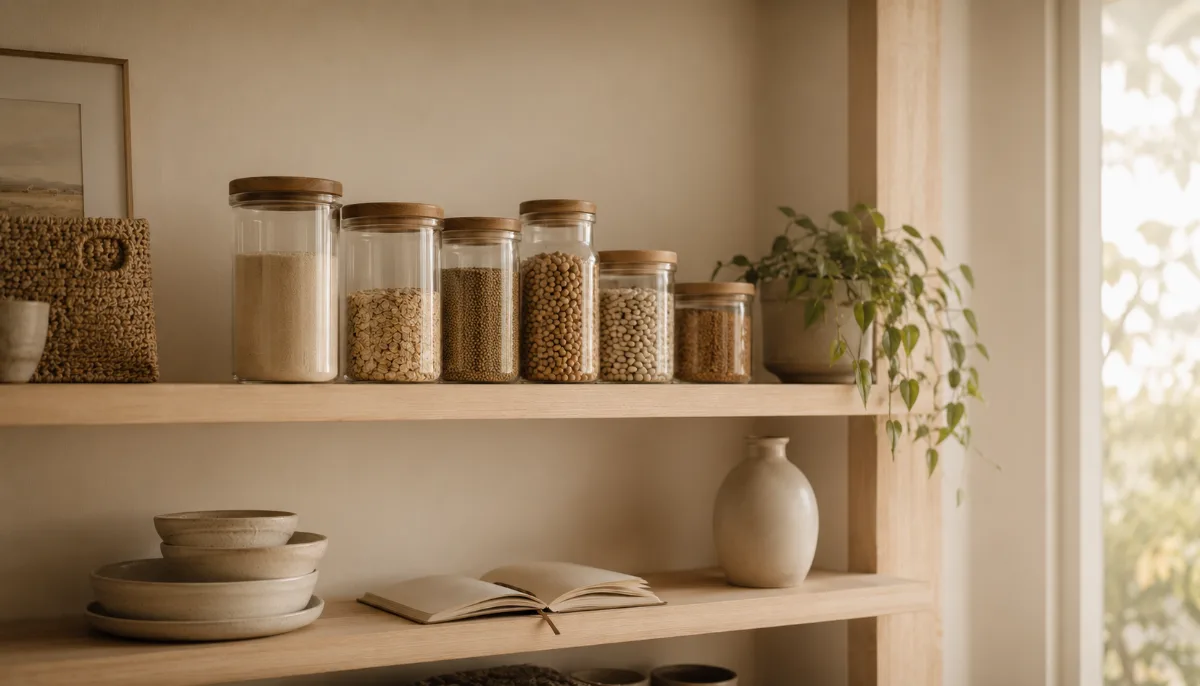
Do a full clean-out. Toss anything expired or anything you bought but never actually use. Organize what's left. Clear containers for snacks and staples can really help, so you see what's there.

For the fridge, make sure healthy produce is visible and easy to grab. If the carrots are in a drawer and the sugary yogurt is front and center, guess what your kid (and sometimes you!) will reach for?

This minimalist inventory ensures you're buying exactly what you need for your rotation of meals, reducing impulse buys and perishable items that just end up rotting in the back of the fridge.

It's about having less stuff to think about. Less visual clutter, less mental clutter, and a clearer path to getting dinner on the table without losing your mind.

Making It Stick: Common Mistakes to Sidestep

Okay, so you're trying these minimalist strategies. That's awesome! But like anything new, there will be bumps in the road. And trust me, I've hit every single one of them.

Here are some of the common pitfalls I've experienced, and how you can avoid falling into them.

Mistake 1: Giving In Too Fast. This is the biggest one. You try the "one meal" rule, your kid refuses, and after 10 minutes of whining, you just make them toast because you can't stand the noise. I get it. We've all done it.

But every time you give in, you teach them that if they hold out long enough, they'll get what they want. It’s a marathon, not a sprint. Be consistent, even when it's hard.

Mistake 2: Making It a Power Struggle. Dinner time should not be a battleground. If you get emotional or angry, the child learns that refusing food is a great way to get attention or control.

Serve the meal, explain the "one meal" rule calmly, and then step back. Let them decide if they want to eat. Your job is to provide, not to force. This takes practice, believe me.

Mistake 3: Over-Preparing. Thinking you need to make elaborate, Pinterest-worthy meals every night. No, you don't. Keep it simple. Less ingredients, less fuss.

The goal is nourishment and reducing stress. A simple plate of chicken, rice, and a few steamed green beans is perfectly fine. Minimalist means efficient and effective, not bland.

Mistake 4: Expecting Instant Results. Changing eating habits takes time. For a picky eater, it takes a lot of time. You might not see big changes for weeks or even months.

Celebrate tiny wins. A lick of a new food, touching it, even just having it on the plate without complaining. Every small step is progress. This is a slow burn, not a quick fix.

Mistake 5: Comparing to Other Families. Stop scrolling Instagram for perfect family dinners. That mom with the perfectly curated bento box? She probably struggles too, she's just not posting those photos.

Your journey is your own. Focus on your family's unique needs and progress. Comparison is truly the thief of joy, especially in parenting.

You're not a short-order cook. You're a parent providing nourishment. The rest is just noise.

Frequently Asked Questions

What if My Kid Literally Eats Nothing at Dinner?
This is probably the scariest part for most parents. My advice is to try to provide a healthy snack about an hour or two before bedtime if they truly didn't eat. Something simple like plain yogurt, a banana, or a piece of toast. Not a full meal, just enough to stave off actual hunger. Over time, their bodies will adjust to eating at mealtimes.
How do I Deal with Grandparents or Other Caregivers Who Undermine My Efforts?
Oh, the grandparent challenge. It's tough. Have an honest, calm conversation with them beforehand. Explain your strategy and why it's important to you. Ask for their support. Frame it as "helping the kids develop healthy eating habits." Sometimes, you just have to let it go when they're not with you, but try to keep your home environment consistent.
Isn't This Just Giving up on Healthy Eating and Letting Them Eat Junk?
Absolutely not! It’s actually the opposite. By focusing on whole, simple foods and reducing processed snacks, you're building a foundation of healthy eating. It's about reducing drama around food, which in turn can make kids more open to trying new things over time, not less.

My Kid Only Eats White Foods (bread, Pasta, Rice, Chicken Nuggets). Help!

Welcome to my world! This is incredibly common. The minimalist approach here is to start with tiny exposures. Put one tiny piece of a green vegetable on the plate, even if it’s just for looking. Try to lightly disguise veggies in things they already like, like adding finely grated zucchini to spaghetti sauce. It takes patience and lots of repeated exposures.

How Long does This Take Before I See a Difference?
Honestly? It varies wildly. You might see a slight reduction in mealtime drama within a week or two, but significant changes in what your child eats could take months, or even a year. This is a long-term strategy, not a quick fix. Consistency is truly the key.
Is This Worth It for a Single Parent or Very Busy Families?
YES, absolutely. I'd argue it's even more worth it. The minimalist principles of reducing decision fatigue, simplifying meal planning, and minimizing food waste are huge time and energy savers. Anything that makes your life easier while still supporting your kids' health is a win in my book.

The Bottom Line

Dealing with picky eaters is draining, frustrating, and often makes you feel like you're doing something wrong. But you’re not. It's a phase, and it's a tough one.

By embracing a minimalist approach to food and mealtimes, you're not trying to force your kids into being perfect eaters. You're simply trying to make the process less stressful for everyone.

Remember, it's about progress, not perfection. Start small. Pick one strategy – maybe the "one meal" rule, or simplifying your plating. Implement it consistently.

You’ll have good days and bad days. You’ll still have food on the floor sometimes. That’s okay. We’re all just doing our best, trying to feed our tiny humans without losing our damn minds. And sometimes, less really is more. 👋