

A whole-house declutter fails when it starts everywhere at once. Open every drawer and closet on the same Saturday and the house lands in mid-chaos with no obvious path back to order. Working room by room fixes the scope problem: each room becomes a contained project with a start, a finish, and a result you can see before moving on. Order the rooms by emotional weight — begin where the objects carry almost none, and save the closets that hold pieces of a former life for the end, once the habit is warm.
Start Where the Stakes Are Low
The bathroom holds fewer emotionally loaded items than any other room, which makes it the right place to practice the keep-donate-trash decision before it meets harder categories. Work through expired medication (drop it at a pharmacy take-back program rather than flushing it, unless the label specifically says otherwise), the three half-used bottles of hand lotion, the two identical shampoos, and the products bought for a temporary reason that has since resolved — the post-surgery skin routine, the cream for a condition that cleared up a year ago. The finish line is a cabinet holding only what the current routine uses, in roughly a one-to-two-month supply.
The linen closet is the natural companion and just as low-stakes. Most homes store far more sheets and towels than the beds and bathrooms in use. Two sets per bed — one on, one in the wash — and one or two towels per person is a workable standard; the fourth queen sheet set and the stack of mismatched beach towels can go without a second thought.
The Kitchen: Four Decisions in One Session

The kitchen is more involved than the bathroom because its categories each need a different rule. Appliances and gadgets meet the 90-day test: anything unused in three months that isn't genuinely seasonal — the turkey roaster earns its once-a-year exception, the bread maker that ran twice in 2023 does not — exits, and duplicates go regardless. Dishes and glassware get counted against the largest meal the home actually serves, plus two to four pieces for margin; eight people never sit down together in a one-bedroom apartment, so eight of every plate is simply storage. Food-storage containers earn their keep only if they still mate: a lid with no base, a base with no lid, and anything past what the fridge holds at once all go — this is reliably the messiest cabinet in the house. The pantry loses expired items and the single-recipe ingredient bought once and never touched again, unless it gets scheduled into next month's meals.
Bedroom and Living Room: Clothes, Surfaces, and Books
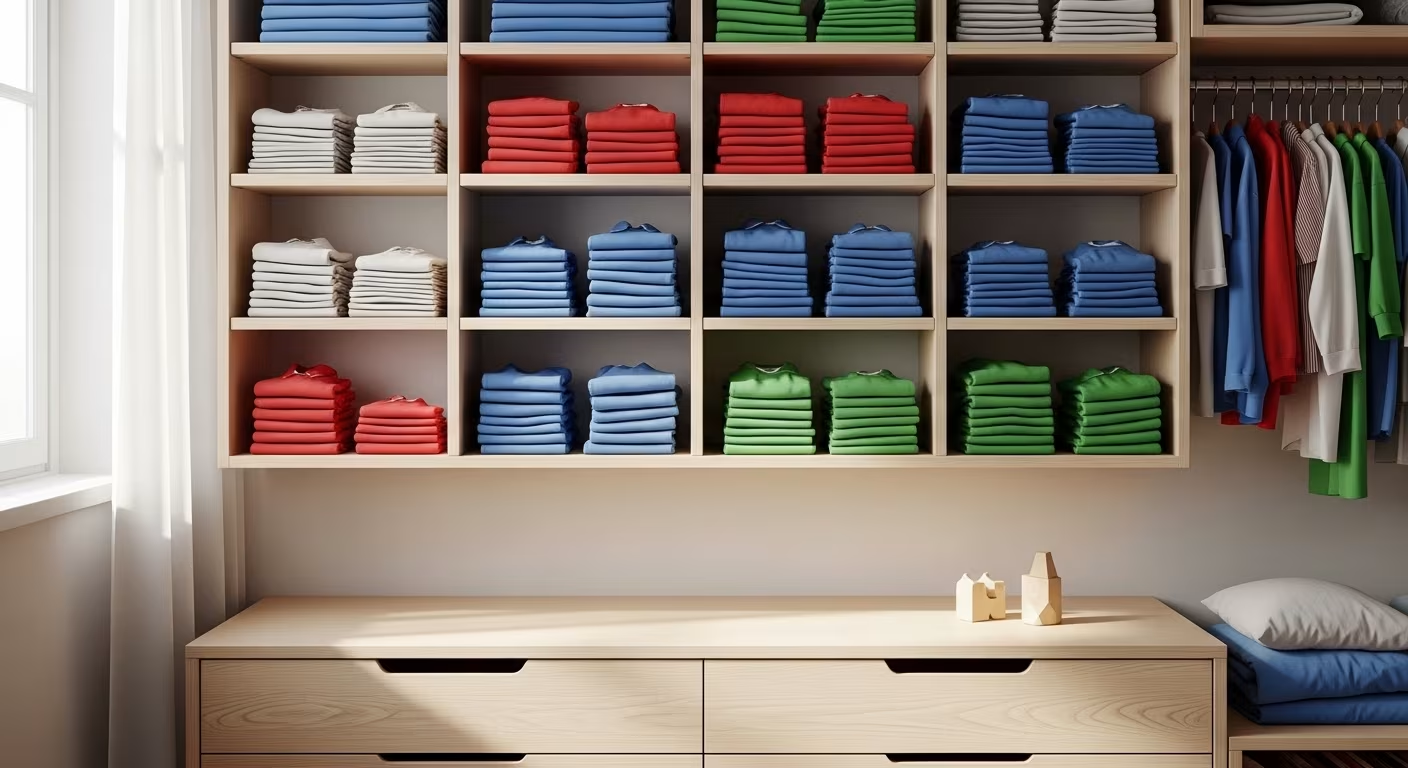
Clothes are a big enough category to deserve their own session, and the closet empties best onto the bed. The point of the pile isn't to handle each item; it's that seeing the full volume in one place is the strongest possible answer to "I don't own that much." Each piece faces three questions: does it fit now — not after a goal, not in theory — does it feel right worn, and has it been on your body in the past year? Anything that fails one of the three leaves. The rest of the bedroom is quicker: nightstand drawers full of chargers and finished books, the accidental storage under the bed, and the dresser top that has quietly become a staging area.
The living room splits into two piles that look alike but aren't. Surface clutter — the mail, the keys, the things that landed without a home — is housekeeping; it goes back to its place or gets a place assigned. The real declutter is the media audit. Books you would neither reread nor recommend, DVDs for titles already on a service you pay for, and board games with missing pieces all exit. Books carry weight, so the useful question isn't "do I love this?" but "would I pack this and move it to a new house?" The ones that fail go to the library, a little free library, or a used bookstore. Rutgers Cooperative Extension's publications makes a similar point.
Kids' Rooms and Storage Areas Last
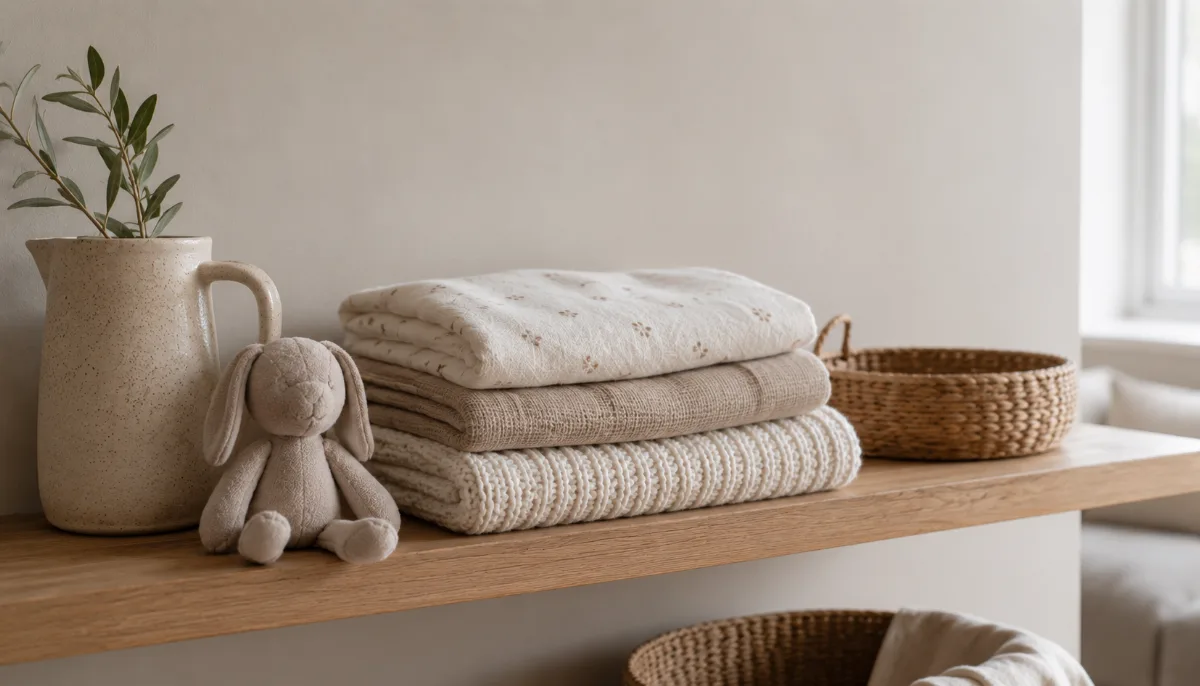
Children's rooms get easier when they start with the clearly exit-eligible: broken toys, pieces with parts missing, outgrown clothes, and books the child has aged past. After the obvious, rotate rather than purge — a subset of toys in active use, the rest boxed and cycled in monthly — so the room stays manageable without asking a toddler to surrender anything. Children can join the decisions from around age five with the right framing: "which of these two do you play with more?" works far better than "do you want to give this away?", where the answer is always no.
Storage areas — basement, garage, attic, deep closets — come last because they hold the most ambiguity: the camping gear untouched for four years, the baby equipment kept for a hypothetical second child, the furniture from the last apartment. Sort it by reason. Things in storage for real, active use — seasonal decor, annually used sports gear — stay with clear access. Things kept for a someday that could be re-bought for under $50 get released. Things with genuine sentimental weight get one box at a fixed size: when it fills, the oldest item leaves before a new one enters.
Building It Into a Schedule
For most households this isn't a single day but a handful of contained sessions across two to four weeks. The bathroom and linen closet take an hour together. The kitchen is one session. The bedroom closet runs a half-day. Storage areas can eat a full weekend. Naming each session's length and putting it on the calendar prevents the classic failure — starting everywhere and finishing nowhere. See also: 15-minute daily declutter practice and zero-waste decluttering methods. Done this way, a month of short sessions leaves a house that stays ordered, because every remaining room has already had its volume decided rather than just rearranged.

Comments
No comments yet.