
How to Manage the Influx of Kids’ Art Projects Without the Clutter

My kitchen counter used to look like a glitter bomb went off every other Tuesday. And Wednesday. And, honestly, most days that ended in 'y'. Construction paper, crayon shavings, paint splatters – it was a beautiful mess, except for the "mess" part. I loved seeing what my kids created, truly.

But then I also loved being able to actually see my kitchen counter. You know that feeling, right? That weird mix of fierce mama pride and low-level panic about all the clutter.

I swear, kids are like tiny art factories. They just churn out masterpieces, and suddenly your house is drowning in macaroni necklaces and finger-painted landscapes. And then comes the guilt. How can you possibly throw away something they poured their little hearts into?

Spoiler alert: you don't have to keep every single thing. And you don't have to feel like a terrible mom for wanting your sanity back. Today, we're going to talk about real, straightforward ways to manage all that gorgeous art without turning your home into a paper landfill. We’ll cover why it’s so important, my step-by-step system, and how to actually make it stick without losing your mind.

Why This Actually Matters

Okay, let's get real for a sec. This isn't just about pretty pictures on your fridge. This is about your peace of mind. It’s about the mental load, the stress of visual clutter, and that constant feeling of being overwhelmed.

For years, I let the art pile up. Every table surface, the top of the fridge, a growing stack in the corner of the dining room. It wasn't just paper; it was a physical manifestation of an unmade decision, a task hanging over my head.

Every time I looked at those piles, I felt a pang of guilt. Guilt for not appreciating it enough, guilt for not having a system, guilt for thinking about tossing it. It was exhausting. And damn it, I was already exhausted enough just being a mom of two little humans.

I remember one specific Saturday morning. I was trying to make breakfast, and my three-year-old had brought me five new drawings before I’d even had my coffee. There was literally no empty surface in the kitchen to put them down. I ended up just holding them in one arm while stirring oatmeal with the other. That was my rock bottom.

When our homes are cluttered, our minds feel cluttered too. It’s hard to relax, hard to focus, and definitely hard to feel like you’re on top of things. Creating a system for kids’ art isn't just organizing; it's clearing space for joy, for calm, and for actually enjoying the art that truly matters.

The "keep What Sparks Joy" Myth (and What to do Instead)

I love Marie Kondo, I really do. Her message is beautiful. But let me tell you, when you've got a five-year-old handing you a crumpled drawing of a purple monster with three eyes, and they earnestly say, "This sparks joy, Mama!"... well, everything sparks joy to a kid. Everything.

You can't apply the adult "sparks joy" filter to a child's creative output. Their criteria is simple: "I made this!" And that's enough for them to want to keep it forever. My daughter, bless her heart, would fight to keep a scribbled napkin if she believed it had artistic merit.

This is where the guilt trips start for us moms. We feel like we have to honor every single piece of paper because it represents their effort, their imagination, their love. And those feelings are valid, absolutely.

Understanding the Art Influx

  • The emotional attachment is real - For both you and your child, each piece of art can feel like a memory. It's a snapshot of their development, their interests, their little hands creating something from nothing. It’s not just a drawing; it’s a tangible piece of their childhood.
  • Kids' feelings matter, but so does your space - We want to encourage creativity, right? We want them to feel proud. But we also live in homes with finite square footage. You can validate their feelings about their art without keeping every single piece of it. It’s a delicate balance, and you're not a bad parent for seeking it.
  • The sheer volume is overwhelming - My kids used to come home from preschool with at least two or three new projects every day. Factor in weekend crafting, drawings at home, school projects… suddenly, you're looking at hundreds of pieces of art in a year. No regular home is designed to store that kind of volume.

So, we can't just wait for it to "spark joy." We need a system. A practical, guilt-free system that allows us to celebrate their creativity without drowning in it. Something that prioritizes quality over quantity, and your sanity over endless paper piles.

Creating Your Art Project Action Plan

Okay, so the guilt is real, the volume is nuts. You’re a busy mom, you don’t have hours to dedicate to this every day. So, what do we actually do? This system isn't perfect, and you'll probably adapt it. But it's a damn good place to start, and it has saved me from countless glitter-covered meltdowns.

Step 1: Implement a "holding Zone"

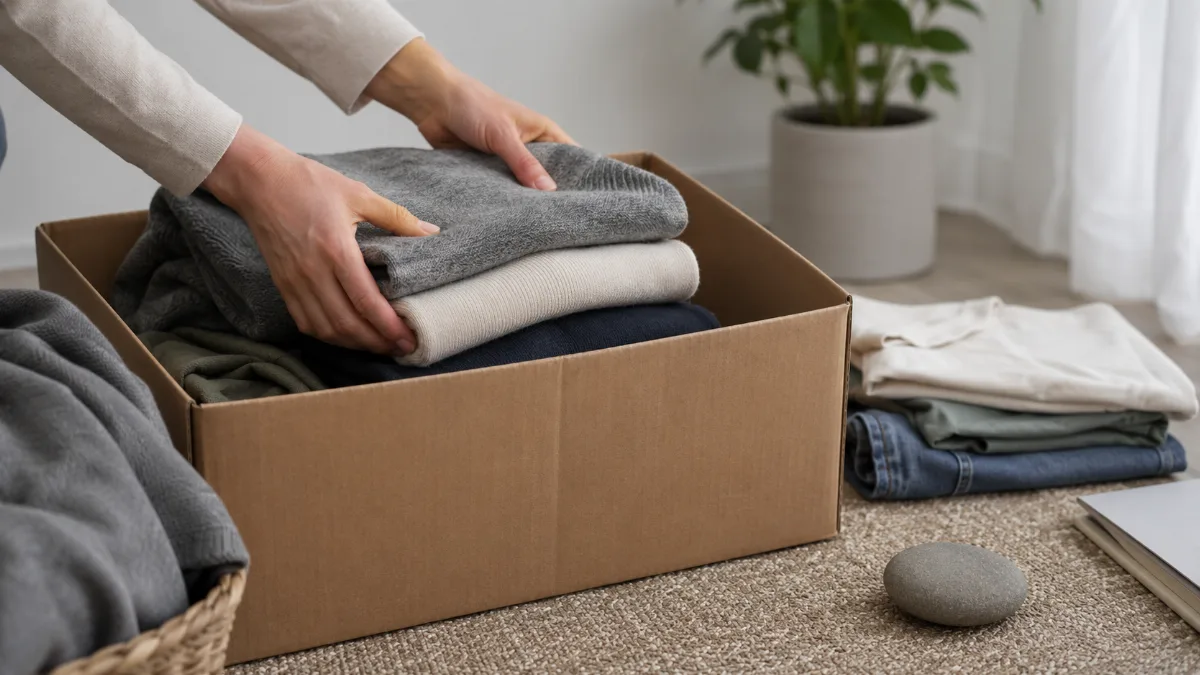
This is your first line of defense. When art comes into the house, it doesn't immediately get sorted, displayed, or tossed. It goes into the holding zone. Mine is a simple, open-top bin right inside the kitchen pantry.

Why it works: It buys you time. You don’t have to make an immediate decision on that crumpled drawing of "Dad as a superhero frog." It contains the mess and keeps it from spreading across every flat surface. This step alone reduces so much instant stress.

Step 2: Schedule a "review & Purge" Session

Consistency is key here, not perfection. Pick a time that works for you – maybe 15 minutes every Sunday afternoon, or half an hour on the first Saturday of the month. Make it a regular habit, just like doing laundry or grocery shopping.

During this session, you’ll tackle everything in the holding zone. Trust me, it’s much less daunting to deal with a bin full of art than an entire house overrun with it. This prevents the accumulation from getting out of control.

Step 3: the "one-touch" Rule (mostly)

When you're doing your review session, try your best to apply the "one-touch" rule. That means once you pick up a piece of art, you make a decision about it then and there. Don't put it back in the holding zone to decide later.

Why it works: This prevents decision fatigue and endless re-sorting. You're touching it once to process it, not just to move it from one pile to another. Yes, some pieces might require a bit more thought, but aim for quick decisions for the majority.

Step 4: the "3-category Sort"

During your review session, you'll sort everything from your holding zone into three categories. This makes the decision process much clearer and simpler. Grab three separate piles or bins for this.

  • Display (Temporary) - This is for the current masterpieces that you want to show off for a bit. The ones that are truly fridge-worthy or deserving of a spot on a specific art display wall. Remember, this is temporary, not permanent storage.
  • Keep (Long-Term Archive) - These are the absolute best of the best. The pieces you genuinely want to hold onto for years. We’re talking about the truly unique, the ones that mark a significant milestone, or the ones you just can’t bear to part with. This pile should be small.
  • Recycle/Discard - This will be the largest pile, and that's okay. These are the duplicates, the scribbles, the half-finished projects, the things that served their purpose in the moment of creation. Let them go without guilt.

Step 5: Embrace the "photograph First" Mentality

For items in your "Recycle/Discard" pile that you feel a tiny pang about, or for some in your "Display" pile before they head to the bin, just snap a picture. Seriously. A quick photo with your phone takes seconds and provides a digital memory without the physical clutter.

Why it works: It’s like having your cake and eating it too, but with less paper crumbs. You get to keep the memory, document their creativity, and still let go of the physical item. My phone is full of photos of my kids' art, and I love scrolling through them later. It's so much easier than leafing through stacks of paper.

What to expect: You might feel a little silly taking photos of every doodle at first. Who cares? You're building a digital archive of your child's creative journey. Future you will thank you, I promise.

Step 6: Digital Archiving Made Easy

So you've taken all these photos – now what? Don’t let them sit as random camera roll clutter. Set up a simple digital archiving system. This doesn't need to be fancy or expensive. I use Google Photos, but Dropbox or even just a folder on your computer works just fine.

Create a dedicated album or folder for each child, maybe broken down by year. So, "Liam's Art 2023," "Sophie's Art 2024." This makes it incredibly easy to find specific pieces later, share with grandparents, or even create a digital photobook down the line.

Why it works: It frees up massive physical space in your home while still preserving those precious memories. It’s also much more resilient than physical paper, which can get damaged, lost, or faded over time. Plus, it’s searchable!

Step 7: Physical Storage for the Truly Precious

For the art you've designated as "Keep (Long-Term Archive)" – the truly special stuff – you need a physical home. And here’s the critical part: set a boundary. I recommend a single, designated portfolio, box, or binder per child.

Why it works: This container becomes your physical limit. If it's full, something new coming in means something old has to go. This forces you to be selective and ensures you’re only keeping the absolute cream of the crop. For my kids, they each have an art portfolio about the size of a school binder, and that's it.

What to expect: This is where you’ll make the tough choices. Every year or so, I go through their portfolios with them (if they’re old enough) and we select the very best pieces to stay, rotating some out as new favorites come in. It’s a powerful lesson in curation and making choices.

Step 8: Involve the Kids (when Age-appropriate)

This step is crucial for older kids, say 4 or 5 and up. When you do your review and purge session, invite them to participate. Let them help choose which pieces go into the "Display" pile, which get photographed, and which go into their "Keep" box.

Why it works: It gives them ownership and teaches them valuable decision-making skills. They learn that while all their art is important, not everything can be kept physically. It also makes them feel respected and heard, rather than just having their creations disappear.

Keep it real: Younger kids might want to keep everything. That’s normal. For them, you might start by letting them pick their "top two" to display, and you handle the rest. As they get older, you can involve them more in the "Keep" pile decisions. It’s a process, not a one-and-done lesson.

Making It Stick & Avoiding Common Traps

Okay, so you’ve got a system. That’s awesome! But how do you actually keep it going when life gets crazy, your kid brings home a 3D papier-mâché volcano, and you just want to collapse on the couch with a glass of wine?

The biggest thing that trips people up is guilt. We feel guilty for throwing things away. We feel guilty for not having enough time to sort it all. We feel guilty for even thinking about letting go of something they made. But remember, your mental health matters too. You can’t pour from an empty cup, especially when that cup is overflowing with glittery paper.

Another common mistake is trying to do too much too soon. Don't try to tackle five years of accumulated art projects in one weekend. You'll burn out, feel defeated, and give up. Start with the current influx, establish your holding zone, and then slowly chip away at the backlog if you have one.

Inconsistency will kill any system. If you skip your weekly or monthly review session a few times, that holding zone bin will overflow, and you'll be back to square one. Treat it like any other chore that needs to get done. Put it on your calendar if you have to.

Your home isn't a museum for every single piece of art your child creates. It's a living space where memories are made, not just stored.

And finally, be kind to yourself. There will be weeks when the system isn't perfect. The bin might overflow. You might miss a photo op. You might accidentally toss something you later wish you'd kept. That's life. Don't let perfection be the enemy of good enough. Just reset and try again.

Frequently Asked Questions

What if My Child Gets Upset when I Throw Away Their Art?
This is a common fear, and it's valid. The key is to acknowledge their feelings. "I know you worked hard on this, and it's sad to let it go." Then, explain your system. Emphasize that you're keeping some special pieces, and maybe you've taken a photo of this one to remember it. Focus on the joy of creating, not just the finished product.
How Many Pieces of Art Should I Actually Keep?
There's no magic number here, honestly. It’s entirely dependent on your space and what feels manageable for you. The physical limit of one designated portfolio or box per child per year (or even every few years) is a good guideline. The goal is curation, not collection. Think "best of," not "all of."
My Kids Make Art Constantly. How do I Even Keep Up?
If you have prolific little artists, the holding zone and scheduled review sessions are even more crucial. Not every scribble needs to be individually analyzed. Quick decisions during your review time, combined with the "photograph first" method, will help you process the volume without feeling like you're constantly drowning. Remember, consistency over perfection.
Is It Okay to Just Throw Away Art Without Photographing It?
Absolutely, yes! Some art is purely process-oriented. It served its purpose in the moment of creation, and it doesn't need to be archived in any way. If taking a photo adds another layer of mental load you just don't have, then skip it without guilt. Your sanity is worth more than a picture of every single drawing.
What if I Regret Getting Rid of Something Later?
It's possible. I've done it. But honestly, the regret is usually fleeting. What I've found is that the peace of mind from less clutter far outweighs the occasional "oh, I wish I'd kept that" moment. You'll remember the experience of them creating it, the stories behind it, and the happy memories, not just that specific piece of paper. Focus on the wonderful pieces you did choose to keep.

The Bottom Line

Kids' art is a beautiful, joyful part of childhood. But the sheer volume of it doesn't have to become a source of stress or clutter in your home. By setting up a simple system, acknowledging your feelings (and theirs!), and giving yourself permission to let go, you can celebrate their creativity without drowning in paper.

Start small. Set up that holding zone today. Pick one evening this week to do your first quick review. You don't have to tackle everything at once. Just one step at a time, and you'll slowly reclaim your space and your peace of mind. You've totally got this. 👋