

How to Reduce Your Grocery Bill Without Coupons or Extreme Couponing

Hey there, 👋

I swear, sometimes I feel like I just blinked, and suddenly my grocery cart is overflowing. How do these little humans eat so much? And why does it always seem like my grocery bill is silently creeping up, even when I think I’m being careful?

You know that feeling, right? When you’re at checkout, bracing yourself, and then the total flashes up and you almost drop your reusable bags. My wallet definitely does a little weep every time.

I used to spend hours clipping coupons, trying to stack deals, and practically planning my week around store sales. It was exhausting. And honestly, it often felt like I was saving $5 here and there, but still spending way too much overall.

So, I ditched the extreme couponing stress. And guess what? My grocery bill actually went down. A lot.

Today, I’m going to share how I did it. We're talking about smart strategies that don't involve a single coupon clipping. Just simple shifts that saved us hundreds of dollars a month. Yeah, hundreds.

Why This Actually Matters

Let's be real, groceries are one of those non-negotiable expenses. We all have to eat. Our kids definitely have to eat, and usually right after you've just cleaned the kitchen.

But when that bill keeps climbing, it cuts into everything else. Date nights. Kids' activities. That tiny emergency fund you're trying to build.

For us, it wasn't just about saving money. It was about feeling less stressed every time I had to swipe my card. It was about taking back some control over a budget line item that felt totally out of whack.

I remember one month, before I got my act together, our grocery bill hit almost $1200 for a family of four. Two of those four were toddlers who mostly threw their food on the floor. My husband and I looked at each other and just started laughing, because what else could we do? It was absurd.

That was the turning point. I realized I didn't need to cut corners on nutrition, or spend all my free time trying to game the system with coupons. I just needed to be smarter about the whole damn thing.

The Foundations of a Smarter Grocery Shop

Okay, so this isn't rocket science, but it also isn't just about "buying less." It’s about being intentional. It's about knowing what you need, what you have, and how to get the most bang for your buck without feeling deprived.

Think of it like decluttering your pantry. You wouldn't just throw things out randomly, right? You'd check expiration dates, see what you actually use, and get rid of the duplicates or forgotten items.

This approach to groceries is similar. It's about auditing your habits and making small, consistent changes that add up big.

It's Not About Deprivation, It's About Planning

The biggest myth about cutting your grocery bill is that you'll have to eat ramen every night. Nope. Not here. I'm a mom, I need sustenance, and so do my kids.

This is about eating well, eating what you enjoy, but doing it in a way that aligns with your budget. It's about making deliberate choices instead of letting your cravings or marketing ploys dictate your spending.

For example, I still buy organic produce sometimes, especially for the "dirty dozen." But I'm not buying everything organic anymore. It's a balance.

  • Understand Your "Why" - Why do you want to cut your grocery bill? Is it for a specific savings goal? Less stress? More wiggle room in your budget? Keeping your "why" front and center helps you stick with it, even when you're tired.
  • Audit Your Current Spending - Before you can change anything, you need to know where you're starting. Look at your bank statements for the last 1-2 months. How much are you really spending on groceries, including those quick "just need milk" stops? It might shock you.
  • Set a Realistic Budget - Don't aim to cut your bill in half overnight. Start with a 10-15% reduction goal. See how that feels. You can always adjust later once you get the hang of it.

How To Actually Do It

Alright, let’s get into the nitty-gritty. These are the steps I follow, the ones that helped me stop that financial bleeding at the grocery store. It might feel like a bit of work at first, but trust me, it becomes second nature.

Step 1: Do a Major Pantry & Fridge Audit

Before you even think about a grocery list, you need to know what you already have. This step is probably the most overlooked, and it’s a damn goldmine for savings.

Open up your pantry, fridge, and freezer. Pull everything out if you have to. Seriously. Check those obscure back corners.

You'll probably find three half-used bags of rice, a can of beans from 2018, and that weird condiment you bought for one recipe and never touched again. My record was finding two unopened bottles of maple syrup because I kept forgetting I already had one.

Make a list of everything you have in abundance. Things that are close to expiring. Things you need to use up. This will directly inform your meal plan and your grocery list, preventing you from buying duplicates.

Step 2: Master the Art of the Meal Plan (The Realistic Kind)

Okay, I know. "Meal planning" sounds like a lot. And for a long time, it felt like another chore I just couldn't keep up with. But this isn't about perfectly curated, Instagram-worthy meals every night.

This is about having a general idea of what you'll eat for the next 5-7 days. It prevents the 5 PM "what's for dinner?!" panic that leads to expensive takeout or random impulse buys at the store.

Start by looking at your audited pantry. What do you need to use up? Build a few meals around those ingredients first. Then, think about easy, family-friendly meals you actually enjoy. Don't plan a seven-course meal on a Tuesday.

I plan for 5 dinners and 2 "leftover/fend for yourself" nights. This gives me flexibility. Sometimes I cook big batches to get two meals out of one effort. Think "taco night" on Tuesday and "taco salad" on Thursday with the same cooked meat.

Step 3: Create a Strict Shopping List (And Stick To It)

This is where the rubber meets the road. Once you have your meal plan, make a detailed list of only the ingredients you need to execute it, plus your regular staples like milk, eggs, and fruit. No "maybe we'll need this" items.

Organize your list by store section. Produce, dairy, dry goods, frozen. This makes shopping faster and helps you avoid wandering down aisles you don't need, which is where impulse buys thrive.

And for the love of all that is holy, stick to the damn list. Those end-cap displays? Designed to lure you in. The candy by the checkout? A trap. Put on your blinkers and power through.

I even have a rule that if it's not on the list, it doesn't go in the cart. Unless it's an emergency, like we actually ran out of toilet paper. But that's rare because I track those things now.

Step 4: Go Shopping Less Often (Ideally Once a Week)

Every extra trip to the grocery store is an opportunity for unplanned spending. Even if you only go in for "one thing," you'll inevitably grab three or four other things that catch your eye.

My goal is one big shop per week. Sometimes I stretch it to 10 days if I'm really on top of my meal planning. This forces me to be strategic and use what I have on hand towards the end of the cycle.

If you absolutely must make a second trip, try to make it to a smaller store or a farmer's market for just fresh produce, not the whole damn grocery store. Less temptation that way.

Step 5: Embrace "Pantry Challenge" Weeks

A few times a year, I challenge myself to a "Pantry Challenge" week. This means I try to buy as little as possible at the grocery store, making meals almost entirely from what we already have in the pantry, fridge, and freezer.

It's surprisingly fun, like a puzzle. You get creative. You use up those forgotten ingredients. It's also an incredible way to see how much food you actually accumulate.

We often discover new favorite meals this way, or realize we don't actually need that giant bag of lentils we bought six months ago. Plus, it gives your grocery budget a serious break for that week.

Step 6: Cook From Scratch More Often

I know, I know. You're tired. I'm tired. We're all tired. But convenience foods often come with a premium price tag. Pre-chopped veggies, boxed meals, frozen dinners – they add up fast.

You don't have to make everything from scratch. I'm not suggesting you churn your own butter. But making a simple pasta sauce instead of buying a jar, or roasting a chicken instead of buying a pre-cooked one, can save significant money.

Think about things you use a lot. If your family loves hummus, making your own is ridiculously cheap. If you eat a lot of oatmeal, buying rolled oats in bulk is far cheaper than individual packets.

Plus, cooking from scratch generally means fewer additives and more control over ingredients. Win-win, even if it adds an extra 15 minutes to your prep time sometimes.

Step 7: Strategically Use Your Freezer

Your freezer is your friend, especially when you're trying to cut down on waste and save money. Buy meat in bulk when it's on sale, portion it out, and freeze it.

When you cook, double a recipe and freeze half for another night. Think soups, stews, casseroles, even cooked grains. This is future-you's best friend on those nights when you just can't deal.

I also freeze extra fruit that's about to go bad for smoothies. Leftover tomato paste? Freeze it in tablespoon dollops on parchment paper. Bread going stale? Cube it for croutons or breadcrumbs, then freeze.

It sounds like extra work, but it's really just a smart way to manage your food resources and avoid throwing money away. Food waste is a massive budget killer.

Step 8: Be Smart About "Sales" and Bulk Buys

Just because something is on sale doesn't mean you need to buy it. And buying in bulk isn't always a good deal if you won't use it all before it spoils, or if you don't have storage for it.

Only buy sale items if they're on your list or if they're a non-perishable staple that you know you will use. Think canned goods, dry pasta, flour, or things you can freeze easily.

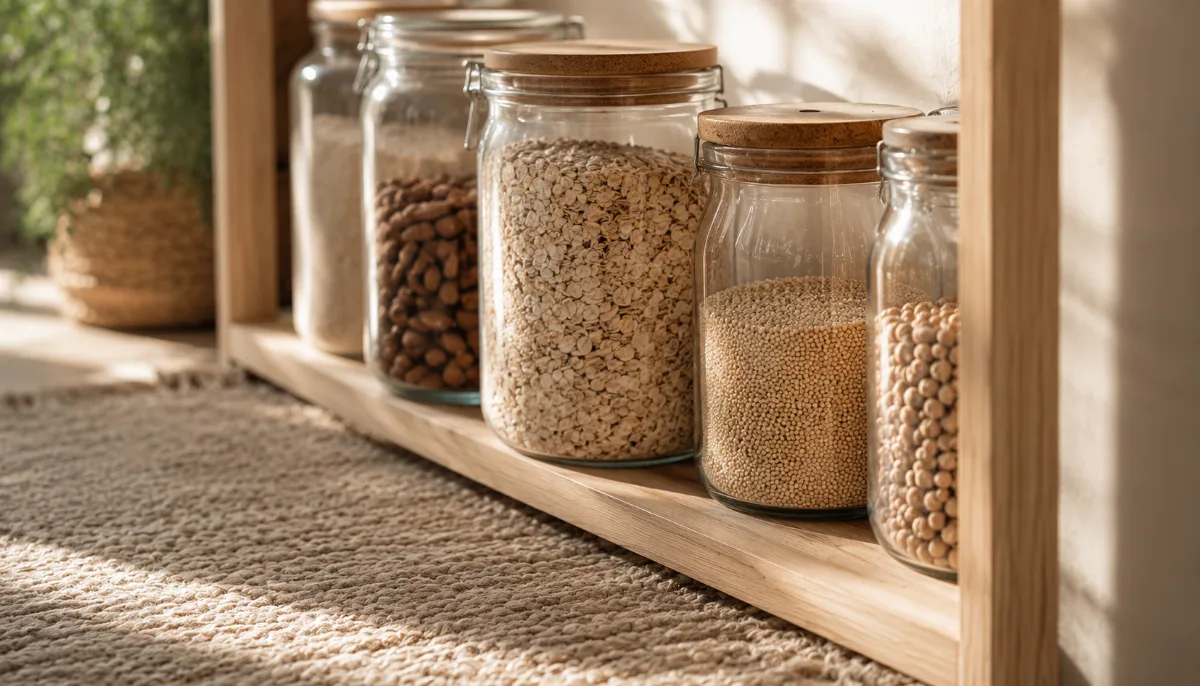
I definitely buy large bags of oats, rice, and beans. But I learned my lesson with giant bags of spinach. They just go bad before we can eat them all. No matter how good the price, waste is waste.

Consider the unit price, too. Sometimes the smaller container is actually cheaper per ounce or per item. Always do a quick mental math check.

Making It Stick & Common Mistakes

Alright, you've got the steps. But here's the kicker: consistency. This isn't a one-and-done thing. It's about building new habits, which, as moms, we know is freaking hard when you're already juggling 47 other things.

Don't beat yourself up if you slip up. You'll have weeks where you overspend, or you forget your list, or you just desperately need that fancy ice cream. It happens. Just regroup and try again next week.

The best way to save money on groceries isn't about coupons; it's about paying attention to what you already have.

Common Mistakes to Watch Out For:

  • Grocery Shopping When Hungry: This is a cardinal sin. Everything looks delicious. Everything suddenly seems like a "need." Eat a snack before you head to the store, or you'll regret it.
  • Not Checking Your Pantry First: I touched on this already, but it's worth repeating. This is how you end up with three bottles of ketchup or five cans of black beans. It's literally throwing money away.
  • Not Accounting for Snacks/Lunches: Meal planning often focuses on dinner, but what about breakfasts, lunches, and all those never-ending kid snacks? Factor them into your list and budget.
  • Too Many "Quick Stops": Each trip to the store adds up. Even if it's "just for milk," you'll inevitably grab a few other things. Consolidate your trips.
  • Forgetting About Leftovers: Leftovers are gold! Pack them for lunch. Re-purpose them into a new meal. Don't let them languish in the back of the fridge.
  • Buying Pre-Made Everything: The convenience tax is real. A rotisserie chicken might seem cheap, but making your own costs less and gives you more control. Same with pre-cut fruit and veggies.

Frequently Asked Questions

What if I don't have time to meal plan every week?
I totally get that feeling, trust me. You don't have to plan out every single meal in detail. Start with just 3-4 dinners you know your family likes, then fill in with easy standby meals or leftovers.

Batch cooking on a Sunday afternoon can save you a ton of time during the week. Even 30 minutes of prep can make a huge difference.

Is it really cheaper to buy organic produce?
Honestly, it depends. For certain fruits and vegetables (the "dirty dozen"), organic might be worth the splurge for some families. But for others, like avocados or bananas (the "clean fifteen"), conventionally grown is often just as good and much cheaper.

Focus on what you can afford and what's in season. Local produce is often a great deal and super fresh.

What about shopping at multiple stores to get the best deals?
I used to do this, driving all over town to hit different sales. It was draining, time-consuming, and honestly, the gas money probably ate up half my savings. Plus, more stores mean more temptations.

I've found it's far more effective to stick to one main store and focus on efficient shopping and smart meal planning. Save the multi-store trips for true bulk staples at Costco or Aldi once a month, if it's genuinely worth it for your family.

How long does it take to see results in my grocery bill?
You’ll likely see some immediate savings after your first intentional shop. But for consistent, significant savings, give it about a month or two. That’s enough time to build the habits and really get a feel for what works for your family.

Don’t get discouraged if one week isn't as good as the last. It's a marathon, not a sprint, especially when you're balancing it with everything else life throws at you.

Is this worth it for small families or single parents?
Absolutely, yes! The principles are the same whether you're feeding one person or ten. Food waste hurts budgets of all sizes. Planning, auditing, and smart shopping are universal money-savers.

In some ways, it might even be easier for smaller households to implement these changes because there's less variety to manage. Every dollar saved counts, no matter your family size.

The Bottom Line

Cutting your grocery bill doesn't have to be another stressful chore. It's not about clipping coupons or becoming an extreme budgeter. It's about being more intentional, more aware, and using what you already have.

Start small. Pick one or two steps to focus on this week. Maybe it's just doing a proper pantry audit, or making a list and sticking to it for your next shop.

You'll be amazed at how quickly those small changes add up. Imagine what you could do with an extra $100 or $200 a month. That's real money, and it's totally achievable. You got this! ❤️