


Most households that lean heavily on food delivery apps never decided to. It starts as a convenient option for tired evenings, hardens into a routine over a few months, and eventually becomes infrastructure — something counted on without a second thought. The kitchen, meanwhile, quietly stops being used with any regularity. By the time you notice, the apps feel necessary rather than optional, and the pantry has drifted into a collection of ingredients from optimistic cooking plans that never happened.
Why Ordering Wins on Tired Evenings
Delivery platforms are engineered to remove every moment of hesitation between craving and purchase. Saved cards, remembered addresses, notifications timed to the pre-dinner hour, a reorder button that replicates last week's meal in one tap: every feature exists to shorten the path to a confirmed order. Cooking asks for the opposite — a decision about what to make, a check on whether the ingredients are there, a rough time estimate, and sustained effort. On a depleted weeknight, that is not a fair fight.
Most people frame heavy delivery use as a willpower problem. It mostly isn't. It is a response to a very well-designed product, and resolving to be more disciplined does nothing to change the design. Any realistic plan to use these apps less has to work with how people actually decide under low energy, which means changing the conditions rather than the intentions. Good intentions evaluated fresh at 6:45 every evening will lose, over time, to a product built for impulse.
The Real Cost That Doesn't Show Up on the Screen

Third-party platforms stack a delivery fee, a service fee, and a menu markup many restaurants build into their online prices, often well above dine-in rates. A $13 bowl of noodles can reach $22 or more by the time it arrives, before tip. Two or three orders a week at that spread produces a monthly figure most households never actually add up; it just lands in the bank statement as a shapeless food category. The gap is easy to underestimate in the moment because each individual order feels reasonable — a few dollars here, a service charge there — and the total only becomes visible when you compare a month of delivery against a month of groceries that would have covered far more meals for the same money.
The subtler cost is what happens to the kitchen. Cooking is a skill, and without regular practice it erodes in small compounding ways: timing two dishes at once starts to feel stressful, preparations that used to be automatic take more thought, and deciding what to make gets harder because nothing feels easy anymore. The pantry fills with mismatched leftovers from abandoned projects — half a bag of farro, a spice bought for one recipe, a condiment used once — instead of a working stock of everyday staples. The kitchen functions worst exactly when you would benefit most from it functioning well.
The Feedback Loop Worth Interrupting
These two costs feed each other. A kitchen that is hard to use gets used less. A kitchen used less becomes harder to use — skills fade, the stock drifts, and the mental barrier to cooking rises. Each delivery order makes the next one slightly more likely, not because you lack resolve but because the conditions keep tilting further toward the app. Breaking the cycle means addressing both ends at once: making ordering a little harder and making cooking a little easier, on the same week, so the default can actually move.
The Friction Fix
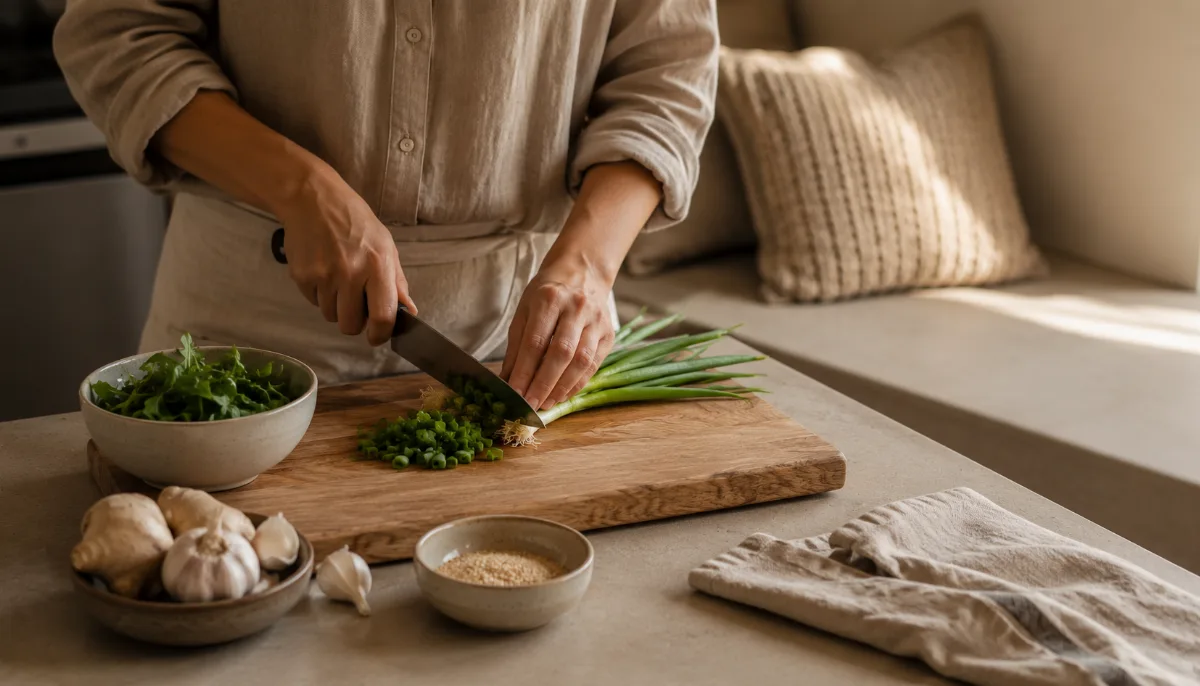
The most reliably effective tactic is the least satisfying to explain: move the apps off your home screen. Bury them in a folder or on a second page so ordering takes one extra tap. It sounds negligible, but small amounts of friction have an outsized effect on habitual, low-deliberation behavior — the kind that governs most weeknight ordering.
The impulse to order is rarely a considered judgment that cooking is impossible tonight. It is usually habit, mild fatigue, or boredom — states a momentary pause can interrupt. An extra tap doesn't block a genuine decision; it just makes room for one. On a truly bad evening you'll open the folder anyway. On an ordinary tired evening, you might not. Then pull the lever in the other direction too: a pantry stocked for the meals you actually make removes friction from cooking. Both moves together shift the default in a way neither manages alone. For a deeper reference, see Iowa State Extension's Spend Smart Eat Smart.
Building a Fallback Meal List
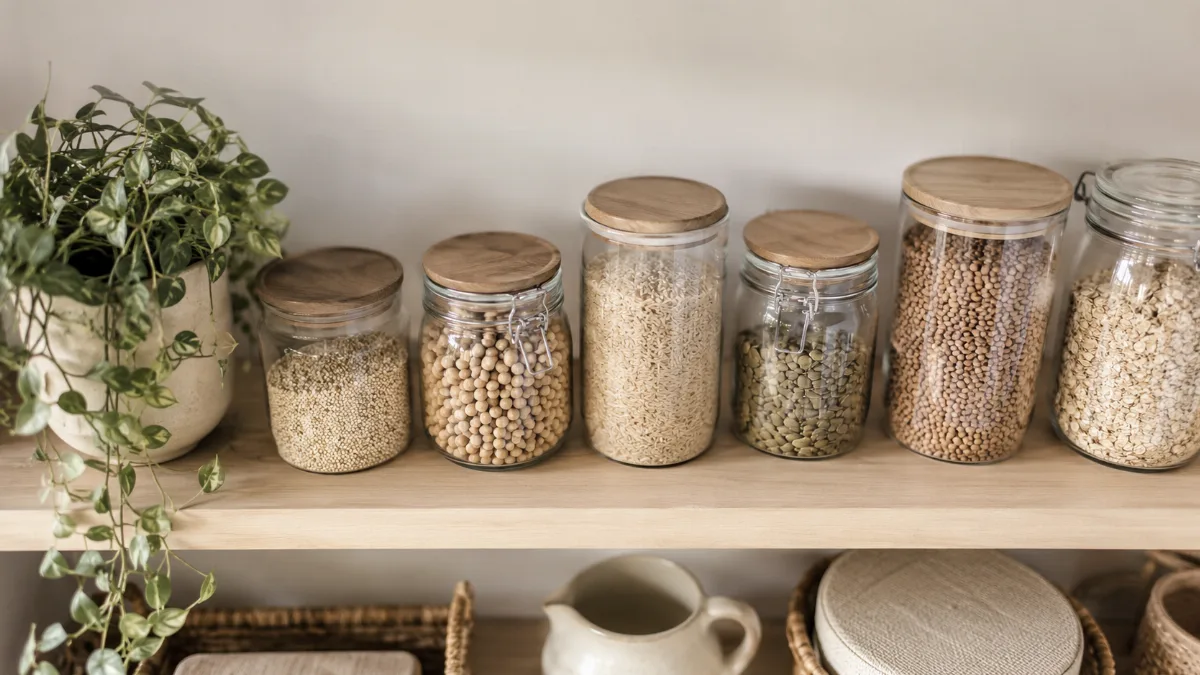
A fallback meal isn't a recipe. It is a category: something you can make in under 30 minutes, on your most depleted evening, from what you already keep at home. The distinction matters, because recipes require ingredients you may not have while categories only require a reasonably stocked pantry.
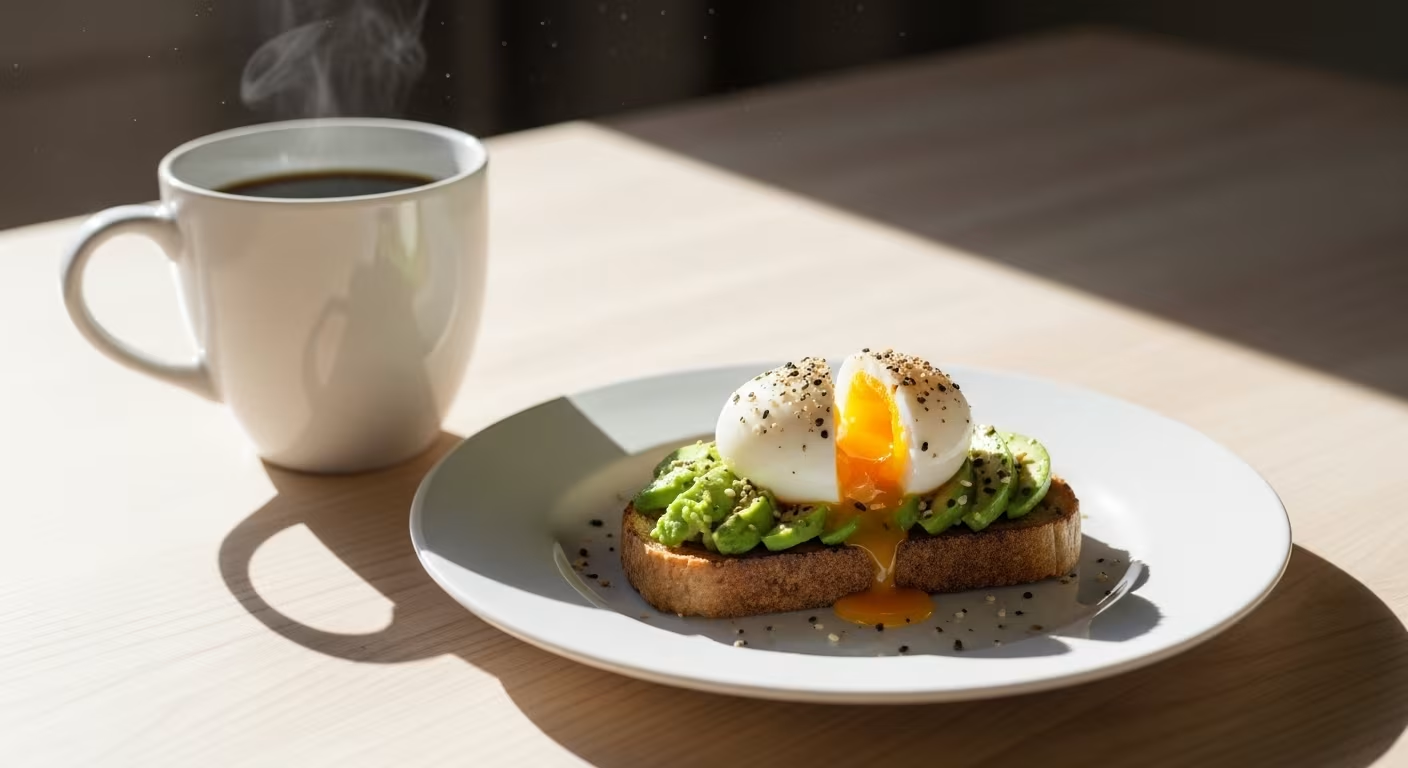
Write five or six of them on paper and post the list somewhere visible in the kitchen. What holds up reliably: eggs in any form — scrambled, fried over rice, a quick frittata with whatever vegetables are close to turning; pasta with canned tomatoes and garlic; rice with a fried egg and a handful of frozen vegetables; beans on toast; a stir-fry with frozen protein; soup from stock and whatever is open in the fridge. None are impressive. They are available and fast, which is the only thing that matters when no one has defrosted anything and everyone is hungry.
The list works as a pre-made decision. On a hard evening the question shifts from "should I cook or order?" to "which of my five will I make?" That reframe removes the open-ended comparison that so often tips toward ordering — the answer already exists before the question arises. Stock the pantry specifically for the list: dried pasta, canned tomatoes, eggs, canned beans, frozen vegetables, rice, stock or bouillon, garlic, and olive oil cover most of the categories, cost less than two delivery orders, and last for months. The discipline is not in the cooking; it is in keeping the list stocked consistently rather than occasionally.
Setting Delivery Nights in Advance
Telling yourself you'll order less is vague. Deciding in advance which evenings are legitimate delivery nights is specific, and specific tends to hold under pressure. Two or three designated nights a week — chosen ahead of time, not judged fresh each evening — build a structure far stickier than an open policy of "only when necessary." On a designated night, order without deliberation. On the others, the fallback list answers the question before it becomes one. The pre-commitment does the work that repeated acts of willpower would otherwise have to do from scratch.
This also improves the ordering itself. When delivery is reserved for real occasions — a restaurant too far to visit in person, a meal genuinely outside your cooking range, a day that went badly enough to earn it — it feels like a choice rather than a reflex. That is more sustainable than either guilt-ridden avoidance or unrestricted use.
What the Kitchen Needs to Do
The goal isn't a culinary operation of any particular ambition. It is a room you use often enough to stay capable of using. A kitchen cooked in three or four times a week stays functional: skills stay sharp, the pantry stays organized around things that actually get used, and the cost of keeping it stocked makes obvious sense. A kitchen cooked in once a week drifts the other way — accumulation, unfamiliarity, and a growing sense that cooking is harder than it should be, which makes ordering easier, which makes the kitchen stranger still.
The fallback list, the stocked pantry, and one extra tap between you and the order button are small adjustments. They don't require a new relationship with food or any commitment to cooking as a value. They shift the conditions just enough that the kitchen gets used more, which makes it easier to use, which makes it get used more.
The delivery math:
| Number | Meaning |
|---|---|
| $13 bowl → $22+ | fees before tip |
| 6:45 p.m. | the hour good intentions reliably lose to an app built for impulse |
| The counter-move | a named under-30-minute meal from what you already keep |
Comments
No comments yet.