
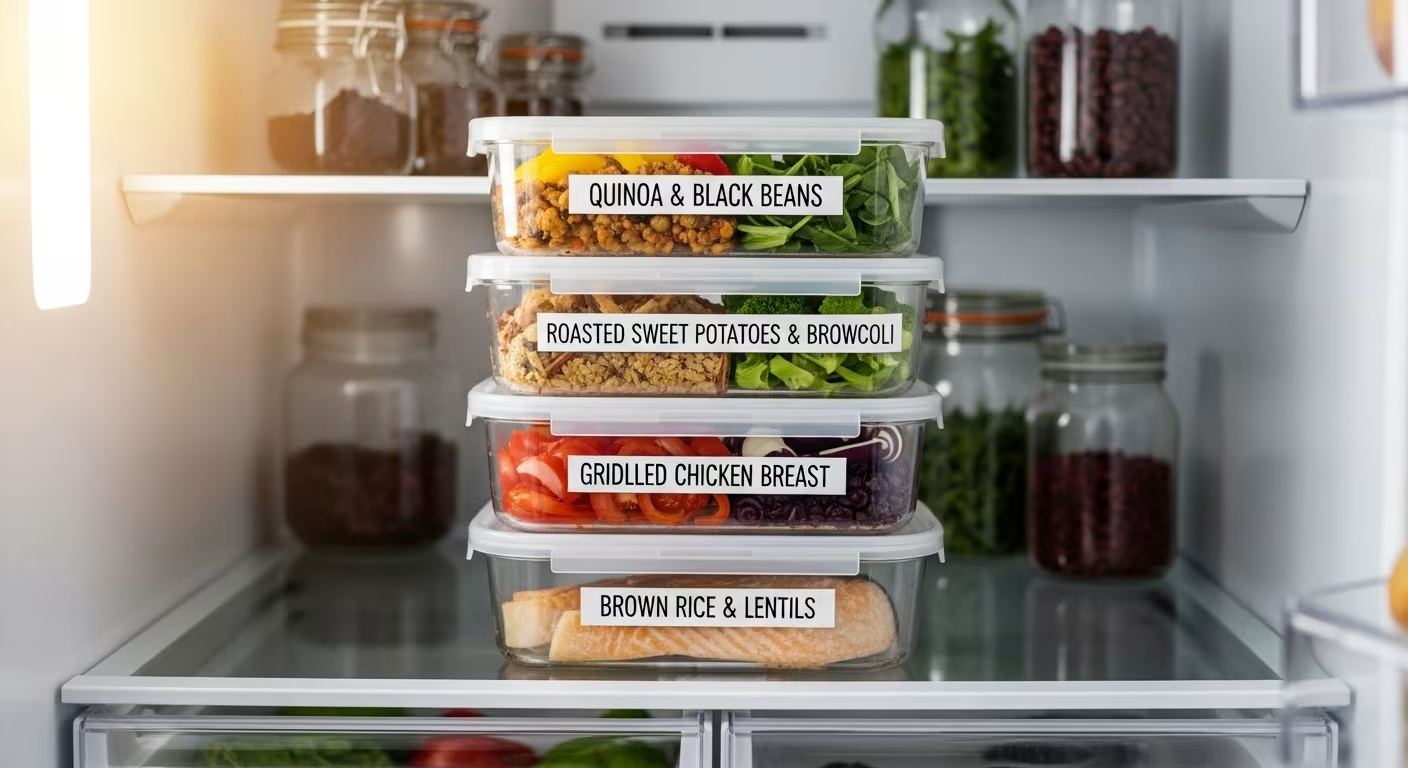

Most meal-prep advice pictures the same Sunday: hours at the stove, a counter lined with matching glass containers, and a fridge stacked with seven identical portioned dinners. That version works for the people who genuinely enjoy it, but it asks for a big block of time and locks you into a fixed meal on every night of the week, whether or not Wednesday-you wants the thing Sunday-you cooked.
A minimalist meal prep system prepares less and uses it more loosely. The aim is not to eliminate weeknight cooking or commit to a specific dish per night; it is to shave the hardest ten minutes off each weeknight dinner so the cooking that remains is fast and low-effort.
What a Minimal System Looks Like
A minimal prep session runs thirty to forty-five minutes and produces two or three building blocks, not finished meals: one cooked grain or starch, one cooked protein or batch of legumes, and one or two prepared vegetables — washed and chopped, then either roasted or left raw for the week.
These get stored as ingredients, not dinners. The rice sits in one covered container, the cooked chicken in another, the roasted vegetables in a third, each ready to be recombined however the night calls for. The same three components become a rice bowl on Monday, a grain salad on Tuesday, a fast stir-fry with fresh vegetables on Wednesday, and a soup base on Thursday. The flexibility is the whole point: you store parts and assemble at the last minute, instead of committing to a plated meal three days early that has to be eaten exactly as imagined.
Storage life is the quiet constraint that shapes how far ahead you can work. Cooked grains and roasted vegetables hold three to four days in the fridge, cooked chicken about the same, and most prepped raw vegetables a little longer. That window is why a single mid-week prep — a smaller Wednesday session, say — often beats one giant Sunday cook that has the last of its output going grey by Friday. Four matching containers and a marker for the date is the entire equipment list; nothing here needs a labeled set of thirty glass boxes.
Choose Components That Cover Multiple Meals
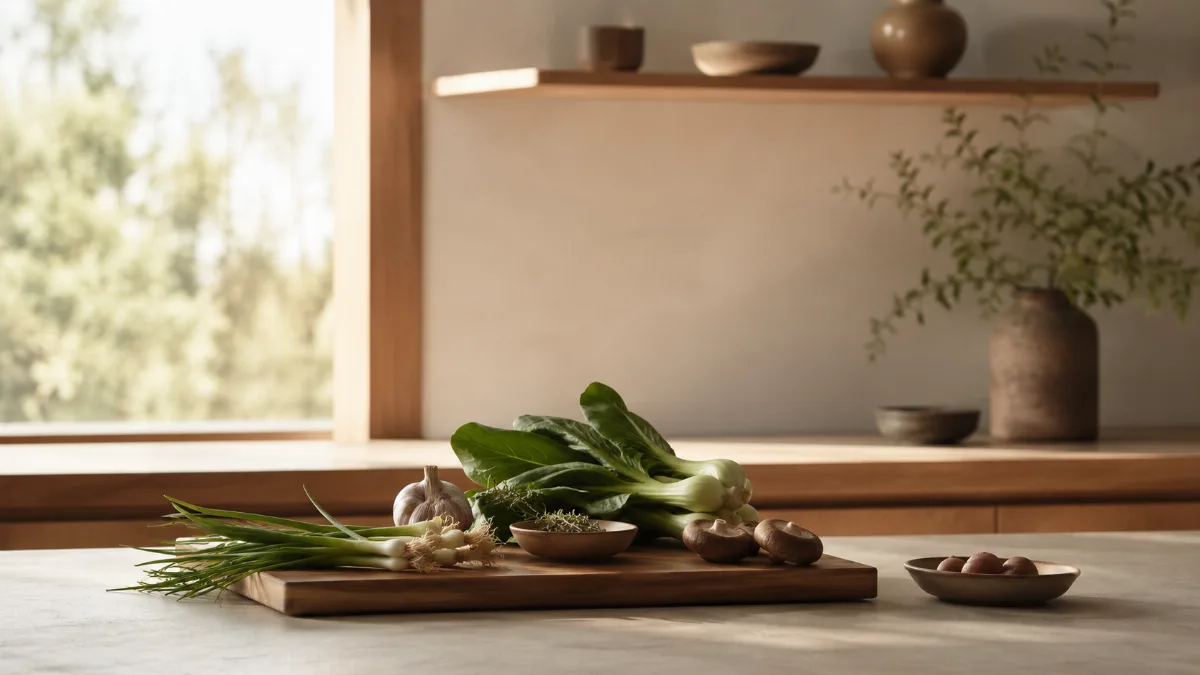
The most efficient components are the ones that turn up in at least three different weeknight dinners. Cooked rice stretches across five formats on its own — the bowl, the stir-fry, the soup base, a simple side, and breakfast congee. A batch of cooked chicken thighs covers the rice bowl, a salad, a pasta addition, a soup protein, and taco filling. Roasted vegetables slot into a bowl, a pasta, a frittata, a sandwich, or a side.
Picking components with several downstream uses is what makes the prep time pay off. A component that only feeds one or two possible meals gives you less return and forces a longer, more elaborate session to cover the week. Two or three genuinely versatile items beat six single-purpose ones every time.
Prep the Produce First
Of every prep task, washing and chopping vegetables returns the most time per minute spent. A bunch of kale washed, dried, and stored takes about three minutes now; on the weeknight it is needed, pulling a clean, ready bunch from the fridge takes seconds. Washing that same kale at 6:45 on a Tuesday still takes three minutes — but at the exact moment you have the least patience for it. This lines up with University of Minnesota Extension's meal-planning guide.
Salad greens, cut fruit, peeled and chopped root vegetables, and aromatics like diced onion, minced garlic, and sliced scallions are the highest-value targets. They are simple jobs that save precisely the time they cost when moved from a weeknight to the weekend, and they are usually the specific tasks that make a weeknight dinner feel more like a chore than it should. Handle the produce ahead and the rest of dinner tends to fall into place quickly.
Prepped produce keeps for different lengths of time, and knowing which is which decides what is worth doing on prep day. Washed and dried lettuce keeps 5 to 7 days in a container with a paper towel. Chopped onions and peppers keep 3 to 4 days. Carrots and celery cut into sticks keep up to a week submerged in water. Broccoli and cauliflower florets keep 4 to 5 days. Cooked grains keep 4 to 5 days refrigerated and up to 3 months frozen in portions. Roasted vegetables keep 3 to 4 days.
Two items are not worth prepping in advance: avocado and cut apples brown within hours, and cucumber and tomato go watery within 2 days. Leaving those three for the day they are used costs 3 minutes and avoids the waste that makes people abandon meal prep after two weeks.
Let the Fridge Do the Planning

A good minimal system uses fridge organization itself as the reminder of what is ready to eat. Keep components in the same visible spots every week — grains on the second shelf, proteins on the first, prepped vegetables in clear containers at eye level — and the available ingredients announce themselves the moment the door opens. No list, no planning app, no standing there trying to remember what you made.
The household that opens the fridge on a Tuesday evening and sees at a glance what is cooked and ready makes a dinner call in about thirty seconds. The household with the same food buried in opaque tubs opens the door, closes it, reconsiders, opens it again, and often ends up ordering out from a fridge that already held dinner. Clear, consistent storage of the prepped parts matters as much as the prepping.
Don't Over-Prep
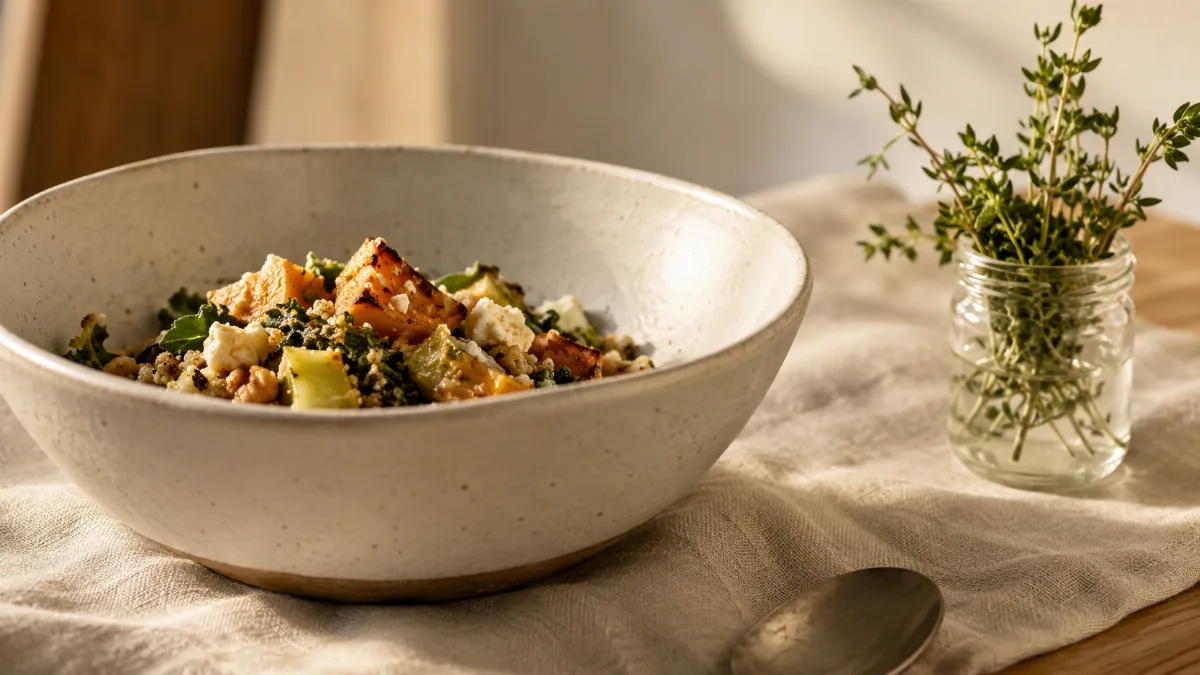
The most common way meal prep fails is prepping more than the week will actually use. Cook double of everything and you get a fridge full of components that start aging before anyone touches them, until they cross the line from food efficiency into food waste — and paying for ingredients twice, once at the store and once in the trash, is worse than no prep at all.
The right amount is what the planned meals need, plus a small buffer. For a household cooking four dinners from prepped components in a given week, the session should produce ingredients for four or five dinners, not ten. This is where planning backward helps: start from the week's actual dinners and work back to the minimum you have to prep. If three dinners use cooked chicken, cook enough for three — not a full tray on the assumption it will all get eaten. Rice with no planned use often sits until it spoils; roasted vegetables with no destination get grazed cold from the container instead of anchoring a meal. A modest batch that gets fully used beats a maximum batch that half rots by Friday.
The failure mode has a shape: 4 hours on a Sunday producing 5 identical containers, of which the last two are thrown out on Thursday. The refrigerated shelf life of most cooked dishes is 3 to 4 days, so anything cooked on Sunday for Friday was never going to be eaten.
A 60 to 90 minute session covering 3 days is a better fit for how food actually keeps. Prep components rather than assembled meals — a grain, a protein, two vegetables and one sauce combine into different dishes across those days, while five identical assembled boxes become the same meal five times, which is the other reason meal prep gets abandoned.
Where to Start Your First Week
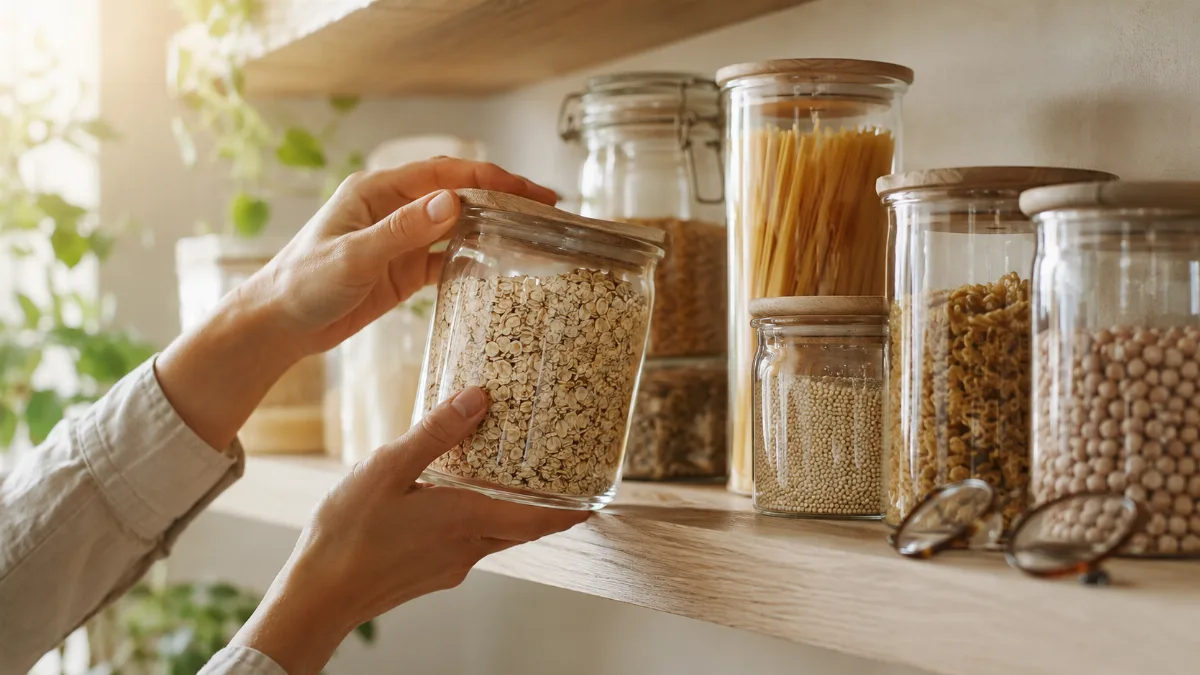
If you have never done weekend prep, the highest-return starter set is a cooked grain (rice or farro, enough for three dinners), a cooked protein (a batch of chicken thighs, or hard-boiled eggs), and one roasted vegetable. Those three, made in under an hour on a Sunday afternoon, make three or four weeknight dinners noticeably faster with no special technique and no labeled containers.
The system needs no recipes and no equipment beyond what a working kitchen already has. It is three repeated habits: look at the week's planned dinners, decide what can be made ahead, and spend thirty to forty-five minutes on the weekend making exactly those things. Keep the first attempt small. Households that begin with a modest scope tend to keep the practice; the ones that launch into an ambitious full-kitchen production most often quit within two weeks because it started to feel like a second job. Prep the three basics this weekend, cook from them Monday and Tuesday, and let the routine grow from a version that already works.
Fridge clocks for prepped components:
| Component | Keeps | Note |
|---|---|---|
| Washed lettuce | 5–7 days | container + paper towel |
| Chopped onions/peppers | 3–4 days | — |
| Broccoli/cauliflower florets | 4–5 days | — |
| Cooked grains | 4–5 days fridge, 3 months frozen | portion before freezing |

Comments
No comments yet.