

Households throw away a meaningful share of the food they buy — commonly cited figures put it somewhere around a fifth to a third. Some of that waste is genuinely unavoidable: the produce that spoils before you get to it, the leftovers nobody finishes. But a real portion is structural — parts of ingredients discarded out of habit rather than necessity, scraps tossed automatically without a thought about what they could still become.
Zero-waste cooking is just the practice of using most of an ingredient instead of only the conventional part. It is not all-or-nothing. Cutting your kitchen waste in half delivers a real saving on both the grocery bill and the trash without demanding perfect use of every last scrap. The techniques below are the highest-value places to start.
Vegetable Trimmings and Stock
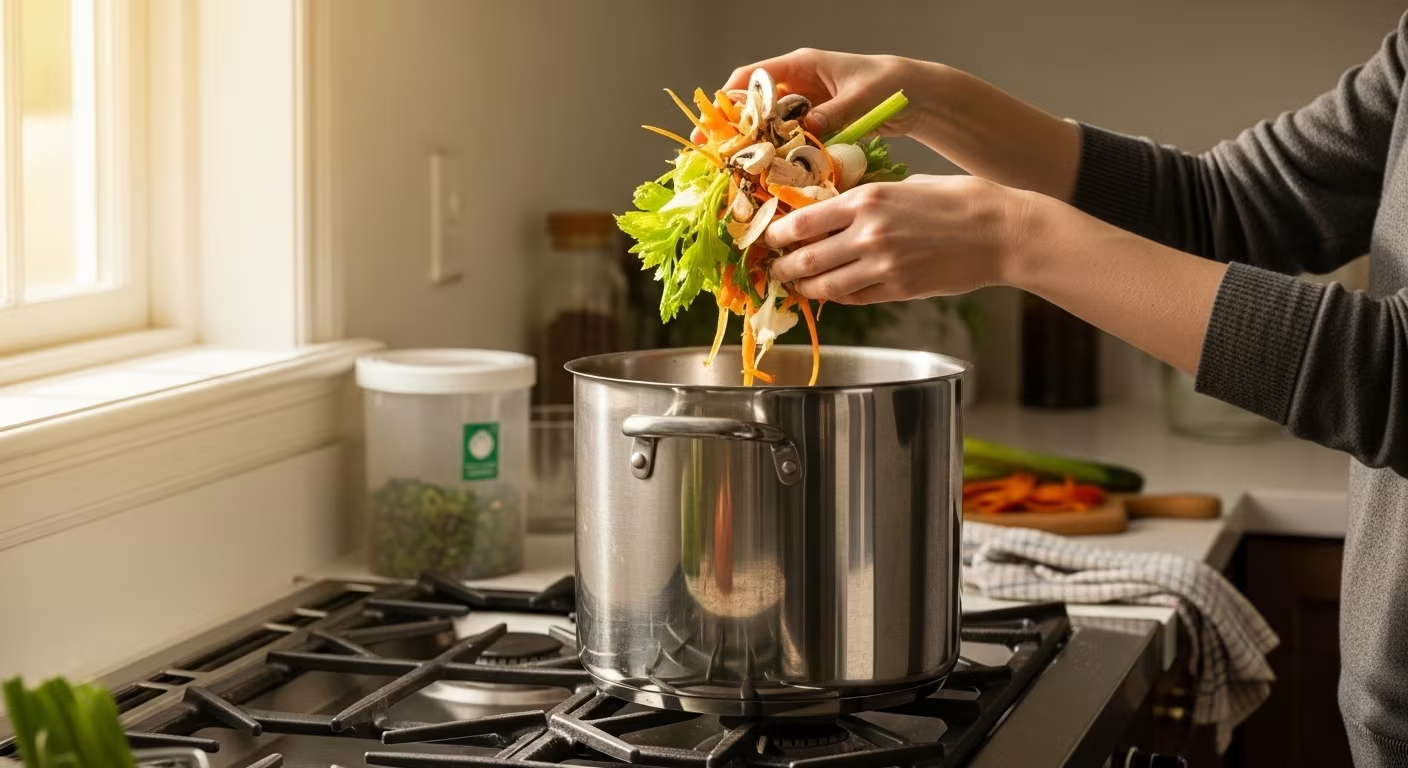
The most accessible practice by far is vegetable stock from scraps. Onion skins and ends, celery leaves, carrot peels, leek tops, mushroom stems, herb stems — the trimmings from almost any mild vegetable add flavor to a pot of stock. Keep a gallon freezer bag going, drop scraps in as you cook, and once it is full you have enough for a full pot of stock that would otherwise have cost you a carton of store-bought or a bundle of fresh vegetables bought just to simmer.
A few things belong in the bag and a few do not. Good candidates: onion skins and ends, carrot peels and tops, celery leaves and base, leek tops, mushroom stems, and parsley and thyme stems. What to keep out: the brassicas — broccoli, cabbage, Brussels sprouts — which turn a stock bitter, and anything already going slimy, which taints the whole pot no matter how long you cook it. Corn cobs are a special case; they make a stock too sweet for general use but a lovely base for a summer corn chowder.
The method is forgiving. Once the bag is full — usually a couple of pots' worth of cooking — tip the frozen scraps straight into a pot, cover with water by an inch or two, add a bay leaf and a few peppercorns if you have them, and simmer gently for about 45 minutes to an hour. Strain, cool, and freeze in usable portions; ice cube trays work well for the small amounts a recipe needs to deglaze a pan or start a sauce. There is no need to thaw the scraps first, and no need to be precise about proportions. For a deeper reference, see University of Minnesota Extension's meal-planning guide.
Citrus Peels and Rinds
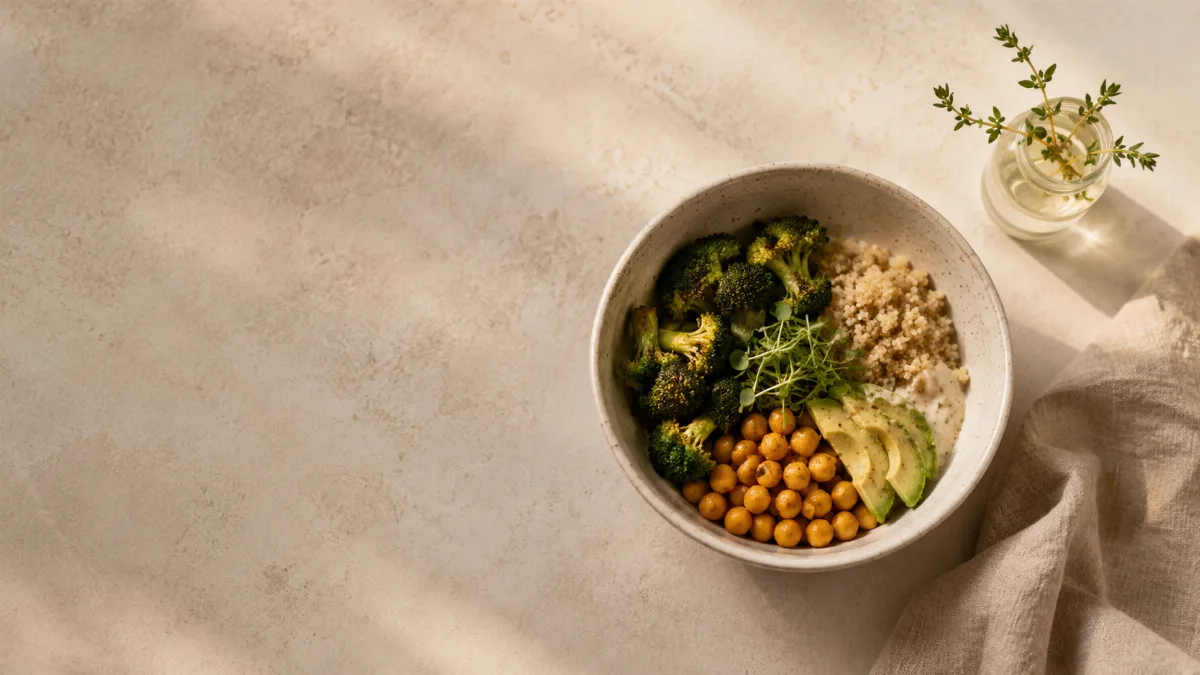
Citrus peels get binned by default in most kitchens despite being genuinely useful. Lemon zest brightens pasta, roasted fish, salad dressings, and baked goods; a single lemon gives you both the juice for one dish and the zest for another. Orange zest lifts marinades, cakes, and sauces, and lime zest carries a lot of the character in South and Southeast Asian cooking. The habit worth building is zesting before juicing, every time, and freezing what you do not use immediately in a small container.
Beyond zest, peels can be candied in a simple sugar syrup and dried into a confection or garnish, or used to infuse a bottle of olive oil or vinegar into a flavored condiment. Dried citrus peel kept in a jar scents a simmering pot of water on the stove for a quick, free alternative to commercial air fresheners. None of this is fussy; it is mostly a matter of not reaching for the trash out of reflex.
Herb Stems and Roots
Herb stems get discarded by most cooks who use only the leaves, even though the stems carry real flavor in most varieties. Parsley stems taste essentially like the leaves and hold up well in stocks, sauces, and braises. Cilantro stems and roots are an intentional flavoring in Thai cooking, pounded into curry pastes. Basil stems infuse oils, and rosemary and thyme stems go straight into a braise with the same effect as the whole sprigs a recipe calls for.
The easiest application is to bundle a handful of stems with a length of kitchen twine and drop the bundle into any stock, soup, or braise, then fish it out before serving. The flavor gain is real, and stems that would otherwise head straight to the compost bin do a full shift of work first. Over a month of cooking, the stems you would have thrown out add up to a noticeable amount of seasoning you did not have to buy.
Meat Bones and Carcasses
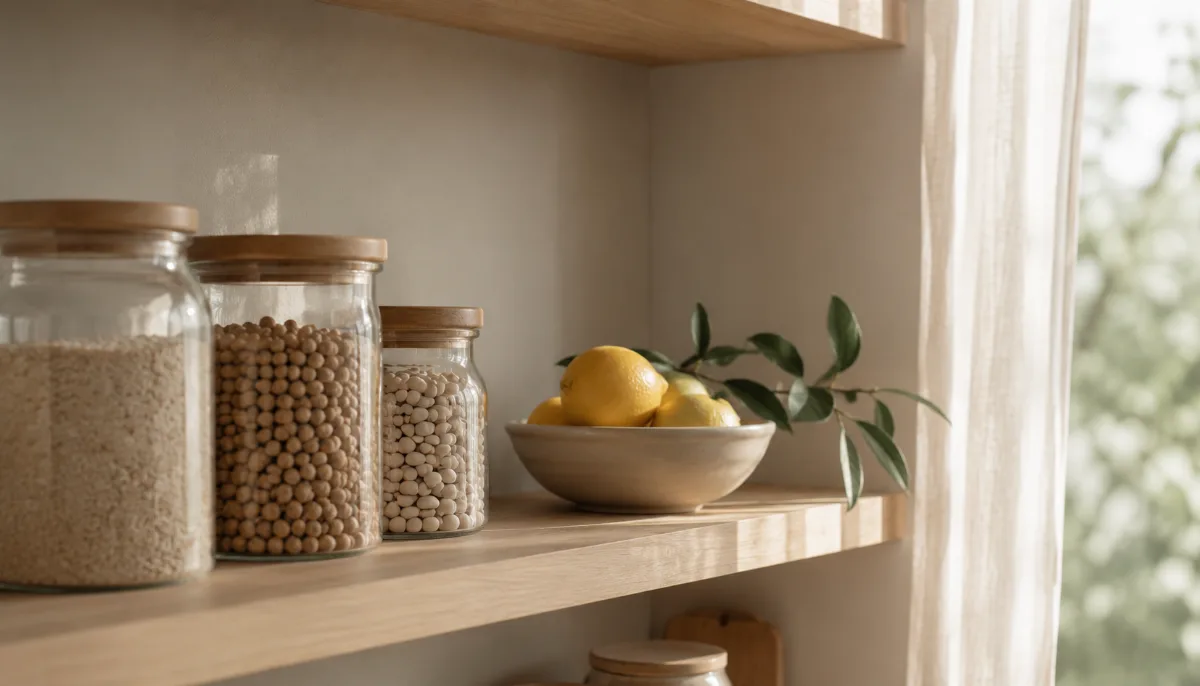
A roasted chicken carcass yields one of the most valuable things in the kitchen: real chicken stock. The bones, the bits of skin, and the juices left in the roasting pan, simmered with an onion, a carrot, and a couple of celery stalks for three to four hours, produce a stock deeper than almost anything on a supermarket shelf and costing nothing beyond time. It freezes well and becomes the liquid for soups, risottos, braises, and grains across the following weeks — one $6 rotisserie chicken effectively feeds you twice.
Beef and pork bones, including rib bones collected after a meal, make stocks that need longer — four to eight hours — but reward it with real body in soups and sauces. A slow cooker takes almost all the work out of the long simmers: add bones, water, and aromatics, set it overnight, and strain in the morning. The active effort is a few minutes at each end.
Plan for Full Use Before You Shop

Zero-waste cooking works best folded into meal planning rather than bolted on as a separate chore. The trick is to account for an ingredient's secondary uses before the groceries are even bought. If a recipe calls for chicken breasts, planning a use for the bones and skin in advance means you can buy a whole bird — cheaper per pound than boneless breasts — and put the carcass to work instead of the bin. If a dish needs half a can of coconut milk, decide where the other half goes the same week.
The same forward accounting covers produce and herbs. Buy a bunch of parsley for one recipe and note where the rest lands before it wilts; zest the lemon for Tuesday's fish and earmark the juice for Thursday's dressing. This advance planning is what prevents the ordinary waste of buying something, using a third of it, and throwing the rest away a week later because there was never a plan for the remainder.
Build the Habits One at a Time

Trying to adopt every technique at once is the fastest way to abandon all of them. The habits stick better added one at a time. Start with the scrap-stock bag, because it asks for nothing but a freezer bag and a pot, produces an obviously useful result, and reinforces itself every time you skip buying stock. Once that is automatic, add zesting citrus before juicing, then start dropping herb stems into your braises, then compost whatever genuinely cannot be used.
Within a few months of this incremental approach, the moves stop feeling like effort. The underlying question — "what else can this be used for?" — becomes a reflex you apply without thinking, and the kitchen's waste output drops without any sense of strain or self-denial.
The Money It Quietly Saves
A household that consistently uses the whole purchase — the entire bunch of parsley, the full can of tomatoes, both ends of the leek — pays meaningfully less per meal than one that regularly bins part of what it buys. The savings compound across every shopping trip: fewer repeat purchases of things bought but not finished, lower totals because less gets bought speculatively, and a smaller takeout habit standing in for the dinner that never happened because the ingredients spoiled. The financial case is as strong as the environmental one. Track your grocery spending for a single month while you build these habits, and the concrete drop in the total tends to keep the practice going long after the initial motivation fades.
The scrap-bag pipeline:
| Step | Detail |
|---|---|
| Fill | freezer bag of onion ends, carrot peels, stems |
| Full at | a couple of pots' worth of cooking |
| Simmer | straight from frozen, covered with water |
| Result | stock for soups, risottos, braises — one $6 roast feeds weeks of liquid |

Comments
No comments yet.