
Minimalist Weekend Routine Ideas for Families Who Need Rest
Okay, let's be real. How many times have you staggered into Monday morning feeling like you needed a vacation from your "weekend"? Like you spent two days just trying to catch up on all the crap you couldn't do during the week, shuttle kids to a million activities, and maybe, just maybe, squeeze in a grocery run?
My hand is definitely up. For years, my weekends felt less like a break and more like a frantic race against the clock. By Sunday night, I was physically and mentally drained, dreading the next five days even more than I had on Friday. It was a damn vicious cycle.
If that sounds familiar, you're in the right place. We're going to talk about how a minimalist mindset can transform your weekends from exhausting sprints to actual, honest-to-god periods of rest and connection. I'll share how I stopped the insanity, what changes we made, and some practical, no-BS ideas you can steal for your own family.
Why This Actually Matters
Because you deserve to rest, mama. Your family deserves a rested, present parent. And your kids deserve weekends where they aren't being dragged from one obligation to the next, never really getting to just be.
For so long, I thought a "good" weekend meant a full calendar. Playdates, birthday parties, sports, errands, home projects, cleaning the damn house from top to bottom. I felt guilty if we weren't constantly doing something productive or fun.
But the truth? All that "doing" left me burnt out. It meant less patience, more yelling, and zero actual enjoyment of the precious family time I was supposedly creating. My husband and I were ships passing in the night, coordinating logistics instead of connecting.
I remember one Sunday evening, I was literally hiding in the pantry eating cold leftover pizza, just to get five minutes of silence. My kids were screaming about something, the laundry mountain loomed, and I had a knot in my stomach thinking about Monday. That was my wake-up call. Something had to give, and it wasn't going to be my sanity.
Minimalism for your weekend isn't just about clearing out junk. It's about clearing out the mental clutter, the unnecessary commitments, and the endless pressure to perform. It's about making space for what truly matters: rest, connection, and joy. It's about feeling recharged when Monday rolls around, not depleted.
The Weekend Reset: It Starts Before Saturday
You can't just flip a switch on Saturday morning and expect a perfectly serene, minimalist weekend. The groundwork for rest often gets laid during the week, especially on Friday. Think of it as setting the stage, not performing a whole play.
I learned this the hard way. I used to save everything for the weekend. Groceries, cleaning, laundry, bill-paying. Then Friday night would roll around, and instead of kicking back, I'd be hit with a wave of dread. My "free time" was already booked with chores.
Now, we have a few simple habits that make a damn difference. They don't take long, but they totally shift the energy for the days ahead.
Pre-Weekend Prep: Little Things That Make a Big Difference
- Friday Night Power Half-Hour
This is it. Thirty minutes, tops. We do a quick tidy-up before dinner. Everyone helps. Kids put away their toys, I wipe down the kitchen counters, my husband takes out the trash. The goal is to wake up Saturday morning to a reasonably clean slate, not a war zone. It honestly makes a huge difference psychologically. No one wants to start their weekend tripping over crap.
This also includes a super simple "meal prep" for Saturday breakfast. We might pull out pancake mix, or just agree on cereal. It means no scrambling in the morning, which used to be a major stressor in our house. Those damn hungry toddlers don't understand "just five more minutes."
- One Load of Laundry
This sounds tiny, but trust me, it's a hell of a mental load off. Don't let all the week's laundry pile up into a monster. Throw in one load on Friday evening – maybe towels, or school uniforms. Get it washed, dried, and folded. It breaks the back of the beast before the weekend even officially begins. You won't believe how much lighter you feel not staring at Mount Laundry on Saturday morning.
I used to stare at my overflowing hamper with genuine despair. Now, if I can just get one load done, even if it's just my own damn underwear, it feels like a victory. Small wins add up, right?
- Calendar Check-in & Saying "No"
Before Friday night hits, my husband and I do a quick 10-minute check-in about the weekend. What's actually happening? Are there any commitments we forgot? More importantly, is there anything we can cancel or delegate? This is where the minimalist mindset really kicks in.
We've gotten really good at saying no. "No, we can't make it to that distant cousin's second birthday party." "No, we don't want to spend all Saturday at the hardware store just because it's a good deal." It feels hard at first, like you're letting people down. But you're really just protecting your family's peace. And your own damn sanity.
Sometimes, saying no to someone else is saying yes to yourself. Yes to quiet. Yes to rest. Yes to not feeling overwhelmed.
How To Actually Do It: Weekend Edition
Okay, so the prep is done. Now it's Saturday morning, and you're ready to embrace some actual rest. This isn't about rigid scheduling; it's about intentional choices that protect your energy and time. It's about designing a weekend that actually recharges you, instead of draining you even more.
Step 1: Simplify Your Saturday Morning
This is probably the biggest game-changer for us. Forget the elaborate brunch plans or the immediate rush out the door. Start slow. Let your Saturday morning unfold with ease, not urgency. It sets the tone for the entire weekend, trust me on this.
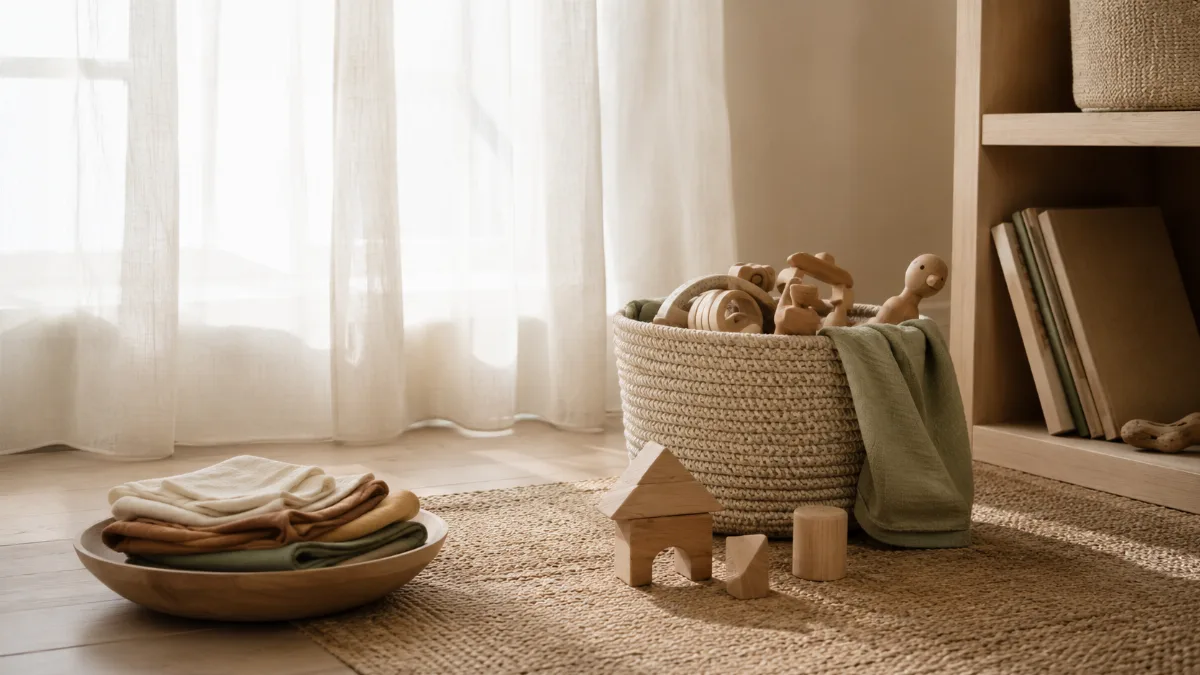
For us, this means easy breakfast. Cereal, toast, pre-made muffins, or fruit. My kids can grab it themselves (mostly). It also means a "no screens for the first hour" rule. This is critical. Instead of zoning out, they usually play quietly with blocks or read books. It's not always perfect, but it's a damn sight better than immediately handing them an iPad.
Another small thing? Get dressed within an hour of waking up. PJs all day sound fun in theory, but for me, it makes me feel less productive and more sluggish. A simple outfit change, even into sweats, signals to my brain that the day has started. It's a small mental reset that helps a ton.
Step 2: Choose One "Big Thing" – and Only One
This is where minimalist thinking really shines. We used to try to pack so much into Saturday. The farmer's market, the park, a birthday party, maybe a quick errand to Home Depot. By 2 PM, everyone was overstimulated, cranky, and demanding snacks. It was a hell of a lot of rushing and zero actual enjoyment.
Now, we pick one "big thing" for the day. Is it a trip to the children's museum? Great, that's it. Is it cleaning out the garage? Fine, we'll focus on that. A playdate with friends? Awesome, that's our main event. The key is one. Just one major commitment or activity.
This frees up so much mental space. You're not constantly looking at the clock, rushing to the next thing. It allows for spontaneity, for lingering at the park, for actually enjoying the activity you chose. The other things? They can wait, or just not happen. The world will not end, I promise you.
Step 3: Embrace the "Lazy Loop"
I swear by this. The "lazy loop" is built-in downtime. It's permission to do absolutely nothing. It might be an afternoon where everyone reads books in their own corners of the house. It might be a family movie on the couch with blankets and popcorn. It might be a designated "quiet time" where the kids play independently while you stare at a wall for 20 minutes. Whatever it is, it's about unapologetically scheduling rest.
This was hard for me at first. The guilt of "wasting time" gnawed at me. But I realized that constantly doing wasn't making me happier or more productive. It was making me exhausted. Now, my kids actually ask for "lazy loop" time. They look forward to it. It gives their little brains a chance to process and recharge, just like ours do. It's where the best imaginative play happens, too, when they're not being constantly entertained.
Sometimes, this just means having no plans at all. Literally. Nothing on the calendar. Just wake up and see what the damn day brings. It's scary and liberating all at once.
Step 4: The Sunday Evening Wind-Down (Not Wind-Up)
Sunday evenings used to fill me with dread. The "Sunday Scaries" were real, and they had teeth. I'd be scrambling to get everything ready for the week, feeling overwhelmed by the impending Monday. It meant I never actually got to enjoy the end of my weekend.
Now, we have a deliberate wind-down routine. It's about easing into the week, not crashing into it. This means minimal chores. We might do a quick 10-minute tidy, but no deep cleaning. The focus shifts from "doing" to "being."
We spend quality time together. A family game, reading books, a relaxed dinner. We try to have dinner a bit earlier so there's less rush before bedtime. And here's the kicker: I pack lunches for Monday before dinner, or even Saturday evening, if I'm feeling ambitious. This saves me so much frantic energy when the kids are finally asleep and I just want to collapse.
Getting clothes ready for Monday, even if it's just laying them out, also helps. It's about taking those small, low-energy tasks and getting them out of the way, so your Sunday evening can actually be about connection and relaxation, not just prep.
Step 5: Declutter a "Hot Spot" for 15 Minutes
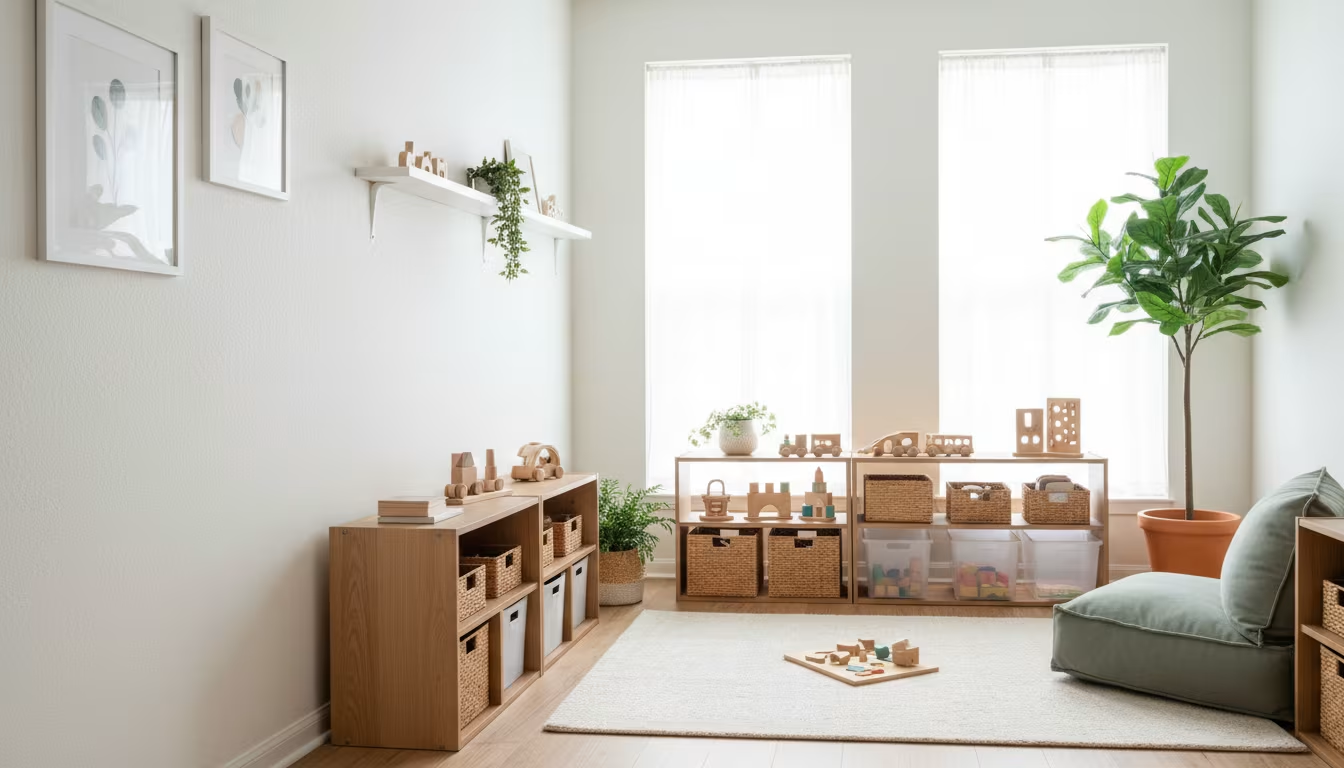
This isn't about a whole house overhaul. That's for another day, sister. This is about preventing chaos creep. Pick one small area that always seems to accumulate junk – the kitchen counter, the entryway shoe pile, a kid's overflowing toy basket. Set a timer for 15 minutes. And just tackle that one spot.
It's amazing what you can accomplish in 15 focused minutes. You can clear off that counter, put away those damn shoes, or sort through one bin of Legos. The goal isn't perfection; it's progress. It's about keeping the clutter from getting out of control, without dedicating your entire weekend to it.
This practice means you're not constantly feeling overwhelmed by mess. You're staying on top of it in small, manageable chunks. And it feels damn good to see that little corner look tidy, even if the rest of the house is still a disaster area. Small wins, remember?
My kids (mostly) help with this. If I say, "Hey, let's see how many lost socks we can find in the living room in 5 minutes," it becomes a game. Sometimes they're into it, sometimes they're not. But I don't pressure it. Fifteen minutes is for me to chip away at something that's been bugging me.
Step 6: Meal Prep for Sanity, Not Perfection
When I say "meal prep," I'm not talking about those elaborate Instagram-worthy meal prep containers. Hell no. I'm talking about simplifying future meals just enough so that you're not pulling your hair out on Tuesday night trying to figure out dinner. It's about reducing decision fatigue and the sheer mental load of "what's for dinner?"
On Sunday, I might bake a big batch of chicken breasts that we can use for salads, tacos, or pasta later in the week. Or I'll chop up a bunch of veggies for stir-fries or snack plates. Sometimes it's just making a big pot of rice or quinoa. The goal isn't to have every meal ready, but to have key components prepped.
This means I'm not staring into an empty fridge on a Tuesday, trying to conjure dinner out of thin air while a toddler is clinging to my leg and the older one is asking for the 47th snack of the hour. It saves time, money (fewer takeout impulses), and my freaking patience.
It's also about planning for quick wins during the week. Maybe it's a "taco Tuesday" or "pizza Friday." Having those defaults means one less decision to make, one less thing to think about when your brain is already fried from work and parenting. Don't underestimate the power of removing tiny decisions.
Step 7: Schedule "Me Time" (Seriously)
I know, I know. "Me time" sounds like a luxury, like something only people without children or jobs get to do. But it's not a luxury; it's a necessity. If you don't intentionally schedule it, it will not happen. And then you'll resent everyone and everything.
This doesn't have to be a spa day (though, hell yeah, if you can swing it). It could be 30 minutes with a book and a cup of tea without interruption. It could be a solo walk around the block. It could be a damn uninterrupted shower. Whatever it is, put it on the calendar, communicate it to your partner, and protect it fiercely.
For me, it's often a Saturday morning run while my husband handles the kids, or an hour with a book in bed on Sunday afternoon while they're having quiet time. It's not a lot, but it's enough to feel like an actual human again. You can't pour from an empty cup, and sometimes that cup needs a serious refill, not just a drip.
Step 8: Unplug and Disconnect
Our phones and devices are constant attention-grabbers. They pull us away from the present, from our kids, from our partners. A minimalist weekend routine often means intentionally reducing screen time for the whole family. This doesn't mean a total ban, but a conscious effort to put devices down more often.
We try to have "phone-free zones" or "phone-free hours." Maybe during meals, or for a block of time on Saturday afternoon. It's hard as hell, I'm not going to lie. But when my phone isn't constantly buzzing, I find myself more engaged, more patient, and less anxious. My kids also pick up on it, and they're less likely to be glued to their tablets if I'm not glued to my phone.
Try it. Designate an hour or two where everyone puts their devices away. Read, play a board game, go outside, or just sit and talk. You'll be amazed at how much more connected you feel, and how much less external noise is filling your brain. It's a true act of self-care and family connection in our overly-digital world.
Making It Stick & Avoiding the Pitfalls
So, you're probably thinking, "Eleanor, this sounds great, but life happens." And you're damn right it does. We're talking about real life with real kids and real schedules, not some perfectly curated Instagram feed.
The biggest pitfall is trying to implement everything at once. You'll get overwhelmed, give up, and feel like a failure. Don't do that to yourself. Start small. Pick one or two things from this list that resonate with you and try them this weekend. See how it feels.
Another common mistake is expecting perfection. Your kids will still have meltdowns. Your partner might forget to take out the trash. You might still end up with a sink full of dishes on Sunday night. And that's okay. The goal isn't a flawless weekend. The goal is to feel more rested than you did before, more connected to your family, and less stressed overall.
Be flexible. Life throws curveballs. A sick kid, an unexpected invitation, a sudden urge to just veg out instead of doing your one "big thing." Roll with it. The beauty of a minimalist routine is that it creates buffers, so when things go sideways, you're not completely derailed.
The goal isn't a perfect minimalist weekend. The goal is a rested family.
Communicate with your partner and kids. Explain why you're making these changes. "Mommy needs more rest so she can be more patient," or "Let's choose just one fun thing today so we can really enjoy it, instead of rushing around." Kids understand more than you think, especially if they see the positive impact (like a less stressed parent).
Frequently Asked Questions
The Bottom Line
Your weekend shouldn't feel like another job. It should be a chance to hit reset, to connect with your family, and to recharge your own damn batteries. A minimalist approach to your weekend isn't about doing nothing; it's about doing less of what drains you and more of what fills you up.
It's about letting go of the guilt, the pressure, and the endless to-do list, and embracing a slower, more intentional pace. Start small this weekend. Pick one idea, one little thing, and see how it feels. Give yourself and your family the gift of rest. You deserve it. ❤️