
The Best Multipurpose Furniture for Small Minimalist Homes
My living room used to be a war zone. I swear, every time I turned around, another piece of furniture had spawned. A giant coffee table I rarely used, a bookshelf overflowing with random crap, and a playpen that took up half the space.
I’d trip over a toy, then stumble into the corner of the credenza, all while trying to carry a sleeping toddler. Sound familiar? Because it was my damn reality, and I was losing my mind.
If you're staring at your own small space, wondering how to fit a family of four into a shoebox apartment, or just trying to carve out a quiet corner for yourself, I've been there. Today, we're going to talk about how a few smart furniture choices can actually give you your home back.
We’ll dig into why this even matters, some specific pieces that actually work, and how to avoid buying another piece of furniture you'll hate in six months. Let's make some space, shall we?
Why This Actually Matters
Okay, let's be real. We're moms. We're tired. The last thing we need is a house that fights against us instead of working with us. And a cluttered, cramped space? That’s definitely fighting you.
Think about it: every extra piece of furniture means more surfaces to dust, more things to move when you vacuum, and more visual clutter just buzzing in your brain. That's precious energy you could be using to, I don't know, drink hot coffee or scroll Instagram for five glorious minutes.
I used to spend a good 30 minutes every Sunday just "tidying" our main living area. It felt like I was constantly rearranging a game of Tetris, trying to make bulky furniture fit. After we started swapping out single-purpose items for smarter, multipurpose pieces, that tidying time practically disappeared.
Now, I spend maybe ten minutes, mostly just putting away the kids' toys. The rest of the space just… functions. It's less stress, more sanity, and honestly, a lot more room for the kids to actually play without me screaming, "Watch out for the lamp!" every two seconds.
It's not just about looking minimalist or Pinterest-perfect. It's about practical living. It's about saving yourself money by not needing to buy three different things when one will do. It's about creating a calm zone in a chaotic life. And honestly, who doesn't need more of that?
What Even Is Multipurpose Furniture? The Basics
So, what exactly are we talking about here? Multipurpose furniture is pretty much what it sounds like: pieces that serve more than one function.
It's not just a sofa; it's a sofa that pulls out into a bed. It's not just a coffee table; it's a coffee table with hidden storage or one that lifts up to become a desk. It's furniture that earns its keep, pulling double or even triple duty in your home.
The whole point is to maximize your square footage without bringing in a ton of extra stuff. Instead of needing a guest bed and a sofa, you get one item that does both. Less stuff, less visual noise, more space for living.
For us moms, this isn't some fancy design trend. It’s a survival tactic. Our homes are constantly under siege by toys, art supplies, tiny socks, and all the other flotsam and jetsam of family life. We need furniture that can keep up.
The Real MVP Multitaskers
Let's talk about some of the stars of the multipurpose show. These are the kinds of pieces that truly transform a small space.
- Sofa Beds (or Daybeds with Trundles) - You know these. They look like a normal sofa but convert into a bed. A daybed with a trundle is another great option, especially for a kid's room or a den, giving you two beds out of one footprint. We swapped our old guest bed for a comfy sofa bed in our office and suddenly we had a functional room for both work and occasional visitors.
- Storage Ottomans/Benches - Oh, how I love these. They’re a footrest, extra seating, and a hidden treasure chest for all the random toys that suddenly appear five minutes before guests arrive. We have one in our living room that holds all of Leo’s favorite blocks and puzzle pieces. It’s a damn lifesaver.
- Nesting Tables - These are usually a set of two or three tables that tuck inside each other. When you need more surface area for drinks or snacks, you pull them apart. When you don’t, they nest neatly back together, taking up the space of just one small table. Brilliant for small corners or next to a reading chair.
- Wall-Mounted or Fold-Down Desks/Tables - If you don't have a dedicated office (hello, fellow kitchen-table workers!), a desk that folds flat against the wall is amazing. You can pull it down for homework or bill paying, then fold it up to get it out of the way. Some even have shelves for storage when closed.
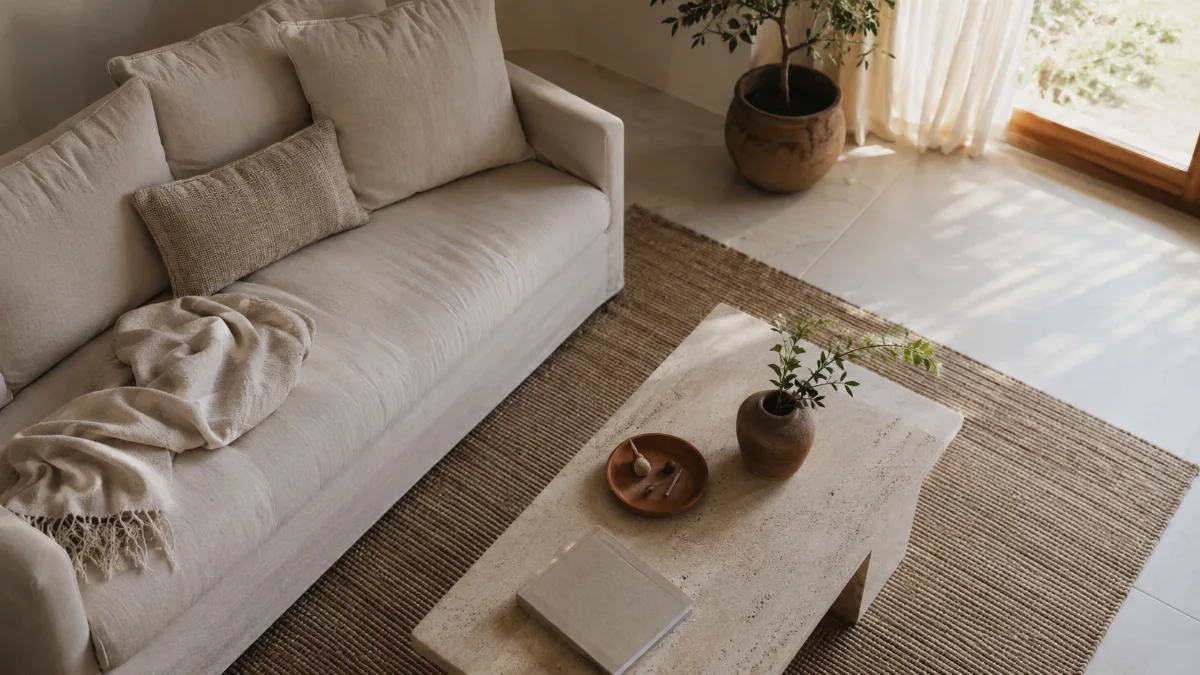
- Coffee Tables with Lift-Tops or Storage - My current coffee table has a top that lifts up, turning it into a comfortable height for eating dinner on the sofa or working on a laptop. Underneath? A huge compartment for blankets, remotes, or whatever else I want to hide from tiny hands.
- Shelving Units with Desks or Storage Bins - Think IKEA Kallax, but used smarter. A simple cubby shelf can hold decorative baskets for toys, books, or even art supplies. You can also get inserts that turn a cubby into a small desk space, making it perfect for a kids' room or a playroom.
- Trundle Beds or Captain's Beds - These are fantastic for kids' rooms. A trundle bed pulls out a second mattress from underneath, perfect for sleepovers. A captain's bed has drawers built right into the frame, providing tons of extra storage without needing a separate dresser.
- Modular Sectionals - A sectional sofa that can be reconfigured or pulled apart is a dream for small spaces or awkward layouts. You can move pieces around to create different seating arrangements or even use an ottoman piece as an extra seat or footrest. It grows and changes with your needs.
- Beds with Integrated Storage - Forget just trundle beds. Many modern bed frames come with built-in drawers underneath, eliminating the need for a separate dresser or extra bins under the bed. It's a clean, seamless way to add storage for linens, seasonal clothes, or even kids' toys.
- Kitchen Islands on Wheels with Storage - If your kitchen is tiny, a rolling island can be a godsend. It offers extra counter space for prep, a place to eat, and often has shelves or drawers for pots, pans, or pantry overflow. You can tuck it against a wall when not in use or roll it out to the center for cooking.
- Bookcases with Doors/Drawers - A bookcase that's not just open shelves helps with visual clutter. Having some sections with doors or drawers lets you hide away less aesthetically pleasing items while still displaying books or decor where you want to.
- Entryway Benches with Shoe Storage - If your entryway is a dumping ground for shoes, bags, and coats, a bench with built-in cubbies or a lift-top lid can be a game-changer. It provides a spot to sit and put on shoes, and all the mess gets tucked away.
- Kids' Furniture that Grows - Think about cribs that convert to toddler beds and then full-size beds. Or changing tables that become dressers. Buying once for multiple stages saves money and space in the long run. My daughter's dresser was originally her changing table, and it’s still going strong.
- Expandable Dining Tables - For those who occasionally host but don't have space for a massive dining table all the time, an expandable table is perfect. It can be a compact four-seater for daily family meals, then extend to fit six or eight when you have guests over.
- Storage Bins Disguised as Decor - Okay, not technically furniture, but hear me out. A cute lidded basket isn't just decor; it's a place to stash blankets, magazines, or remote controls. It’s about making everyday storage look intentional and stylish.
How To Actually Do It: Getting Started with Multipurpose Pieces
So, you're sold on the idea, right? Less crap, more space, easier life. But how do you actually make this happen without feeling totally overwhelmed or blowing your budget on a whole new house full of furniture? It starts small, like everything else.
Step 1: Audit Your Space (Seriously)
Before you even think about buying anything new, grab a notebook and a coffee (or a glass of wine, no judgment here). Go into every single room in your house. Every single one.
Look at each piece of furniture and ask yourself: "What is this actually doing for me?" "What functions do I need in this room that aren't being met?" Write it all down. It’s tedious, I know, but trust me, this step is critical. Don't just look at what's there; consider what isn't there that you wish you had.
Step 2: Define Your Pain Points
Now that you've got your list, circle the biggest problem areas. Is your living room always cluttered because there’s nowhere to put the blankets and remotes? Do you desperately need a desk but don't have a spare corner? Is guest sleeping a constant nightmare?
These are your "pain points." This step helps you identify real needs, not just wants. You'll likely discover that your biggest issues stem from furniture that only does one thing, and not even that well.
Step 3: Research Smart Options
Okay, now you get to the fun part: dreaming. Based on your pain points, start researching multipurpose solutions. If you need a desk and guest bed, google "sofa bed with built-in desk" or "wall-mounted desk."
Don't just look at what's pretty. Read reviews, watch videos. How easy is that sofa bed to convert? Can a tired mom do it alone at 11 PM? Is that storage ottoman actually big enough to hold more than two magazines?
I once bought a "storage bench" that was so narrow, it barely fit a throw blanket. It looked cute, but it was practically useless for real-life storage. Learn from my mistakes, folks.
Step 4: Prioritize Function Over Form (Mostly)
I get it, aesthetics matter. You want your home to look nice. But with multipurpose furniture, functionality has to come first. A stunning lift-top coffee table that’s too heavy to actually lift? Useless.
A sofa bed that's a dream to look at but feels like sleeping on a bag of rocks? Also useless. Find pieces that work for their primary functions, then narrow down by style. There are tons of beautiful, functional options out there; you don’t have to sacrifice one for the other.
Step 5: Measure, Measure, Measure
This seems obvious, but people skip it all the damn time. Grab your measuring tape. Measure the space where the new piece will go. Measure the doorways, the hallways, the stairwell. Nothing, and I mean NOTHING, is worse than falling in love with a piece online, ordering it, and realizing it won't fit through your front door.
Also, consider the "open" dimensions. How much space does that sofa bed take up when it’s fully extended? Does that wall-mounted desk impede a walkway when it’s down? Measure everything twice.
Step 6: Test Before You Invest (If Possible)
If you can, go to a physical store. Sit on the sofa bed. Try converting it. Open and close the drawers on the storage bed. Lift the top of the coffee table. Is it smooth? Is it quiet?
This is especially important for items you’ll use daily. You might not be able to test everything, especially if you're buying online, but read those detailed reviews. Look for photos from actual customers. They'll tell you the real story.
Step 7: Start Small, Iterate
Don’t feel like you have to redecorate your entire house in a weekend. Pick one room, one pain point. Maybe it’s the living room coffee table, or your kids' overflowing toy situation. Start there.
See how that one change impacts your daily life. You might find that the first piece you buy isn't perfect, and that's okay. You're learning what works for your family and your space. It's an evolving process, not a one-and-done project.
Step 8: The Declutter Before the New Buy
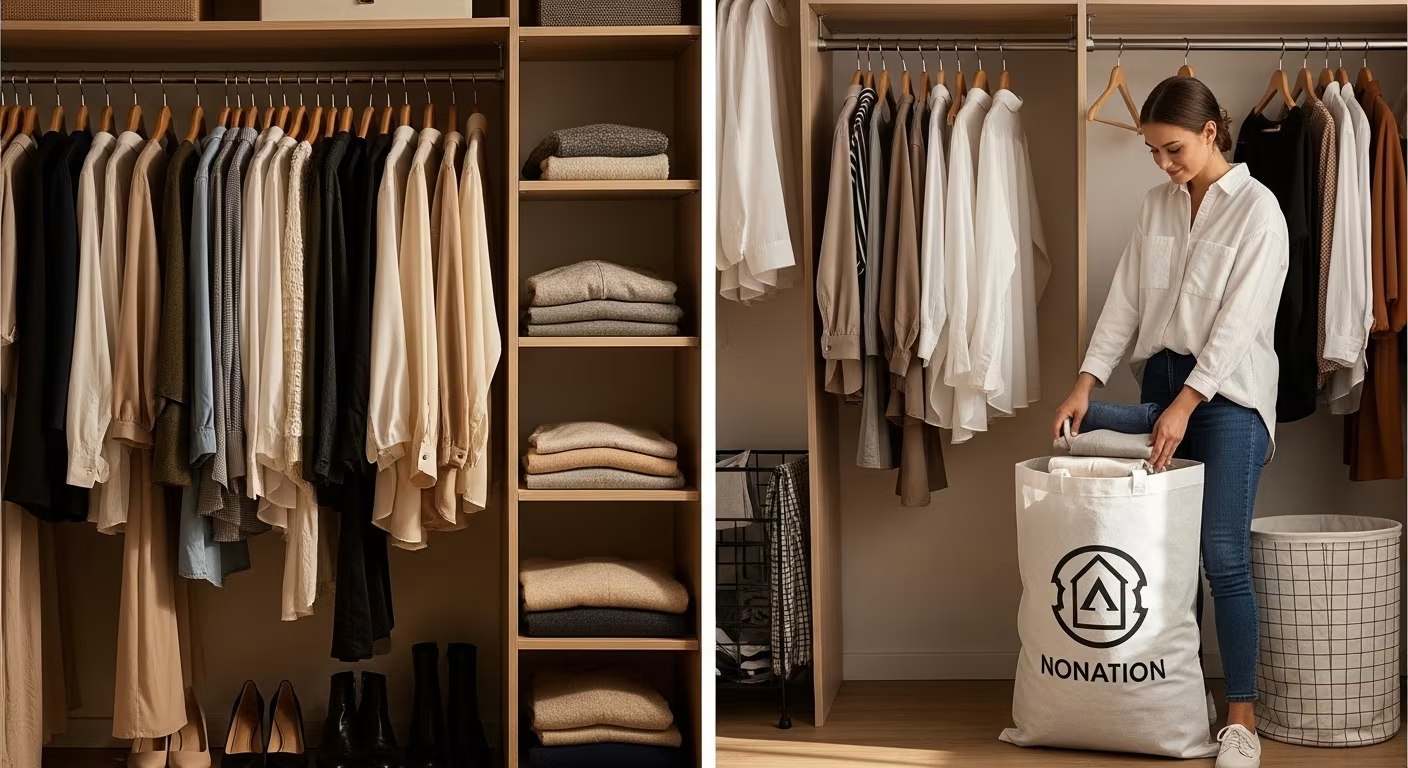
This is non-negotiable. Before you even think about bringing a new multipurpose piece into your home, you have to get rid of the stuff it's replacing. If you're getting a storage ottoman, empty out the current basket/table/whatever that’s holding those items. If it’s a sofa bed, figure out what's happening to the old sofa.
Otherwise, you're just adding more stuff, not replacing it. The whole point is to reduce clutter and free up space, not just move it around. List your old furniture on Facebook Marketplace, donate it, or give it to a friend. Just get it out of your house before the new stuff arrives.
Making It Stick & Common Mistakes to Avoid
You’ve done the work, you’ve picked out some awesome pieces. Now how do you make sure this actually works long-term and doesn't just become another phase?
The biggest hurdle for most of us isn't finding the furniture; it's making the mental shift and avoiding common pitfalls that lead to more clutter down the road.
Mistake 1: Buying for the "What If"
Oh, the dreaded "what if." What if we host 10 people for Thanksgiving? What if my sister's family stays for a week? What if I suddenly decide to take up pottery and need a huge workspace?
This leads to buying oversized pieces or things you rarely use. Design for your everyday reality, not the rare exception. You can always rent chairs for Thanksgiving, or put an air mattress in the guest room for that one time a year. Don't let the "what ifs" dictate your daily space.
Mistake 2: Ignoring Daily Use and Effort
Some multipurpose items require daily effort. A wall bed that has to be pulled down and put away every single morning, or a sofa bed that's a struggle to convert from sofa to bed. If it's a pain to use, you won't use it.
Be honest with yourself about your energy levels. As a mom, mine are often in the negative. If it's too much work, you'll just leave it in one configuration, defeating its purpose. Look for smooth, easy mechanisms.
Mistake 3: Over-Optimizing Everything
While the goal is multipurpose, you don't need every single thing in your home to do three jobs. Sometimes, a simple side table is just a side table, and that's fine.
Trying to force every piece into a dual role can lead to awkward designs or just unnecessary complexity. Focus on the major pain points and high-traffic areas, not every single corner.
Mistake 4: Sacrificing Comfort for Function
A storage ottoman that’s too hard to sit on, or a sofa bed that feels like a plank of wood, isn't going to make you happier. Functionality is key, but comfort is right up there, especially for items you interact with daily.
If you're buying a piece that doubles as seating, make sure it’s comfortable to sit on. If it's a bed, make sure it's comfortable to sleep on. Don't compromise your back or your bum just to save a few square inches.
Mistake 5: Forgetting About Kids and Pets
Kids and pets are chaos agents, bless their hearts. If you're buying a storage ottoman, is the fabric stain-resistant? Can little fingers pinch themselves in the lift-top? Is the material durable enough to withstand a toddler’s relentless climbing?
Factor in durability and easy cleaning, especially for pieces in high-traffic family areas. Washable covers, solid wood, and sturdy construction are your friends here.
Multipurpose furniture isn't about fitting more into a small space. It's about designing a space that truly works for how you live, day in and day out.
Frequently Asked Questions
The Bottom Line
Look, living in a small space with kids isn't easy. It often feels like you're playing a losing game of Jenga with your furniture. But with a little intentionality and a few smart choices, you really can make your home feel more spacious, more organized, and just plain easier to live in.
It's not about making your home look like a showroom; it's about making it work for your actual, messy, beautiful life. Start with one room, one pain point. Take a deep breath. You’ve got this. 👋💖