
The Four-box Decluttering Method That Works for Any Space

Okay, raise your hand if you’ve ever walked into a room in your house and immediately felt a wave of stress wash over you. Like, you just wanted to turn around and walk right back out the damn door? Yeah, me too. My hand is definitely up.

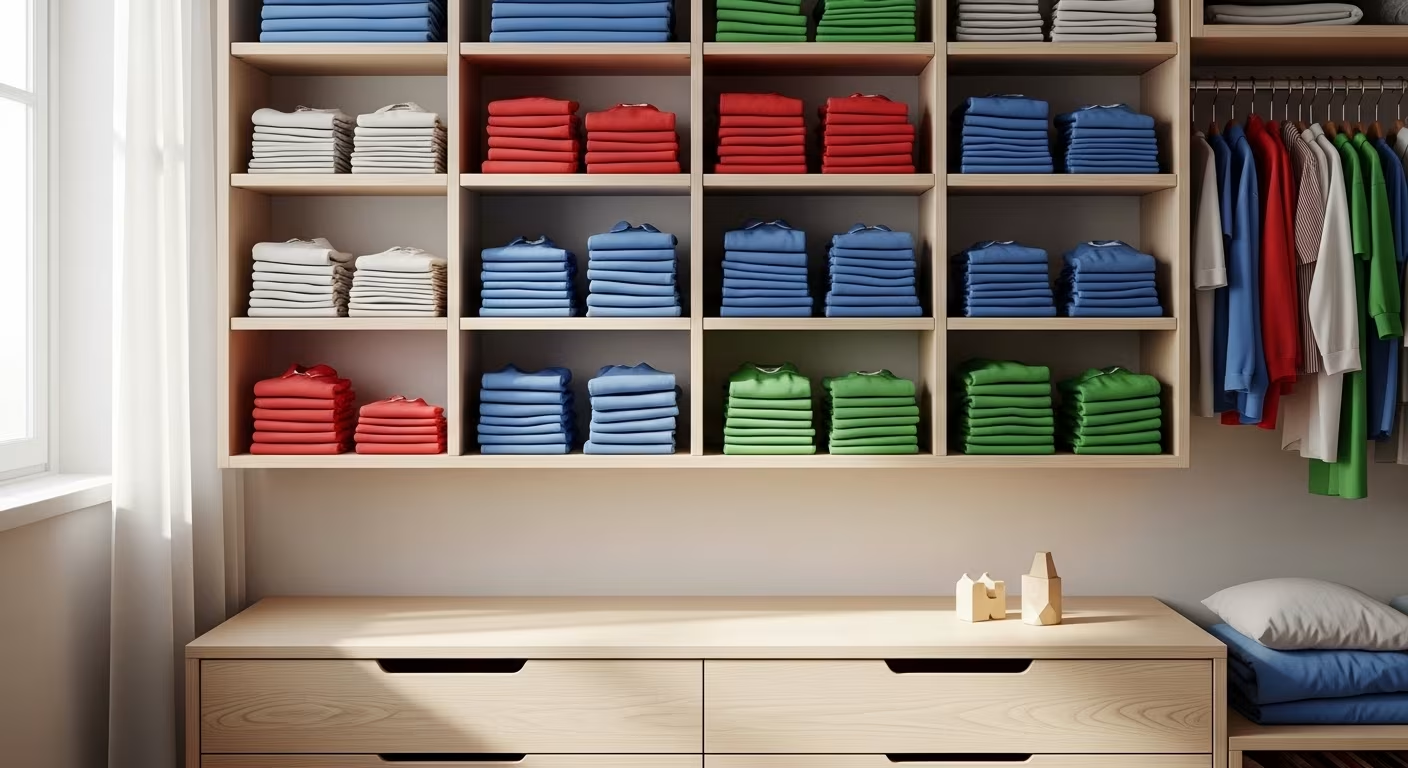
For me, it used to be my daughter’s closet. I swear, it was a black hole of mismatched socks and tiny dresses she’d outgrown three months ago. I’d try to tidy it, but it felt like pushing water uphill with a rake. Exhausting and totally pointless.

That’s the exact feeling that led me to this weirdly simple, yet unbelievably effective, four-box decluttering method. It’s what changed my relationship with my stuff, and honestly, with my sanity.

Today, I’m going to walk you through exactly how to use it. We'll cover why it actually works, how to tackle any space with it (yes, even that garage), and how to make sure the clutter doesn’t sneak back in next week.

No fancy organizer bins required, no endless hours of sorting. Just four imaginary boxes and a little bit of focus. You ready?

Why This Actually Matters

Look, I get it. The idea of "decluttering" can feel like just another thing on the never-ending mom to-do list. Like, when am I supposed to do this? Between making snacks and breaking up sibling fights?

But here’s the thing: doing this isn't just about having a tidy house. It’s about having a little more peace in your head. I used to spend my precious weekend mornings picking up toys or trying to find a matching pair of pants for my son.

Now, I actually spend those mornings having an extra cup of coffee, or, you know, sleeping in past 6 AM sometimes. Because there's just less stuff to manage, less stuff to clean around, and less stuff to trip over.

Last year, I tackled our "junk drawer" (you know the one, right?). It took me maybe 20 minutes, using this exact method. I found three dried-up glue sticks, seven random keys to who-knows-what, and a dead battery from a toy that broke last Christmas.

The immediate feeling of relief was crazy. It wasn't about the drawer being organized; it was about reclaiming a tiny bit of mental space. That's why this matters, mama. It's for you.

The "damn, I Wish I Knew This Sooner" Basics of the Four-box Method

So, what exactly is this magical "four-box" method I keep talking about? It's really just a straightforward way to make quick decisions about your stuff without getting bogged down in indecision.

Instead of staring at a pile of things and wondering where to start, you simply assign each item to one of four categories. No overthinking, no agonizing.

It helps you break down the overwhelming task of decluttering into manageable, actionable choices. You can do this with actual boxes, or just mentally, as long as you know where each item is headed.

What Even Are These Four Boxes?

Alright, let’s get into the simple categories. These are your decision points for every single item you pick up. Commit them to memory, or better yet, scribble them on a piece of paper for your first few rounds.

It sounds almost too simple, but the genius is in its simplicity.

  • Keep: This is for things you genuinely use, genuinely love, or genuinely need. We’re talking about items that bring value to your life right now.
  • Donate/Sell: For items that are still in good condition but no longer serve you or your family. Maybe it's that baby carrier your kid outgrew, or a shirt that just doesn't fit right anymore.
  • Trash: This box is for anything broken, stained, expired, or truly useless. Don't feel guilty. If it's trash, it's trash. Out it goes.
  • Relocate: This one is crucial and often overlooked. It’s for things that belong somewhere else. A book from the living room that should be on the bedroom shelf, or a toy that ended up in the kitchen.

See? No "maybe" pile. No "I'll think about it later" stack. Every item gets a clear destination. This is where the magic really starts to happen, trust me.

Okay, So How do I Actually do This Without Losing My Mind?

Knowing the boxes is one thing, actually putting them into practice when your kid is screaming for a snack and the laundry is piling up? That’s the real challenge. But I’ve got some practical steps that will make this less of a nightmare and more of a "hey, I actually did a thing!" kind of moment.

The key here is breaking it down. Don't try to declutter your entire house in one go. You’ll just burn out and end up surrounded by more mess than when you started. Been there, done that, bought the t-shirt, then donated the t-shirt.

Step 1: Pick Your Battlefield (and Set a Timer, Damn It)

First, choose one small, manageable area. I mean small. Don't start with the entire playroom. Start with one shelf in the playroom. Or one drawer in your dresser. Or the countertop by the sink.

Seriously, resist the urge to go big. Pick something that you could realistically tackle in 15-30 minutes. Then, and this is important, set a timer for that exact amount of time.

When the timer goes off, you’re done. No matter where you are. This prevents overwhelm and makes it feel achievable. You can always come back tomorrow.

Step 2: Empty It out (mostly)

Now, here's where it gets a little messy before it gets clean. Take everything out of your chosen area. Every single item. Pile it on the floor, on a table, whatever works.

Seeing everything laid out can be a bit confronting, I won't lie. You might think, "Holy hell, I have this much stuff?!" But it's a necessary step to truly assess what you own.

If emptying everything out feels too daunting for a larger space (like a closet), you can do it in sections. Just be sure to move every item out of its original spot and pick it up individually. No "eyeballing" things.

Step 3: Handle Each Item (no Second-guessing, Mama)

This is the core of the method. Pick up each item, one by one. Don't put anything back down until you've made a decision. This is where your four "boxes" come into play.

As you pick up an item, ask yourself a quick question: "Do I use this? Do I love it? Do I need it?" If the answer isn't an immediate, enthusiastic yes, then it probably belongs in one of the other boxes.

Try to make a decision in less than 5 seconds. If you hesitate, it's probably not a "Keep." Seriously, your gut reaction is usually right. Overthinking leads to keeping things you don't actually want or need.

Step 4: Fill Those Boxes (and be Ruthless)

As you make your decisions, immediately place the item into its corresponding box (or pile, if you're just using mental categories). Don't let things sit on the floor again.

For the "Keep" pile, put it to one side, ready to go back into your newly decluttered space. For "Donate/Sell," make a pile for items that are ready for a new home. "Trash" goes straight to the trash bag.

And the "Relocate" box? This is where you put items that belong elsewhere in your house. That random pen from the kitchen that belongs in your office? Relocate. The kid's drawing that ended up on your bedroom nightstand? Relocate.

Be honest with yourself. If you haven't used something in a year, or if it doesn't fit, or if it's just taking up space, it's time for it to go. That old, stretched-out T-shirt? It's not coming back in style, honey.

Step 5: Process the Boxes (The Real Game-Changer)

Here’s the part that most people skip, and it’s why clutter often creeps back in. Once your timer goes off and your original space is empty, you must deal with your boxes immediately.

The "Trash" box? Take it out to the bin RIGHT NOW. Don't let it sit inside. The "Donate/Sell" box? Put it in your car trunk immediately. That way, next time you're out, you can swing by a donation center or drop off at a consignment shop.

The "Relocate" box is also critical. Don't just dump its contents back into the original space. Take those items to their rightful homes before you put your "Keep" items back. Otherwise, you've just moved the mess.

This step is non-negotiable. If you leave these boxes sitting around, they just become new clutter piles. You just did all that hard work; see it through to the end!

Step 6: Reset and Celebrate (seriously, You Earned It)

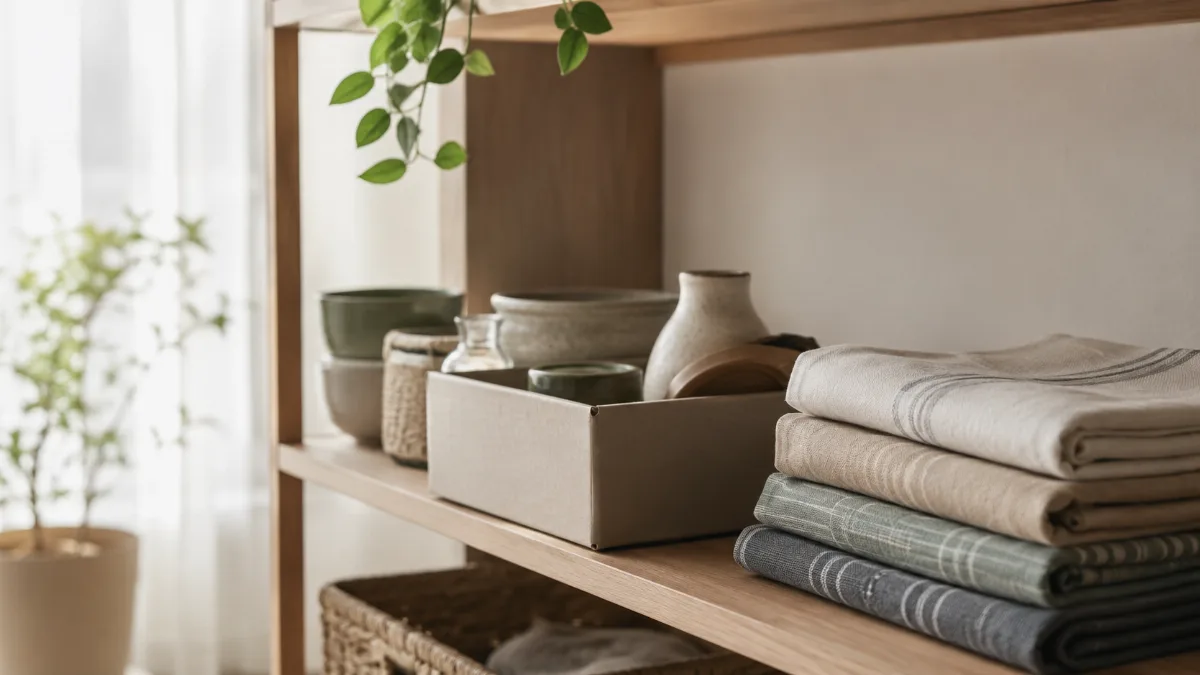
Once your non-Keep boxes are dealt with, it's time to put your "Keep" items back into their designated spot. Arrange them neatly. Give them space. Breathe a sigh of relief.

Notice how much easier it is to put things away now that there's less stuff? That's the whole point. Take a moment to appreciate your effort. You just did a damn good thing!

Reward yourself with something small. A quiet cup of tea, 10 minutes of scrolling Instagram in peace, or just enjoying the sight of your newly decluttered space. This positive reinforcement makes you want to do it again.

Making It Stick (because Who Needs More Clutter Next Week?)

Okay, you’ve done the hard work. You’ve tackled a space, made some tough calls, and processed your boxes. Now, how do we prevent that damn clutter monster from crawling right back in?

It happens. We get busy, we get tired, and suddenly, things are piling up again. Here are a few things that often trip people up, and how you can sidestep them.

One common mistake is thinking it's a one-and-done deal. Decluttering is like doing laundry; it's a continuous process, not a destination. You'll always have new things coming into your home, so you need a system to manage them.

Another pitfall is sentimentality. I know, it's hard to let go of that handmade macaroni necklace from preschool. But you can't keep everything. Take a photo, save a few truly special items, but don't let every memory become a physical burden.

And then there's the "just in case" mentality. "What if I need this weird button someday?" "What if I get back into scrapbooking?" Honey, if you haven't needed it in a year, chances are you won't. And if you do, you can probably borrow it or buy it again.

"Clutter isn't just about stuff; it's about postponed decisions."

To make it stick, get into the habit of doing a quick 10-minute declutter once a week. Just one drawer, one shelf. It keeps the big messes from forming. And remember the "one in, one out" rule: if something new comes in, something old goes out. Bought a new shirt? Donate an old one.

It also helps if everyone in the family is on board, or at least aware. With kids, you can make it a game. "Let's find 5 toys we can give to other kids who need them!" It teaches them good habits early, and makes them feel like they're helping, not just being forced.

Frequently Asked Questions

What if I Don't have Four Physical Boxes?
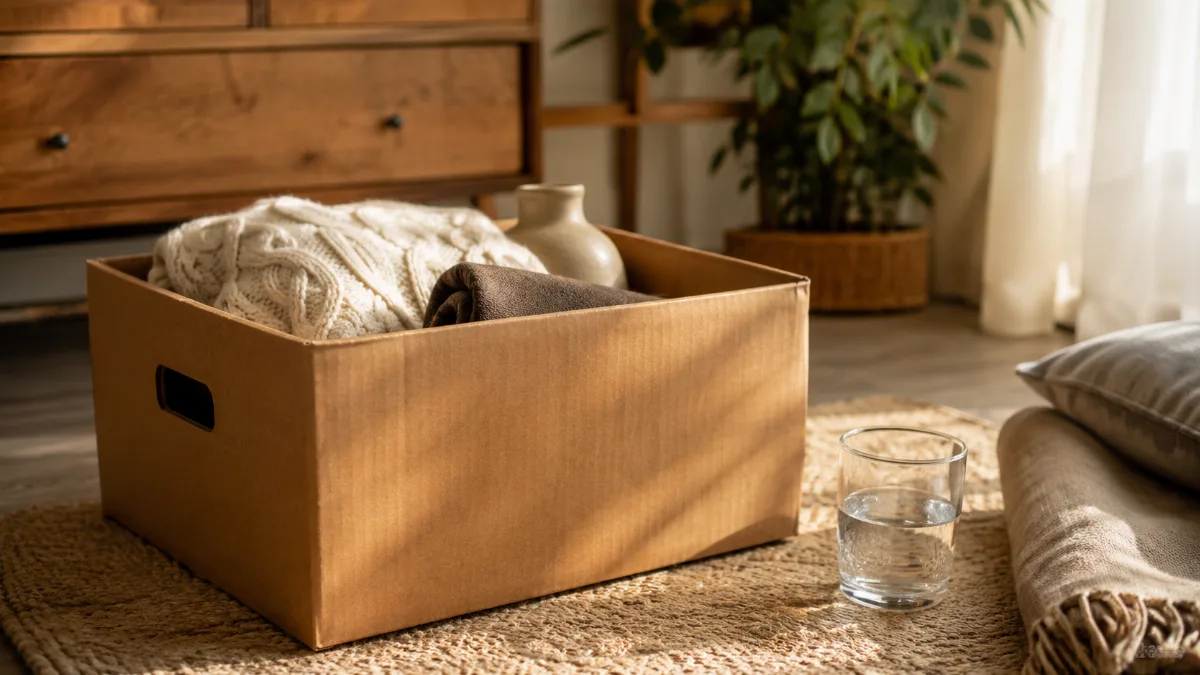
Don't sweat it! You absolutely don't need actual boxes. You can use laundry baskets, shopping bags, or just designated piles on the floor. The "four box" name is just a mental framework to categorize your items. As long as you know which pile is which, you’re good to go.
What if My Partner Isn't on Board with Decluttering?
Oh, the spousal resistance. Been there. My husband wasn't exactly thrilled when I suggested going through his fishing gear. The best approach is to start with your own stuff and your own spaces first. Let them see the positive changes and benefits in your areas. Once they see how much calmer and cleaner things are, they might be more open to trying it themselves, or at least letting you tackle common areas.
How do I Deal with Sentimental Items Like Old Baby Clothes or Cards?
This is a tough one, I know. For baby clothes, pick one or two truly special outfits to keep, maybe even frame them or put them in a shadow box. For the rest, consider making a "memory quilt" if you're crafty, or taking photos and then donating them. For cards, scan them onto your computer and create a digital album, then toss the physical paper. The goal isn't to erase memories, but to manage the physical footprint of those memories.
How Long Should One Decluttering Session Take?
Honestly, as little as 15 minutes. Or maybe 30 minutes for a slightly larger drawer. The trick is to set that timer and stick to it. If you try to do too much at once, you'll get overwhelmed and burn out. Short, consistent bursts are way more effective than one marathon session you dread.
What do I do with the "relocate" Box Items?
This is crucial. As soon as your decluttering session is over (and before you put your "keep" items back), take the "relocate" box and immediately distribute its contents to their proper homes. Do not, under any circumstances, leave it sitting there. That’s just creating a new clutter pile in a different spot. Get it done, quick!
Is This Method Only for Big Decluttering Projects?
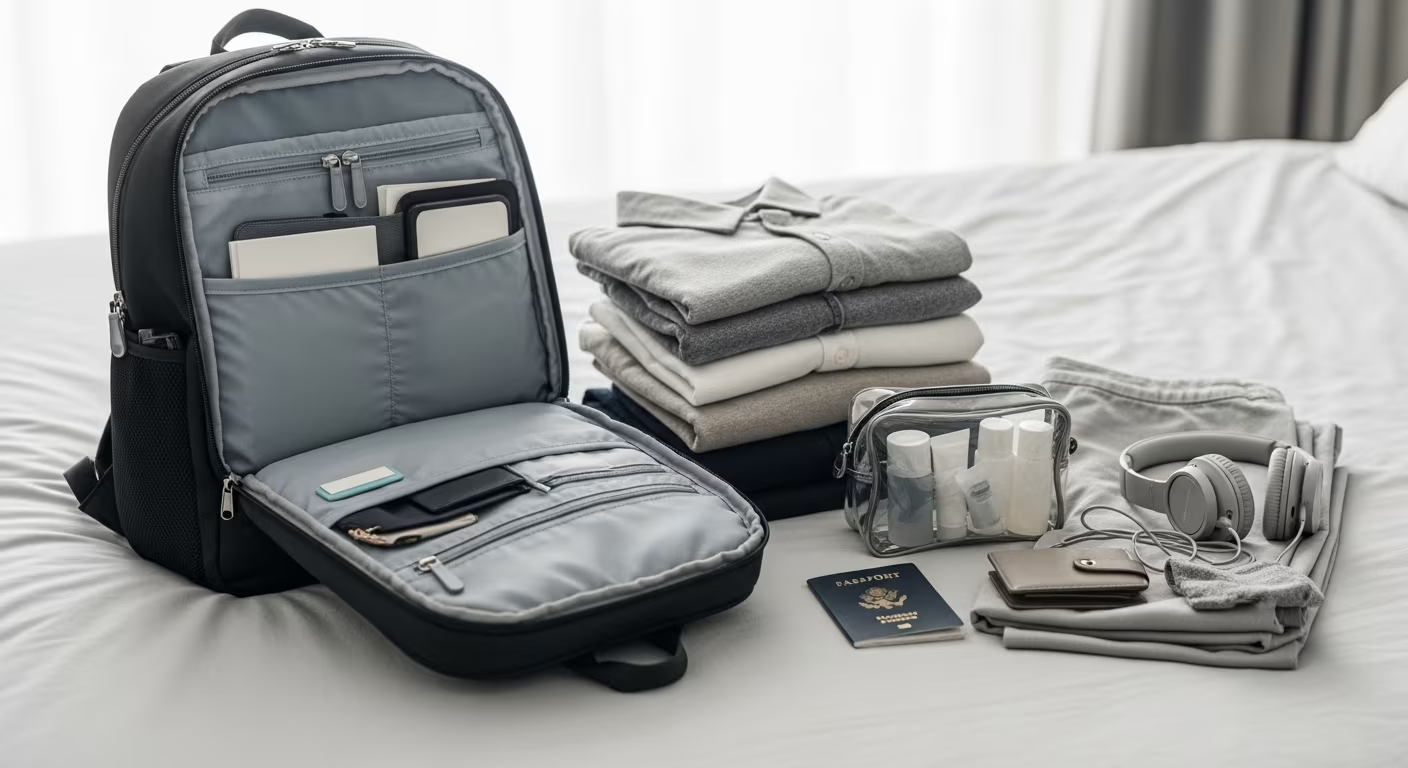
Absolutely not! While it works wonders for bigger areas, it’s just as effective for tiny tasks. You can use it to declutter your purse, your car glove compartment, or even just the top of your dresser. It’s a versatile framework for making decisions about any amount of stuff, big or small.

The Bottom Line

So, there you have it. The four-box method. It's not rocket science, and it won't solve all your problems, but it will definitely give you a solid framework for tackling the mountains of stuff that accumulate in our lives.

Remember, this isn't about perfection. It’s about progress, and creating a little more breathing room in your home and your head. Start small. Pick one drawer, set that timer, and just try it.

You might be surprised at how much lighter you feel, even after just 15 minutes. You got this, mama. Go make some space. ❤️