
The Philosophy of Slow Food in a Minimalist Household
Hey, mama. 👋 Remember that feeling of dread when 5 PM rolled around and you realized you hadn't even thought about dinner? Your stomach's rumbling, the kids are starting to get hangry, and the only thing in your fridge that looks remotely edible is a sad, half-eaten yogurt. You end up ordering pizza again, or hitting the drive-thru, because damn it, you're tired, and sometimes just getting something on the table feels like a win.
Yeah, I know that feeling all too well. For years, our kitchen felt like a war zone. I'd rush home, try to whip something up while simultaneously breaking up sibling fights and fielding "I'm hungry!" cries, and then we'd wolf it down in 15 minutes before collapsing on the couch. It was exhausting, expensive, and honestly, not very satisfying. It felt completely at odds with the minimalist life I was trying to build everywhere else in our house.
That's when I stumbled onto the idea of "slow food" – and no, it's not just for fancy chefs with hours to spare. It's about bringing intention and simplicity back to how we feed our families. It's about less stress, more connection, and surprisingly, not always more time spent cooking. We’re going to talk about what it is, why it actually matters for tired moms like us, and how you can start making it happen without adding another damn thing to your to-do list.
Why This Actually Matters
Okay, so why should you even care about "slow food" when you’re already juggling a million things? Because it’s not about cooking gourmet meals every night. It’s about ditching the frantic rush, the constant guilt, and the mystery meat nuggets. It's about bringing a minimalist mindset to your plate.
Think about it. We declutter our closets to reduce decision fatigue. We simplify our routines to create more calm. Why aren’t we doing the same with our food? When you adopt a slow food philosophy, you're not just making dinner; you’re reclaiming your evenings, saving money, and teaching your kids valuable lessons about where food comes from.
I used to spend a small fortune on convenience foods and takeout. I swear, some weeks it felt like we were throwing $200 right into the trash just for the luxury of not cooking. That money could have gone towards so many other things – savings, a family trip, or even just a decent babysitter so my husband and I could have an actual date night. When I finally sat down and tracked our spending, I was honestly shocked. It hit me hard.
Beyond the money, the biggest gain has been the feeling of peace. Our dinner times used to be a mad scramble. Now, they’re still sometimes loud and messy, because, kids. But the preparation is calmer. The food is better. And there's less guilt hanging over my head like a dark cloud. It’s not perfect, never is, but it’s a hell of a lot better.
What Even Is Slow Food?
So, what exactly are we talking about when we say "slow food" in a minimalist household? It’s not about spending 3 hours making a complicated French stew every night. God, no. I barely have 3 minutes to myself most days.
At its heart, slow food is the opposite of fast food. It’s a movement that started in Italy as a reaction to the rise of fast food culture. But for busy moms, it simply means being more intentional about what we eat, how we prepare it, and where it comes from. It's about valuing quality over speed, and connection over convenience.
Think of it this way: minimalism isn't about having nothing; it's about having enough of the right things. Slow food applies that same principle to your plate. It's about simple, real ingredients, prepared thoughtfully, and enjoyed together. It's about saying no to the constant rush and yes to nourishment, both for your body and your family's spirit.
The Core Principles for Busy Moms
The original Slow Food movement has three main tenets: Good, Clean, and Fair. We can absolutely adapt these for our crazy mom lives, making them practical and achievable.
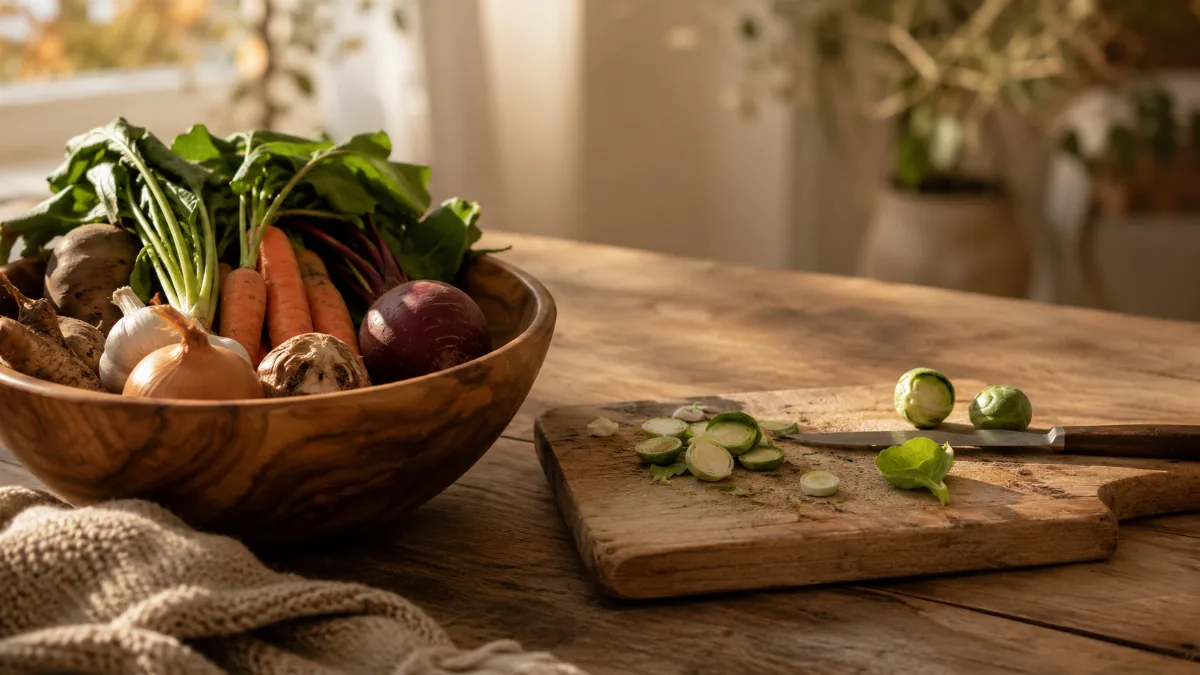
- Good: This means food that tastes good, of course. But it also means food that feels good to eat. Think fresh, seasonal ingredients that burst with flavor, not bland, processed stuff. It means food that brings joy and satisfaction, not just calorie intake. For us, this might mean choosing ripe berries in summer or hearty root vegetables in winter, rather than expecting every fruit year-round.
- Clean: This isn't just about washing your hands, though please do that. It’s about food that is produced in a way that’s clean for the environment and our bodies. Minimally processed, locally sourced when possible, and free from a gazillion additives you can’t pronounce. It means prioritizing real ingredients over a list of chemicals, reducing waste, and trying to make choices that aren’t destroying the planet. I know, big ask sometimes, but every little bit counts.
- Fair: This is about food that supports fair conditions for producers and consumers. It means recognizing the value of the people who grow our food and ensuring they are paid fairly. For us, it might translate to shopping at a local farmer’s market, buying from brands you trust, or just understanding the chain that brings food to your table. It’s about making ethical choices when you can, without breaking the bank or your brain.
How To Actually Do It
Okay, enough philosophy. How do we, as sleep-deprived, time-crunched moms, actually integrate this slow food concept into our chaotic lives? It’s all about smart strategies and a shift in mindset, not adding more hours to your day. Promise.
Step 1: Simplify Your Pantry (A Minimalist's Dream)
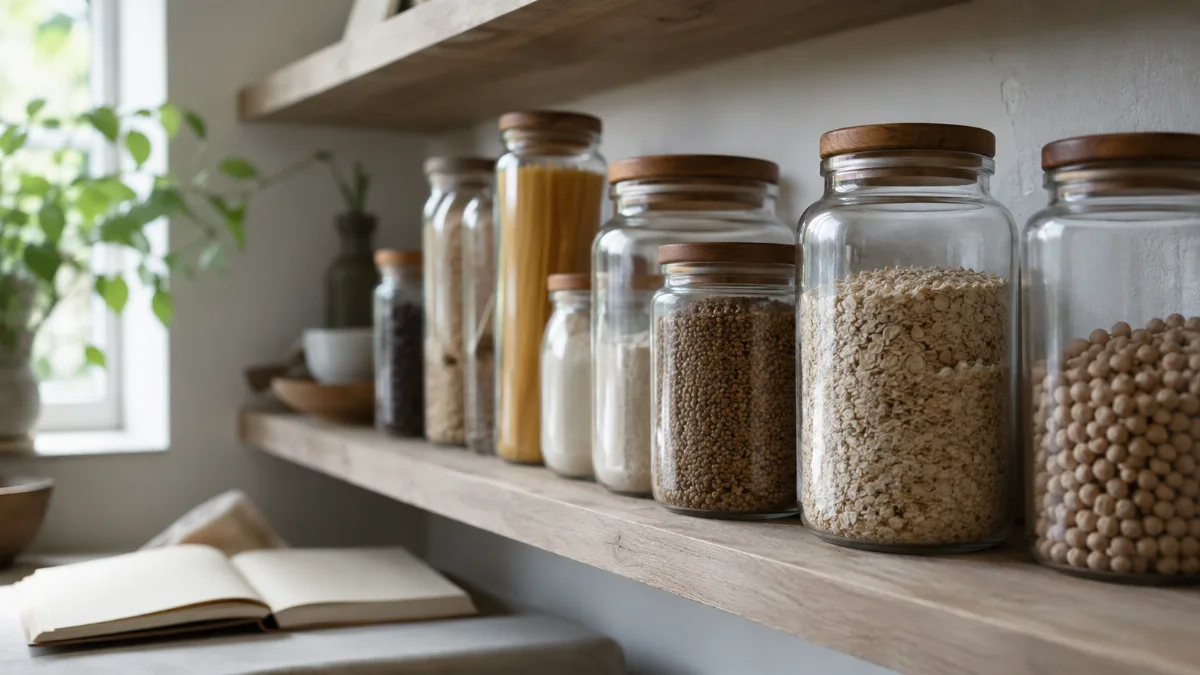
Your pantry and fridge are ground zero for slow food. If they're overflowing with expired jars, random half-used packets, and things you bought because they were "on sale" but never actually use, you're setting yourself up for stress. Decluttering here is just as impactful as decluttering toys.
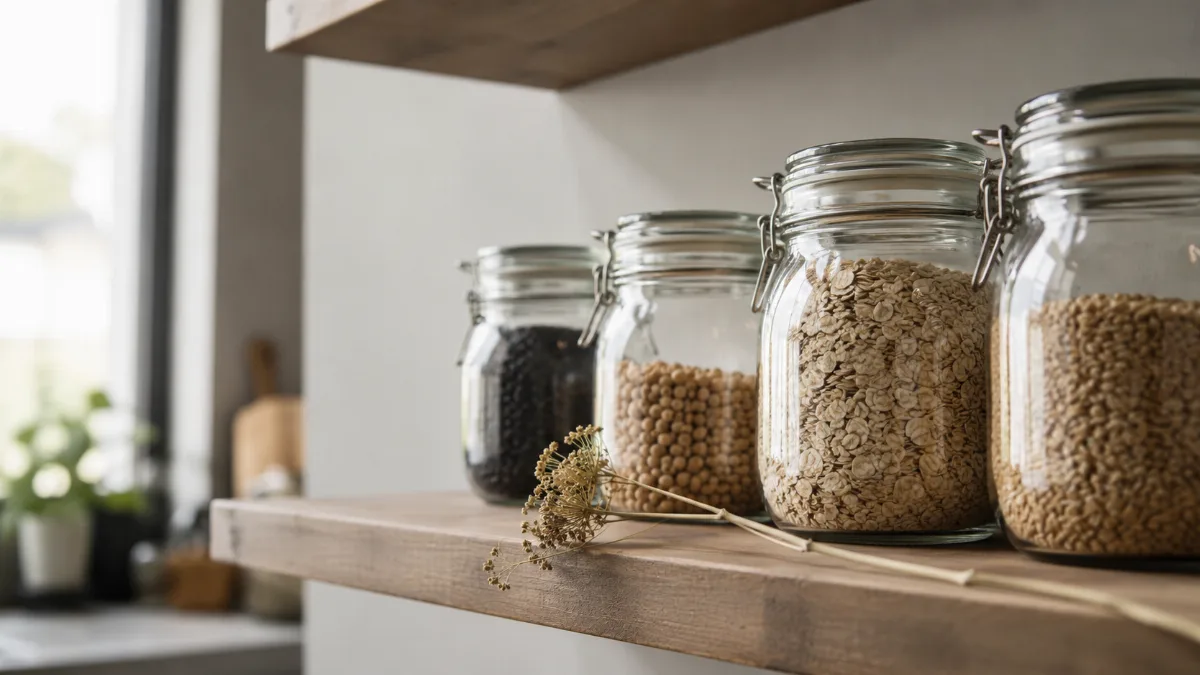
Start by pulling everything out. Seriously, everything. Check expiration dates. Get rid of anything you haven't used in 6 months. Create a clear, organized space for the staples you actually use: rice, pasta, canned tomatoes, beans, flour, spices, oils. When you know what you have, you waste less and cook more efficiently. My rule is: if I can't see it, I won't use it.
Step 2: Meal Planning That Doesn't Suck (Because Most Do)
Forget those rigid, every-single-meal-planned-out spreadsheets. That's for people with way more free time and way less toddler drama. My meal planning is more like a loose guide.
Pick 3-4 dinners for the week that sound good and use similar ingredients. Write them down. That's it. Maybe one crock-pot meal, one quick pasta dish, one roasted sheet pan dinner. Then, for the other nights, embrace leftovers or simple "pantry raid" meals like quesadillas or big salads. This gives you flexibility. If Tuesday turns into a hell-no kind of day, you can swap your planned meal for something easier.
Step 3: Embrace the Crock-Pot (or Instant Pot, if you're fancy)
This is your secret weapon. Seriously. There's nothing "fast food" about slow cooking. Dump ingredients in the morning, and dinner is ready by evening. It's minimal effort, maximum flavor, and it fills your house with amazing smells.
Think pulled pork, chili, hearty stews, even whole chickens. You just brown some meat, chop some veggies, throw it all in, and walk away. Coming home to dinner already done? That's not just slow food, that's sanity. It saves you from that 5 PM panic, and that's worth its weight in gold.
Step 4: Shop Smarter, Not More
With your simplified pantry and loose meal plan, your grocery list becomes a lot more focused. This is where the "clean" and "fair" principles can really shine.
Try hitting up a local farmer's market once a month, if you can swing it. Grab seasonal produce, maybe some local eggs. It just tastes better, and you’re supporting local families. For your regular grocery run, focus on the perimeter of the store – fresh produce, dairy, meat. Avoid the aisles packed with highly processed items. It means fewer impulse buys and less junk food coming into the house.
Step 5: Make Friends with Your Freezer
Your freezer is not just for frozen pizzas and ice cream. It’s an extension of your meal prep. Chop up extra onions, peppers, or celery when you’re already chopping. Freeze them in individual bags. Future you will thank past you, I promise.
You can also double recipes for things like chili, lasagna, or muffins and freeze half. Or cook a big batch of chicken or ground beef and portion it out. When dinner time hits, you just pull out a pre-cooked component, and half the work is already done. It's like having a sous chef, but without the extra salary.
Step 6: Involve the Kids (Even If It’s Messy)
This one is huge for shifting the whole family mindset. Kids are way more likely to eat food they helped prepare. Yes, it will be messier. Yes, it will take longer. But the payoff is immense.
Even little ones can wash vegetables, stir things in a bowl (carefully!), or set the table. Older kids can chop, measure, or learn to follow simple recipes. It teaches them life skills, makes them feel important, and fosters a connection to their food. My five-year-old loves "helping" me make bread, which mostly involves her getting flour everywhere. But she eats the bread. So, win.
Step 7: Reframe Leftovers (They’re Not a Bad Thing)
Leftovers used to feel like a defeat to me. Like I couldn't come up with a fresh meal. Now, I see them as a gift from my past self. They are lunch. They are an easy second dinner for someone. They are a component for a new meal.
A big batch of roasted chicken can become chicken salad sandwiches the next day, or chicken tacos, or a quick soup. Embrace the versatility. This minimizes food waste and maximizes your precious time. No more throwing out perfectly good food because you're "bored" of it.
Step 8: Make Mealtime an Event (Sometimes)
This is where the "slow" really comes in. Turn off the TV. Put away the phones. Sit down at the table together. Even if it’s just for 20 minutes.
Talk about your day. Ask questions. Share a laugh. It’s not just about nourishing your bodies; it’s about nourishing your family connections. This might not happen every night, and that's totally fine. But when it does, it's those moments you'll remember, not the drive-thru window. It’s simple, but it’s powerful.
Making It Stick / Common Mistakes
Okay, so you've got some ideas. Now, how do you keep this up without burning out? Because let's be real, moms are experts at burning out trying to do all the things.
The biggest mistake I see (and made myself) is trying to go from zero to gourmet chef overnight. Don't do that. You will fail, you will feel guilty, and you will order a pizza. Start small. Pick one thing from the steps above and try it for a week. Maybe it's just planning three meals instead of seven. Maybe it's just trying a crock-pot meal.
Another common pitfall is perfectionism. Your meal doesn't have to be Instagram-worthy. Your kids might still complain. You might still have to order takeout sometimes. That's life. The goal isn't perfect slow food; it's more slow food, less stress. It's about progress, not perfection. Give yourself grace. A lot of it.
It's not about cooking every meal from scratch, it's about making peace with the ones you do.
Remember, this is about aligning your values with your daily life. If minimalism is about intentional living with less, then slow food is simply applying that to one of the most fundamental aspects of our existence: feeding ourselves and our families. It’s not a burden; it’s a release from the constant pressure of convenience culture.
Frequently Asked Questions
But I don't have time to cook from scratch every night.
That's the beauty of it – you don't have to. Slow food isn't about cooking from scratch every single night; it's about being intentional. Use your freezer, batch cook on a Sunday, or embrace those simple, minimal-ingredient meals. Think one-pot pasta, sheet pan dinners, or a hearty soup made with canned goods.
Your slow cooker or Instant Pot are your best friends here. They do all the "slow" work for you while you're busy with other things. A quick dinner could mean heating up prepped components, not starting from zero.
Involve them in the cooking process (Step 6!). Kids are much more likely to try something they helped create. Let them pick a vegetable at the store. Let them stir. And remember, sometimes it takes 10, 15, even 20 exposures before a child will accept a new food. Keep offering.
When you cook at home, you control your budget. You’re not paying for labor, packaging, or marketing for convenience items. Plus, less food waste means more money in your pocket. It's an upfront investment in time, but it pays off financially in the long run.
Often, delicious food speaks for itself. When they taste the difference and feel the calmer vibe at the dinner table, they might just come around. Involve them in tasting, not necessarily cooking. Ask for their input on what sounds good for the week.
You're trading reactive, stressful cooking for proactive, intentional cooking. It might mean an hour or two on Sunday for meal planning and some prep, but that frees up hours during the chaotic weekdays. It’s an investment that pays off in daily calm.
You don't need fancy skills or expensive equipment. You need a desire to simplify and eat better. This is about real food for real families, not culinary masterpieces. If I can do it, tired mom of two with sticky hands, you can too.
The Bottom Line
The philosophy of slow food in a minimalist household is about bringing intention back to the table. It’s about eating real food, connecting with your family, and ditching the constant cycle of stress and takeout. It's not about being perfect, it’s about making small, consistent changes that add up to a big impact.
You're already doing so much, mama. Give yourself permission to slow down in the kitchen, even if it's just one meal a week. Start with one simple change. You might be surprised at the peace, flavor, and connection you find. You got this. ❤️